 No Ground
Faton Hyseni
Publisher of No Ground, an independent science and space news site.
Faton Hyseni publishes No Ground, which he launched in September 2026. Every story on the site carries his byline. No Ground covers astronomy, space missions, discoveries and the technology behind them, in plain language and with the sources listed at the end of every article.
Languages: flas shqip 🇦🇱 · English 🇺🇸
How he works
Stories start from primary sources such as NASA, ESA, NOAA, observatories, mission teams and research papers, and every article ends with a Sources box. Nothing is invented: no made-up quotes, numbers or dates. Images are real, credited agency and observatory images, with artist’s concepts labeled as illustrations and No Ground’s own graphics credited to No Ground. AI tools help draft stories, and Faton reviews every story before it is published. Developing stories get dated updates. When a fix changes what a story means, a visible, dated correction note is added to the article. The full process is on the About page.
Contact and follow
Email: [email protected]. No Ground is also on Facebook, X, YouTube and Instagram.
Latest stories by Faton Hyseni
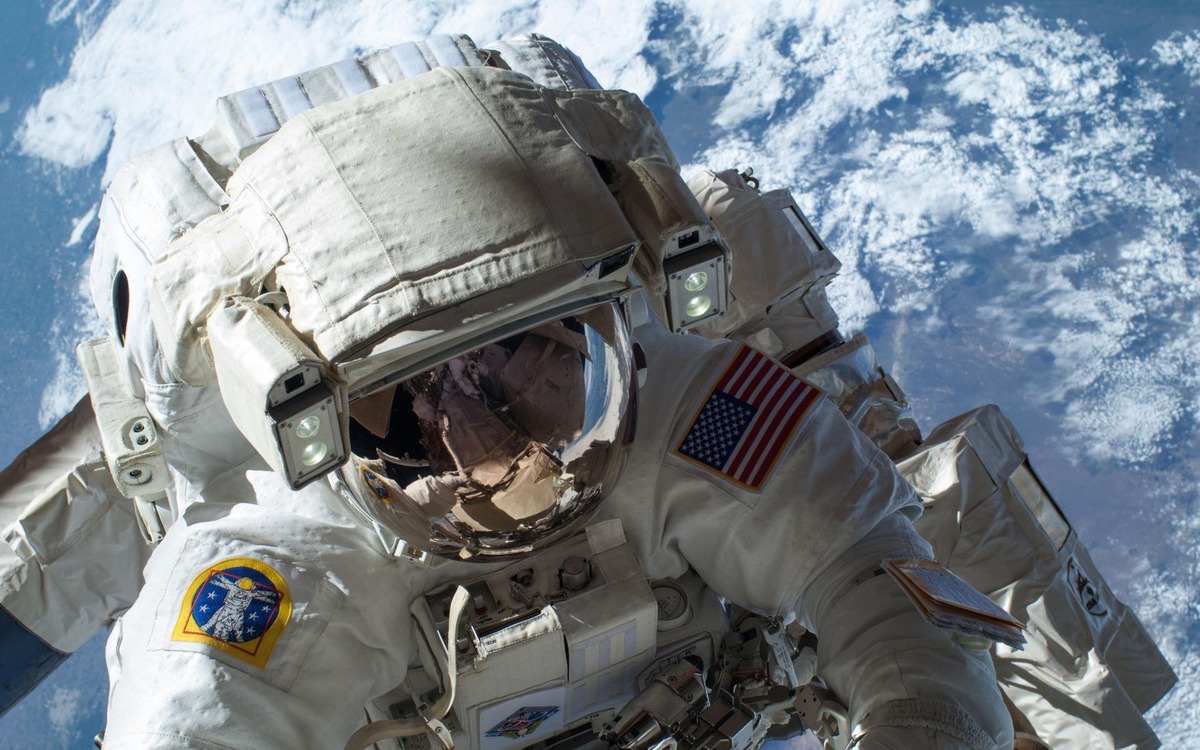
How Cold Is Space? It Depends on Where You Stand
Deep space is about −455°F, just above absolute zero. But in sunlight near Earth, an astronaut can face 250°F on one side and −250°F on the other. Here’s why.
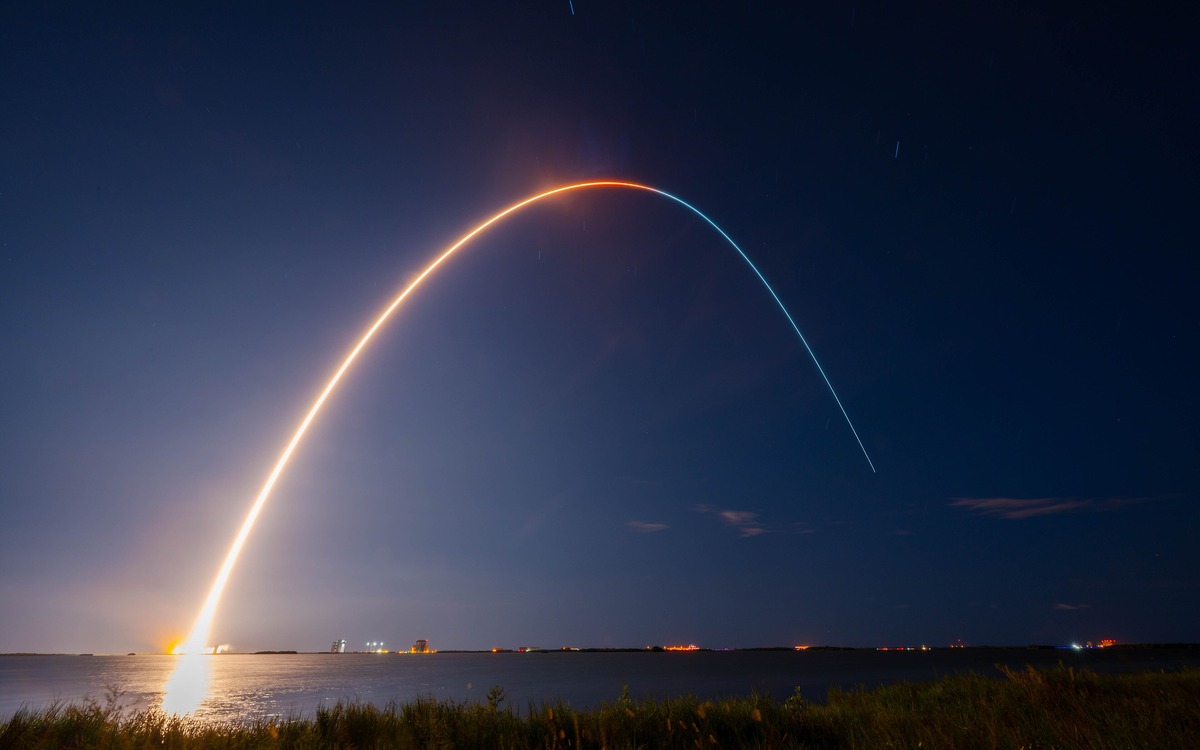
Vulcan Failed, and 40 Amazon Satellites Never Reached Orbit
A day after a Starship came home from orbit, ULA’s Vulcan suffered an anomaly about 10 minutes into flight. It is ULA’s first mission failure in about 20 years. ULA says preliminary data points to too little fuel reaching the BE-4 engines.
Two Giant Black Holes Grew Up Way Too Fast
Webb and the Gemini North telescope found the oldest close pair of quasars, seen 900 million years after the Big Bang. The two black holes weigh 1.5 billion and 400 million Suns, and no one can explain how.
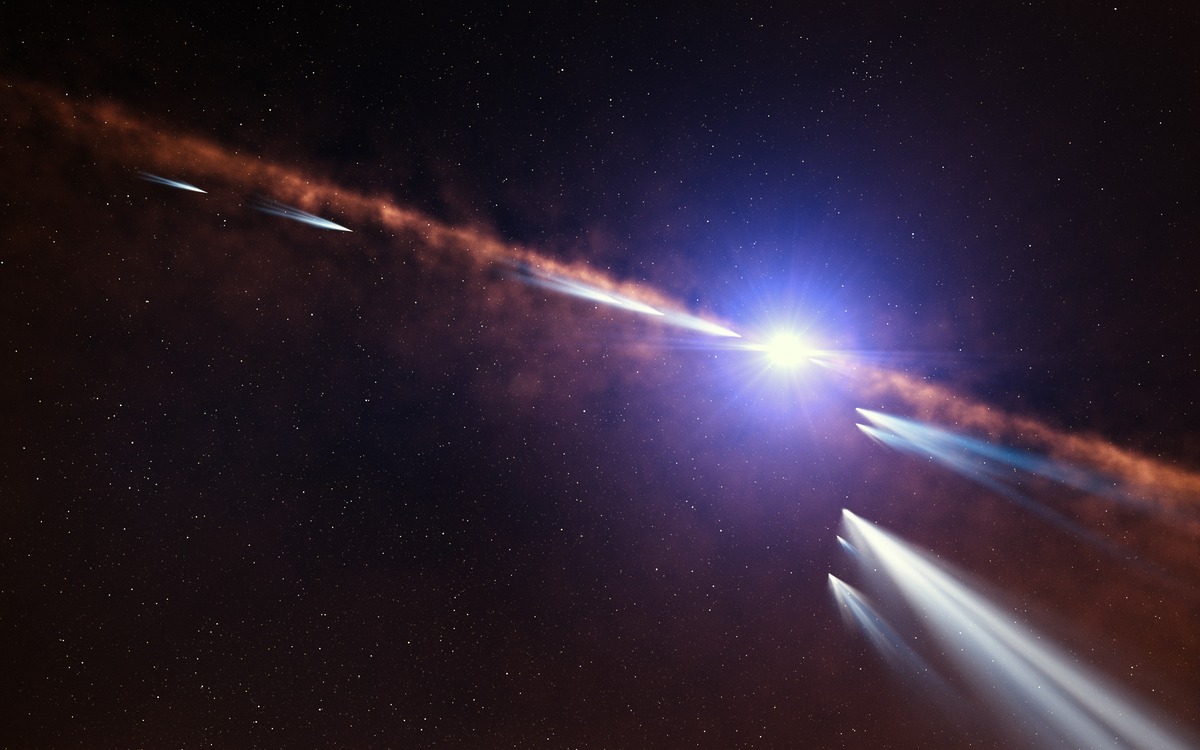
Webb Found Ice That May Be Older Than Its Star
Around Beta Pictoris, 64 light-years away, Webb found glassy water ice mixed with frozen carbon dioxide, in about the same recipe as comets in our solar system. It probably froze before the star was born.
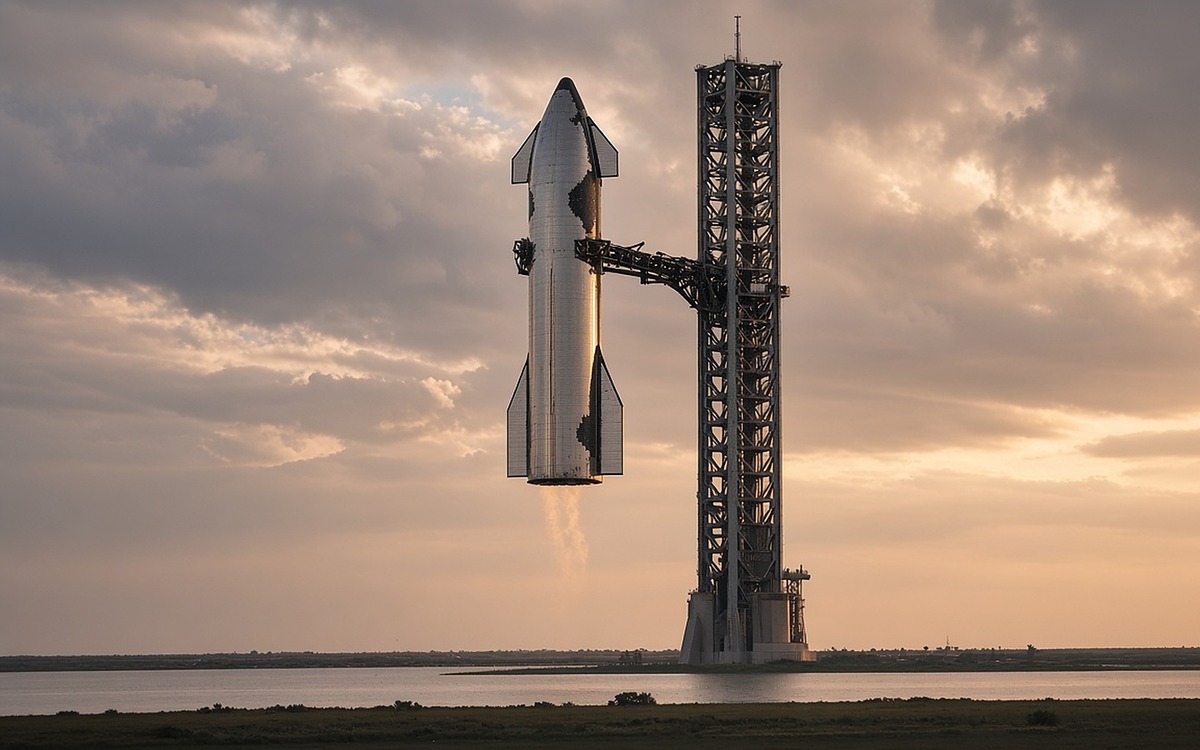
SpaceX Caught a Starship Returning From Orbit
Ship 42 flew about 14 orbits, then settled into the launch tower’s arms at Starbase. The booster on the same flight aborted its own catch and was lost in the Gulf of Mexico.
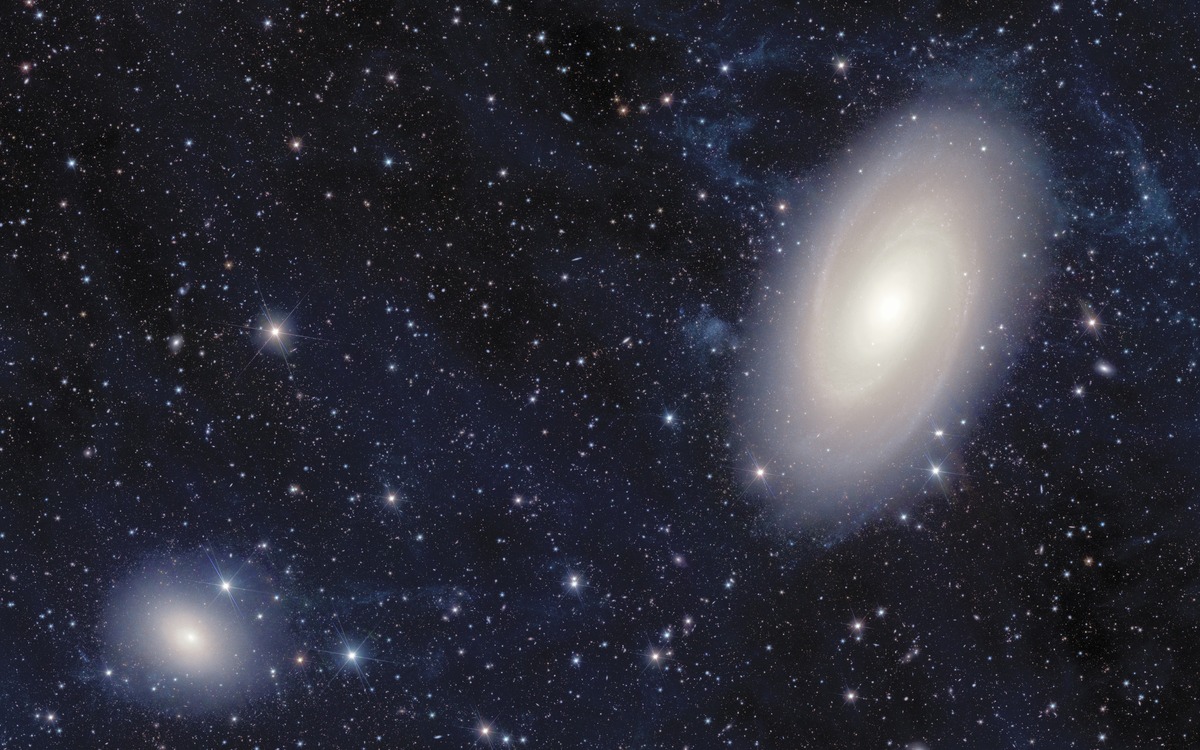
Euclid Just Mapped 900 Million Galaxies
ESA’s Euclid space telescope released its first big batch of survey data: about 1,900 square degrees of sky, more than 900 million galaxies, and 15,000 cosmic lenses. It is only 14% of the job.