 No Ground
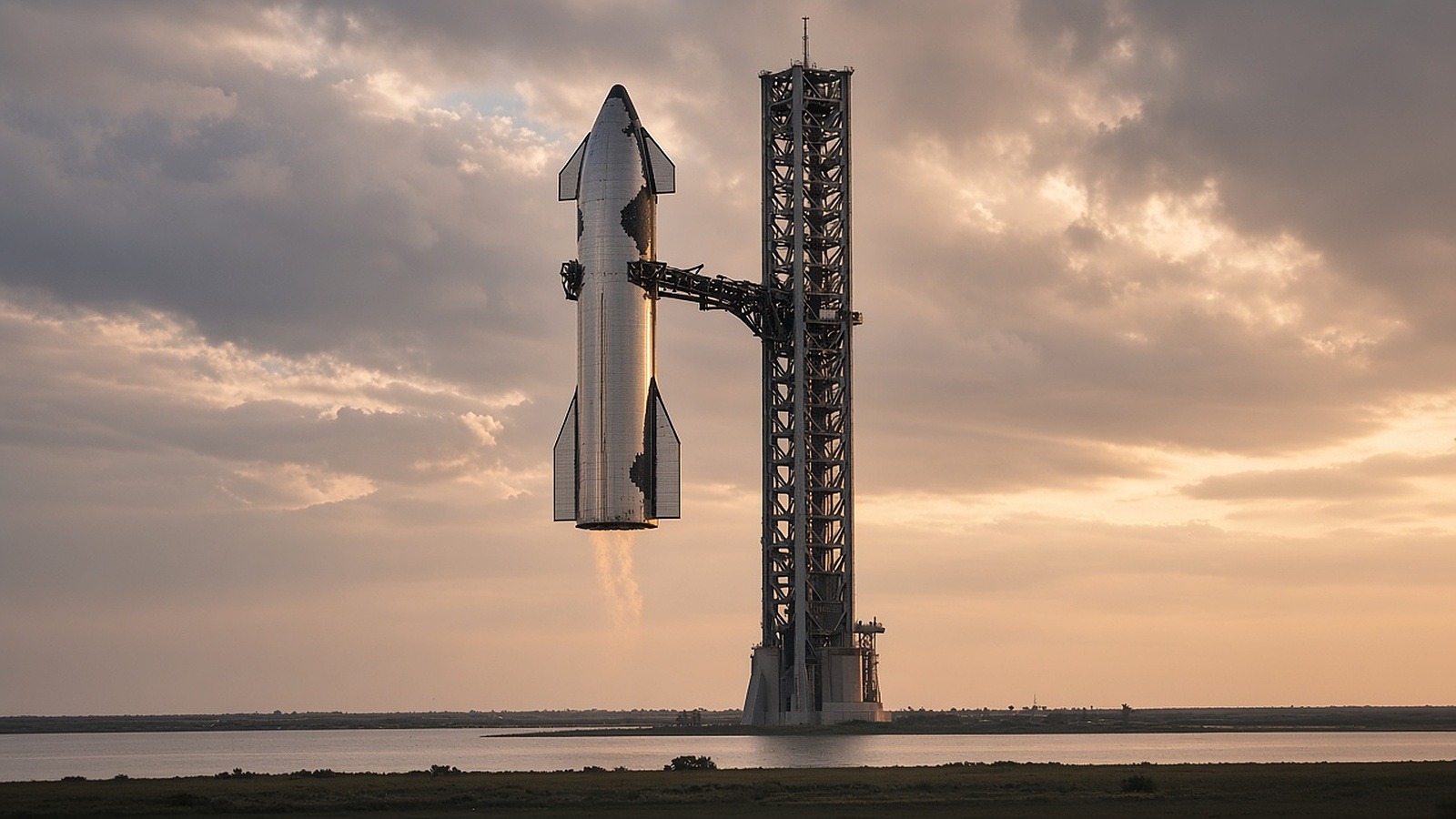
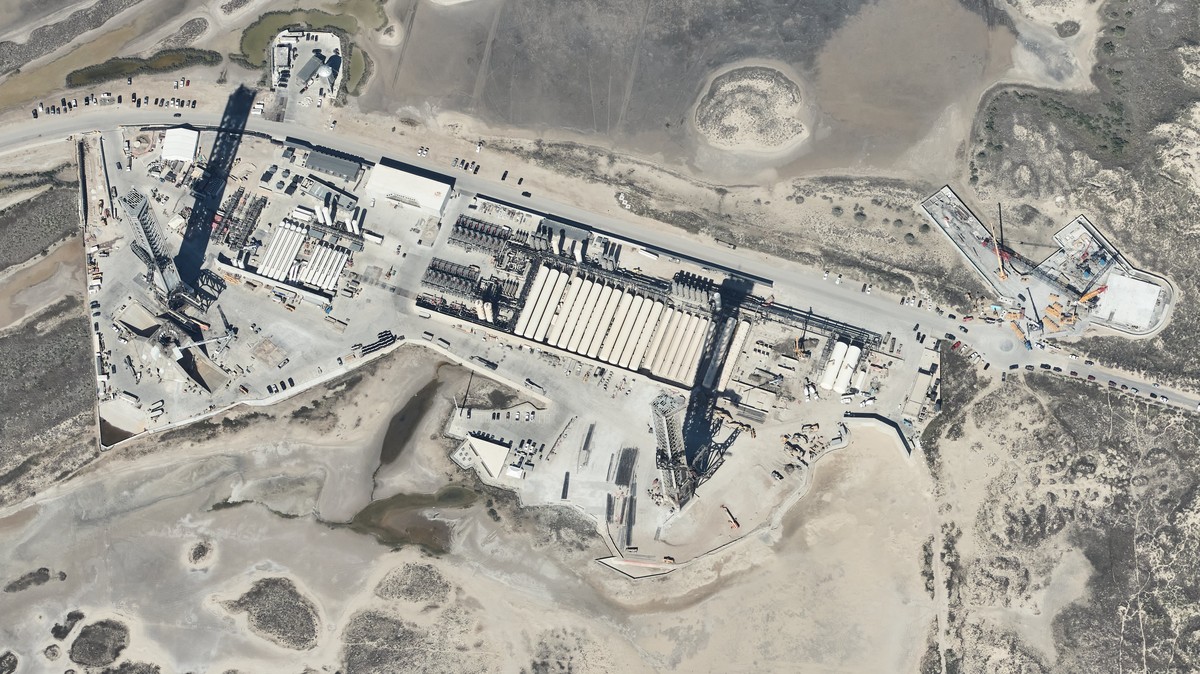
At about 4:20 p.m. ET on Saturday, Nov. 14, 2026, a Starship came back from orbit and settled between the two arms of its launch tower at Starbase, Texas. It is the first time a Starship upper stage has been caught.
SpaceX confirmed it on X at 4:21 p.m. ET: “Mechazilla catches Starship! Congratulations to the entire SpaceX team on this incredible achievement!” Mechazilla is the nickname for the tower and its “chopstick” arms.
It began with a miss
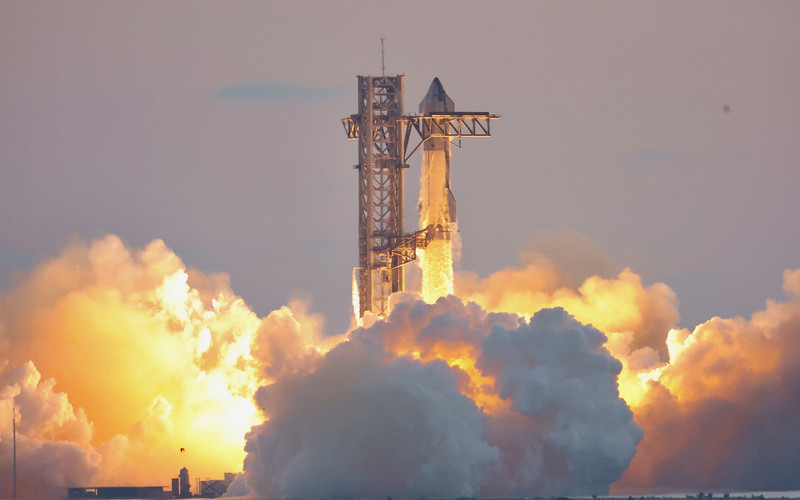
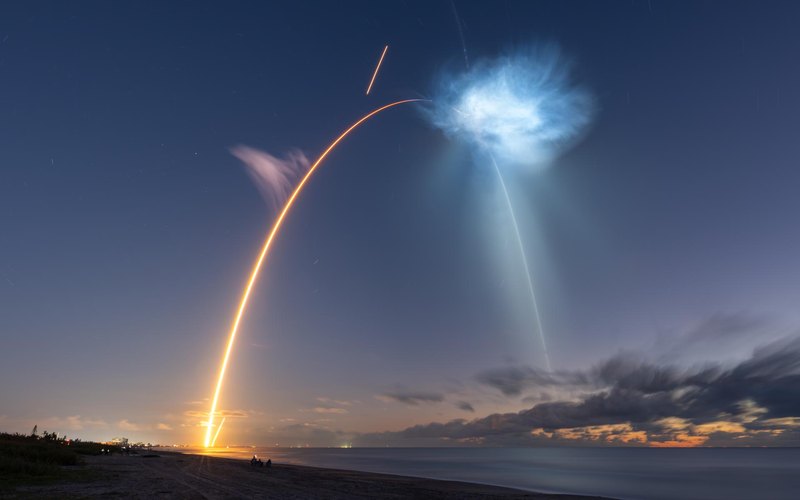
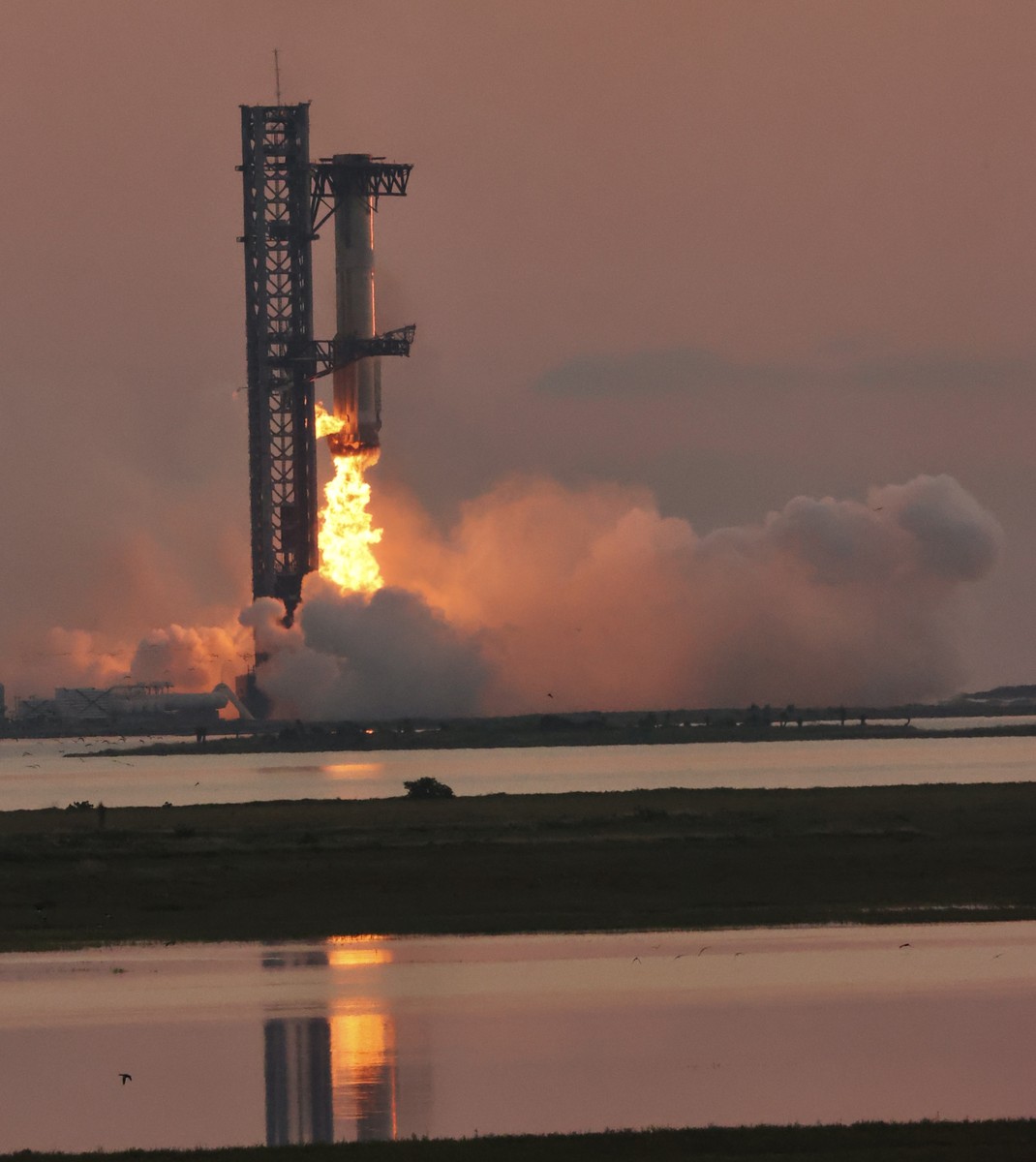
The flight started the evening before. Ship 42 and Super Heavy Booster 22 lifted off from Starbase on Friday, Nov. 13, at 5:47 p.m. ET, according to Space.com and Spaceflight Now. For the first time, SpaceX planned to catch both halves of the rocket.
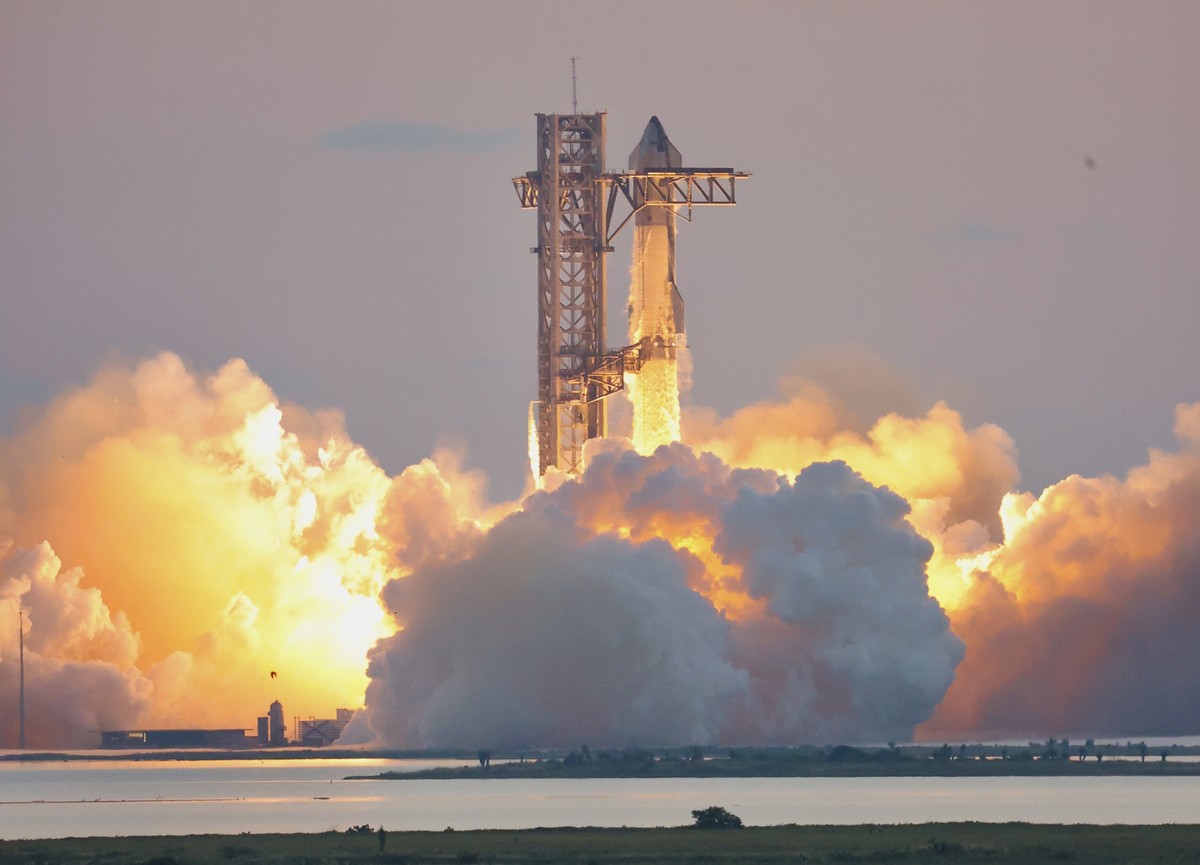
The booster did not make it. It was due back at the tower about 6.5 minutes after launch, Spaceflight Now reported. Instead, SpaceX posted that Super Heavy had “diverted to an offshore splashdown in the Gulf.” Spaceflight Now and CNBC both reported that the booster exploded before it hit the water.
SpaceX has offered a first explanation. “Early indications are that the booster ended its boostback [burn] early due to a low fuel mass alarm,” SpaceX’s Kate Tice said on Saturday’s webcast, according to Space.com. “The team is still investigating the root cause on that.” She said the booster’s guidance then detected that it was not in the right position, so it “correctly aborted itself from the tower catch and went for an offshore water divert instead.”
SpaceX’s Dan Huot added that the abort was triggered by the guidance system doing its job: “It was not a GNC issue that caused us not to come back,” he said, correcting something he had said earlier, Spaceflight Now reported.
Twenty-two hours in orbit
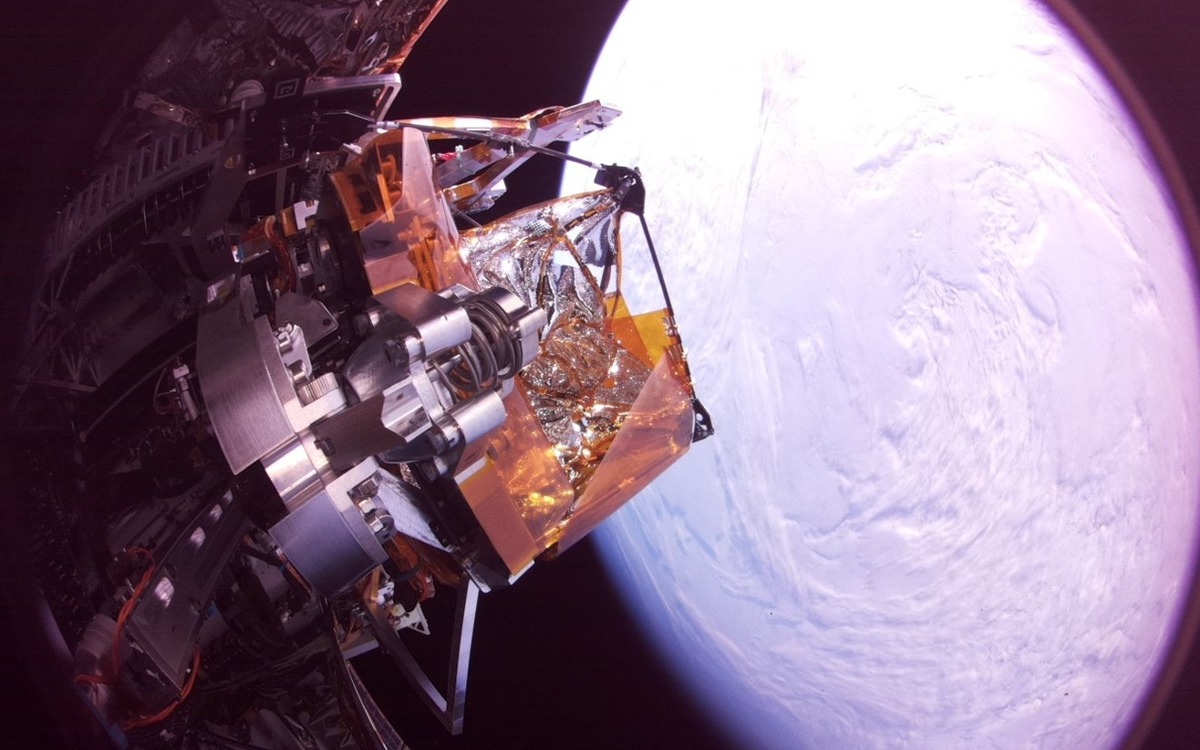
The ship reached orbit and, SpaceX said, deployed all 26 Starlink V3 satellites. Then it coasted. Spaceflight Now reported a plan of up to 14 orbits, and CNBC counted 14 once the flight was over. The catch had been planned for about 22.5 hours after launch.
The big question was the heat shield. Huot said SpaceX’s team had reviewed images from ground tracking cameras and from cameras on some of the satellites the ship deployed, and confirmed the heat shield was “in a good posture for a reentry and return to the launch site,” Space.com reported. SpaceX posted that the ship and its heatshield were healthy.
Explore your sky tonightLive sky map for where you are: planets, the ISS and bright stars above your horizon.The ship only came home to Texas if everything checked out. Spaceflight Now said SpaceX had backup plans to end the flight with splashdowns off Hawaii or Chile. At about 2:18 p.m. ET on Saturday, SpaceX posted that teams had polled go to return Starship to Starbase.
Back through the fire
SpaceX posted that the deorbit burn went well, about an hour before the planned catch, and that the ship was reentering the atmosphere at about 3:58 p.m. ET. At 4:18 p.m. it posted that Starship was “executing a banking maneuver and final approach.” The Verge described the ship plunging through the clouds, flipping upright and easing between the waiting arms.
“That that was the missing link,” Huot said on the landing webcast, according to Space.com. “That was the holy grail of space flight, plummeting through fire to be snatched out of the air by steel. We caught a Starship, and now everything changes.”
What this does and does not show
SpaceX had caught Super Heavy boosters before, three times by Space.com’s count. It had never tried it with the ship, which flies higher and comes in faster. Spaceflight Now noted that the newer Version 3 booster has yet to make a successful return.
So this was not a clean sweep. The Verge called the flight not a complete success, because SpaceX did not recover the whole launch vehicle. It is also a different result from Flight 14, which delivered 26 Starlink V3 satellites and then ended in an early Pacific splashdown.
Bottom line: SpaceX caught a Starship upper stage for the first time, about 22.5 hours after launch. The booster on the same flight aborted its own catch and was lost in the Gulf, and SpaceX says it is still looking for the root cause.
No Ground. Stay curious.