Something left the Sun on Tuesday, and it's due here tonight.
NOAA’s Space Weather Prediction Center expects a coronal mass ejection to reach Earth late tonight or early Friday. A CME is a huge cloud of magnetized solar material, and this one left the Sun on October 6. Forecasters say G1 to G2 (Minor to Moderate) geomagnetic storms are likely on October 9. In plain terms, the northern lights could reach farther south than usual, and parts of the northern United States may get a real chance to see them.
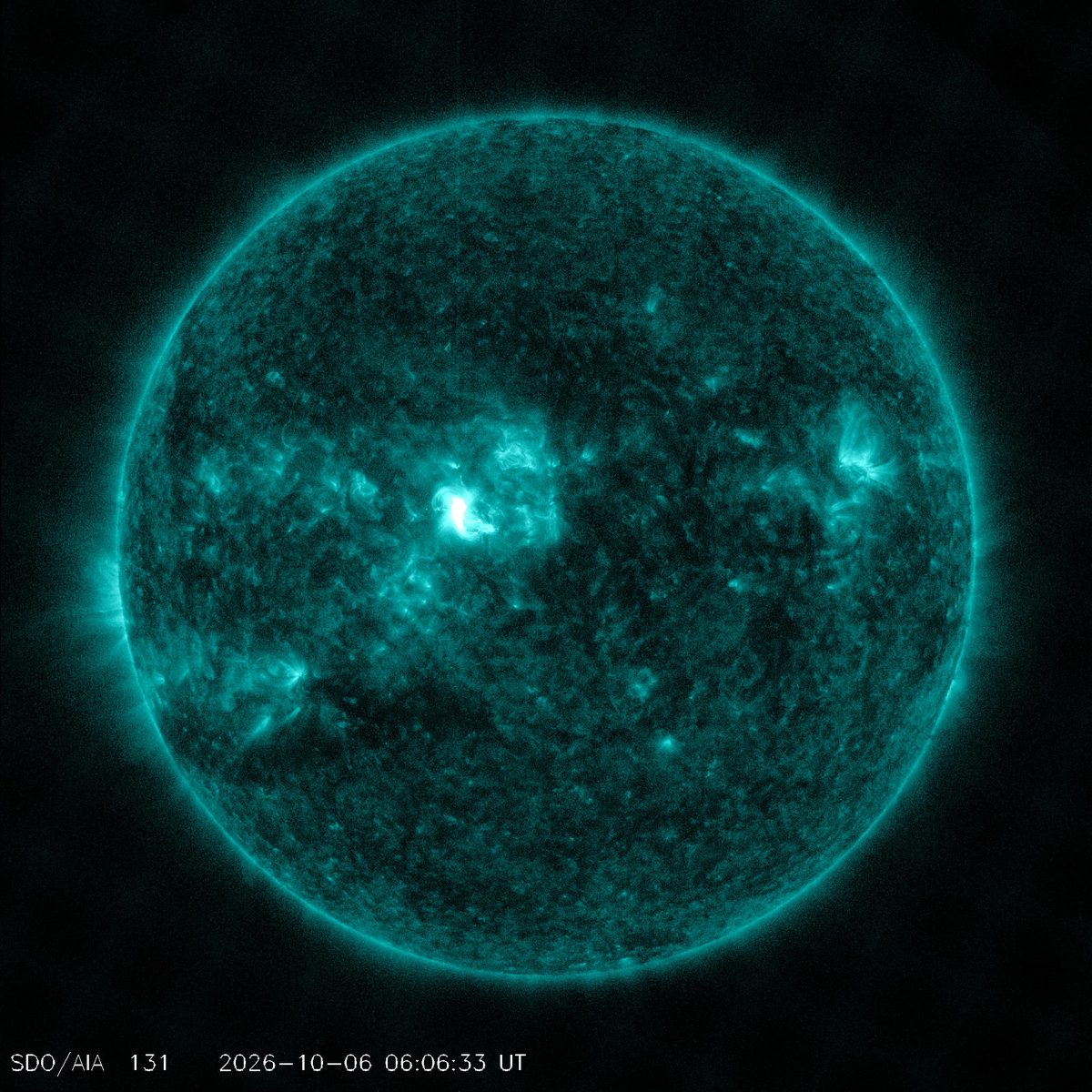
It might happen and it might not. This is the honest version: what NOAA is actually forecasting, what it means for your sky, and what could still change.
What NOAA is forecasting
NOAA’s three-day forecast went out at 8:30 a.m. ET Thursday (12:30 UTC). Its rationale is simple: G1–G2 storms are likely on Oct. 9 “due to the anticipated arrival of a CME from 06 Oct.” The highest expected Kp, the 0-to-9 index forecasters use to measure geomagnetic activity, is 5.67. That counts as G2.
Here are NOAA’s three-hour blocks, converted to Eastern Time:
- Thursday evening, before 11 p.m. ET: quiet. Kp stays below 2.
- 11 p.m. to 2 a.m. ET: Kp 5.00, which is G1. This is the first window.
- 2 a.m. to 5 a.m. ET: Kp 4.33. Active, but just below storm level.
- 5 a.m. to 8 a.m. ET Friday: Kp 5.67, which is G2. This is the forecast peak.
- Friday evening, 5 p.m. to 11 p.m. ET: Kp 4.00. Still active, but below storm level.
On the East Coast, the G2 block runs into morning twilight, so only its darker early part is useful. Farther west, those same blocks fall at 8–11 p.m. PT and 2–5 a.m. PT, both in full darkness.
What G1 and G2 actually mean
NOAA rates geomagnetic storms from G1 to G5. G1 and G2 are the bottom two steps. They're common, and they're not dangerous to people on the ground.
NOAA’s scale says that at G1, aurora is “commonly visible at high latitudes (northern Michigan and Maine).” At G2, aurora “has been seen as low as New York and Idaho.” The G2 watch NOAA issued for this storm puts it like this: “Aurora may be seen as low as New York to Wisconsin to Washington state.”
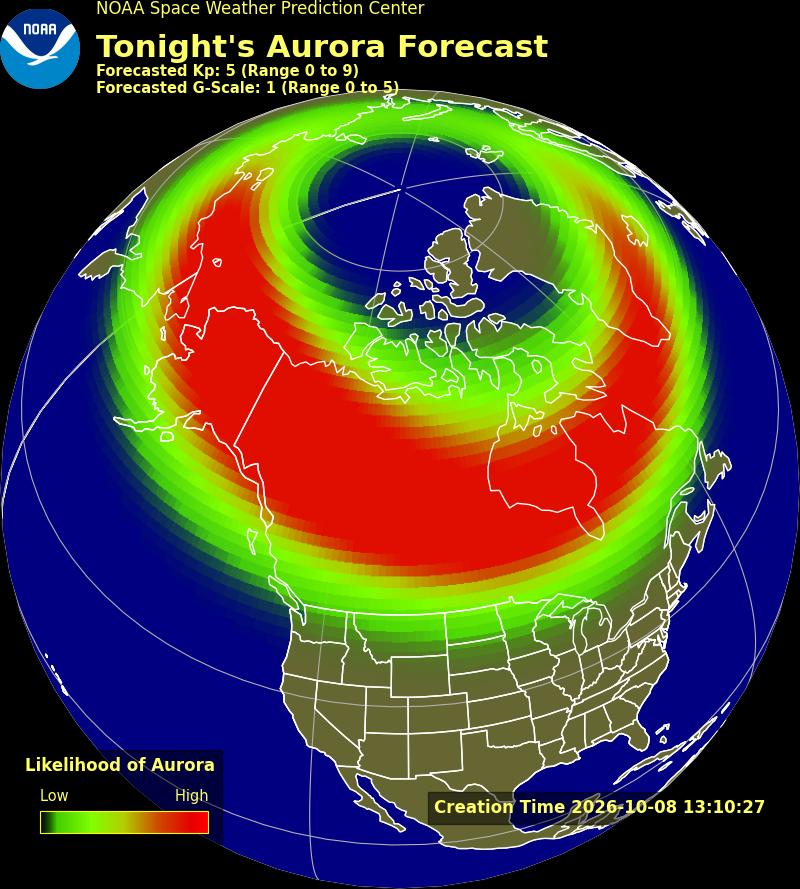
Read those lines as the outer limit on a good night, not a promise for every backyard. The same watch lists effects for operators, mostly at high latitudes. Power grids may see fluctuations. Satellites may feel extra drag in low Earth orbit. High-frequency radio may fade.
Why the sky lights up at all
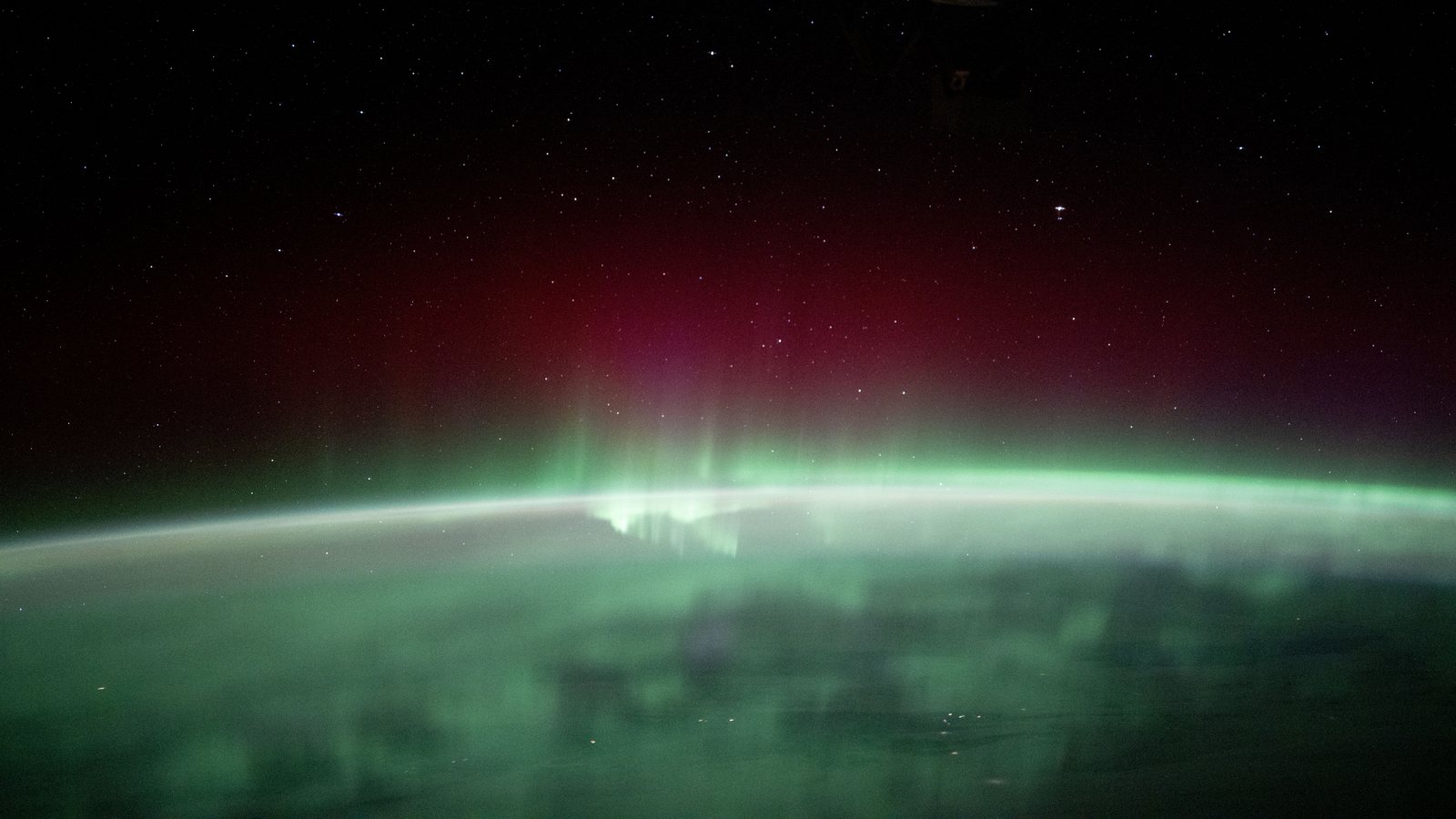
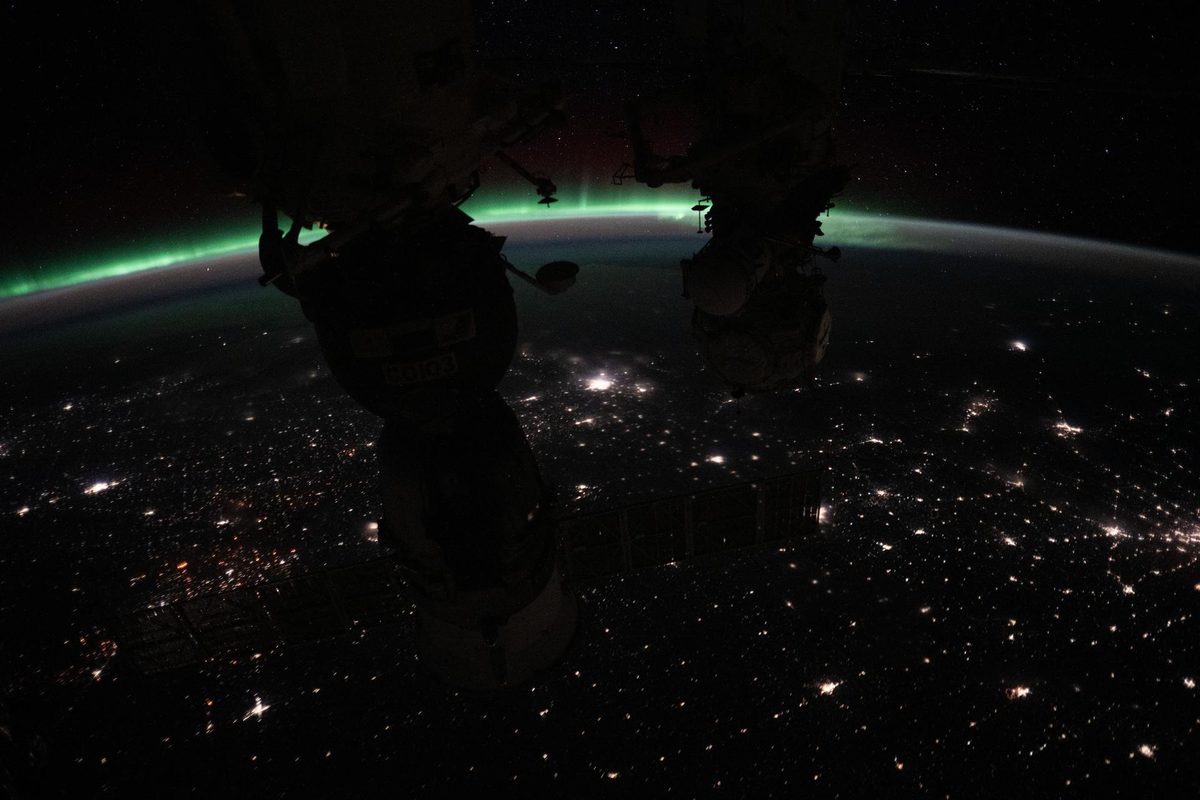
Aurora is what happens when energized electrons, steered by Earth’s magnetic field, slam into oxygen and nitrogen high in the atmosphere. NOAA says it typically forms 80 to 500 kilometers up. A CME shakes the magnetic field around Earth. During a storm, the glowing rings around the poles grow outward, toward places that usually never see them.
How to give yourself the best chance
- Get dark. Get away from city lights. NOAA notes that moonlight also dims how bright the aurora looks.
- Look north. Find a spot with a low, clear northern horizon. NOAA says that from a good vantage point, such as a hilltop facing north, you can see aurora even when it's up to about 1,000 km (600 miles) farther north.
- Use your phone. Night mode and longer exposures often pick up color that looks pale or gray to the eye. If you see a faint glow to the north, take a photo.
- Check before you go. NOAA’s Aurora Dashboard and 30-minute aurora forecast show what's happening right now. Check your local cloud forecast too, because clouds beat everything.
What could still change
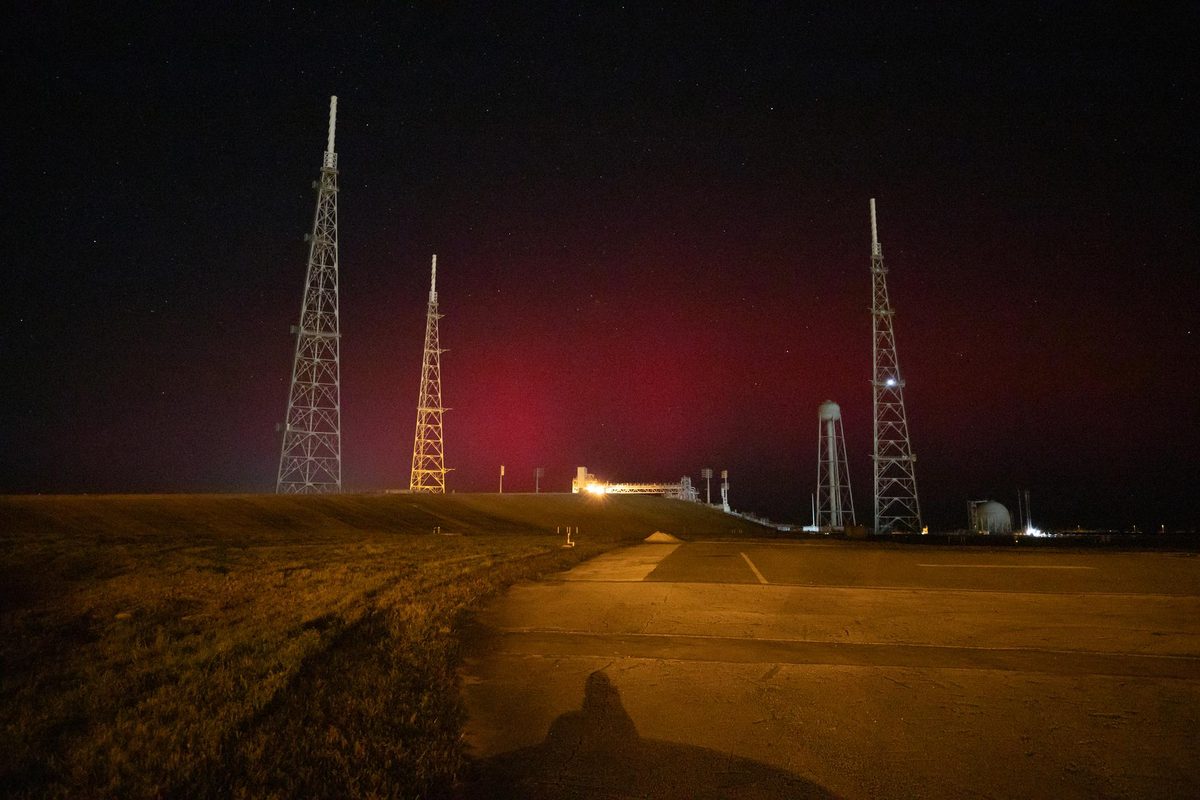
CMEs don't run on a train schedule. Arrival times can shift by hours, which can push the best window earlier or later. Strength matters even more, and it depends on the cloud’s magnetic orientation. Forecasters can't measure that until the CME passes monitoring spacecraft sunward of Earth, usually less than an hour before it hits. A storm forecast as G2 can come in weaker or stronger than predicted.
NOAA expects things to stay unsettled to active into and through Oct. 10, as a fast stream of solar wind from a coronal hole takes over.
Something else to watch (preliminary): NOAA’s Thursday forecast discussion also notes a C7.9 flare from sunspot Region 4549 on Oct. 7. A CME followed it. Early modeling shows part of that cloud heading for Earth, with arrival early on Oct. 11 (UTC). NOAA hasn't forecast a storm level for it yet, so treat it as a possibility, not a forecast.
So tonight is a maybe, but a good one. Clear skies, a dark spot, a view to the north, and a little patience are all you need. If the Sun cooperates, the light it sent on Tuesday will be glowing over the northern horizon by Friday morning.
No Ground. Stay curious.