 No Ground
Updated Nov. 13, 2026: Swift re-entered Earth’s atmosphere at 7:39 a.m. EST on Wednesday, Nov. 4, over the North Sumatra region of Indonesia, the U.S. Space Force confirmed, according to NASA. NASA expected most of the spacecraft to burn up. The original story, written before re-entry, follows.
For almost 22 years, a NASA spacecraft called Swift waited for the sky to explode. When it did, Swift turned to look, usually within about a minute.
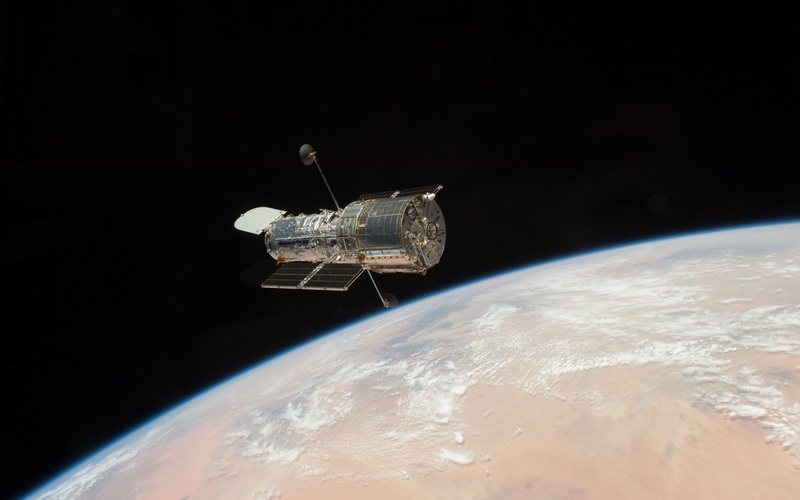
Then Swift came down. Its mission was over, and as of Nov. 2 NASA expected it to re-enter Earth’s atmosphere in the week of Nov. 2. Most of it was expected to burn up. Where any surviving pieces fell depended on exactly when it re-entered, NASA said, and that could not be chosen.
How it ended
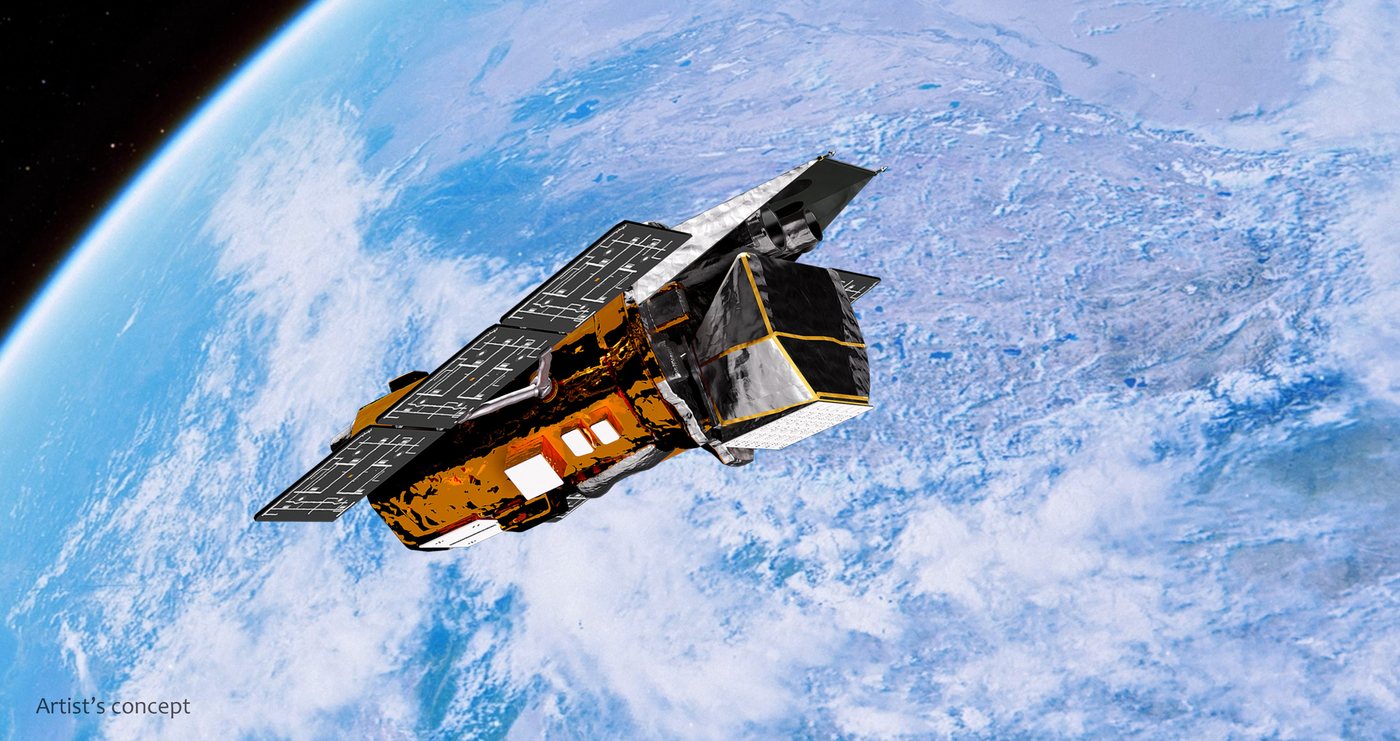
Every satellite in low Earth orbit feels a faint drag from the top of the atmosphere. Recent solar activity made that drag stronger for Swift, and the spacecraft began to sink rapidly, NASA says.
There was a rescue plan. A commercial spacecraft called LINK, from Katalyst Space, was meant to capture Swift and push it higher. In August, NASA and Katalyst said an attitude control problem with LINK meant it would not capture or boost Swift. The high-risk, fast-turnaround mission ended without an attempt to boost the observatory.
So Swift went back to work. It observed hundreds more targets, from the remains of exploded stars to comets in our own solar system. But science observations increased the drag, and it began to sink rapidly again.
On Oct. 20, Swift reached 171 miles (275 kilometers) above Earth. It could no longer cope with the drag and entered safe mode. That day it made its final observation. The operations team at Penn State then sent a command that effectively ended Swift’s operations, to prepare it for re-entry.
When and where
As of Monday, Nov. 2, the U.S. Space Force predicted Swift would re-enter at about 3:30 a.m. EST on Wednesday, Nov. 4, give or take 11 hours, NASA said. The Aerospace Corporation, which tracks falling spacecraft, gave a similar forecast as of Tuesday, Nov. 3: about 5:12 a.m. EST on Nov. 4, give or take 8 hours. Those were estimates, and NASA and the Space Force said they would keep updating them.
NASA expected most of the roughly 3,200-pound spacecraft to burn up, but some components were expected to survive. Swift’s orbit was only slightly tilted relative to the equator, so any surviving fragments would land between 20.6 degrees south and 20.6 degrees north latitude. NASA put the risk of harm to anyone on Earth at about 1 in 2,100 and called it unlikely.
Built to catch explosions
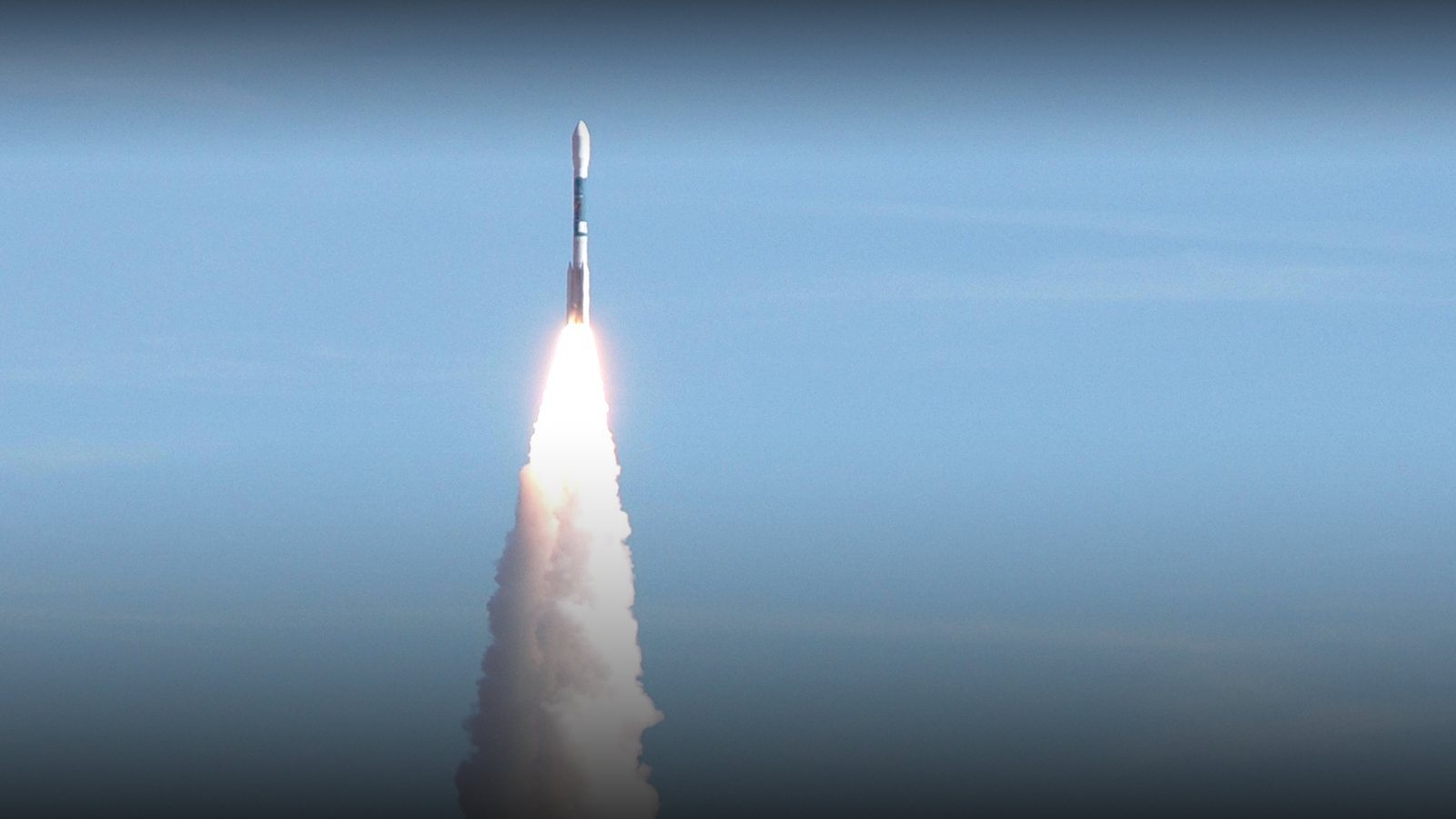
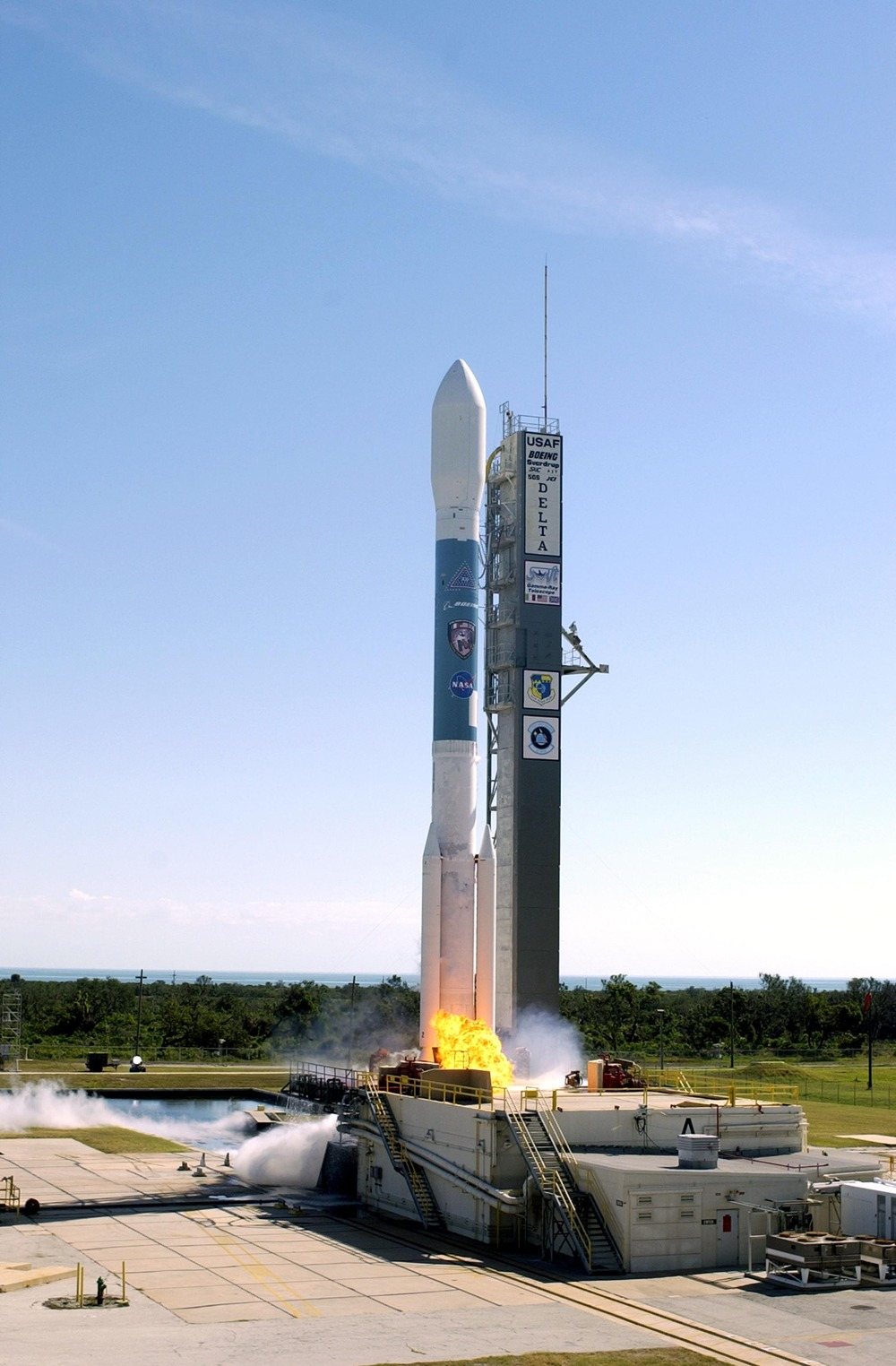
Swift launched on Nov. 20, 2004, on a Delta II rocket from Cape Canaveral, Florida, and went to work the following month. Its target was gamma-ray bursts, the most powerful explosions in the cosmos.
Explore your sky tonightLive sky map for where you are: planets, the ISS and bright stars above your horizon.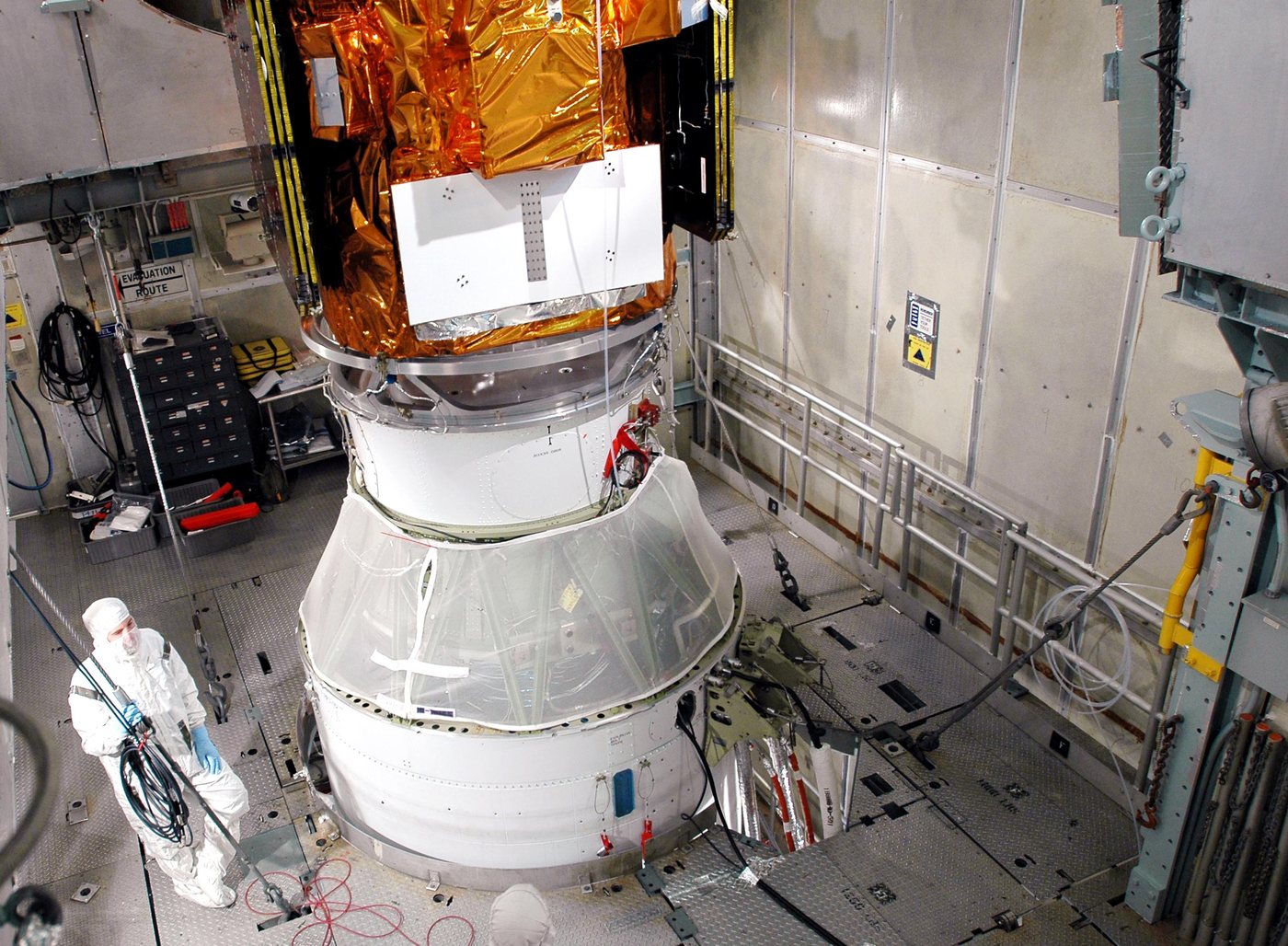
The bursts came and went so fast that no one could aim big telescopes at them in time. Swift was built to spot one, pin down its position, alert other observatories, and swing its own telescopes around before the afterglow faded. “This typically took Swift about a minute to do,” said S. Bradley Cenko, the mission’s principal investigator at NASA Goddard.
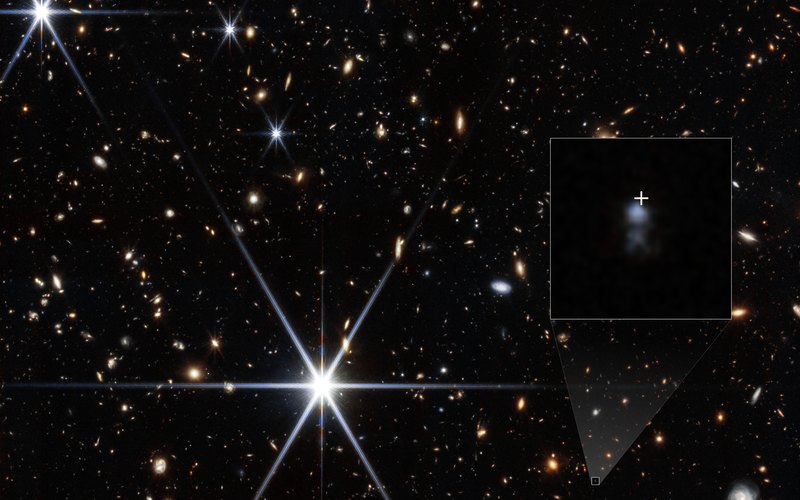
In May 2005, it caught GRB 050509B, a burst that lasted just 0.03 seconds. Swift turned fast enough to detect 11 X-ray photons, making it the first short burst with a detected afterglow. Those observations supported the idea that short bursts likely come from mergers of two neutron stars, objects with the mass of the Sun crushed to the size of a city.
Neil Gehrels’ observatory
The mission was led by its first principal investigator, Neil Gehrels. In 2018, following his death, NASA renamed it in his honor: the Neil Gehrels Swift Observatory.
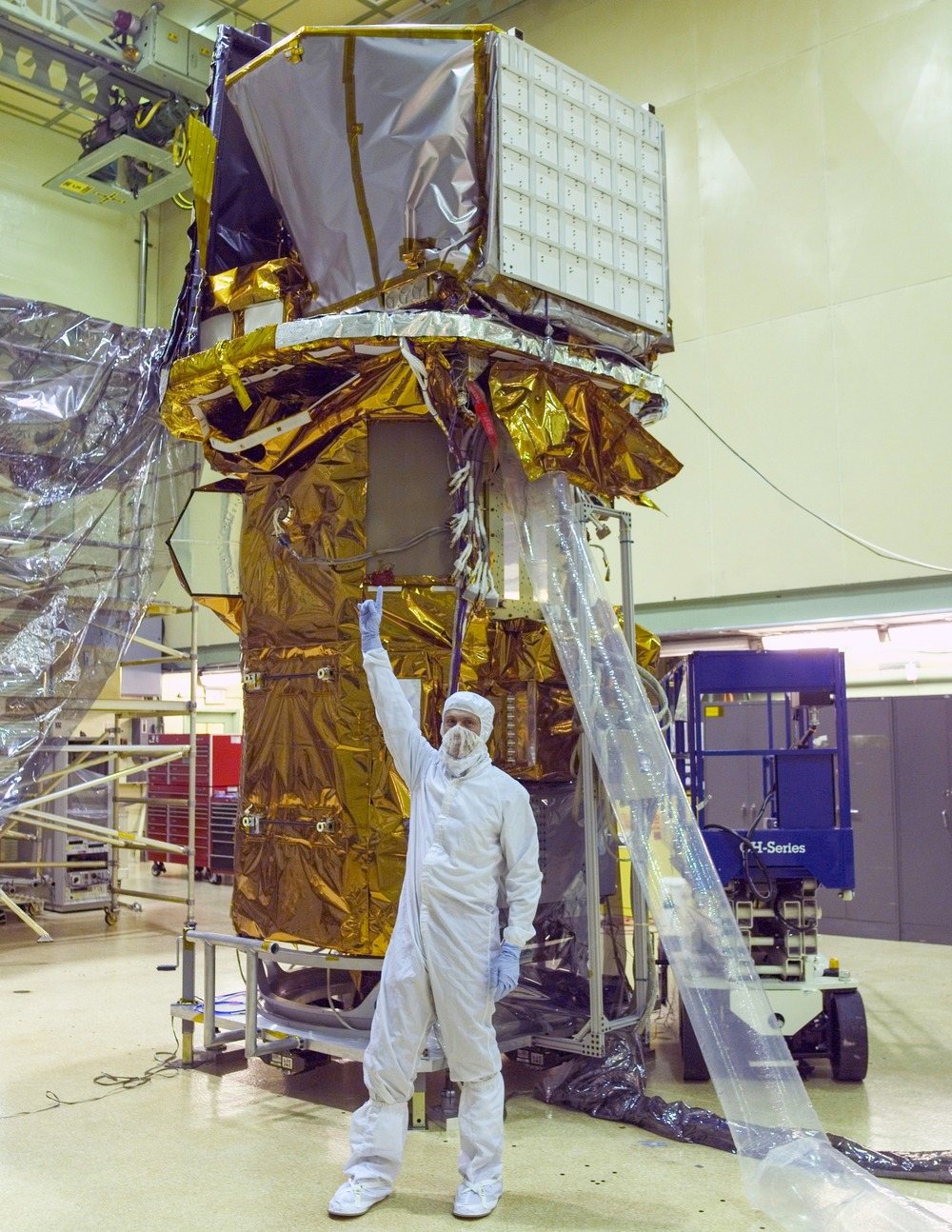
Swift was “designed for a two-year primary mission but productive for more than 10 times as long,” said Shawn Domagal-Goldman, director of NASA’s Astrophysics Division. It observed more than 2,000 gamma-ray bursts and more than 1,400 supernova explosions, witnessed stars shredded by black holes, and studied asteroids and comets. Its data has contributed to about 7,000 scientific papers, NASA says.
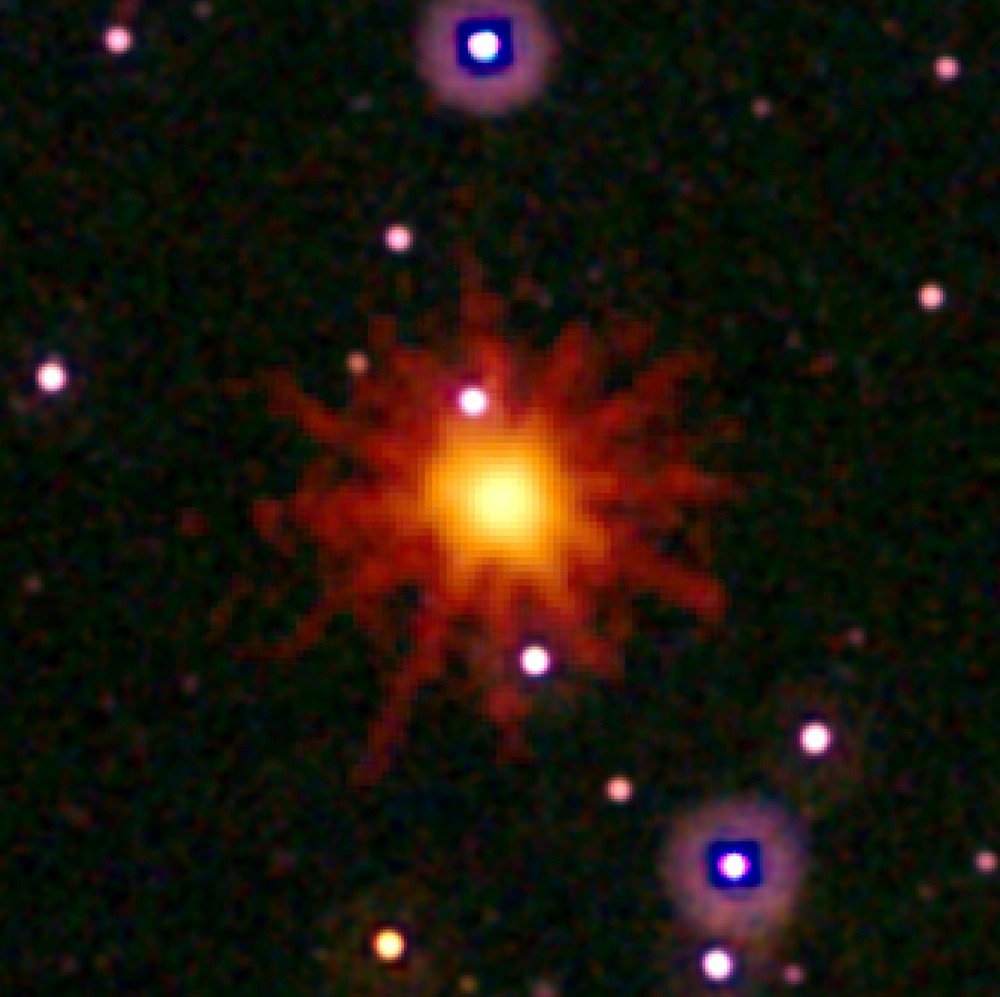
It left behind about 12 terabytes of public data, including more than 1.5 million images from its ultraviolet and optical telescope. Until new options arrive, NASA said it would use its other missions to help fill the gap in reacting quickly to sudden events in the sky.
Bottom line: Swift spent its life chasing explosions that were over in seconds. Its own ending was slower: a fall through the thin top of the atmosphere, expected in the week of Nov. 2 and confirmed at 7:39 a.m. EST on Nov. 4 over North Sumatra, Indonesia. Its archive stays behind.
Follow NO GROUND on Facebook.
No Ground. Stay curious.