 No Ground
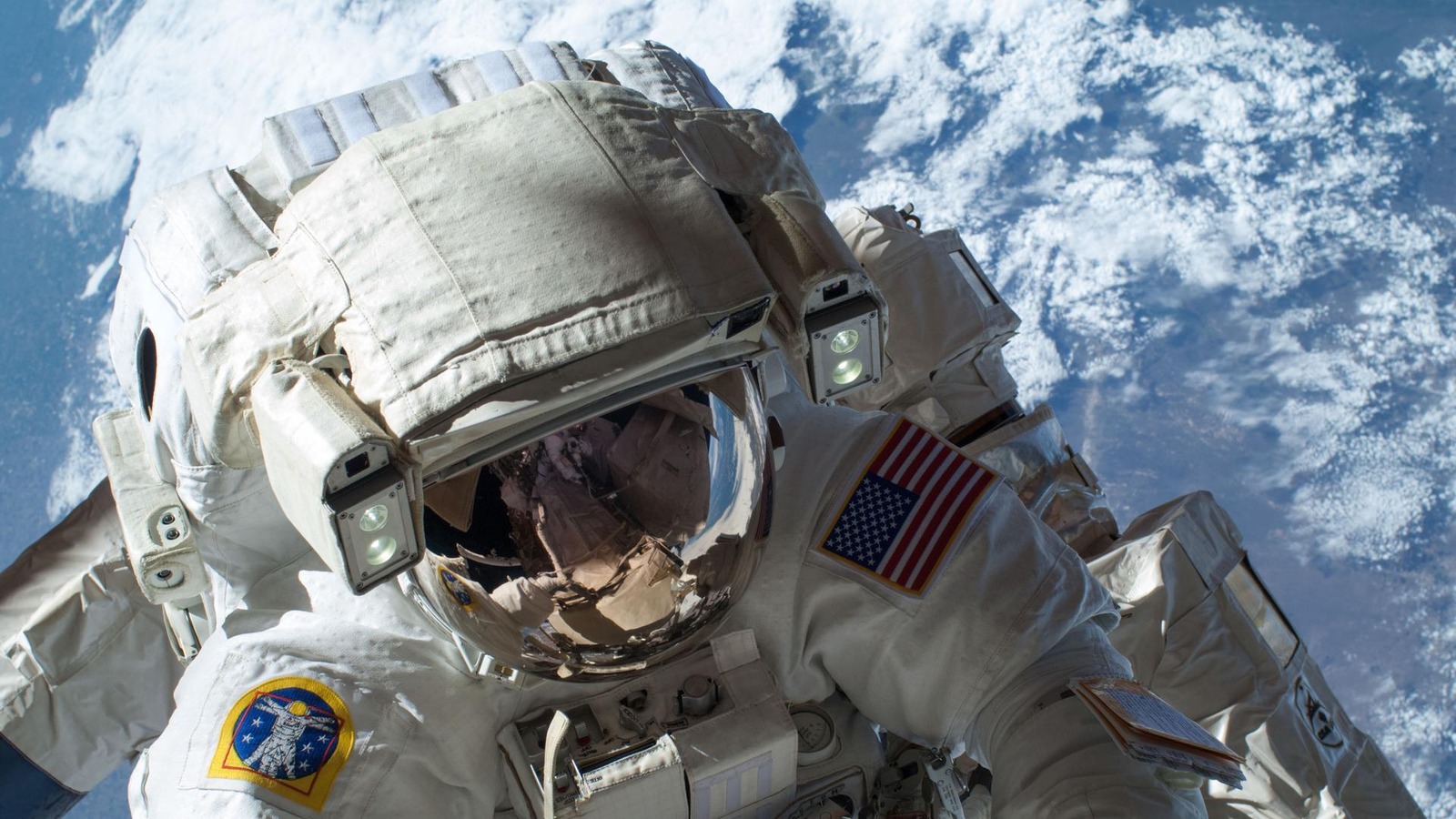
Ask how cold space is and you’ll usually hear one number: about −455°F. That’s real. But an astronaut floating outside the International Space Station can face 250°F on one side and −250°F on the other at the same moment. So which one is the temperature of space?
Both, kind of. The short answer: deep space, far from any star, sits at about 2.7 degrees above absolute zero. The longer answer is that space itself barely has a temperature at all. What matters is whether you’re in sunlight or in shadow.
The number: about −455°F
The whole universe is filled with faint leftover light from the Big Bang, called the cosmic microwave background. Over billions of years, as the universe expanded, that light cooled to about 2.7 kelvins, NASA says. That works out to roughly −455°F.
Absolute zero, the coldest anything can possibly be, is −459.67°F. So the background of the universe is only about 5 degrees Fahrenheit warmer than the coldest possible cold. Anything left alone in the dark between galaxies, far from every star, would slowly cool down to that temperature.
Why “space” doesn’t really have a temperature
Here’s the weird part. On Earth, temperature is about air: how fast its molecules are moving. Space is almost empty. There’s so little stuff out there that, as NASA’s Cosmicopia explains, the void itself has no temperature in the usual sense. When people say space is 2.7 kelvins, they mean the temperature of that leftover glow from the Big Bang.
No air also means heat can’t move the ways it does at home. There’s no wind to cool you and no warm air to heat you. Heat comes and goes only as light: sunlight hitting you, and your own heat radiating away. That’s the same reason a vacuum flask keeps coffee hot for hours. Empty space is a great insulator.
In sunlight, space is hot
Near Earth, sunlight is unfiltered and strong, so anything in it heats up fast while its shady side keeps losing heat into the dark. NASA builds spacesuits to handle temperatures from −250°F to 250°F for exactly that reason. The suits are white to bounce sunlight away, with heaters inside for the dark.
Explore your sky tonightLive sky map for where you are: planets, the ISS and bright stars above your horizon.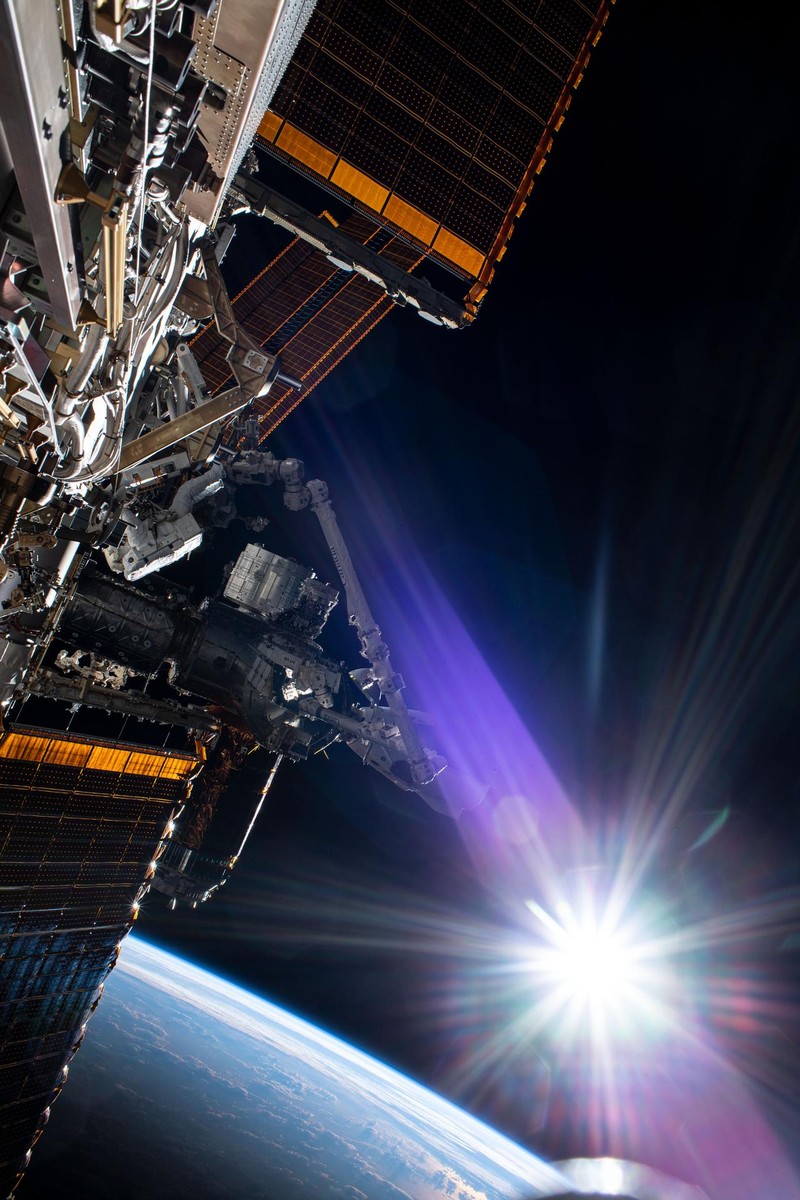
The James Webb Space Telescope shows how wild the split can be. Its tennis-court-sized sunshield has a sunny side that can reach about 230°F, while its coldest layer drops to about −394°F. The telescope sits in that shade, kept below about −370°F so its own warmth doesn’t blur the faint infrared light it’s looking for. One instrument, MIRI, gets an extra refrigerator to reach −447°F.
Closer to home: the Moon and Mercury
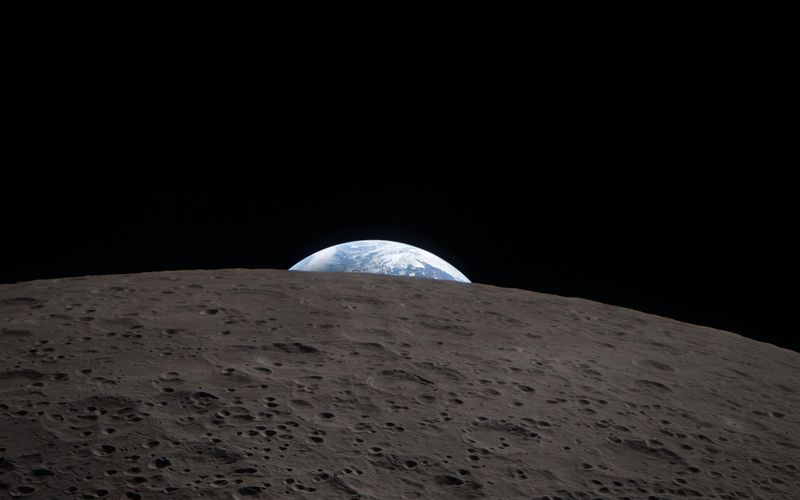
Worlds with no real air show the same thing. Near the Moon’s equator, the ground climbs past 250°F in daylight and drops to −208°F at night. Inside craters near the Moon’s poles that never see sunlight, NASA’s Lunar Reconnaissance Orbiter has measured temperatures below −410°F.
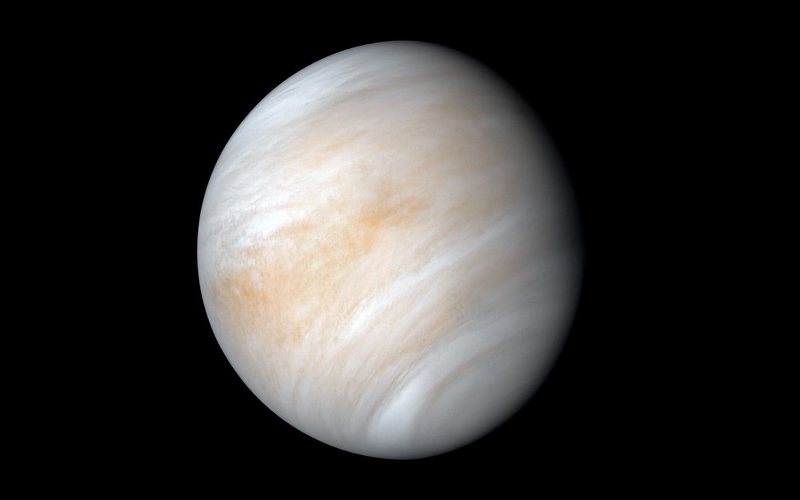
Mercury, the planet closest to the Sun, swings from about 840°F in the day to about −275°F at night. Being close to the Sun doesn’t keep you warm once the sunlight is gone.
The coldest place we know
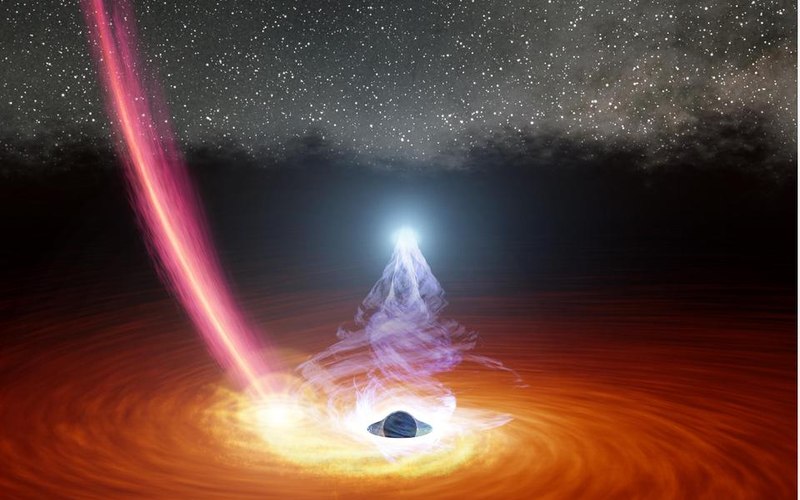
Here’s the strangest bit: one spot is colder than the background of space itself. The Boomerang Nebula, about 5,000 light-years away in the constellation Centaurus, has gas measured at about 1 kelvin, or −458°F. That’s colder than the faint afterglow of the Big Bang.
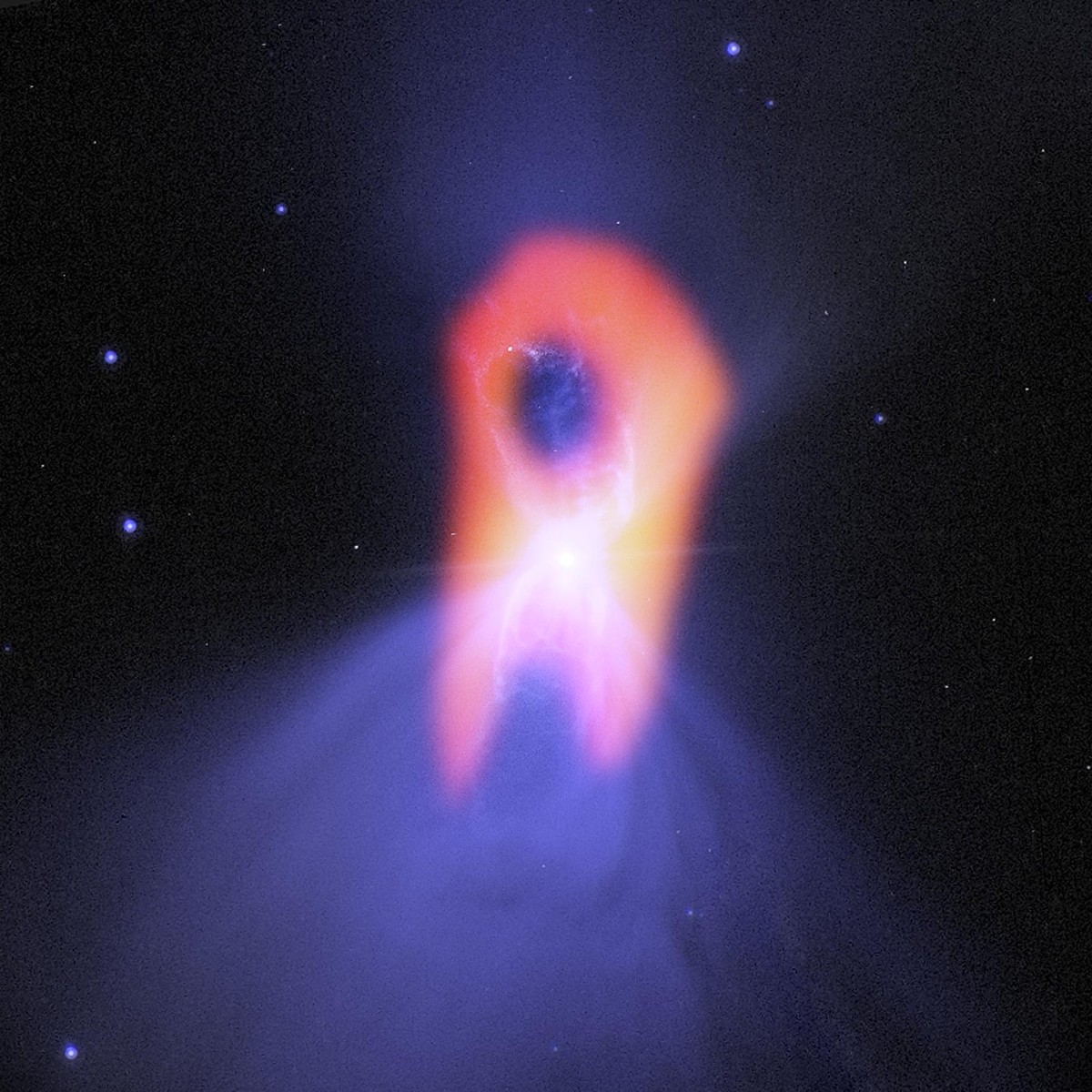
How does it get colder than space? A dying star there is blowing out gas so fast that the gas cools as it expands, like air rushing out of a spray can. NASA calls it a cosmic refrigerator. It’s the coldest natural place known.
Bottom line: Deep space is about 2.7 kelvins, roughly −455°F, set by the leftover glow of the Big Bang. But near a star, what you feel depends on sunlight: around Earth, the same astronaut can face about 250°F in the Sun and −250°F in the shade. And the coldest known spot, the Boomerang Nebula, is about −458°F, even colder than space itself.
No Ground. Stay curious.