 No Ground
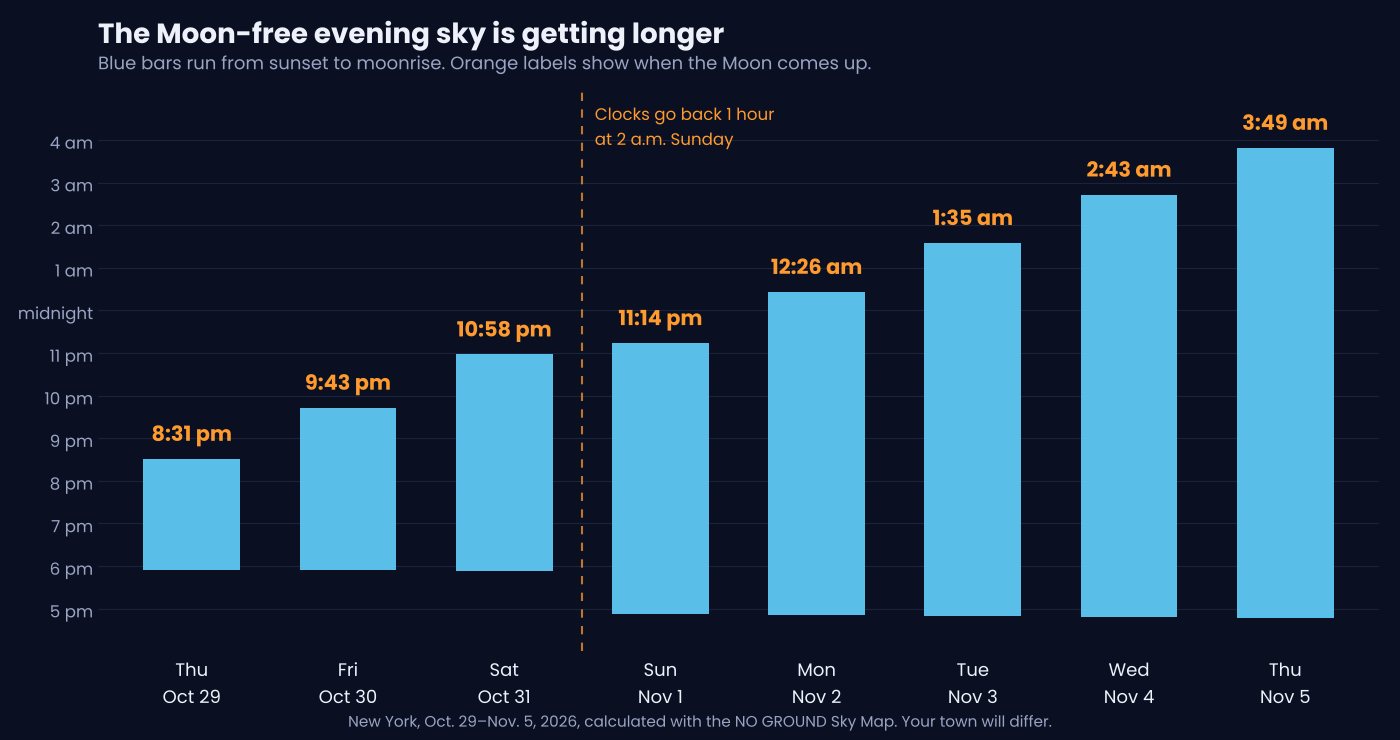
On Thursday, Oct. 29, the Moon came up at about 8:30 p.m. in New York, still around 80 percent lit, and its glare drowned out the fainter stars. A few nights later, by Monday, Nov. 2, it did not rise until after midnight, and the evening sky belonged to stargazers again.
The timing helps in another way. Clocks in most of the United States went back one hour at 2 a.m. on Sunday, Nov. 1. In New York, the sky was fully dark around 6:25 p.m. instead of 7:30, which meant you did not have to stay up late to see it.
The Moon leaves the evening
The Moon was full on Oct. 26. It reached its third quarter, half lit, on Sunday, Nov. 1, at 3:28 p.m. Eastern (20:28 UTC). The new Moon came on Nov. 9 at 2:02 a.m. Eastern (07:02 UTC).
In between, it rose later every night. In New York it came up around 8:30 on Thursday, Oct. 29, 9:45 on Friday, just before 11 on Halloween night, and 11:15 on Sunday, Nov. 1. Then it slipped past midnight: 12:26 a.m., 1:35 a.m. and 2:43 a.m. on the next three nights. The evenings stayed moonless through the new Moon on Nov. 9.
Saturn is the one to find
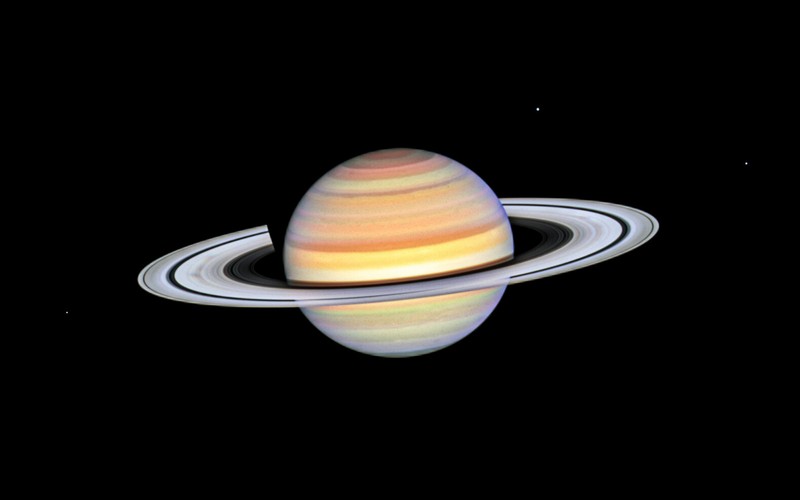
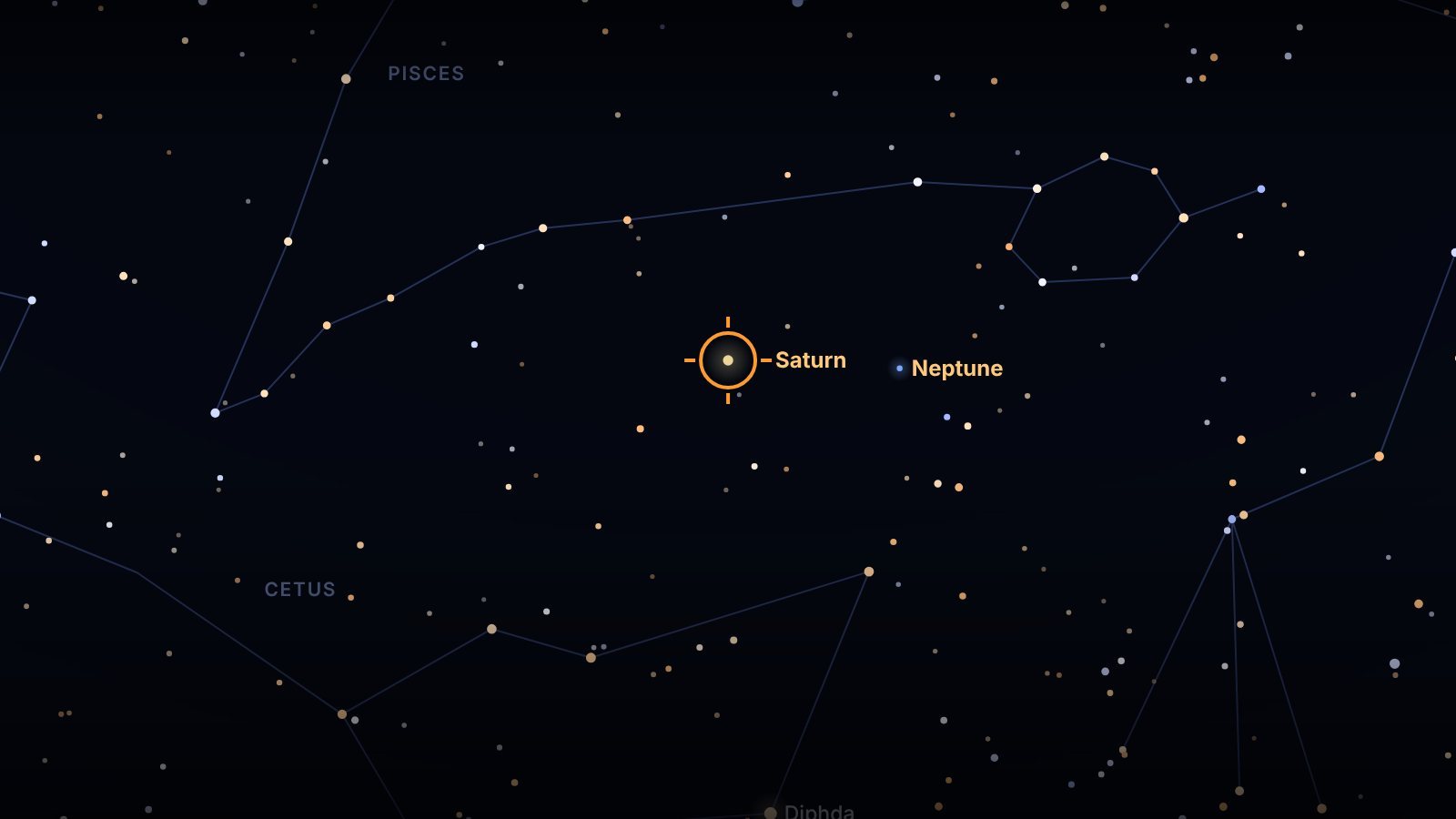
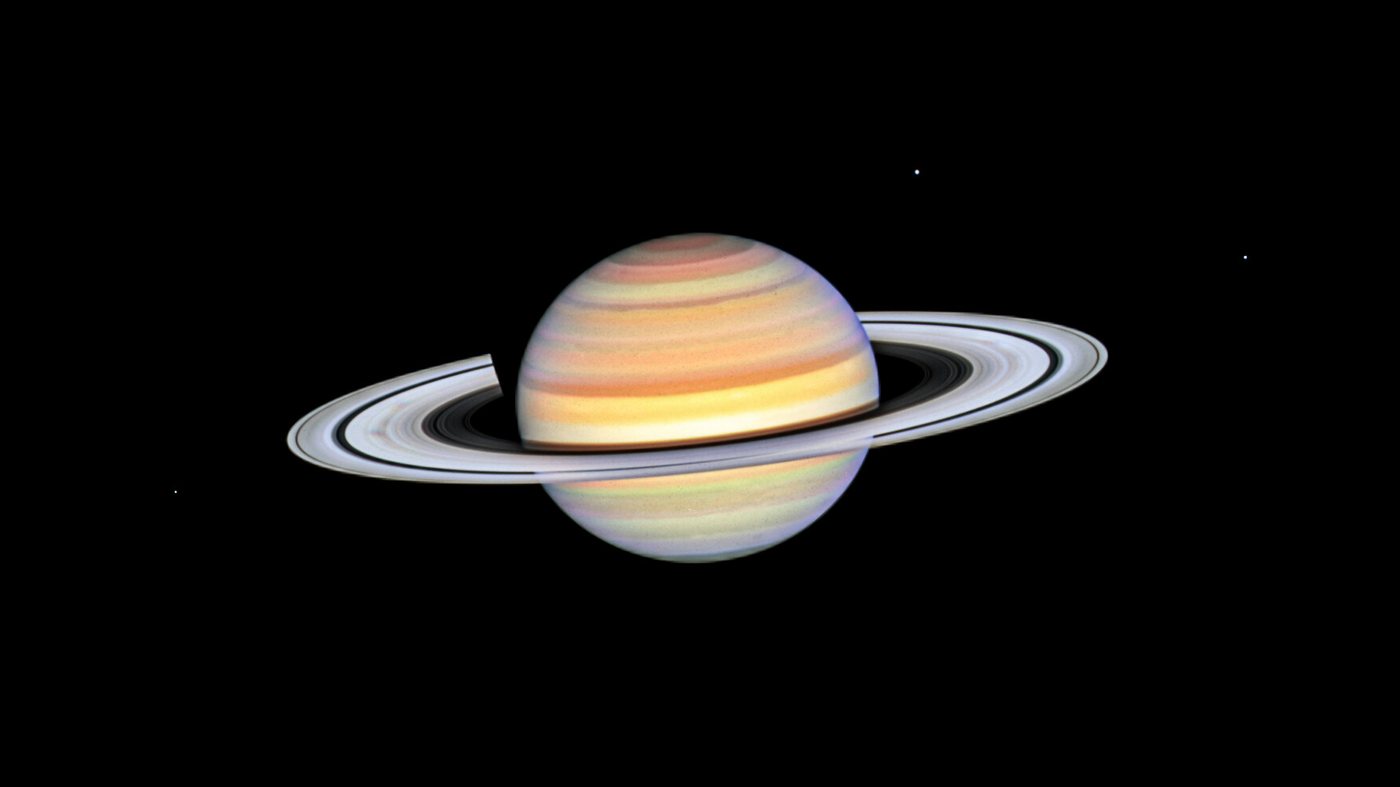
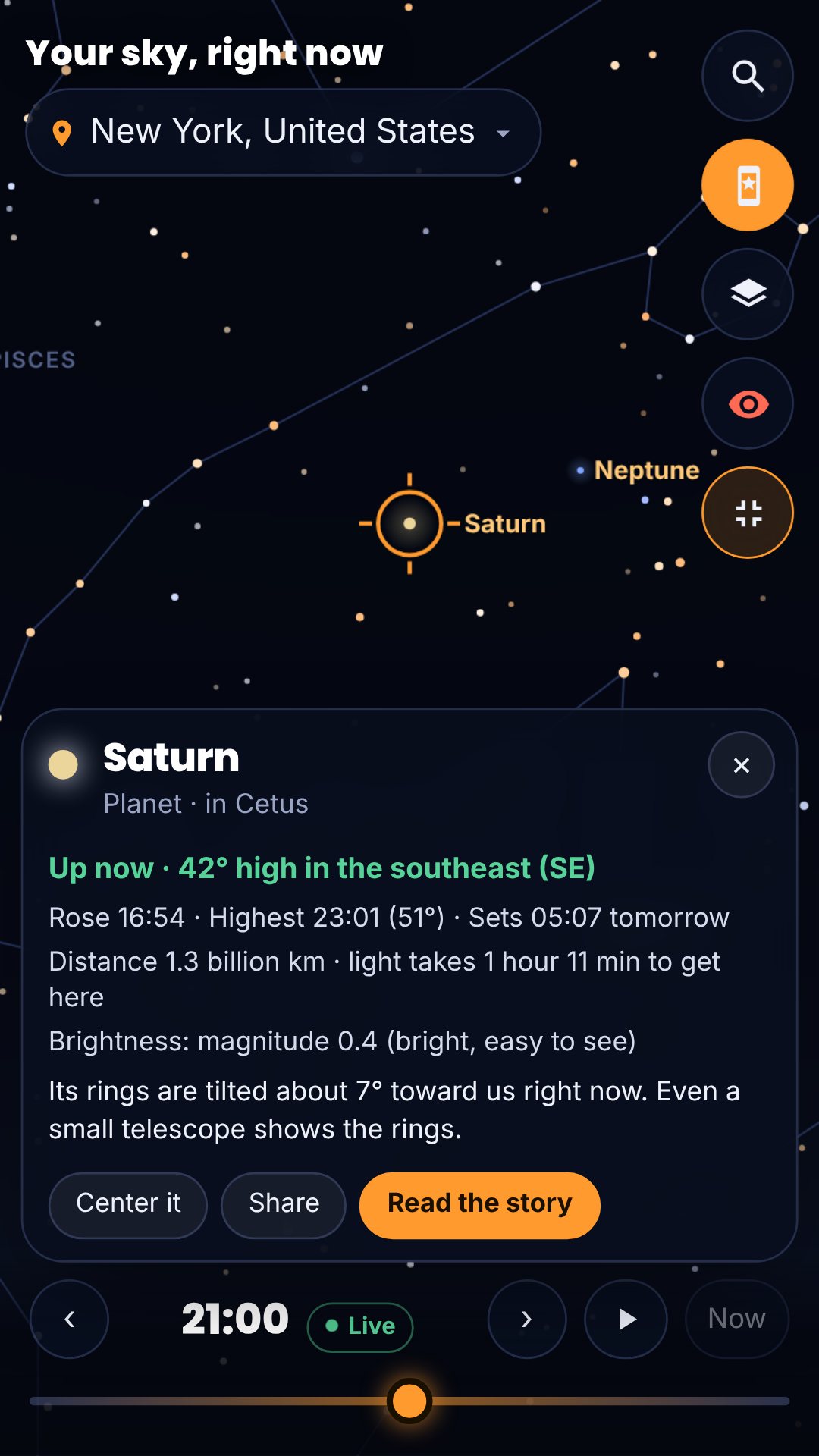
Look southeast after dark and find a bright, steady, golden point. That was Saturn. It reached opposition on Oct. 4, when Earth passed between it and the Sun, and in late October it was still about as close and bright as it gets all year. In New York it was already up by sunset and kept climbing through the evening, reaching about 50 degrees up in the south late at night.
Its rings were tilted about 7 degrees toward us, roughly a quarter of the most we ever see, so they looked thin. Steady 10x binoculars show an oval, not separate rings. A small telescope at about 25x shows them clearly.
A few shooting stars, no more
The Orionids peaked on Oct. 21–22, but the shower stayed active until about Nov. 7. The South Taurids peaked on Nov. 4–5, and the American Meteor Society put their rate at about five an hour at best, with the Moon only 18 percent lit that night. The Northern Taurids peaked a week later, on Nov. 11–12. The Leonids started on Nov. 6, with their peak due on Nov. 16–17.
Five an hour is the rate under a perfectly dark sky. From a town you may see one or two. Treat them as a bonus while you are outside looking at Saturn.
Find Saturn in your sky tonightLive sky map for where you are: when it rises and where to look.The morning shift
Jupiter and Mars were up before dawn. Jupiter, the brightest planet after Venus, was high in the east before sunrise, near Regulus in Leo. Fainter, redder Mars sat above it in early November. The two move closest together around Nov. 15.
Venus had slipped out of the evening sky. It returns as a bright morning planet in November, near the star Spica, and shines brightest on Nov. 29.
A map for all of it
We built a free sky map for this, and it is on NO GROUND. It works out where the Sun, Moon, planets and about 5,000 stars are for your place and time, right in your browser. Tap Saturn and it tells you when it rises, how high it climbs and which way to face. Slide the time forward to see how the sky turns through the night.
It asks for your location only if you tap “Use my location,” and it does not save or send it. If you do not tap, it makes a rough guess from your time zone and says so. Open Saturn on the map, or open the whole sky.
Bottom line: In the week after Oct. 29, the Moon stepped aside, the clocks went back, and the dark came early. Outside, facing southeast, the steady golden star was Saturn.
More from NO GROUND on the Facebook page.
No Ground. Stay curious.