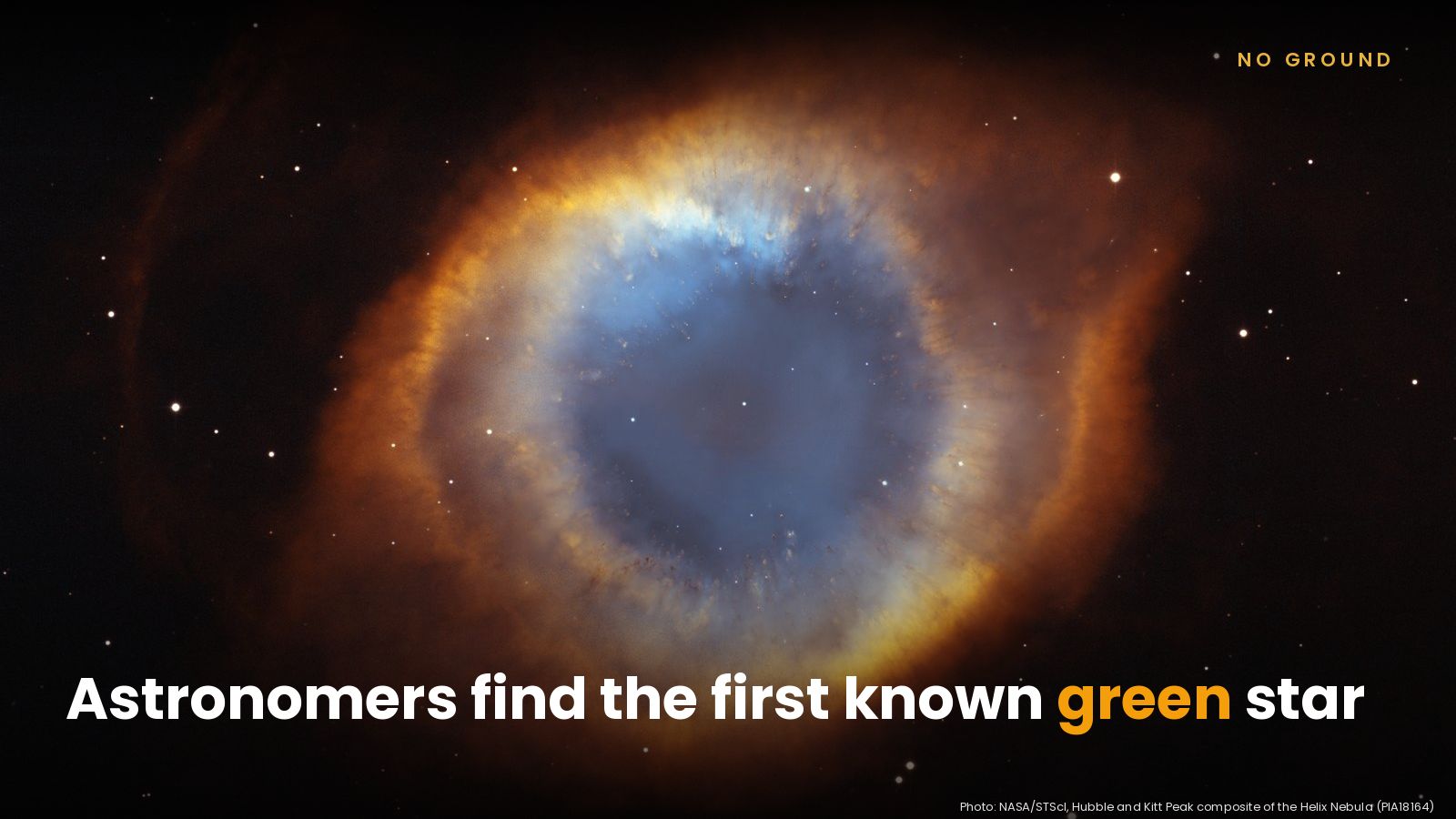
The first known green star sits about 280 light-years from Earth. You can’t see the color with your own eyes. Through a telescope it’s just a faint dot, so no one has ever seen its color directly. But a new study from the University of Warwick says that if you could get close enough to see its disk, the white dwarf WD J1330+6435 would look chartreuse green.
The paper, “Any colour you like: The diverse chromaticities of white dwarfs,” is published in the journal RAS Techniques and Instruments. Warwick announced it on Oct. 15. As far as the researchers know, “no other star, living or dead, has ever been credibly reported as green, making this the first known genuinely green star in the Galaxy.”
Which star is green?
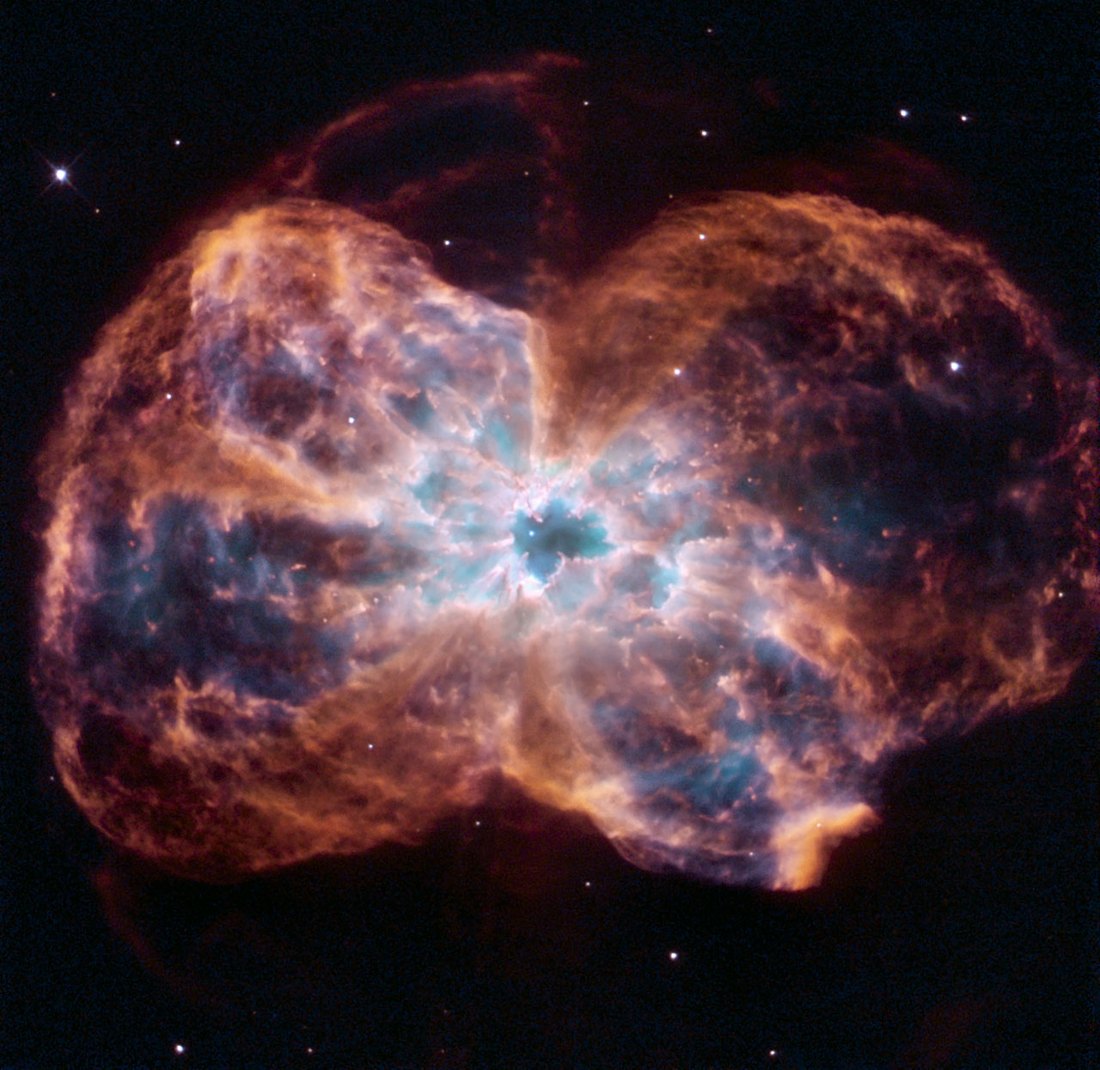
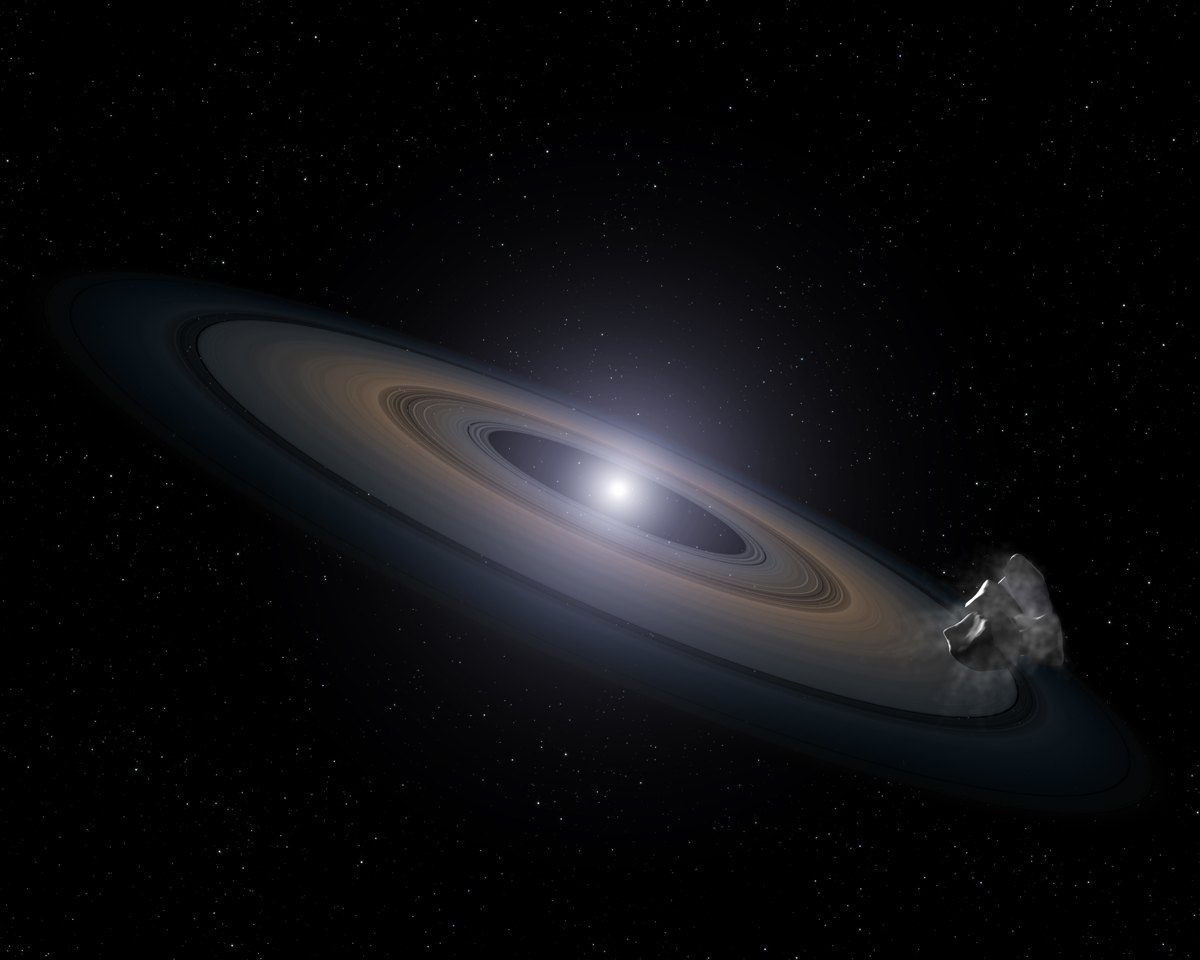
WD J1330+6435 is a cool white dwarf, the dense leftover core of a dead star. Warwick says it is roughly 4,000 degrees Celsius. It has also swallowed rocky material from its old planetary system, which added calcium, lithium and sodium to its atmosphere.
The same Warwick-led team analyzed the star in a 2021 Nature Astronomy paper. There they spotted lithium in its spectrum from the Sloan Digital Sky Survey (SDSS) and put it 87 ± 7 parsecs away. That’s about 280 light-years.
Why does it look green?
Most stars glow like “perfect radiators,” so temperature sets their color: cooler stars look orange, Sun-like stars white, and the hottest pale blue. White dwarfs can break that rule because their atmospheres are extremely dense. The coolest ones reach about 1 gram per cubic centimeter, roughly the density of water. Under that pressure, trace elements absorb light across a much wider range of colors than usual.
In WD J1330+6435, sodium absorbs orange light and calcium absorbs violet. According to the paper, that leaves the star’s light peaking around 500 nanometers, in the green.
“The traces of sodium in the atmosphere of this white dwarf absorb the orange part of the spectrum, leaving behind a ghostly green glow. Imagine standing on a planet and looking up at a green star. It feels like something out of science fiction.” — Dr. Mark Hollands, University of Warwick, who led the work
How did astronomers find it?
Nobody photographed it in green. The team worked out each star’s color from its spectrum, its light split up by wavelength. They ran those spectra through a model of human color vision. For cool stars like this one, they used observed SDSS spectra.
The paper adds a caveat: the star’s spectrum is “somewhat noisy,” so its exact shade “may differ slightly in reality.” The team’s older 2021 model of the star gave a similar hue, which the authors say gives them confidence that it really is green. Two other white dwarfs in the study, WD J0851+1543 and WD J1351+2645, also come out green, but much paler.
Pink, yellow and the reddest star yet
Green isn’t the only surprise. Carbon-rich white dwarfs tend toward pink or purple, while those polluted by asteroid and comet debris lean yellow. The team says WD J1011+2845, 48 light-years away, may be the reddest star ever recorded. Its glow is a deep salmon pink.
Among the 151 white dwarfs within about 65 light-years of Earth, five had unusual colors: two yellow and three pink. That suggests roughly one in 30 white dwarfs shines in an odd color. The rest came out white, with a median color temperature of about 6,800 kelvin. That corrects a common belief that white dwarfs are usually blue. Hot blue ones are brighter, so surveys see more of them.
“One in thirty might not sound like a huge fraction, but across the entire population of white dwarfs in the Universe, that is still a lot of oddly coloured stars out there.” — Professor Boris Gänsicke, University of Warwick
What’s confirmed and what isn’t
- Confirmed: the peer-reviewed paper, its authors (Mark A. Hollands, Boris T. Gänsicke, Pier-Emmanuel Tremblay and Detlev Koester), the star’s name, its roughly 4,000°C temperature, and its sodium-, calcium- and lithium-rich atmosphere.
- Modeled, not seen: the green color is calculated from the star’s spectrum. No one has seen it by eye.
- Distance: 87 ± 7 parsecs (about 280 light-years), from the team’s 2021 Nature Astronomy paper. The new release doesn’t give a distance.
No Ground. Stay curious.