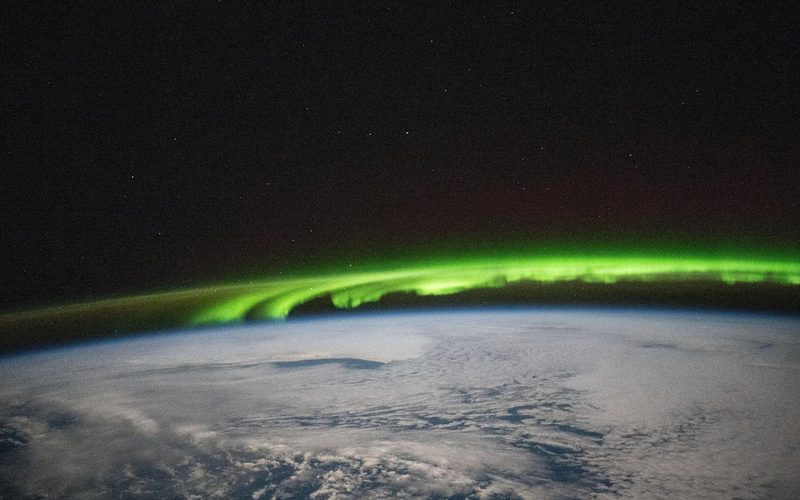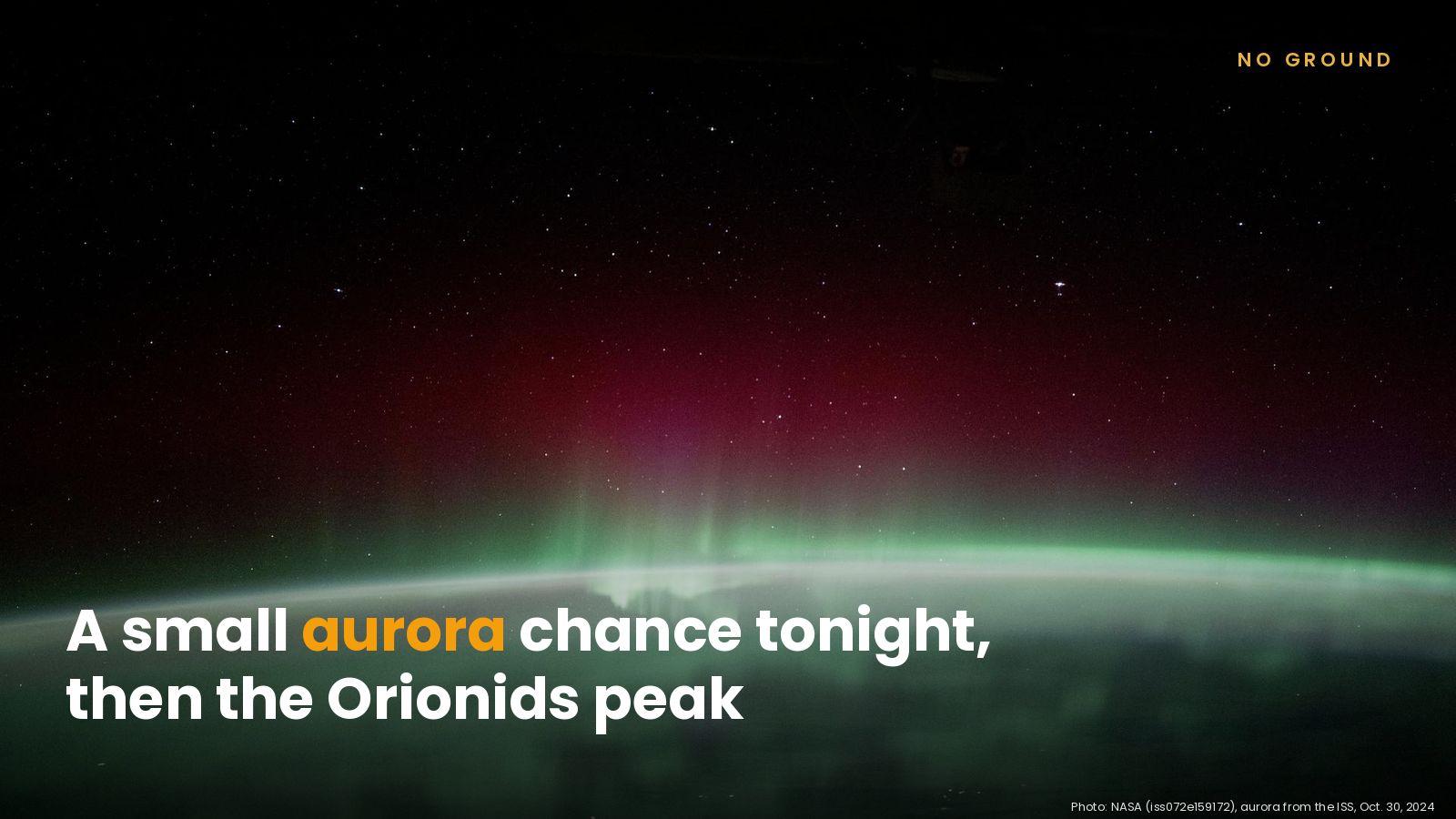
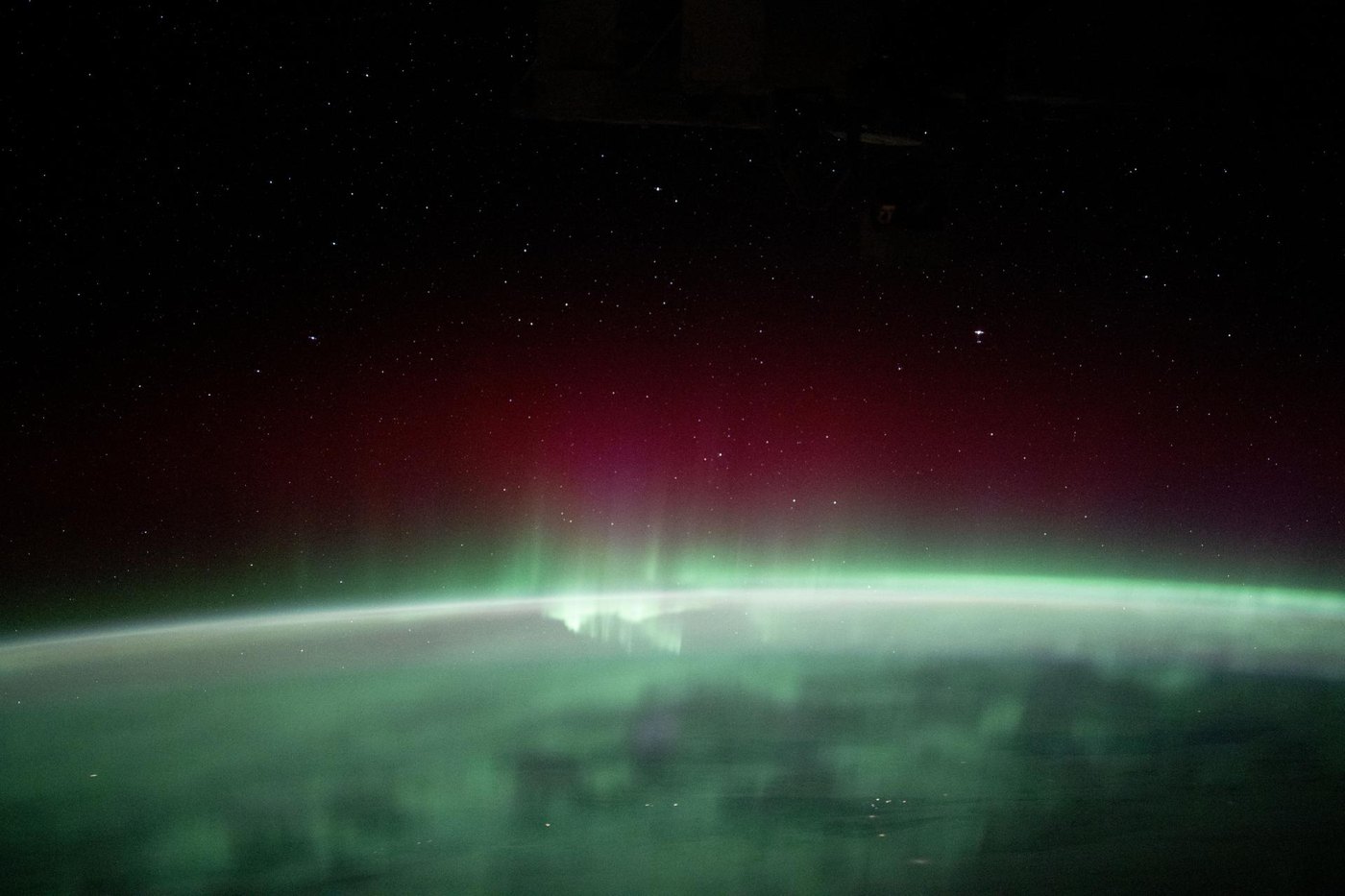
Two sky shows are lined up this week, but keep your expectations modest. NOAA has a minor (G1) geomagnetic storm watch for tonight, Tuesday, Oct. 20, so the northern lights could reach high latitudes. Then the Orionid meteor shower, made of bits of Halley’s Comet, peaks on the night of Oct. 21–22.
Aurora watch tonight: what NOAA forecasts
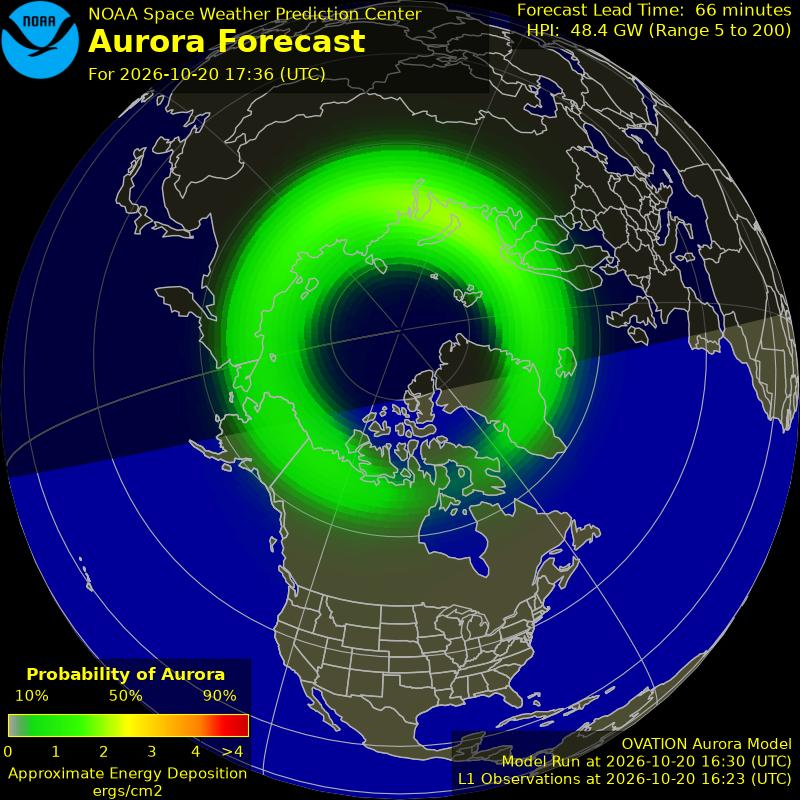
NOAA’s Space Weather Prediction Center (SWPC) says G1 (Minor) storming “is likely 20 Oct due to positive polarity coronal hole high speed stream effects.” A coronal hole is an open patch in the Sun’s outer atmosphere, and it lets out a faster stream of solar wind.
- Peak forecast: Kp 4.67 (that counts as G1) between 5 and 8 p.m. ET tonight, according to SWPC’s three-day forecast issued at 8:30 a.m. ET today.
- Later tonight: Kp 3.33 from 8 to 11 p.m. ET and 3.67 from 11 p.m. to 2 a.m. ET. That’s active, but below storm level.
- Oct. 21–22: below storm levels.
Who might see the northern lights?
Probably not most of us. In NOAA’s official scale, a G1 storm means aurora “is commonly visible at high latitudes (northern Michigan and Maine).” So the best chances are in Canada, Alaska and maybe the very northern tier of the U.S., under dark, clear skies.
Two honest caveats:
- Forecasts miss. NOAA’s G1 watch also predicted minor storming for Oct. 19, and it didn’t happen. The highest Kp observed in the 24 hours before this morning’s forecast was only 2.
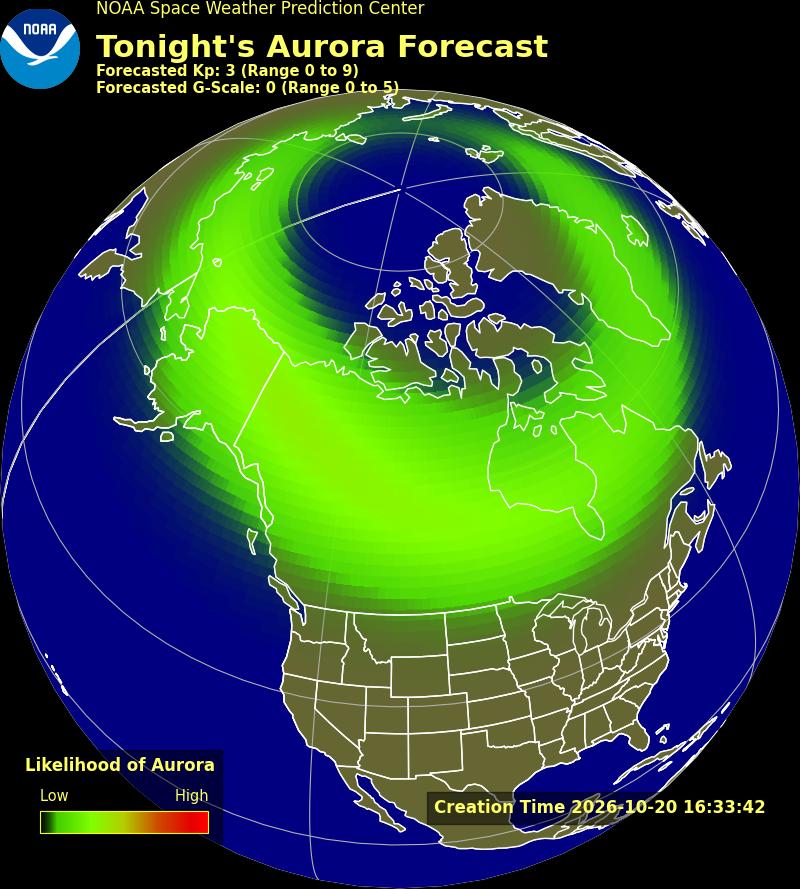
- NOAA’s own tools disagree a little. SWPC’s experimental “Tonight’s Aurora Forecast” map, created at 12:33 p.m. ET, listed a forecast Kp of 3 and a G-scale of 0. Things can change quickly, so check again this evening.
New to Kp and G-scales? Our guide to reading space weather alerts explains what the numbers mean.
Orionid meteor shower 2026: peak night Oct. 21–22
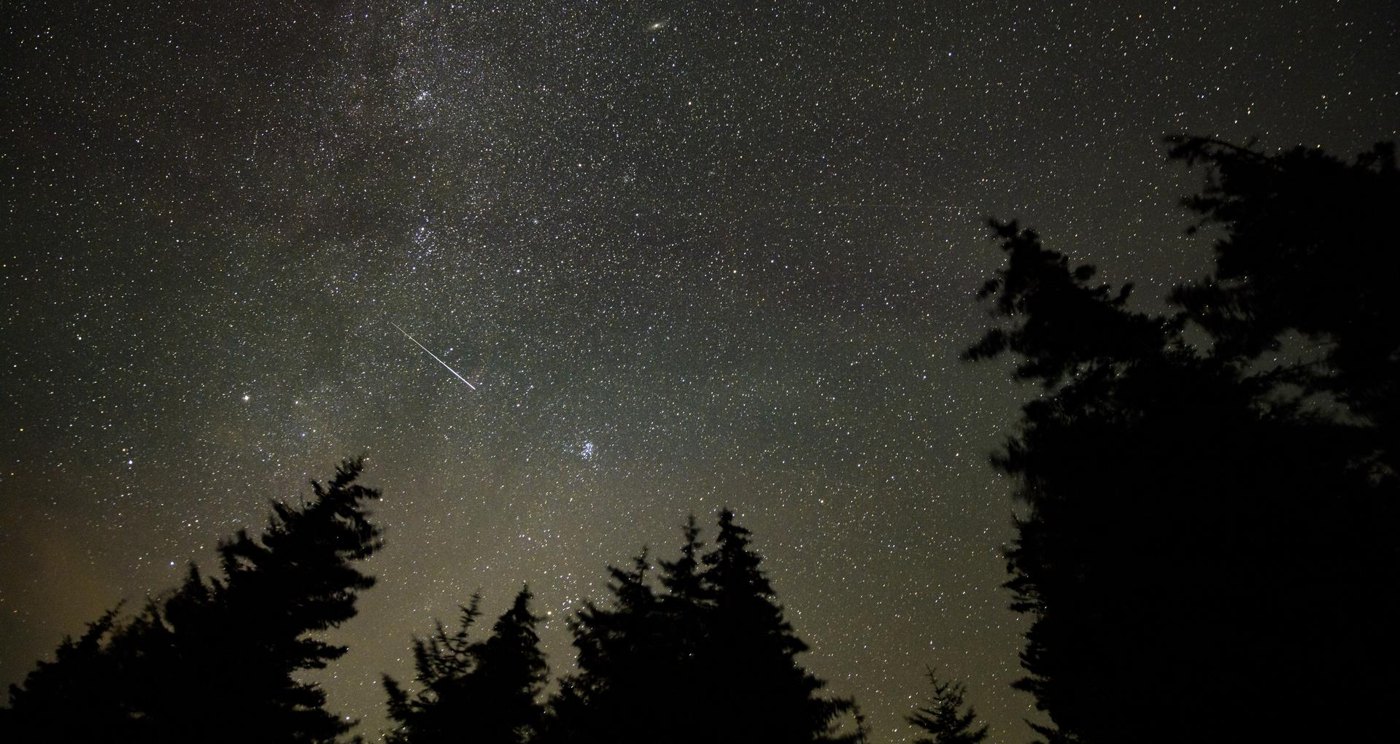
NASA lists the Orionids’ peak night as Oct. 21–22. Under dark skies you can expect about 10 to 20 meteors per hour. The shower runs from Oct. 2 to Nov. 7, so you’ll catch a few on other nights too.
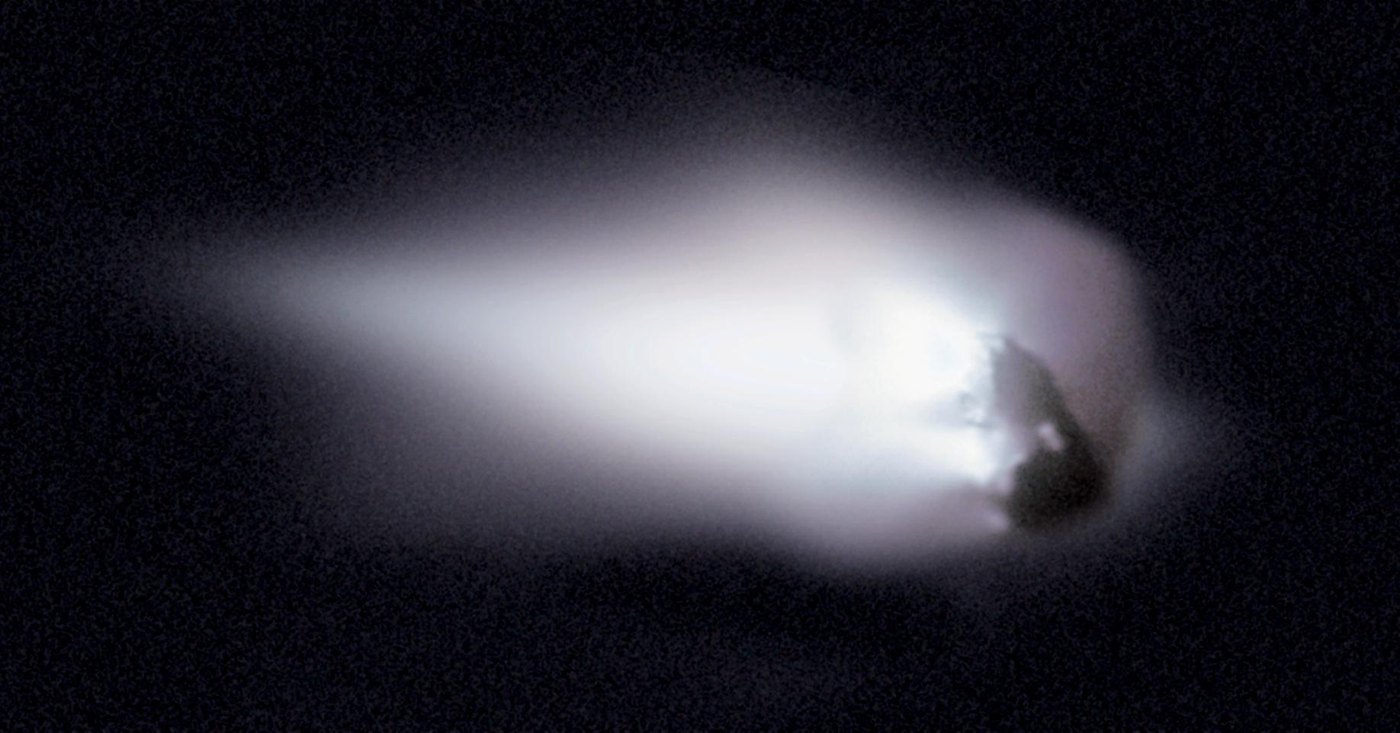
- Where they come from: debris from Halley’s Comet (1P/Halley), NASA says.
- Where to look: the meteors seem to come from a point just north of Betelgeuse, the bright star in Orion. They can show up anywhere in the sky.
- How fast: about 41 miles (66 km) per second, NASA says. Fast meteors can leave glowing trails.
- Best time: the dark hours before dawn.
Viewing tips for tonight and the Orionids
- Get away from lights. City glow hides faint aurora and faint meteors.
- Face north for aurora and look low on the horizon. A weak aurora can look like a pale grey-green glow, and a phone camera often picks it up better than your eyes.
- For meteors, look up at a wide patch of sky. You don’t have to stare at Orion.
- Give your eyes time to adjust to the dark, and skip the bright phone screen.
- Check the clouds. No forecast helps if the sky is overcast.
- Re-check SWPC this evening. Space weather forecasts update through the day.
We’ll keep an eye on the forecast. No Ground. Stay curious.