On 30 September 2026, the European Space Agency announced that Smile — the Solar wind Magnetosphere Ionosphere Link Explorer — is approved to begin science operations. The joint European–Chinese spacecraft had been declared ready on 23 September, after months of commissioning in orbit.
Smile launched on 19 May and reached its target science orbit on 20 June. Between arrival and the green light, European and Chinese teams deployed mechanisms, switched on units, checked every communications path, and worked through issues that only appear once a craft is flying.
Science ops are not a finish line. They are the start of watching Earth talk back to the Sun.
Four instruments, one question
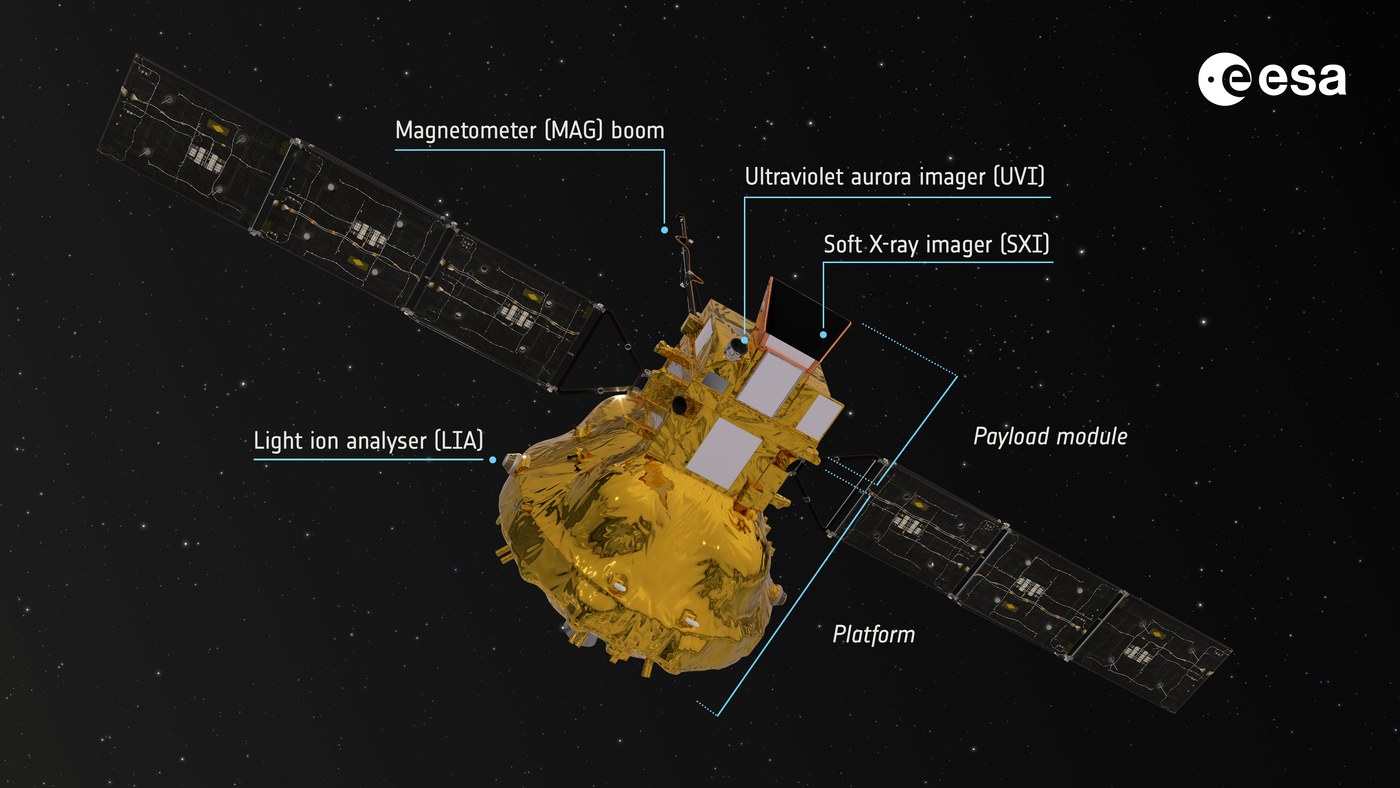
Smile carries four science instruments: the soft X-ray imager (SXI), the ultraviolet aurora imager (UVI), a magnetometer (MAG), and a light ion analyser (LIA). Together they are meant to show how solar storms and geomagnetic storms form — how charged particles from the Sun meet Earth’s magnetic field, light the auroras, and can stress electronics on and around the planet.
The mission is a partnership between ESA and the Chinese Academy of Sciences (CAS). ESA provides the payload module, the SXI instrument, the launcher, and assembly and test facilities; it also contributes to UVI and mission operations. CAS provides the other three instruments and the spacecraft platform, and leads operations in orbit.
Aurora in ultraviolet
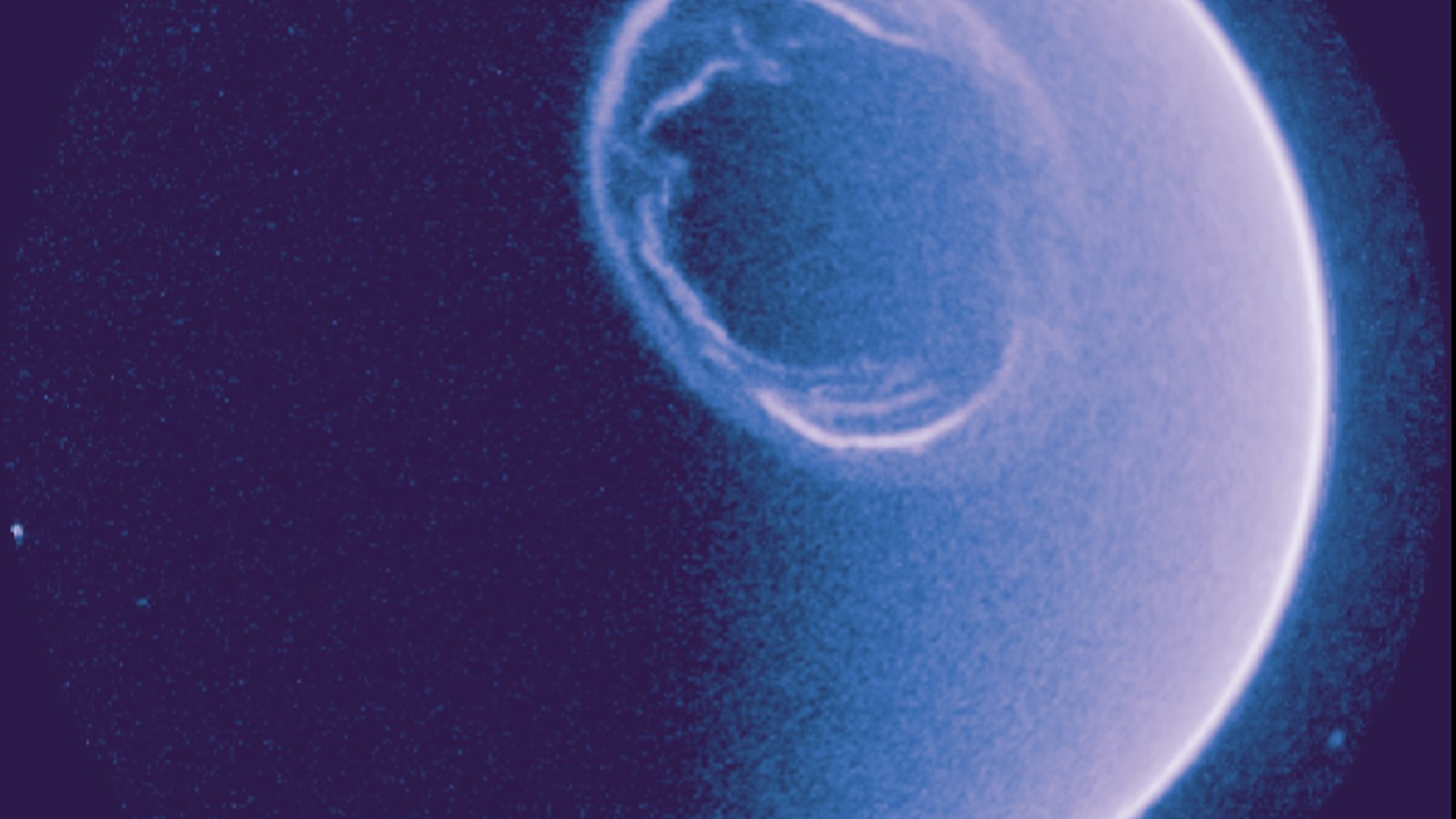
During commissioning, UVI delivered the first footage ESA has released from the camera: the full ring of northern lights around the North Pole in ultraviolet light — the first such full-ring UV view since 2008. UVI is now recording auroras for a record-breaking 45 hours at a time.
That footage was taken on 24 July 2026, about two weeks after UVI was switched on. It shows activity in the auroral ring driven by a disturbance in Earth’s magnetic field when a rush of solar wind particles arrived.
“Smile is now approved to begin science operations,” said Professor Carole Mundell, ESA Director of Science, in ESA’s announcement. “This is a very important milestone — a true pleasure to announce — and I am sure our excellent collaboration will deliver ground-breaking data to scientists around the world.”
SXI: working, with a stray-light puzzle
Smile’s soft X-ray imager — a key European contribution — has also been switched on and has taken first images. Early test frames pointed at distant supernova remnants (including Cassiopeia A) to confirm the camera behaves as expected.
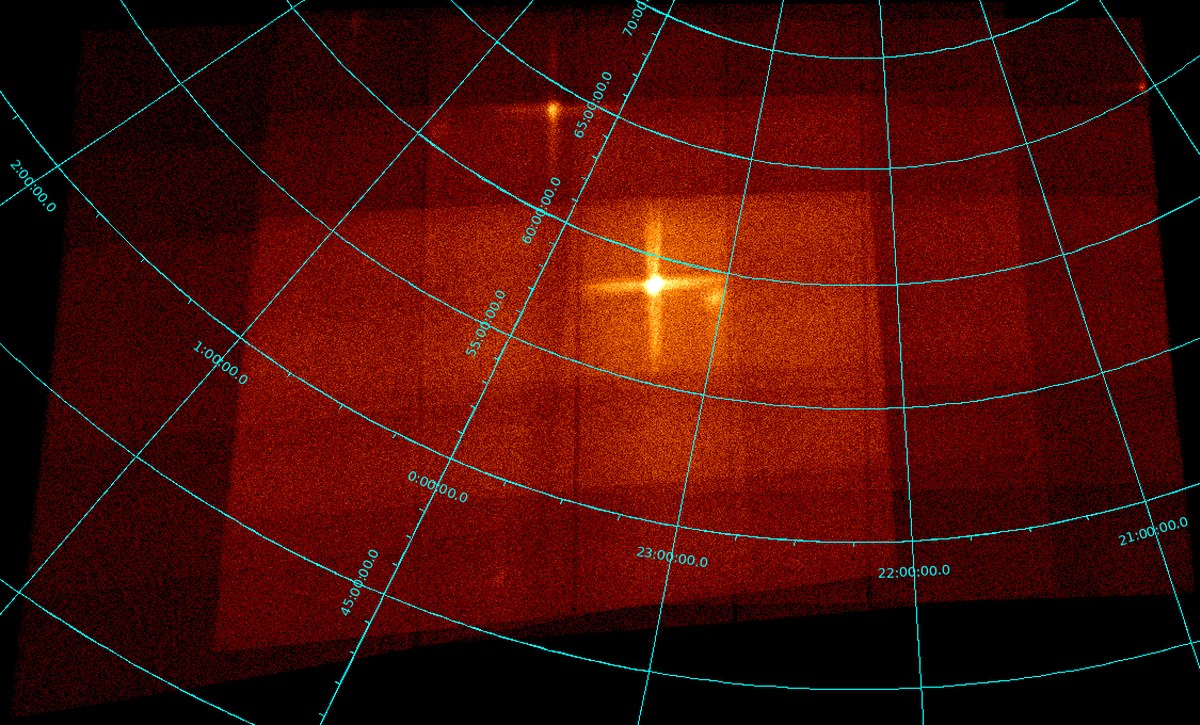
Pointed toward Earth, though, SXI currently sees too much unwanted stray light. Teams are changing settings and uploading software updates; the instrument’s design can be adjusted remotely. As Smile’s pointing moves farther from Earth and northern winter reduces polar light, the unwanted glow is falling naturally and is due to reach a minimum in mid-October — when SXI could take its first good image of the magnetopause or the northern polar cusp.
Until then, the mission’s quieter instruments are already listening. The solar wind keeps arriving. Earth’s magnetic field keeps answering. Smile is finally cleared to watch.
No Ground. Stay curious.