 No Ground
Around a young star called Beta Pictoris, the James Webb Space Telescope has finally found something astronomers were sure had to be there: ice. Lots of it, spread through the star’s huge disk of dust and rubble.
The surprise is what kind of ice it is. It’s glassy, not crystal, and it’s mixed with frozen carbon dioxide in about the same recipe as the comets in our own solar system. The team thinks it most likely froze out in deep space, in the cold cloud the star was born from, before Beta Pictoris and its planets existed.
The study, led by Sarah Betti of the Space Telescope Science Institute in Baltimore, was published Nov. 12, 2026, in the journal Science.
A star still building planets
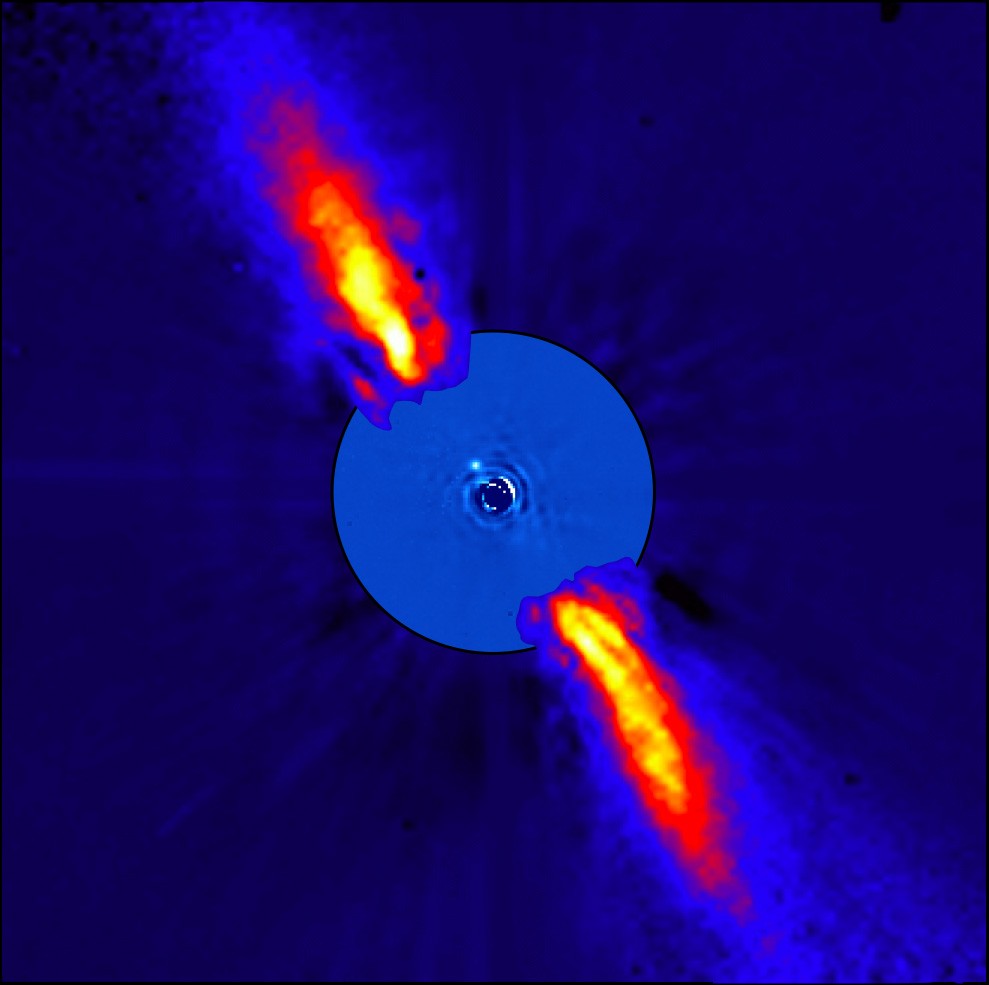
Beta Pictoris is about 64 light-years away, roughly 376 trillion miles. It’s only about 20 million years old, a baby next to our 4.6-billion-year-old Sun. Its disk was one of the first ever photographed around another star, back in 1984, and we see it almost perfectly edge-on, like a dinner plate held sideways.
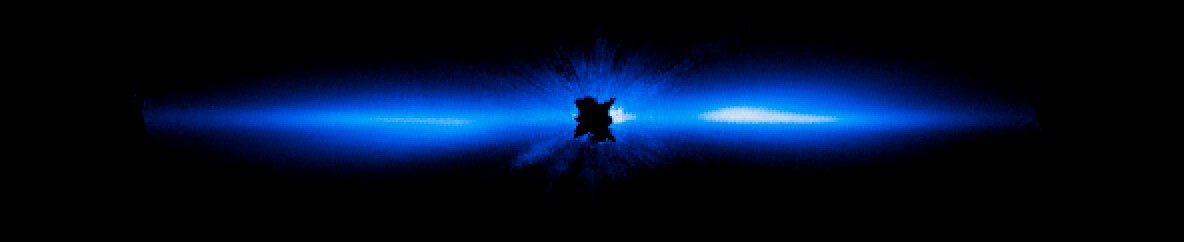
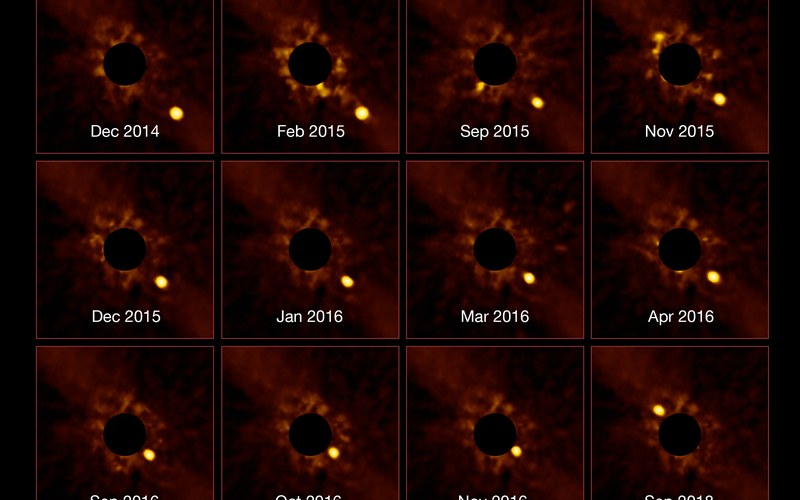
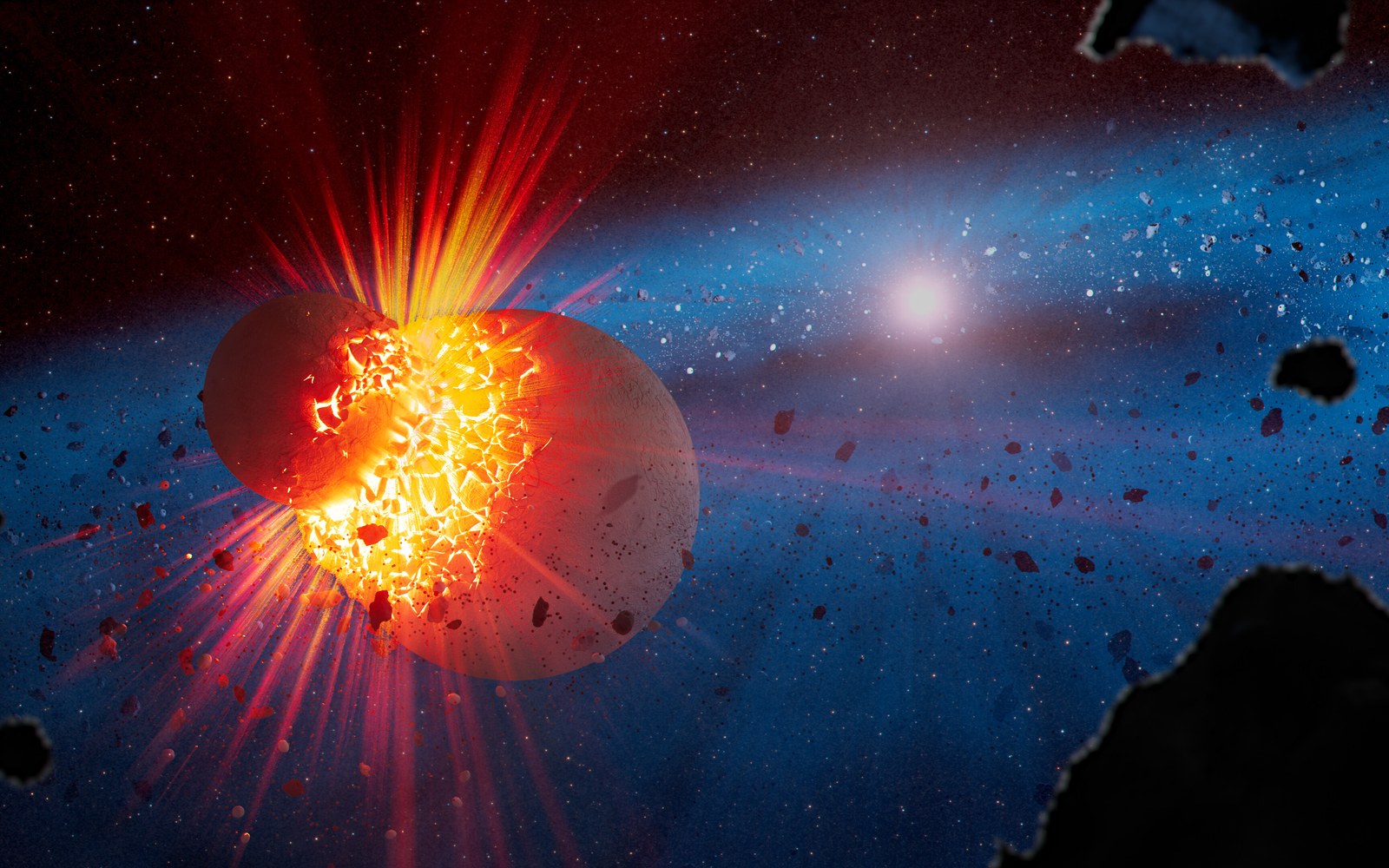
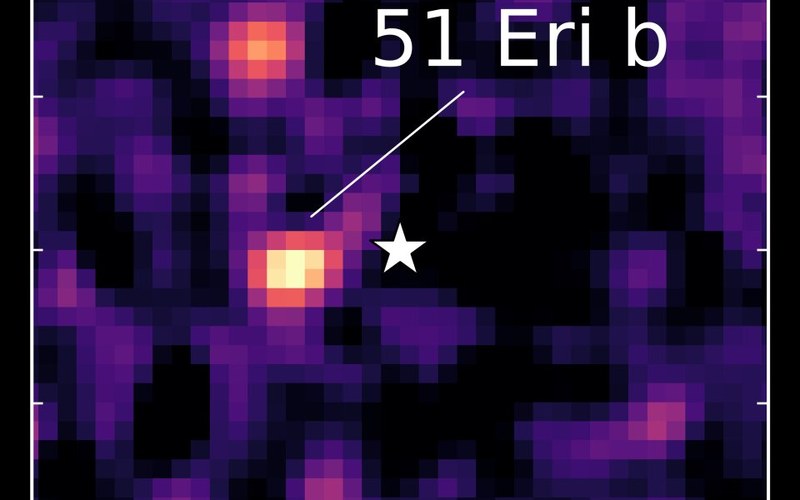
It’s what astronomers call a debris disk. The dust doesn’t last long on its own, so it has to keep getting topped up, by comets and small icy-rocky bodies called planetesimals smashing into each other. Astronomers have already found planets there, including the giant Beta Pictoris b.
The ice that wasn’t there
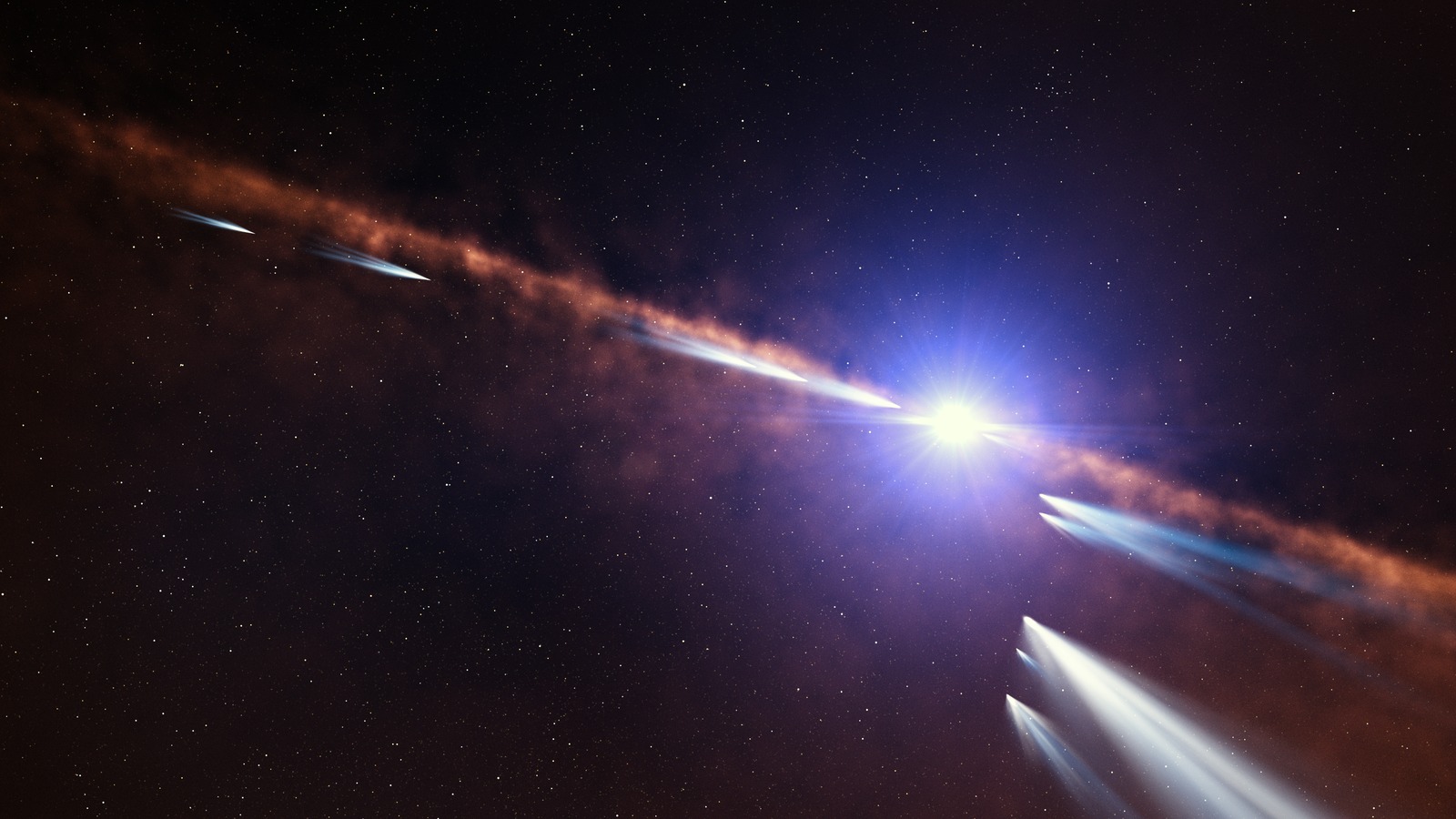
There were good reasons to expect ice. The outer disk is far enough from the star that water should freeze solid. The disk also holds a big supply of carbon monoxide gas that the star’s ultraviolet light should wipe out within 50 to 300 years, Ars Technica explains. Something must keep refilling it, and the best guess is icy comets crashing and letting gas out.
But earlier searches came up empty. No water vapor, and no sign of the dip that water ice leaves in starlight at a wavelength of 3 micrometers. Models offered a reason: the star’s ultraviolet light can destroy small grains of pure ice faster than collisions make new ones. “Dirty” ice, mixed with other molecules, should last longer.
How Webb caught it
Webb looked at the disk on Dec. 7, 2023, with its NIRSpec instrument, in a mode that records a full spectrum, from 0.6 to 5.2 micrometers, for every point in the image. After removing the star’s glare, the team measured how the dust reflects starlight at each wavelength, looking for the fingerprints ices leave behind.
Explore your sky tonightLive sky map for where you are: planets, the ISS and bright stars above your horizon.Water ice showed up across the disk, and it was surprisingly even. In two spots on opposite sides of the star, each about 100 times Earth’s distance from the Sun (around 9.3 billion miles out), the team also found carbon dioxide ice, including a rarer version made with heavier carbon-13.
Glassy, dirty and very old
The carbon dioxide wasn’t sitting in grains of its own. Its signal was shifted and smeared in the way you see when carbon dioxide molecules are trapped inside water ice. So the two are thoroughly mixed, the exact kind of dirty ice the models said could survive.
The mix works out to about one carbon dioxide molecule for every 10 water molecules. Ars Technica notes that this falls inside the range measured in comets in our own solar system.
Then there’s the structure. Less than 7% of the water ice is crystalline. The rest is amorphous, a disordered, glass-like solid that forms when water freezes so fast and so cold that the molecules stick wherever they land. To stay that way it has to stay colder than about 100 kelvins, around minus 280 °F. In the paper’s words, this “implies that the ices formed in cold conditions, likely in the interstellar medium,” the thin gas and dust between the stars.
Why it matters
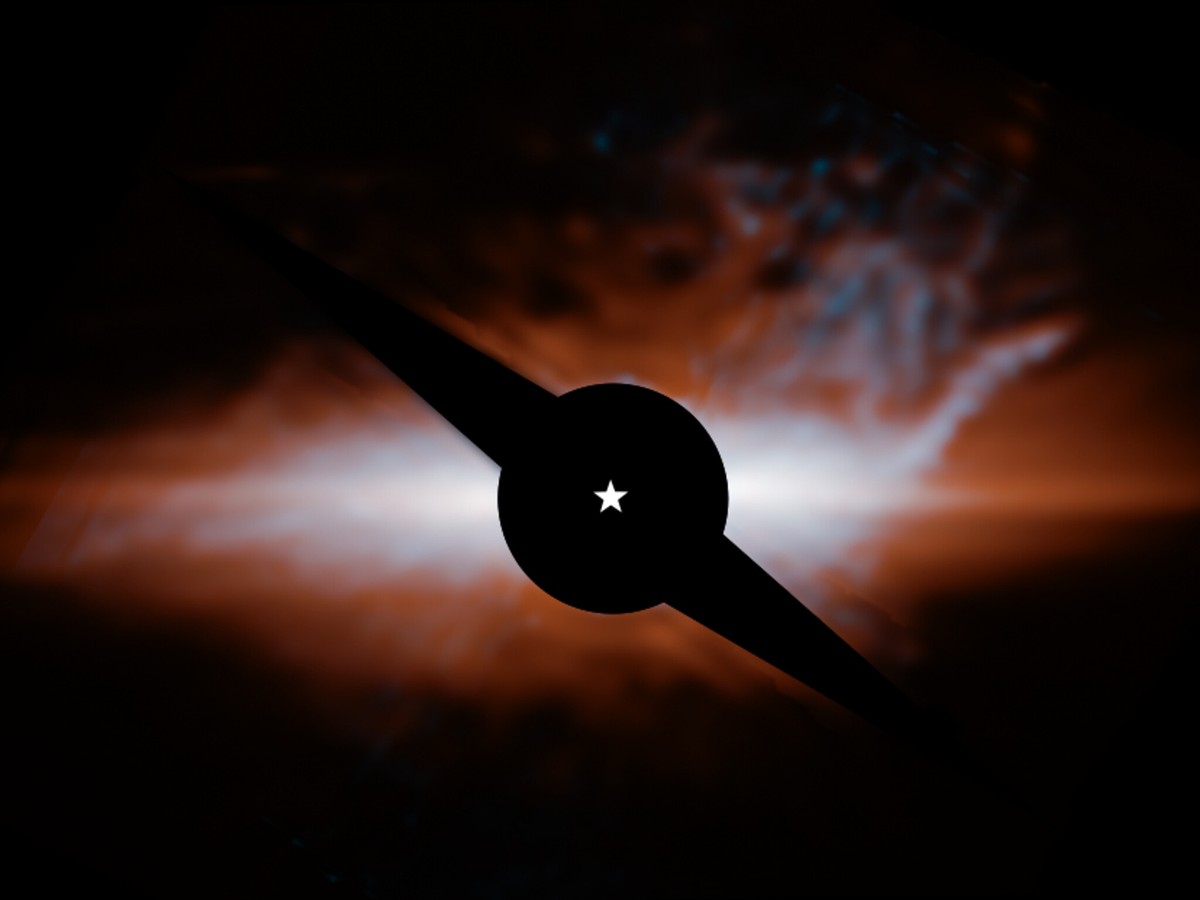
For the ice to be spread so evenly, the team says, the disk needs frequent collisions between icy bodies. Each crash releases fresh ice that was buried inside, replacing what starlight destroys. Webb has already seen what could be the leftovers of one: a curved streak of dust that scientists nicknamed the “cat’s tail.”
And if a young system 64 light-years away started out with the same icy ingredients our solar system did, that old interstellar ice may be a normal starting kit for planets. That would mean the raw materials for water-rich worlds could be common too. The team still can’t pin down exactly how much crystalline ice is there, or rule out other molecules hiding in the mix.
Bottom line: Webb found glassy water ice mixed with frozen carbon dioxide around Beta Pictoris, a 20-million-year-old star 64 light-years away. The recipe matches comets in our solar system, and the ice probably formed in deep space before the star was born.
No Ground. Stay curious.