 No Ground
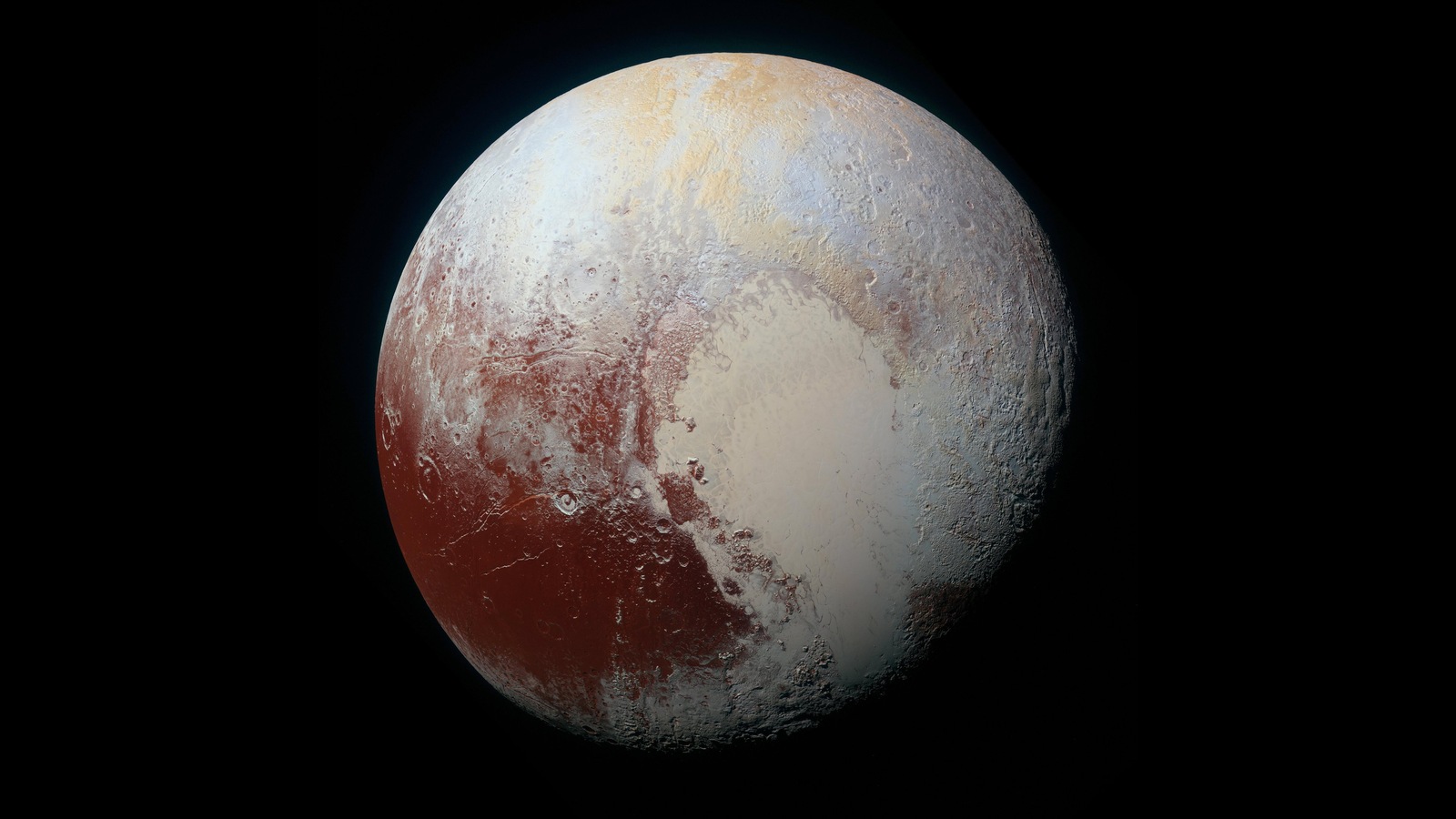
Pluto has been part of astronomy textbooks for almost a century, but it has not yet finished a single trip around the Sun since we discovered it. The reason is simple: one Pluto year lasts about 248 Earth years.
Clyde Tombaugh discovered Pluto on February 18, 1930, while working at Lowell Observatory in Arizona. By November 2026, nearly 97 Earth years have passed since that discovery. On Pluto’s calendar, however, less than one year has gone by.
The first anniversary is around 2178
Add Pluto’s roughly 248-year orbital period to 1930 and you reach about 2178. That is the approximate year when Pluto will complete one full revolution since its discovery. It is not a precise return date calculated from an orbital ephemeris, but a useful way to understand the timescale.
The milestone does not mean Pluto began orbiting in 1930. Like the rest of the solar system, it has been moving around the Sun for billions of years. Discovery simply gives us a familiar starting line for counting one lap.

A long, stretched-out path
Pluto travels through the Kuiper Belt, the region of icy bodies beyond Neptune. On average it is about 39 times farther from the Sun than Earth is. At that distance, sunlight takes roughly five and a half hours to reach it.
Its orbit is not a neat circle. It is noticeably eccentric, meaning elongated, and tilted by about 17 degrees relative to Earth’s orbital plane. Over a revolution, Pluto’s distance from the Sun changes from roughly 30 astronomical units to nearly 50. One astronomical unit is the average Earth–Sun distance.
Explore your sky tonightLive sky map for where you are: planets, the ISS and bright stars above your horizon.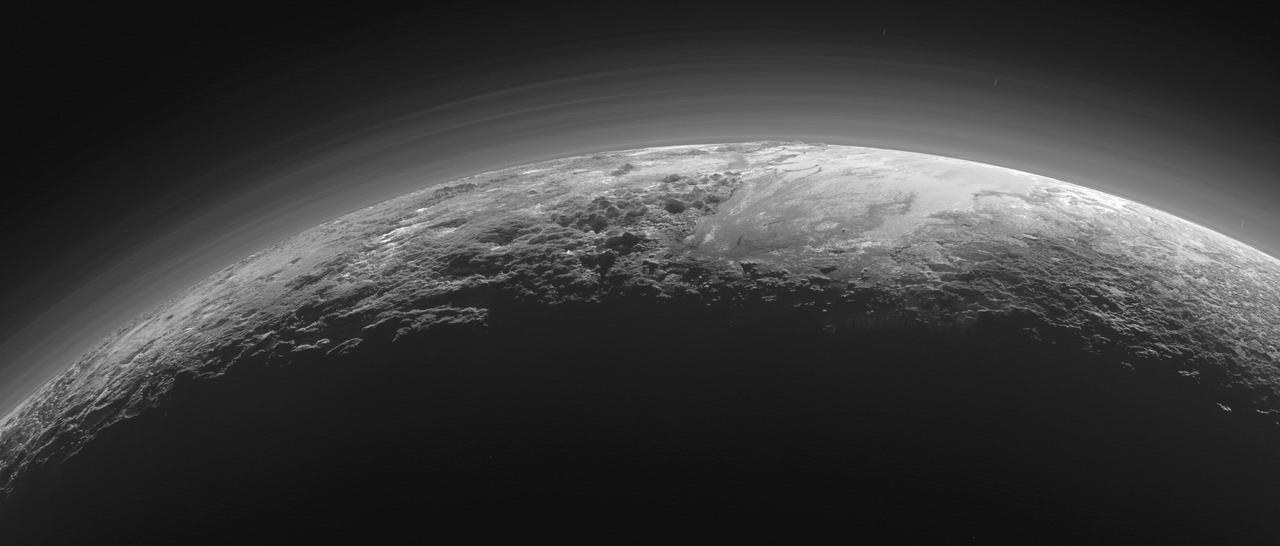
Closer than Neptune, for a while
Pluto passed perihelion, its closest approach to the Sun, in 1989. From 1979 to 1999 it was actually closer to the Sun than Neptune was. That does not mean the two worlds were side by side: their orbits occupy different positions in three-dimensional space.
Pluto also does not move at one constant speed along that path. Like other orbiting worlds, it travels faster near the Sun and more slowly farther away. So the fraction of a Pluto year that has elapsed is not the same thing as the fraction of a circle it has swept through.
We visited before the first lap was over
Humanity did not have to wait until 2178 to see Pluto up close. NASA’s New Horizons spacecraft flew past on July 14, 2015, providing the first close views of the dwarf planet and its moons.
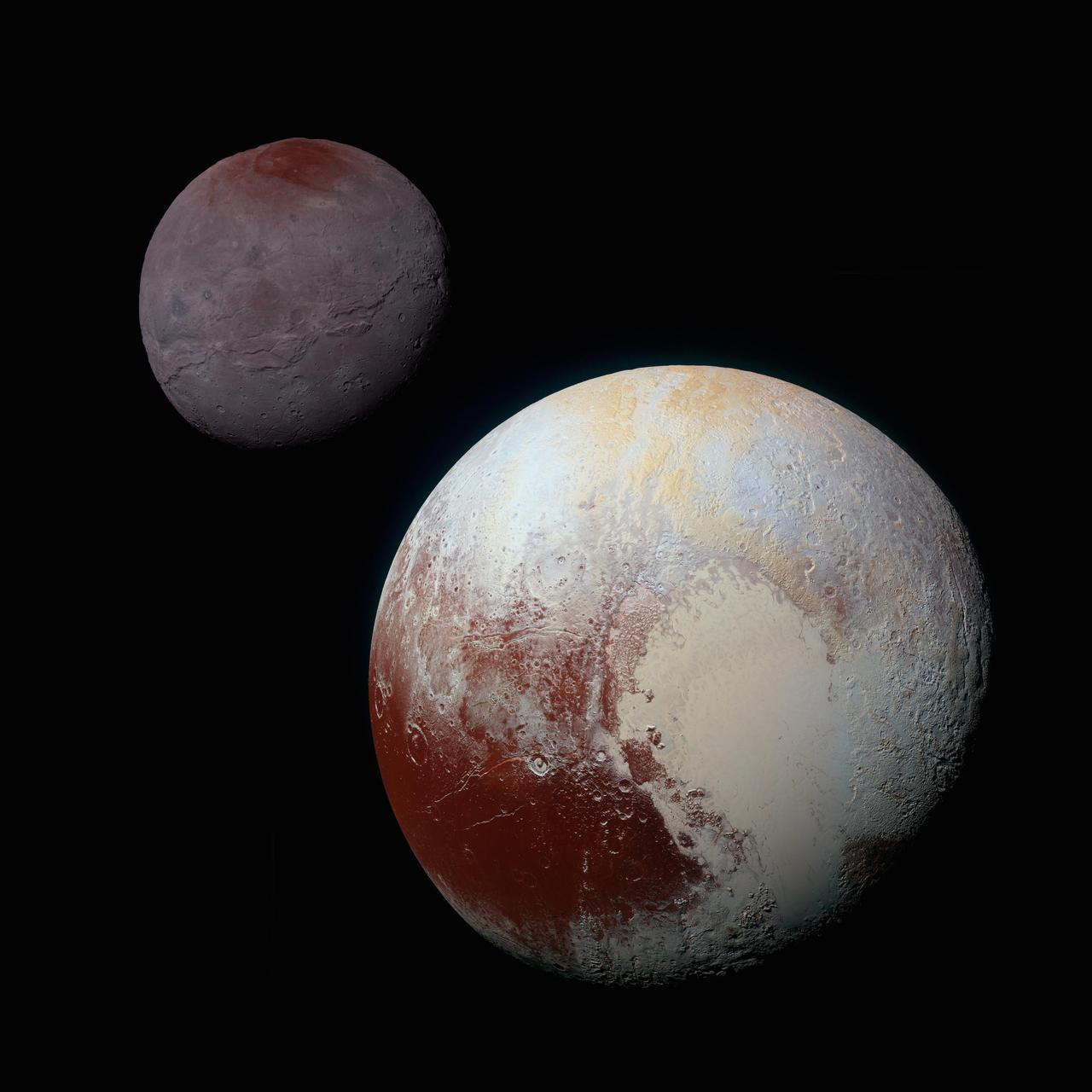
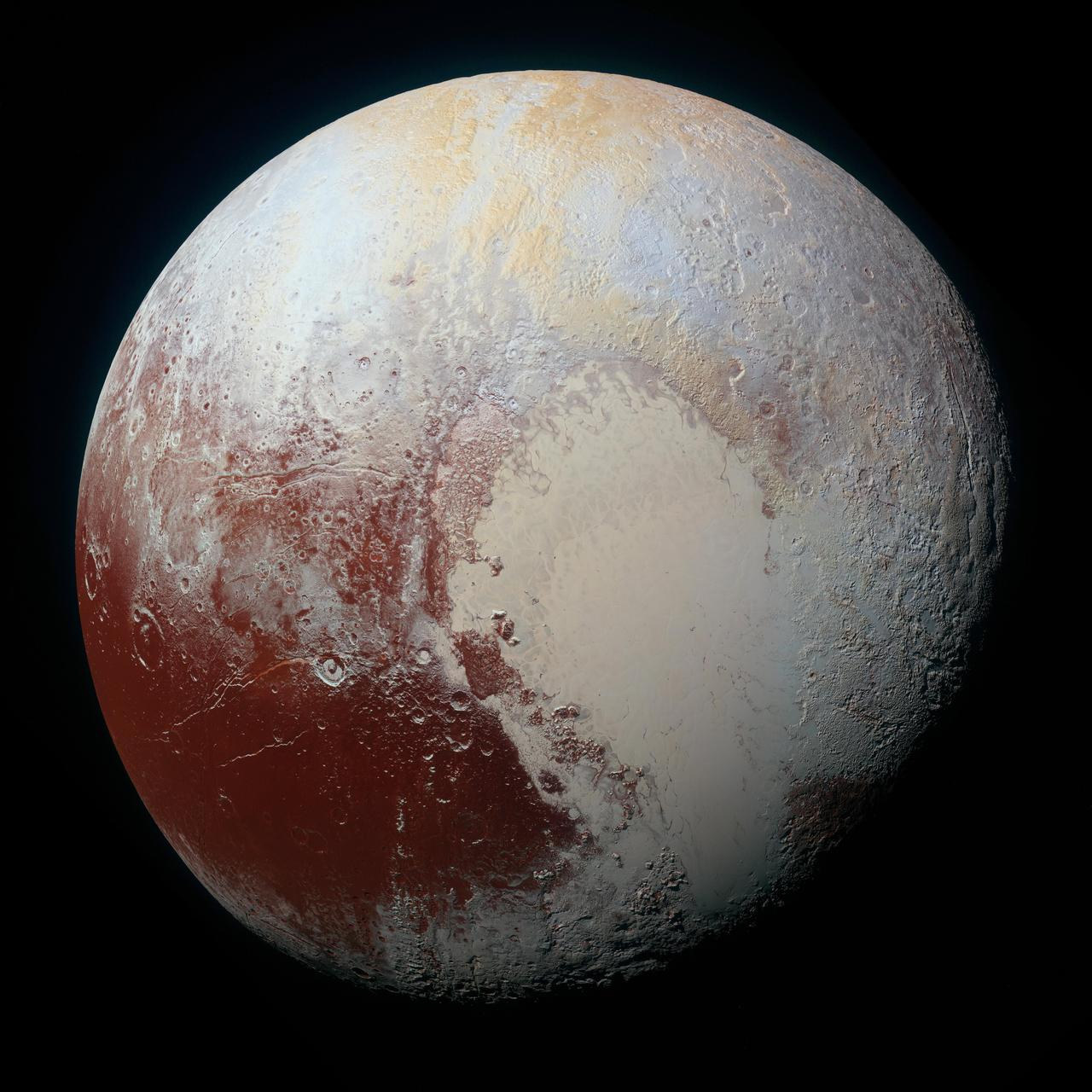
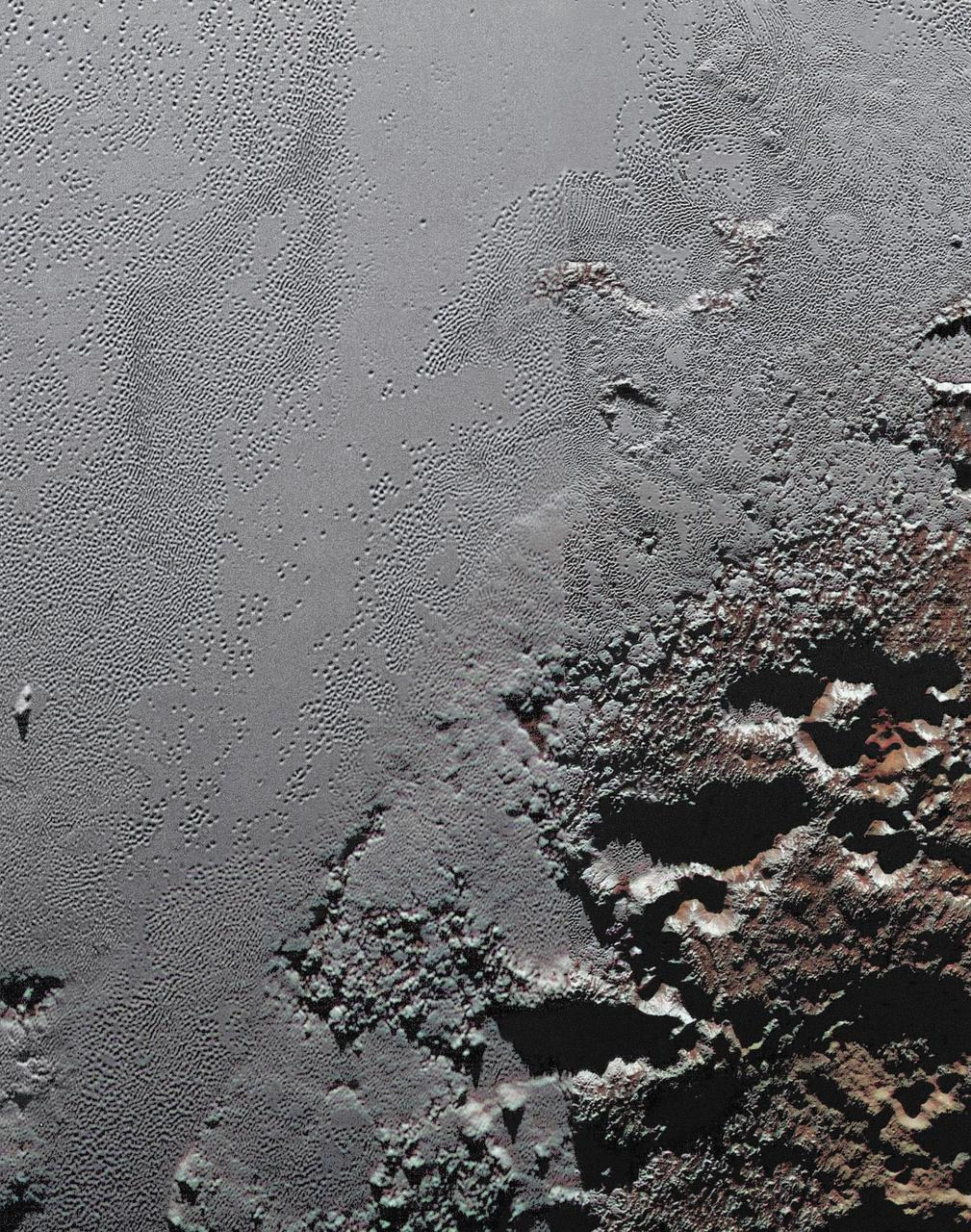
Instead of a featureless frozen dot, the images revealed mountains of water ice, broad plains of nitrogen ice, craters and a layered atmospheric haze. The bright heart-shaped region became one of the mission’s most recognizable sights.
Pluto was reclassified as a dwarf planet in 2006, but that change in terminology did not alter its orbit or diminish its complexity. It remains a world with five known moons and a remarkably varied surface.
Bottom line: We have discovered Pluto, changed its classification and sent a spacecraft past it, all before its first full orbit since 1930 is complete. That lap will end around 2178: a reminder that the outer solar system runs on a very different clock.
No Ground. Stay curious.