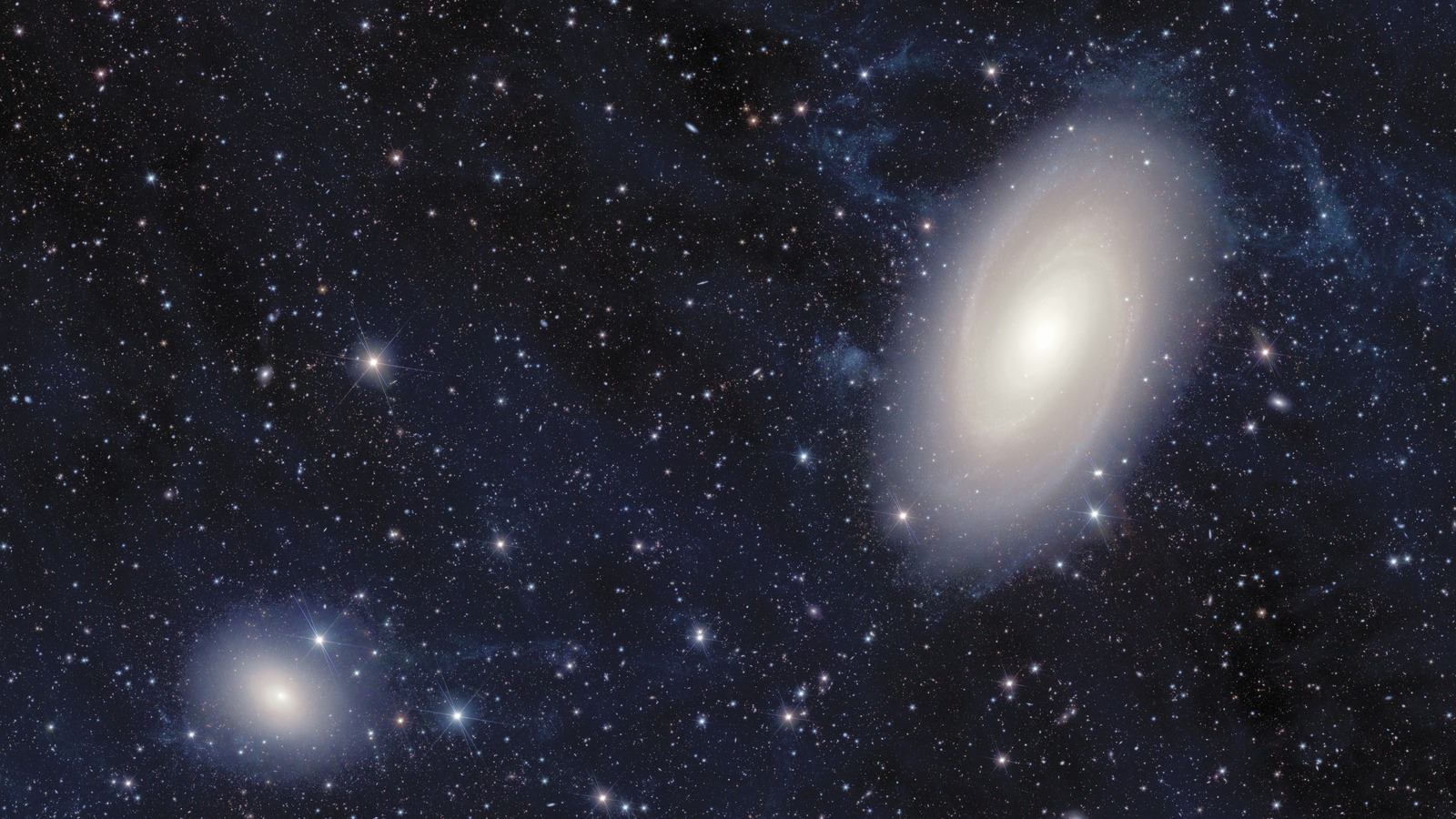
Euclid Just Mapped 900 Million Galaxies
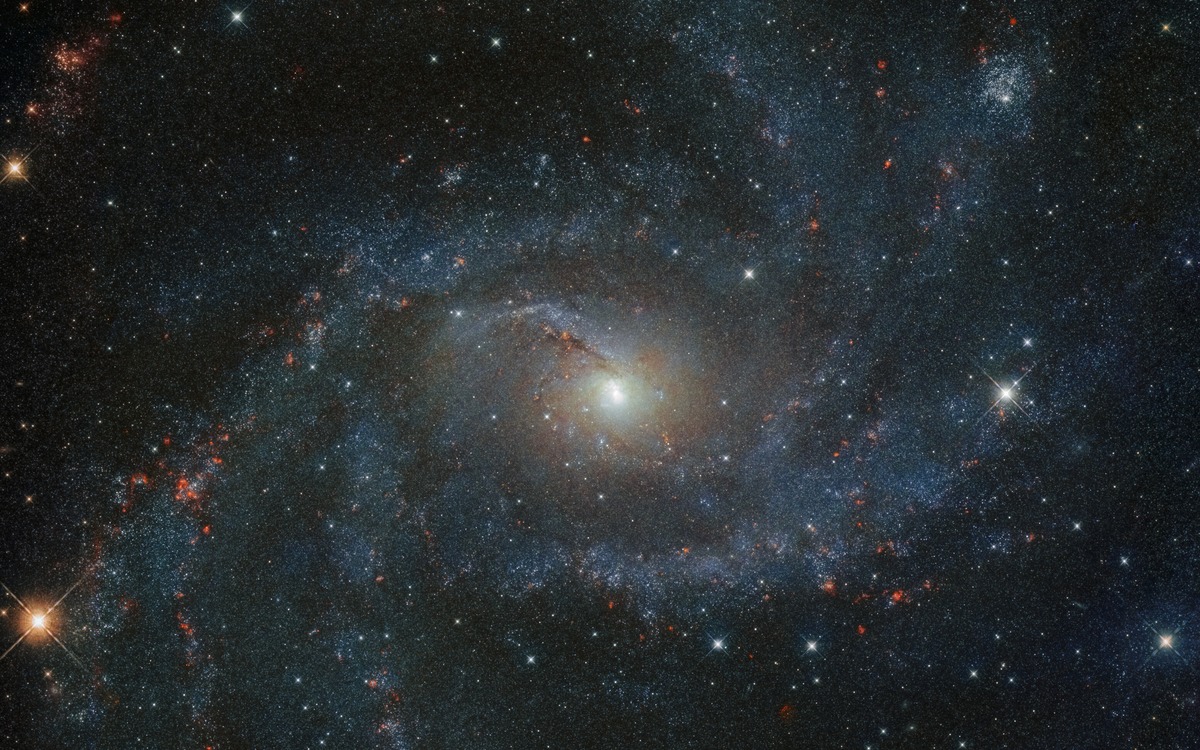
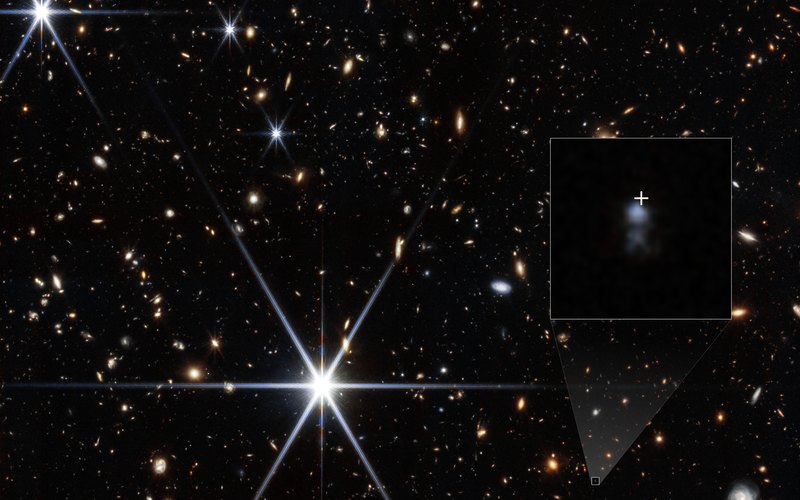
ESA’s Euclid space telescope released its first big batch of survey data: about 1,900 square degrees of sky, more than 900 million galaxies, and 15,000 cosmic lenses. It is only 14% of the job.
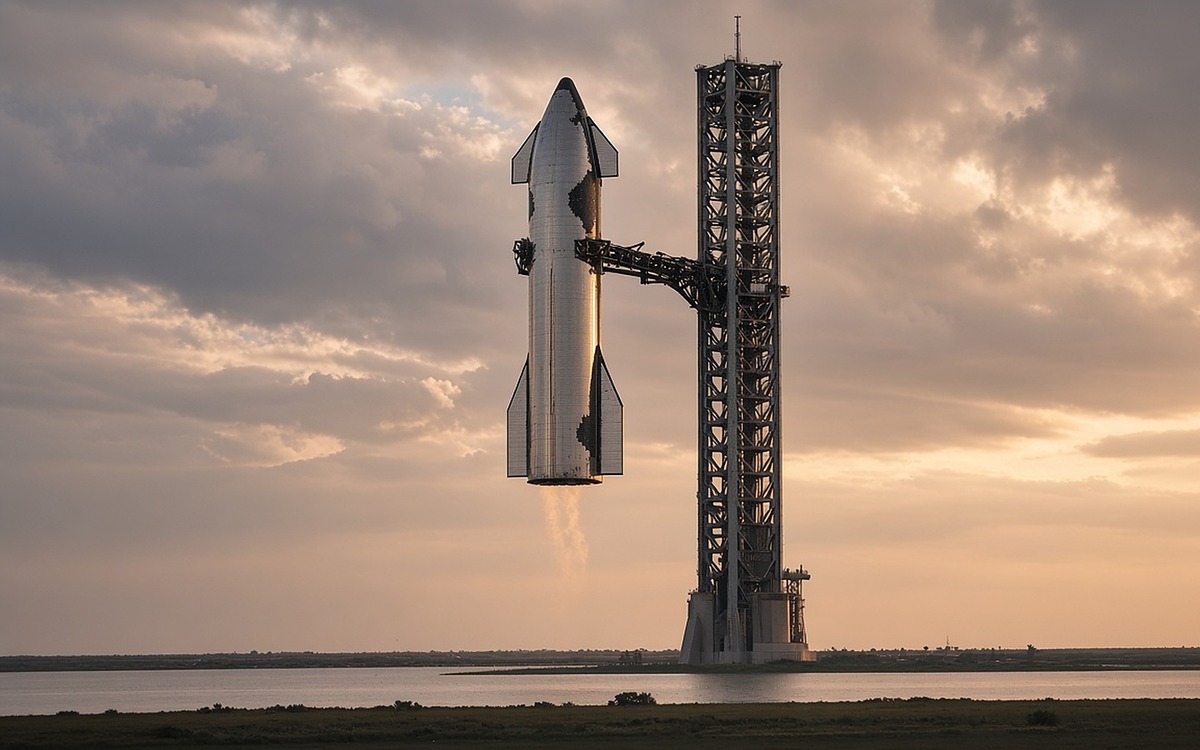
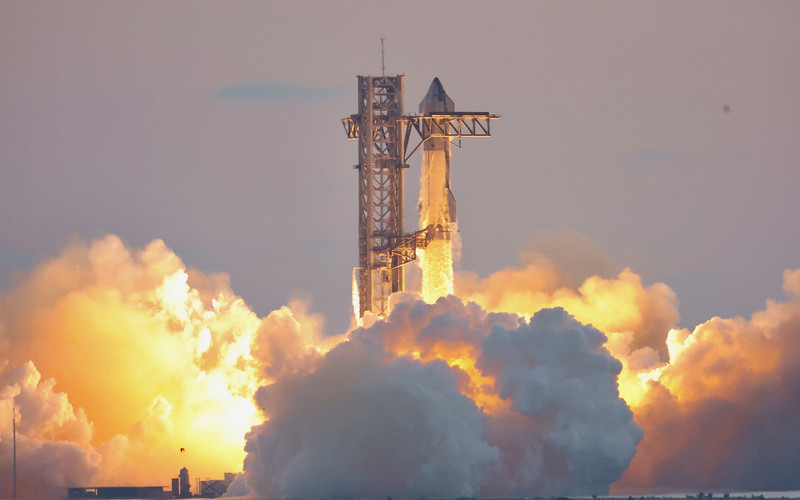
Ship 42 flew about 14 orbits, then settled into the launch tower’s arms at Starbase. The booster on the same flight aborted its own catch and was lost in the Gulf of Mexico.
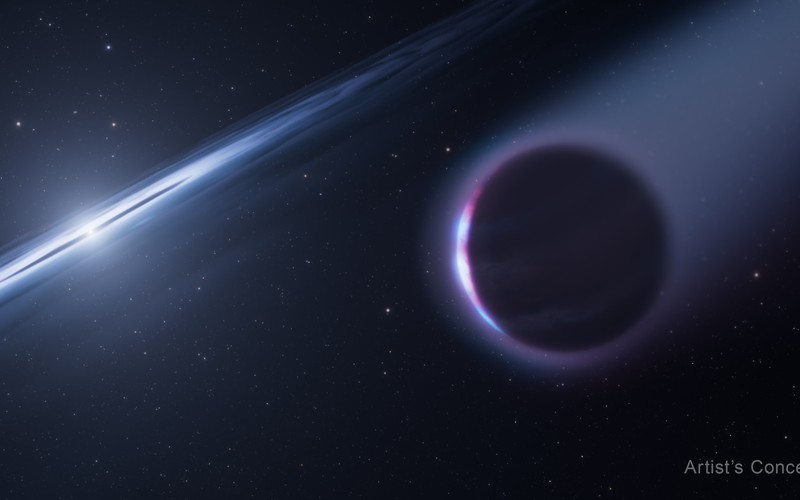
For seven years, NASA’s TESS watched a giant planet cross its star. Then the crossings stopped. A hidden neighbor is tilting its orbit, and it may not line up again for 30 to 50 years.
A new study of 257 black hole collisions suggests many giant stars may die without a supernova, collapsing quietly into black holes and leaving only a dark patch of sky.
Two NASA-led studies show how the future LISA observatory could find planets orbiting pairs of white dwarfs through gravitational waves, and how Webb could confirm some of them.
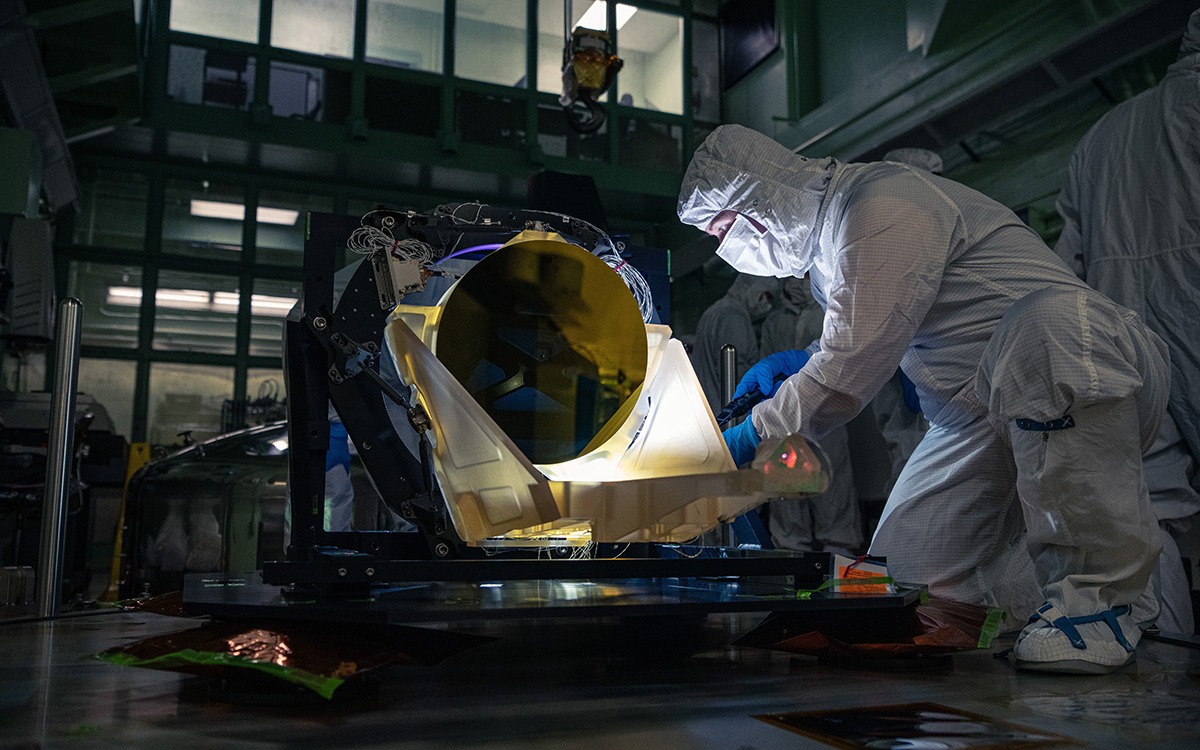
A Caltech robot funded by DARPA assembled a new section of an antenna frame in orbit, from a box of struts and joints. It won’t finish the job, but it showed the idea can work.
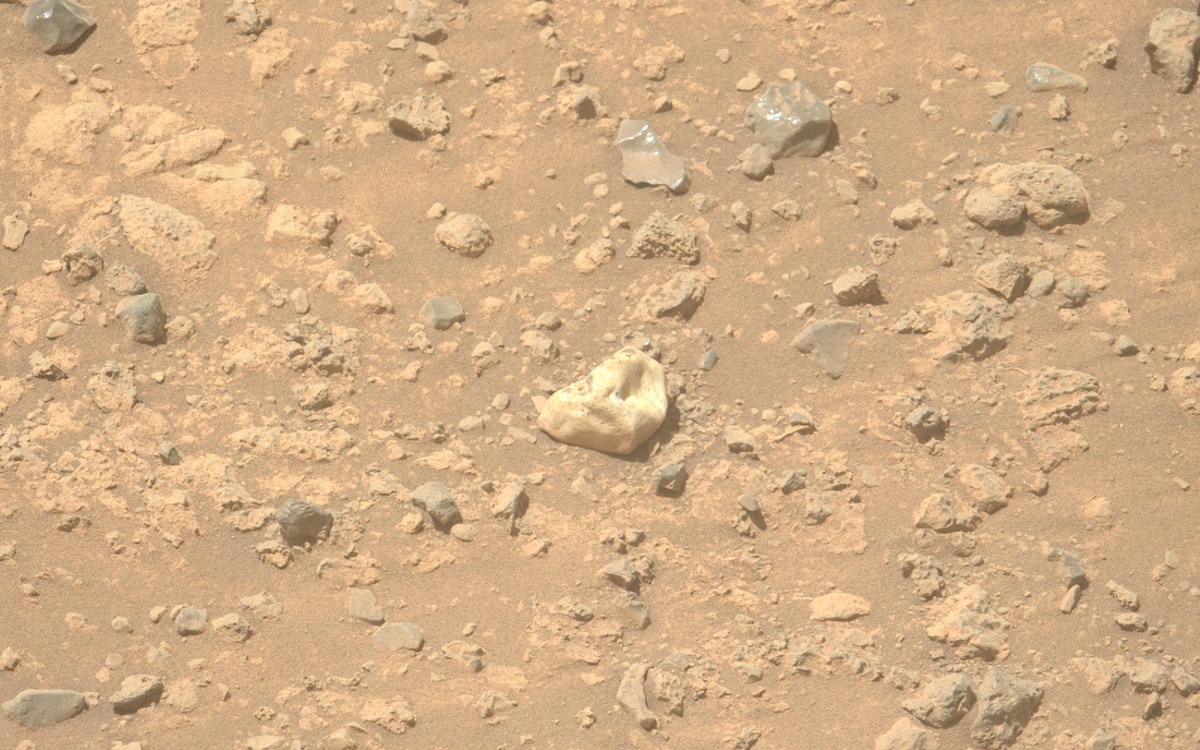
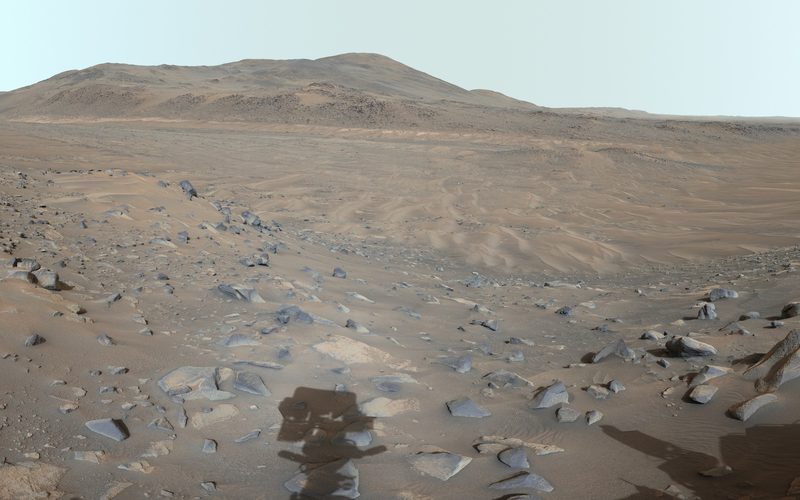
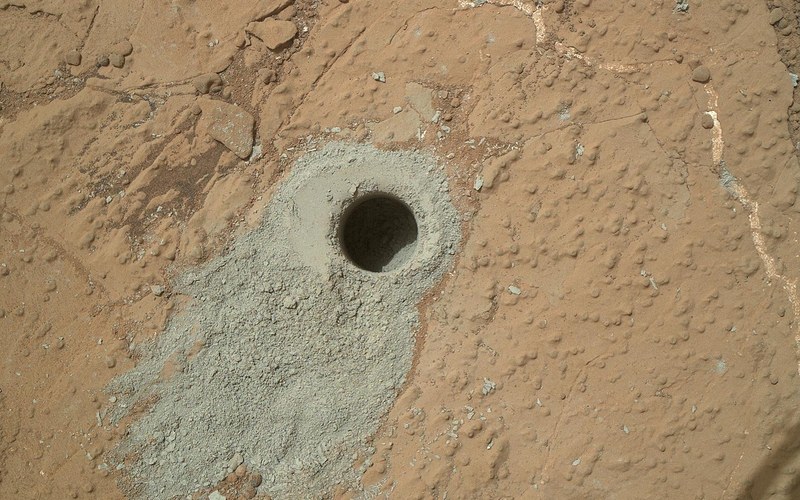
Perseverance’s laser found tiny grains of corundum, the mineral behind rubies and sapphires, on the rim of Jezero Crater. Mars lacks the geology that usually makes it.
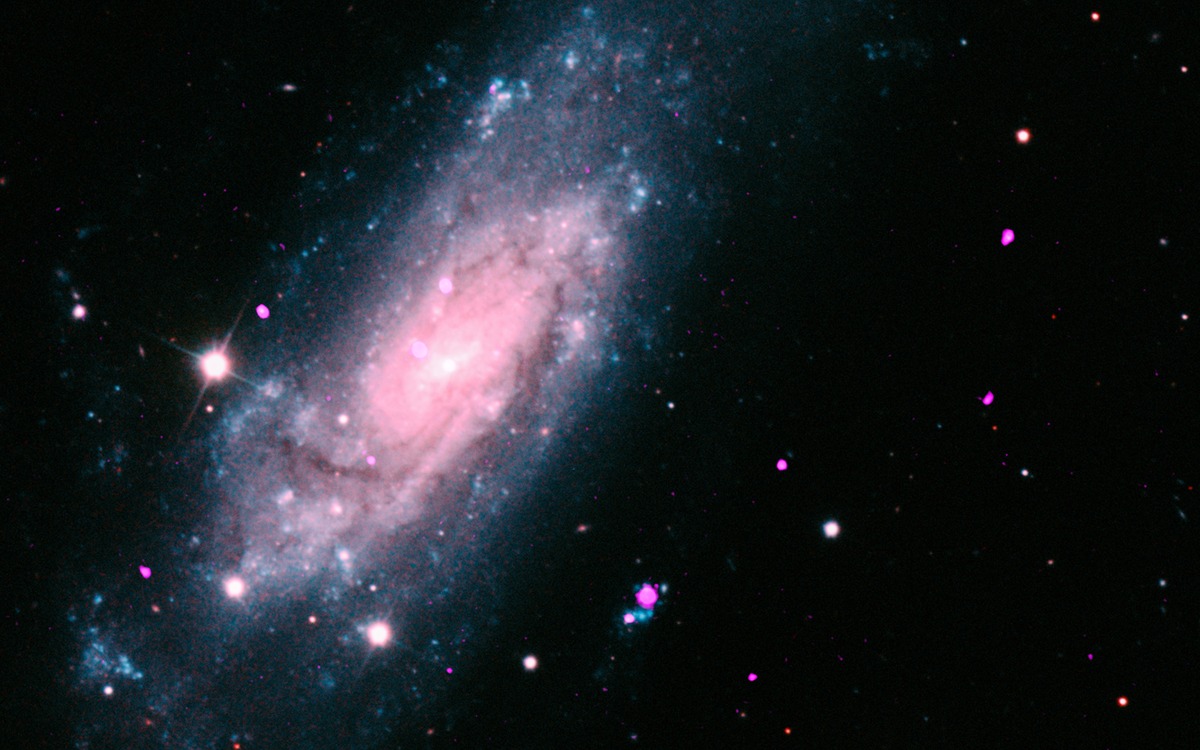
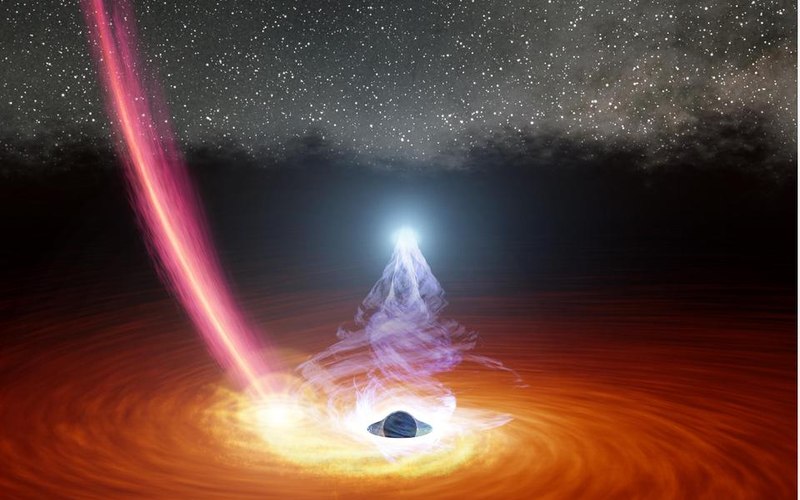
Every 113 days, a giant star in another galaxy flares up like a supernova and survives. NASA’s Chandra has found what sets it off: a black hole or neutron star on an oval orbit around it.
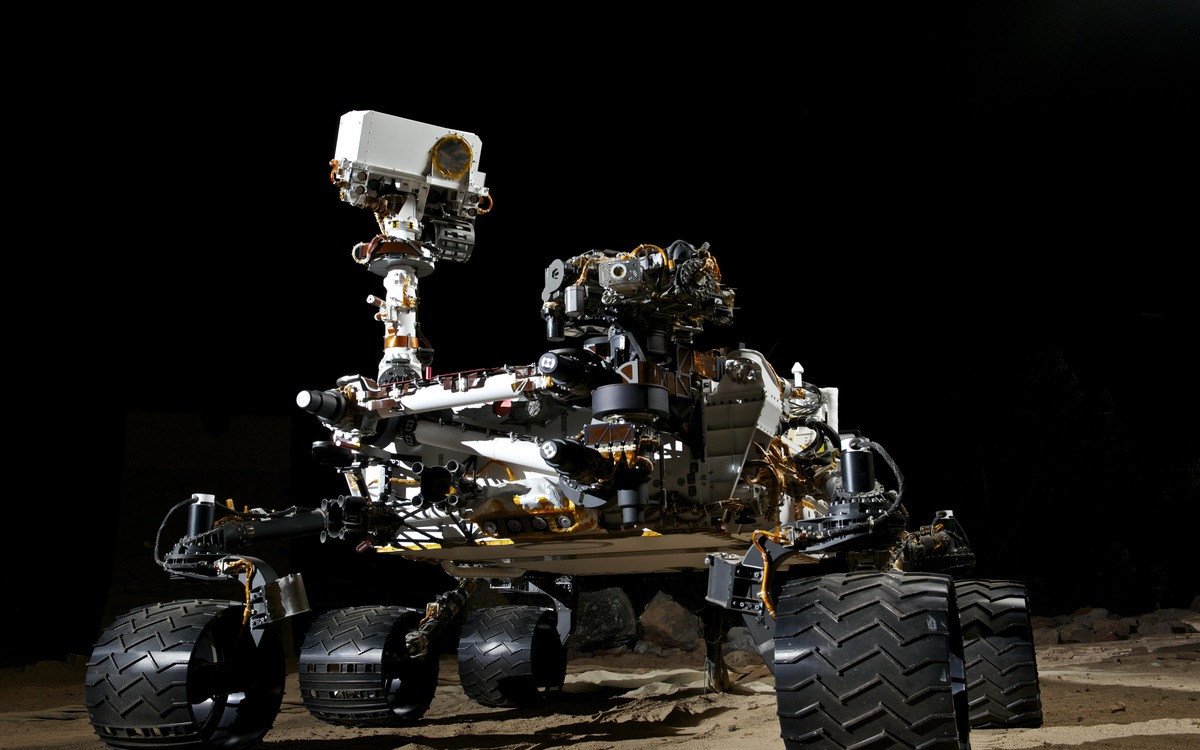
PROMISE, built from Mars rover hardware, is designed to keep working through the lunar night and inside shadowed craters that may hold ice. NASA is targeting a late-2028 launch.
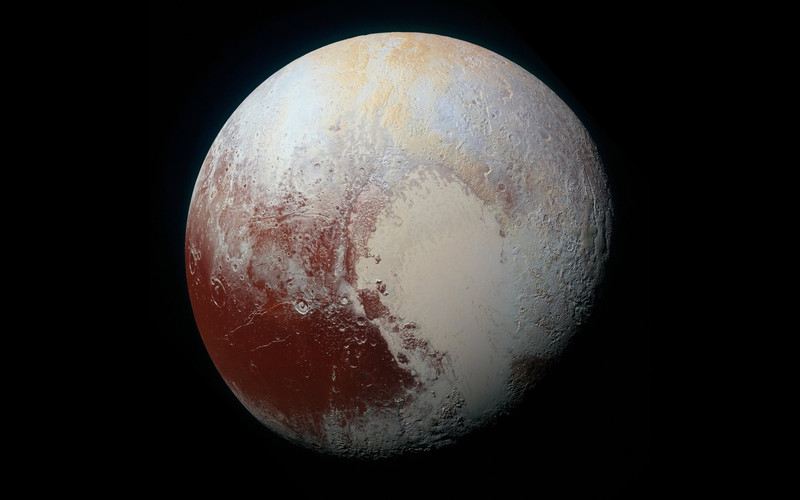
A year on Pluto lasts about 248 Earth years. Its first full trip around the Sun since discovery will finish around 2178.
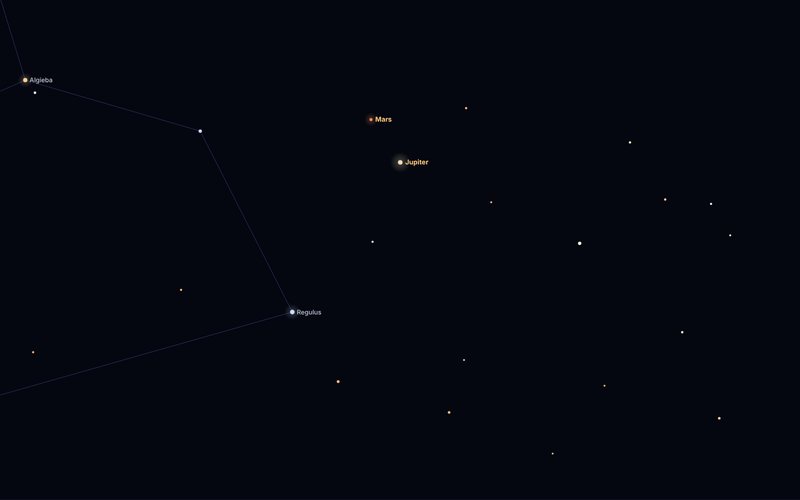
Four things to look for between now and Nov. 24, and a free map that shows you where to look from your own backyard.
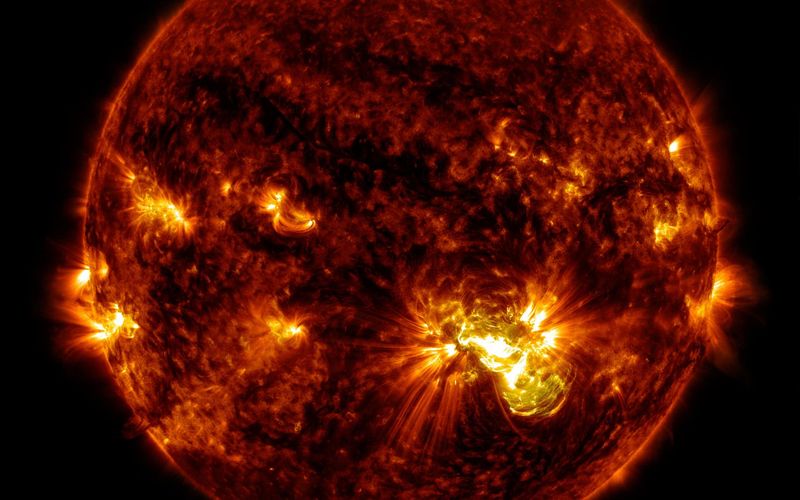
In 1859, a solar storm shocked telegraph operators and set fire to some telegraph offices. A storm like that today would put the power grid at risk, and a National Academies workshop report put the first-year cost of a severe storm at $1 trillion to $2 trillion.
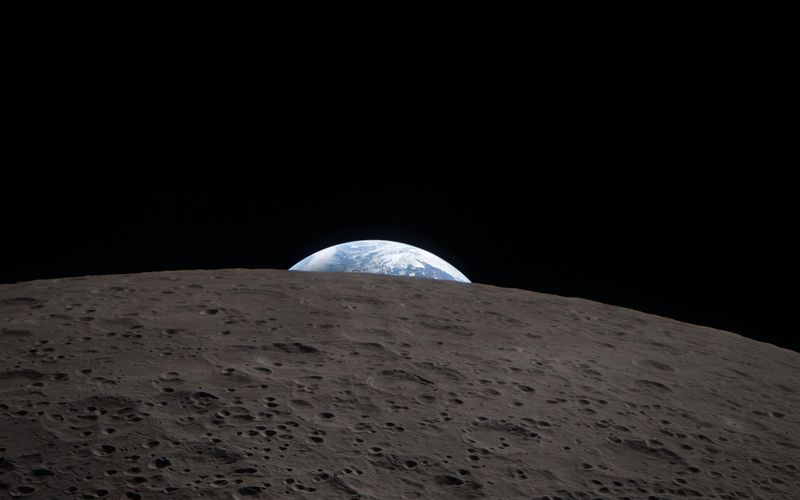
The Moon drifts about 3.8 centimeters (1.5 inches) farther from Earth every year, and lasers bounced off Apollo-era reflectors let us measure it. NASA estimates total solar eclipses will end in more than 600 million years.
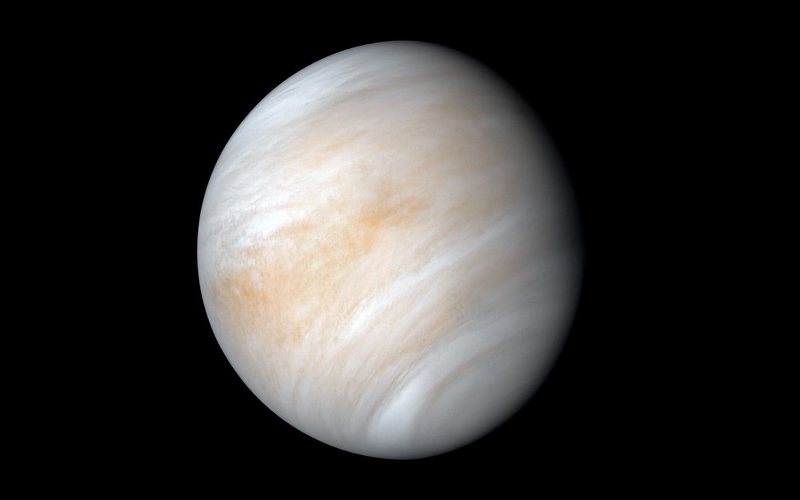
Venus is almost Earth’s size and our closest planetary neighbour. Its surface is hot enough to melt lead, with air pressure like the deep ocean.
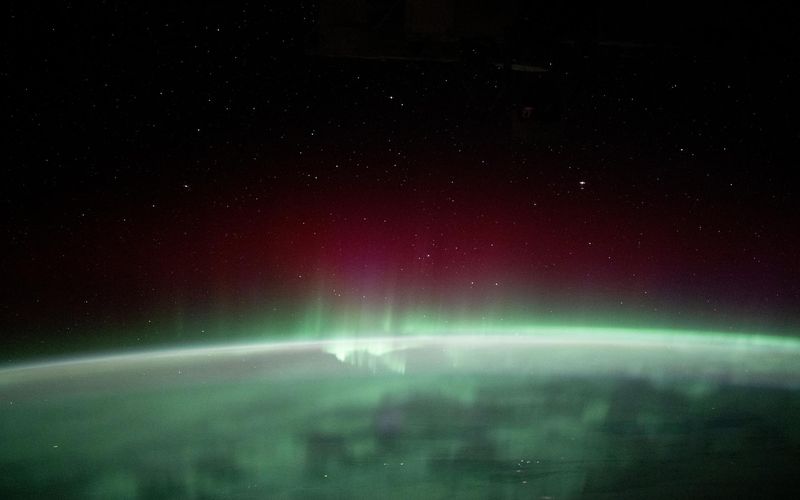
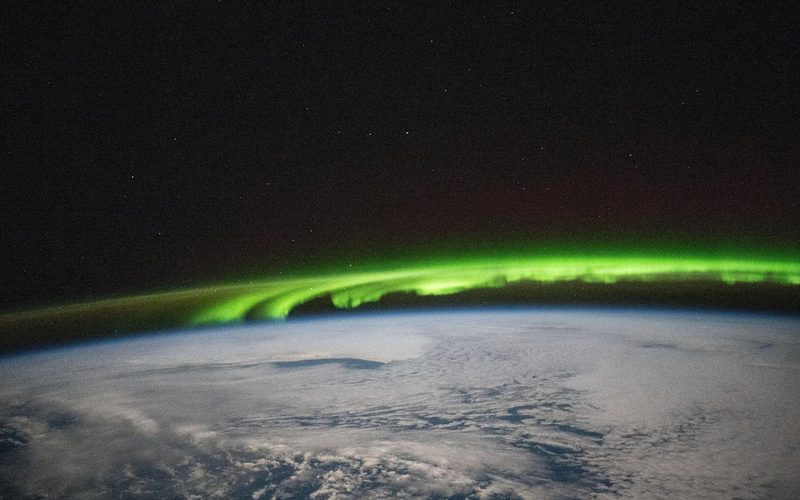
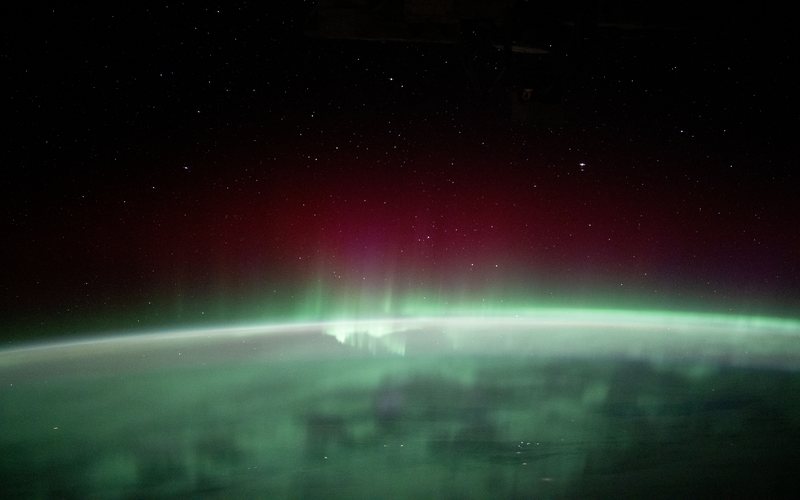
NOAA had a minor (G1) geomagnetic storm watch for Oct. 20, with Kp up to 4.67 from 5 to 8 p.m. ET, so the northern lights could reach high latitudes. The Orionid meteor shower peaked the night of Oct. 21–22.
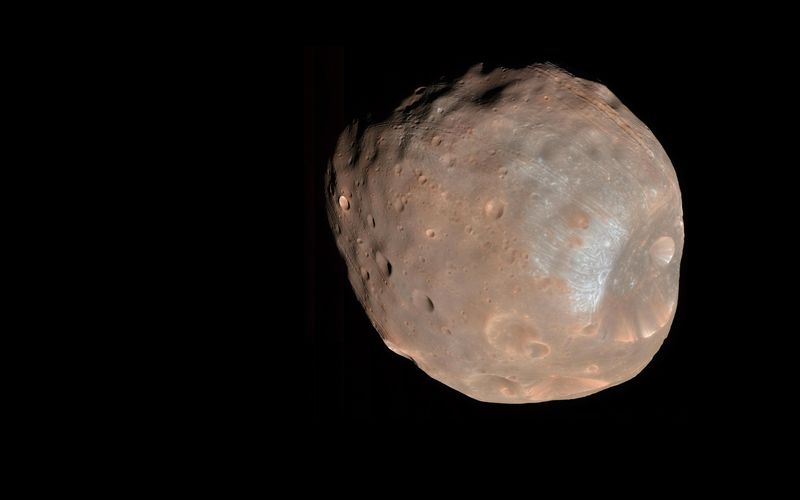
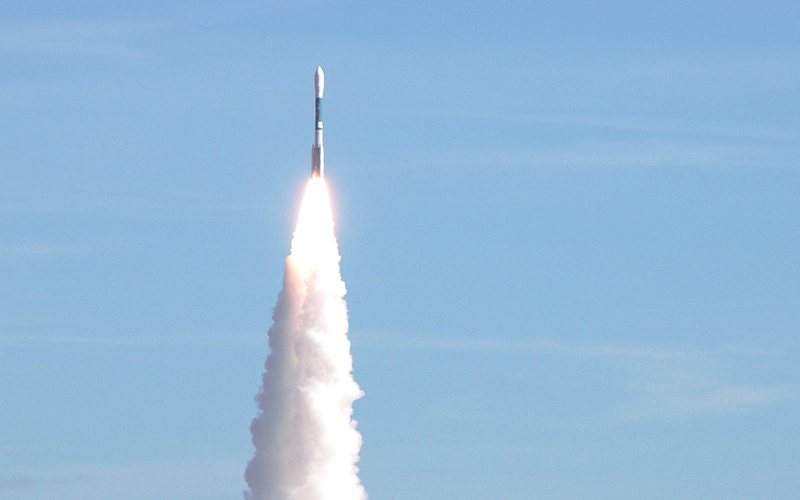
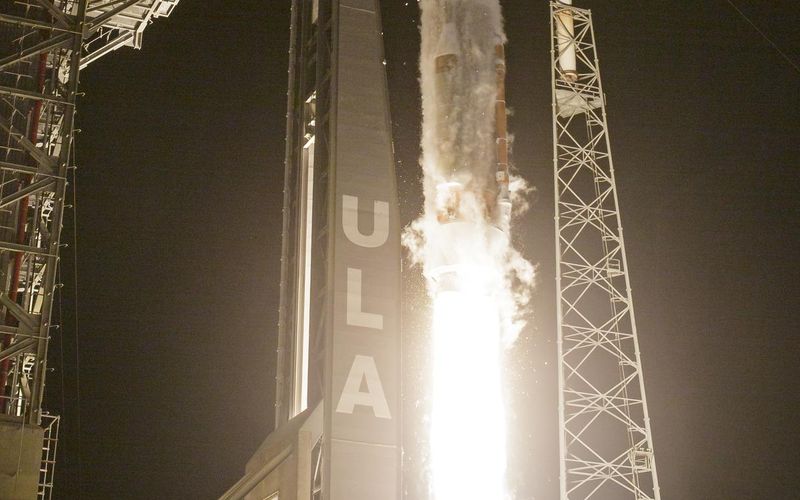
JAXA’s Martian Moons eXploration mission lifted off on an H3 rocket at 3:41:03 p.m. ET on Oct. 19 and separated into its planned orbit about 71 minutes later. If all goes to plan, a Phobos sample reaches Earth in 2031.
A University of Warwick study finds that the white dwarf WD J1330+6435 would glow chartreuse green up close, because sodium from swallowed rocky debris absorbs its orange light.
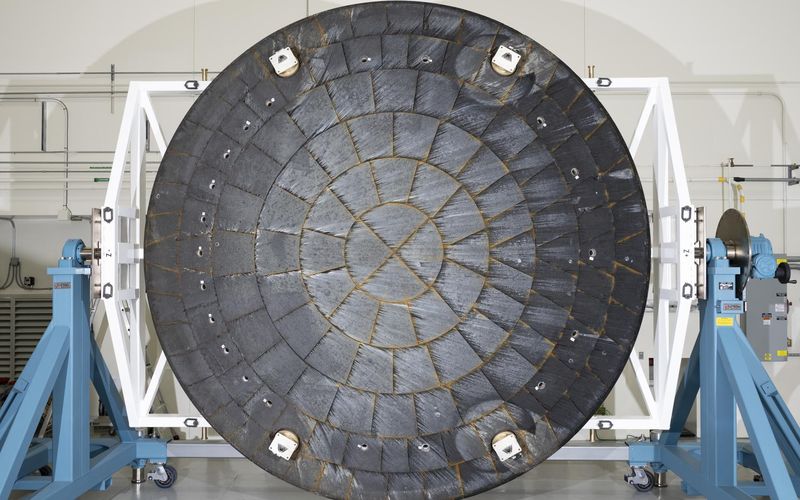
NASA’s analysis confirms Orion’s heat shield performed as expected on the first crewed flight around the Moon in more than 50 years. A shorter reentry path cut cracking and char loss tenfold.
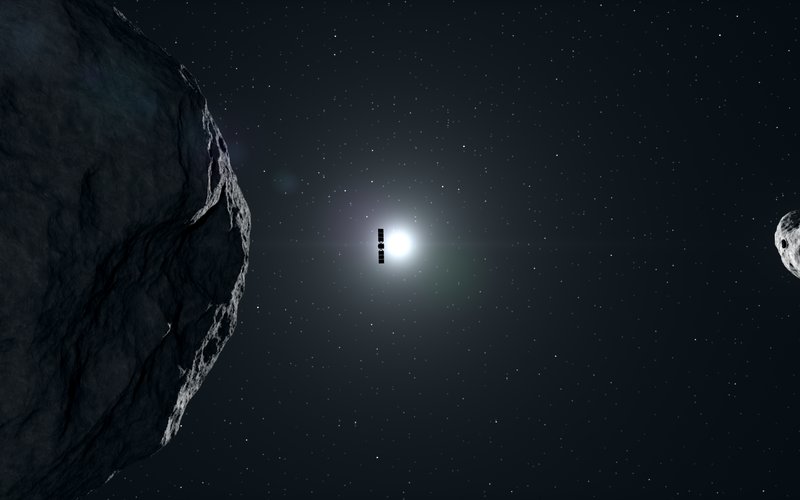
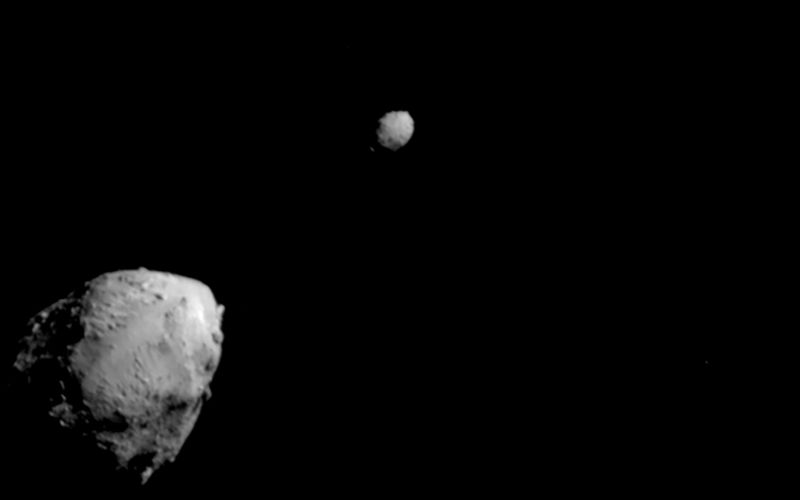
ESA’s Hera fired its thrusters for 93 minutes early Thursday to slow down for the asteroid NASA’s DART hit. CRS-35 docked at 10:27 a.m. ET, Crew-12’s news conference was set for 3:30 p.m. and USSF-481 launched at 8:01 p.m.
A plain-language guide to NOAA’s G, S and R scales, the Kp index, watches vs. warnings vs. alerts, flares vs. CMEs, and how to use the aurora forecast to see the northern lights.
A CME reached Earth late Saturday morning, Oct. 10, and drove a strong G3 storm, mostly in U.S. daylight. NOAA’s 6:05 p.m. ET forecast kept G2 possible from 8 to 11 p.m. ET that night.
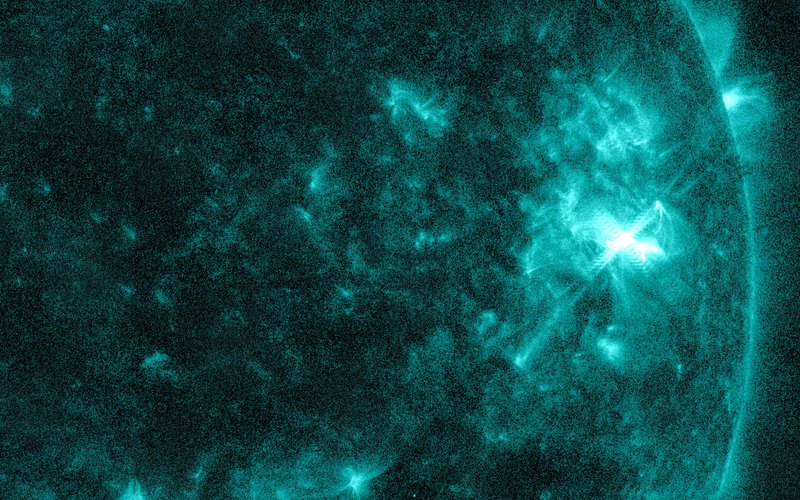
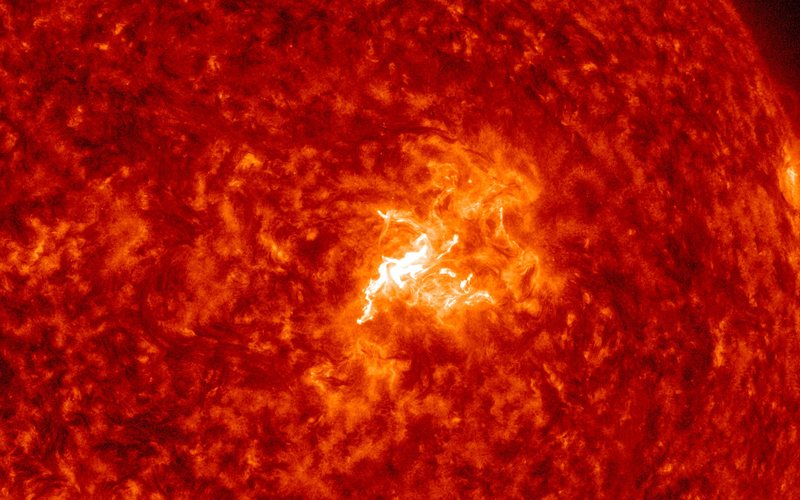
Thursday’s strong flare from sunspot Region 4549 sent out a CME. Update: a CME arrived Saturday morning, Oct. 10, and drove a G3 storm; NOAA forecast G2 from 8 to 11 p.m. ET that night.
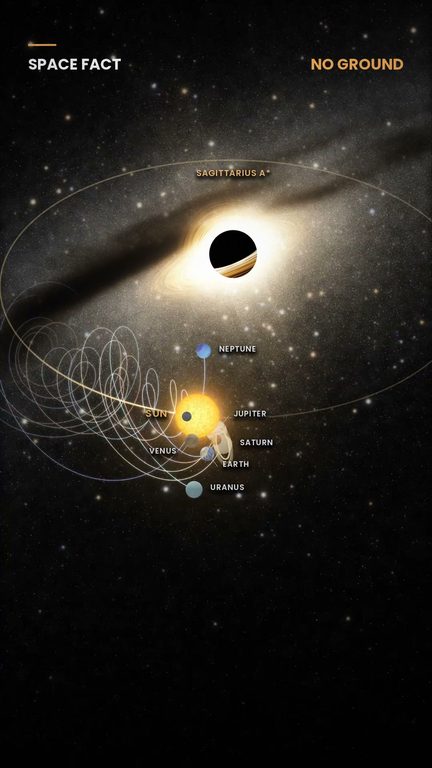
Space in 30 seconds. New reels on the NO GROUND page.
What’s happening beyond Earth today.
Ship 42 flew about 14 orbits, then settled into the launch tower’s arms at Starbase. The booster on the same flight aborted its own catch and was lost in the Gulf of Mexico.
READ MOREThe universe gets strange here.
FRB 20240304B, caught by South Africa’s MeerKAT in 2024, came from a small, young galaxy just 3 billion years after the Big Bang. It is the most distant fast radio burst traced to its home galaxy, and it points toward magnetars.
READ STORY
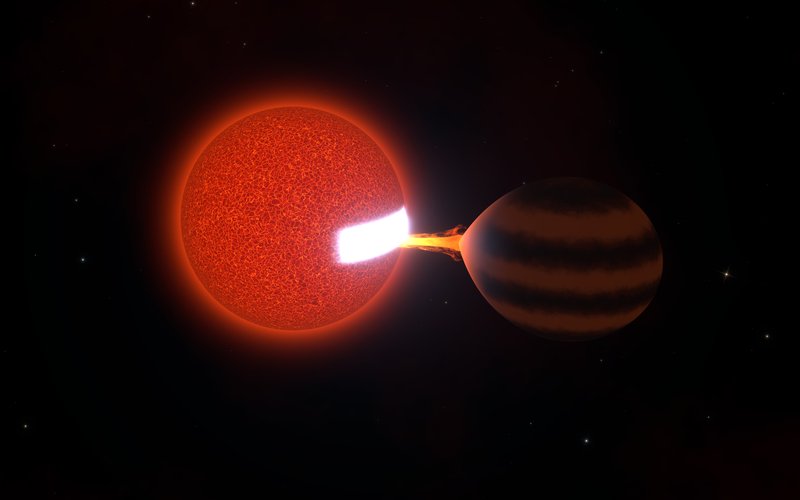
In a system about 300 light-years away, a red dwarf is pulling a steady stream of gas off a brown dwarf every 87 minutes. Astronomers had never caught a star doing this — and the meal may go on for billions of years.
READ STORY
A Warwick-led team reopened a 1999 Hubble spectrum of white dwarf HS 0209+0832 and found chemistry that does not look like any Solar System rock — pointing to a suspected second-generation gas giant boiling off into its dead host.
READ STORY
They sound like science fiction. Their gravity shaped the galaxies we call home — including ours.
READ STORY
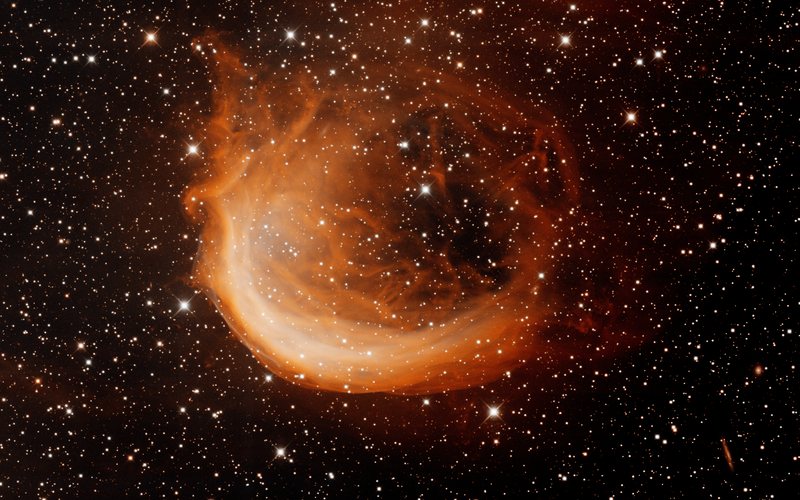
A white-dwarf remnant races through interstellar gas. The bow shock it leaves behind looks like a shrimp.
READ STORY
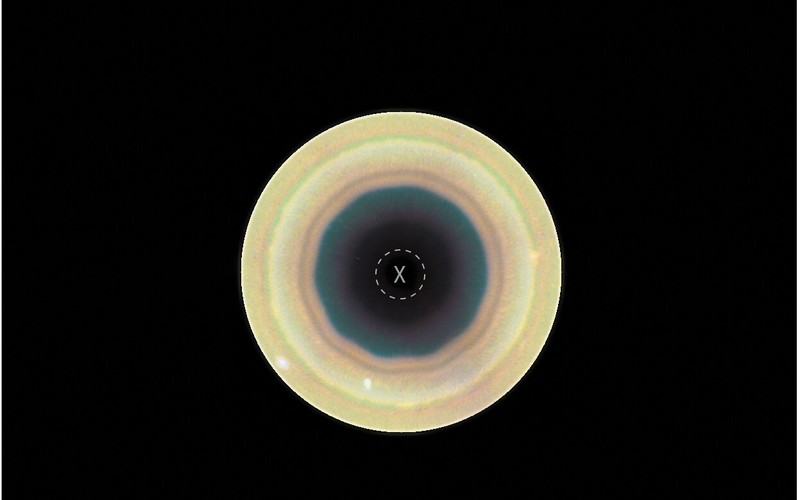
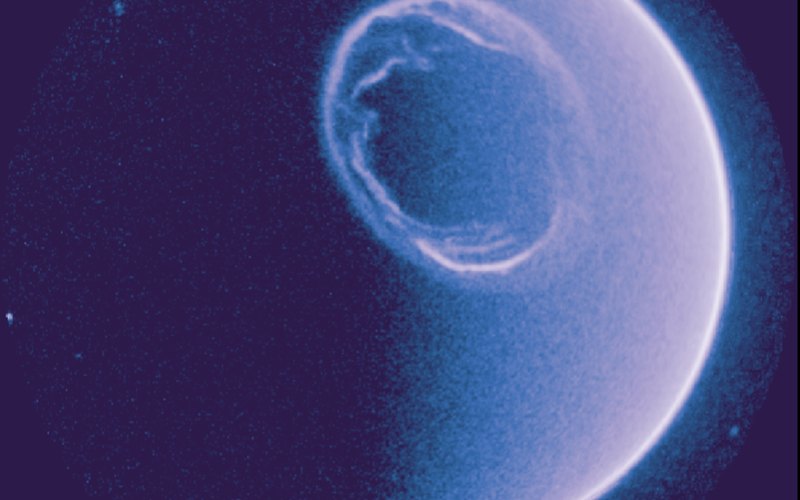
A giant decagon wave is taking shape near Saturn’s south pole — similar to the famous northern hexagon, but newly forming and still evolving.
READ STORY
Ship 42 flew about 14 orbits, then settled into the launch tower’s arms at Starbase. The booster on the same flight aborted its own catch and was lost in the Gulf of Mexico.
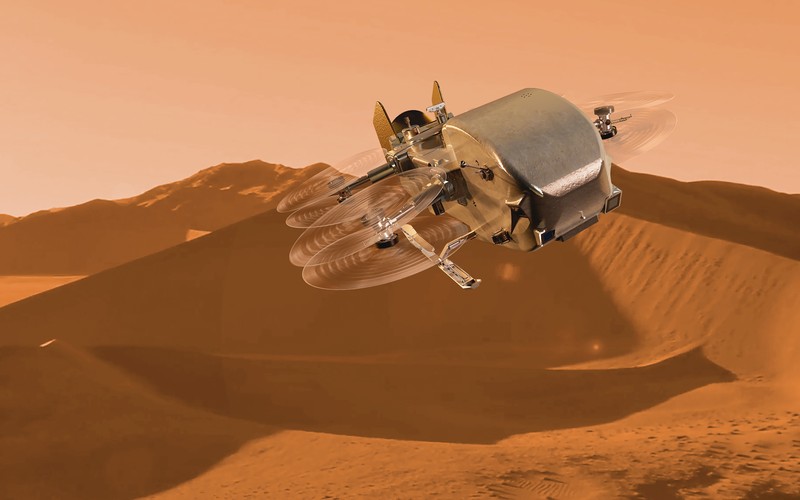
NASA is collecting names for a microchip that will ride aboard Dragonfly, the rotorcraft set to fly across Saturn’s moon Titan. Sign-ups close Jan. 15, 2027.
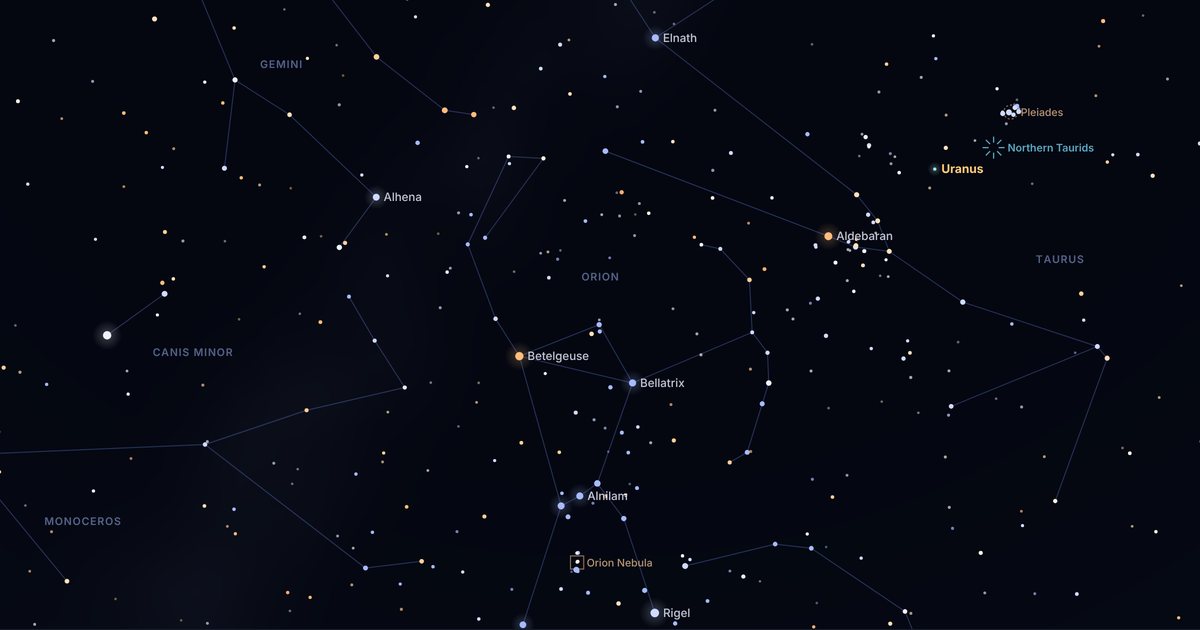
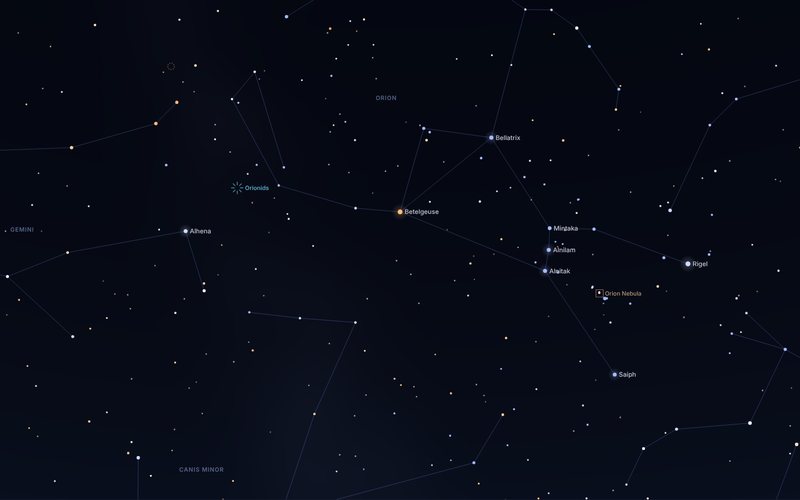
Radio telescopes have found new signs that a small companion star circles the famous red supergiant in Orion, and you can see Betelgeuse in the evening sky right now.
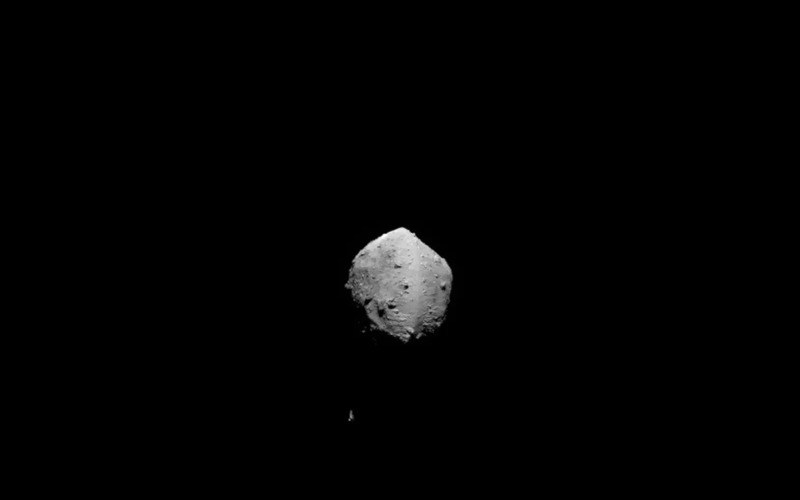
ESA's planetary-defense probe is now close enough to see craters, boulders and strange grooves on the asteroid next door to the one NASA hit in 2022.
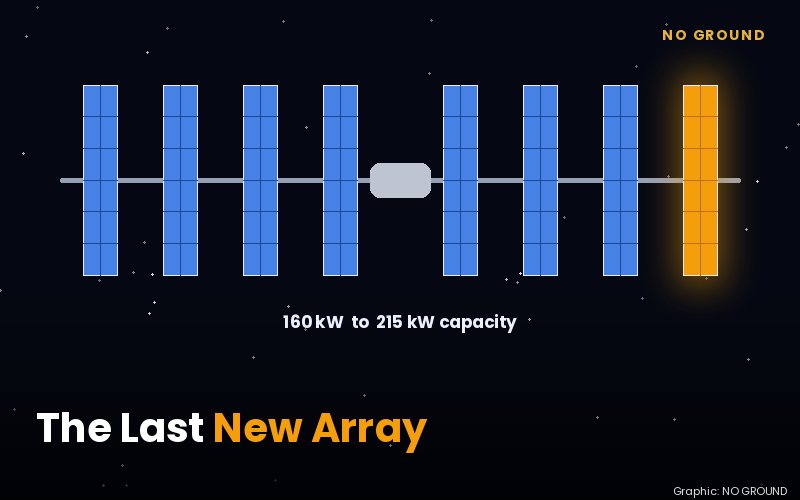
Two astronauts spent almost seven hours outside installing the eighth and final roll-out array, finishing a power upgrade that began in 2021.
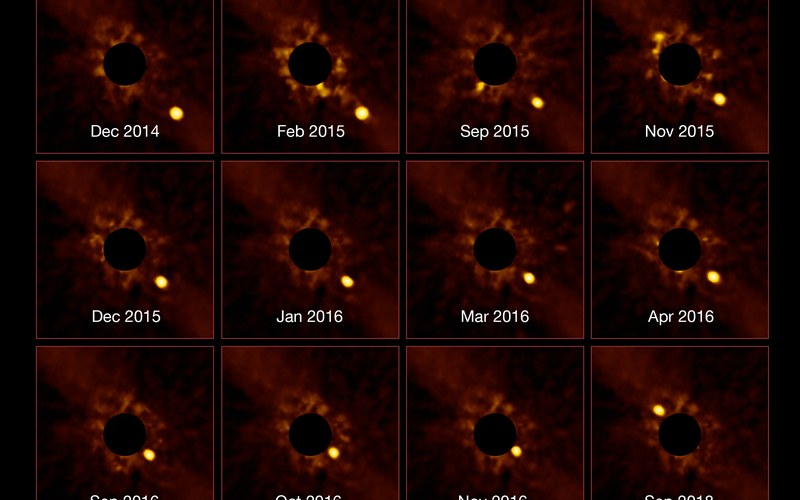
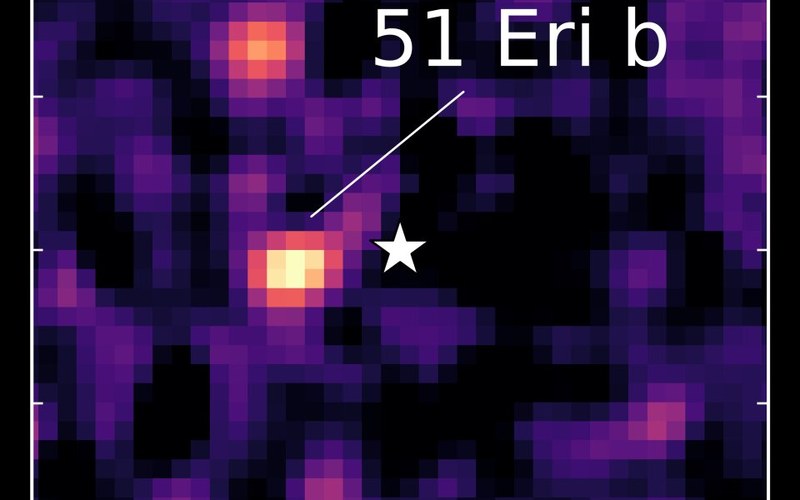
A Northwestern-led team cut through starlight glare with a new physics-based tool — and recovered 51 Eridani b at 4.3 microns for the first time.
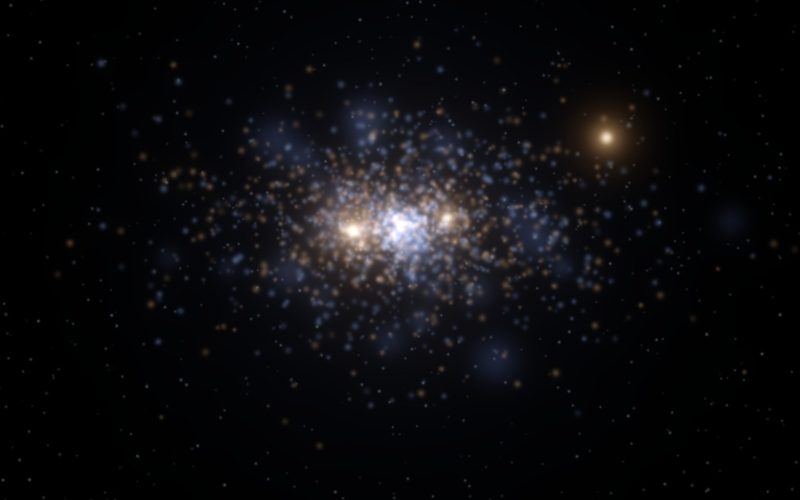
The galaxy is seen as it was 1.2 billion years after the Big Bang. Two of the black holes are about 620 light-years apart and could merge, and a third sits far out on its own.
The observatory that chased the universe’s biggest explosions went quiet in October and re-entered the atmosphere on Nov. 4 over Indonesia. NASA expected most of it to burn up.
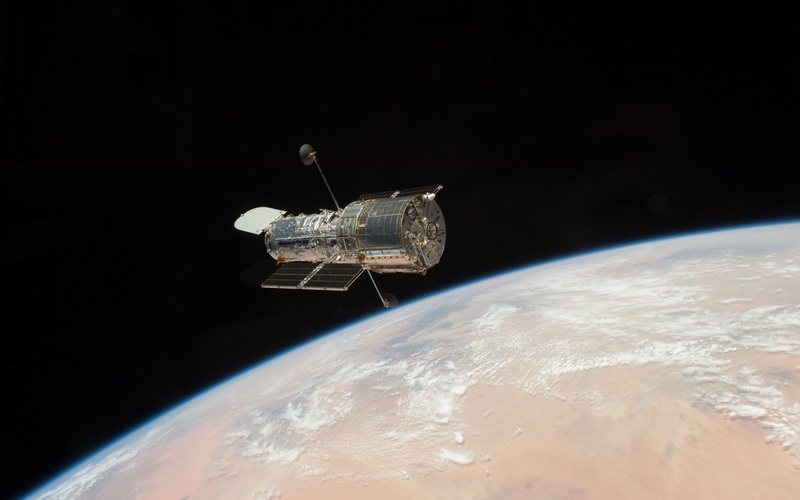
Hubble has no engine, and the thin air around it is slowly pulling it down. On Oct. 29, NASA asked industry who could boost it higher, service it or bring it down safely. It is a request for information, not a mission.
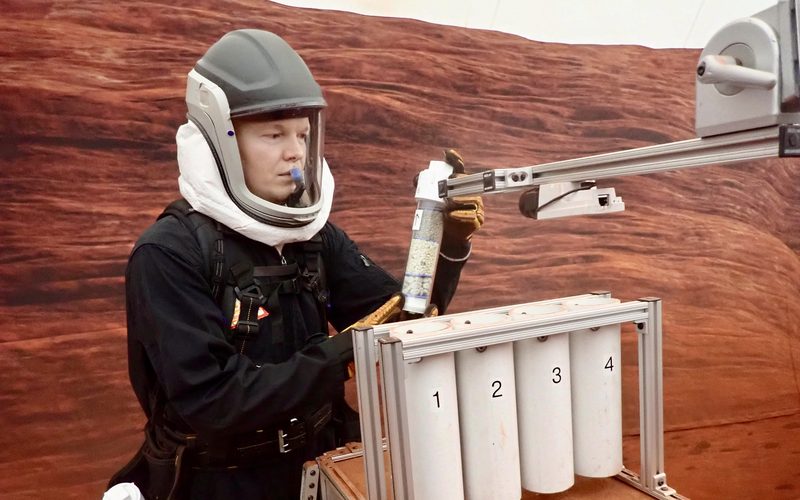
Four NASA volunteers have lived sealed inside a 3D-printed Mars habitat in Houston since Oct. 19, 2025. On Saturday, Oct. 31, they stepped outside for the first time in more than a year.
NASA’s Perseverance rover has measured Martian dust grains as small as about 100 nanometers clinging to spacesuit samples it carries. On Earth, particles that small can reach deep into the lungs.
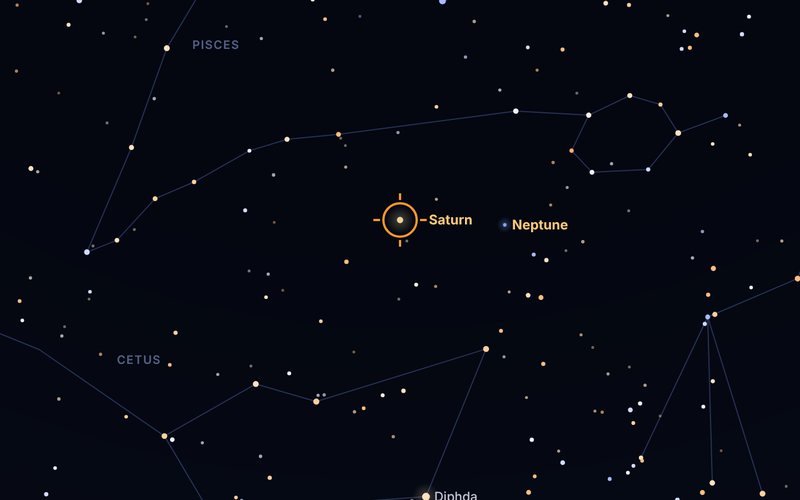
From Monday night, Nov. 2, the Moon stayed out of the evening sky until after midnight. That left Saturn high in the south, a few Taurid meteors, and a free map to help you find your way around.
Five years after launch, NASA’s Lucy is the first spacecraft to enter the region of the Jupiter Trojan asteroids. It has not met one yet: the first close look is less than a year away.
Thursday night and Friday stayed quiet (Kp peaked at 4). Then a CME reached Earth Saturday morning, Oct. 10, and drove a G3 (Strong) storm, mostly in U.S. daylight.
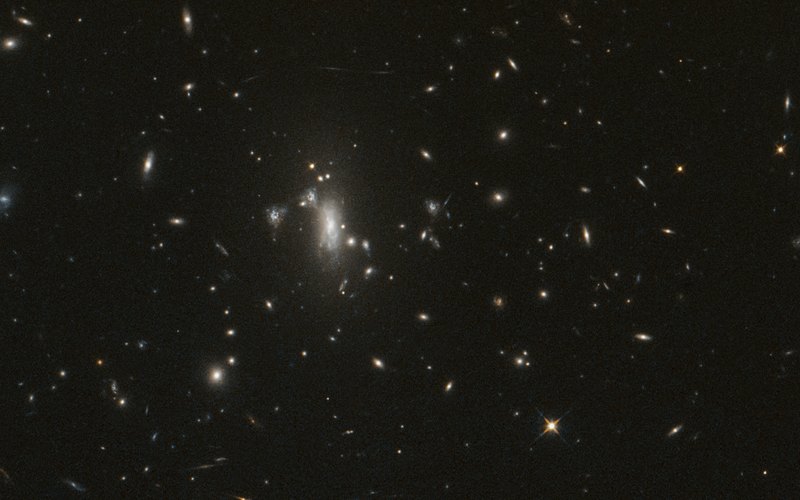
Galaxy cluster MACS J0417 bends light so supernova Athena can arrive along more than one path. Hubble photographed the cluster on the day it finished orbit 200,000.
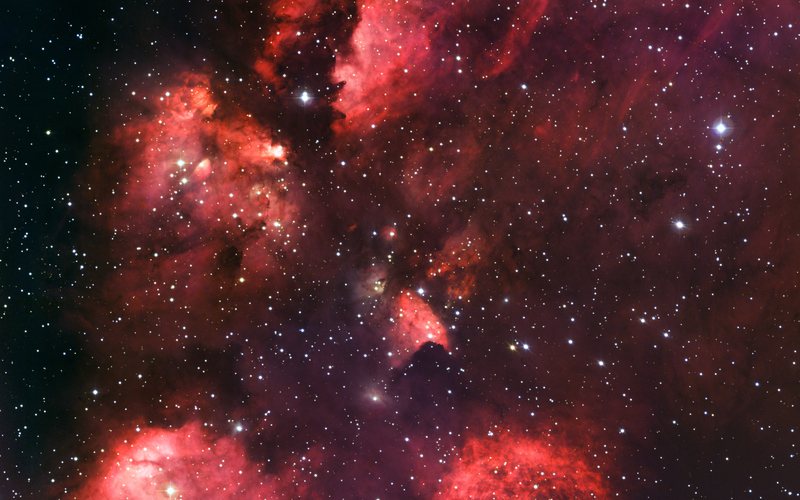
NGC 6334 is a giant cloud of glowing hydrogen where massive stars are being born — and where that birth will eventually shut itself down.
One of the largest Webb images yet frames a nearby stellar nursery — and objects light enough to test how small star formation can go.
MeerKAT caught auroral radio bursts from Beta Pictoris b — not aliens, and not the star. The preprint still awaits peer review.
Declared ready on 23 September, the European–Chinese mission is now approved to watch how Earth answers the solar wind.
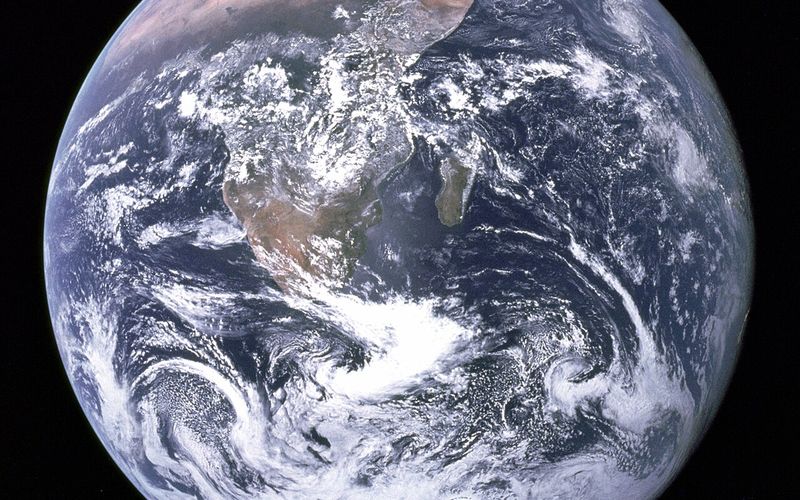
One pale sphere. No borders. A thin blue shell holding every person you have ever known.
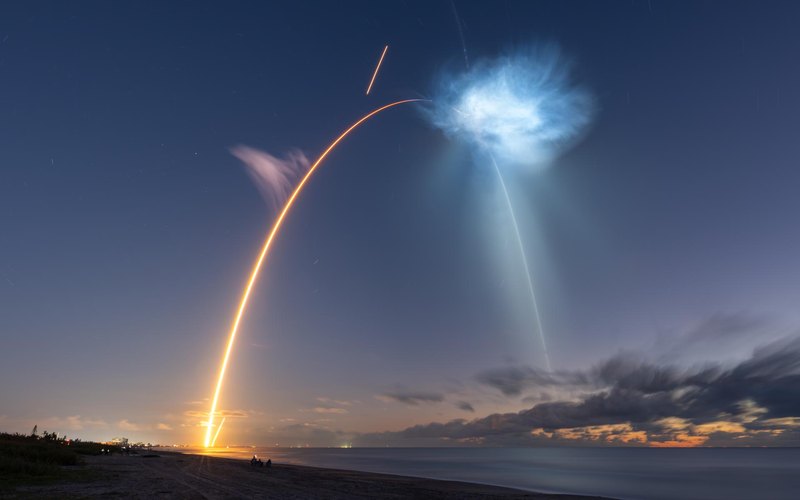
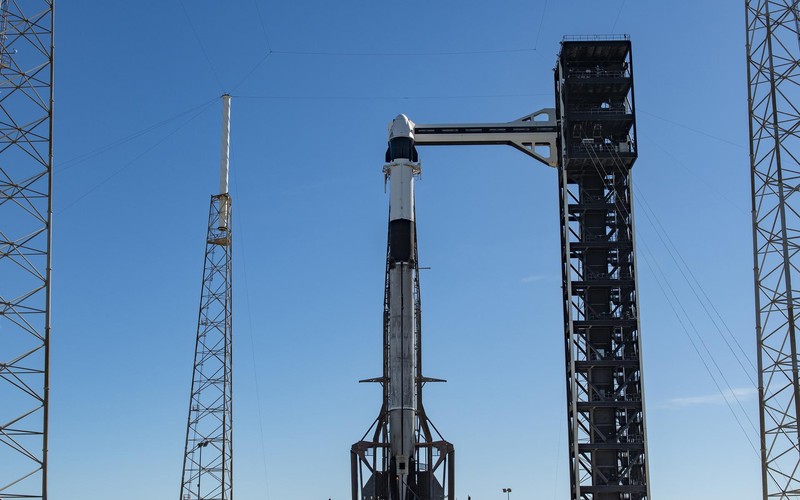
Falcon 9 lifted off at 6:33 a.m. ET Oct. 13 from Cape Canaveral, and its booster landed back at the Cape. Dragon carried more than 6,300 pounds, including the final pair of roll-out solar arrays, and docked at 10:27 a.m. ET Thursday, Oct. 15.
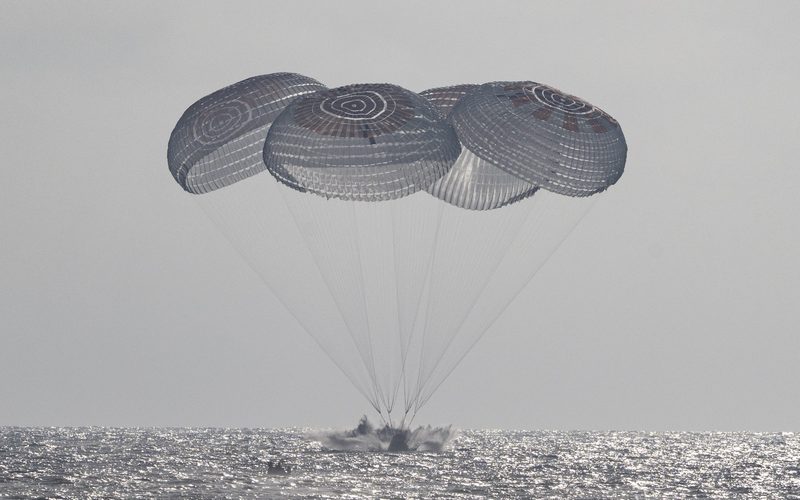
Crew Dragon Freedom splashed down off Los Angeles at 11:34 a.m. EDT on Oct. 8, ending a nearly eight-month space station mission.
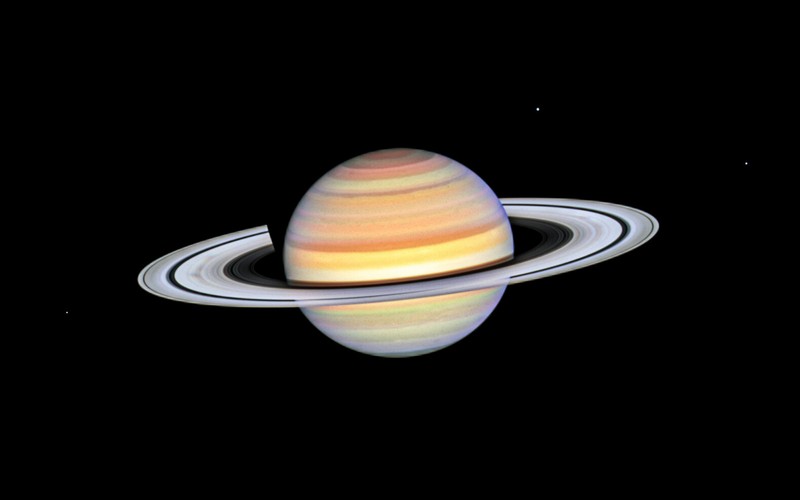
After opposition on Oct. 4, the ringed planet was at its closest and brightest for 2026 — rising at dusk, up all night, and ready for any small telescope.
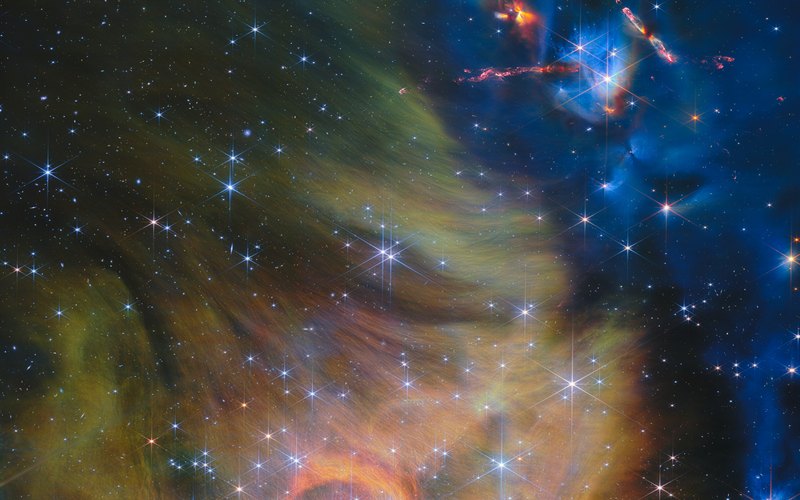
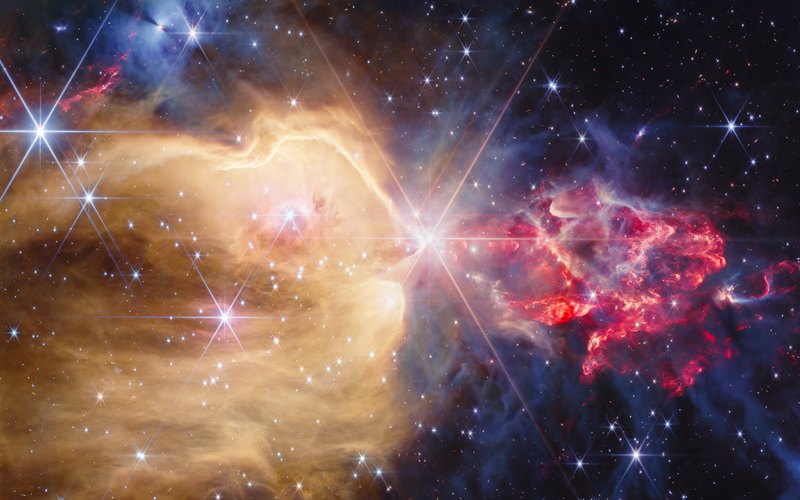
About 3,300 light-years away in NGC 7129, NIRCam shows mature stars carving a golden cavity while younger protostars blast red shocks into the cold dark.
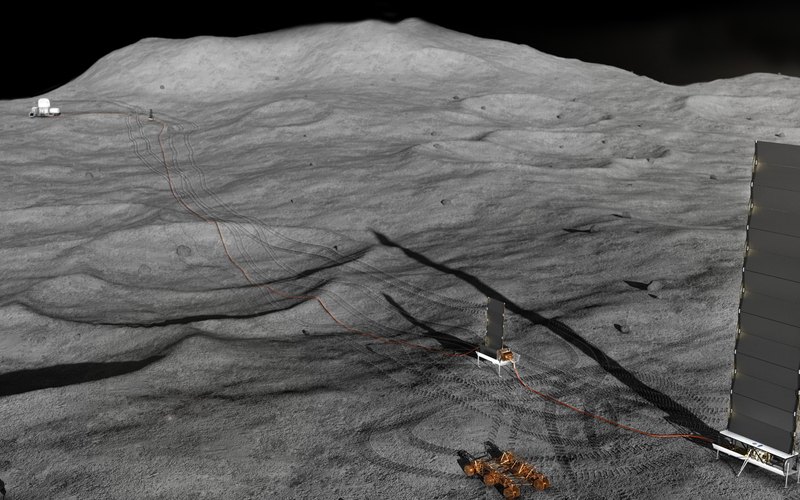
NASA and the Energy Department want a fission power system for the lunar surface by 2030. Russia and China have described power for a joint station in the mid-2030s. Neither machine is on the Moon yet.
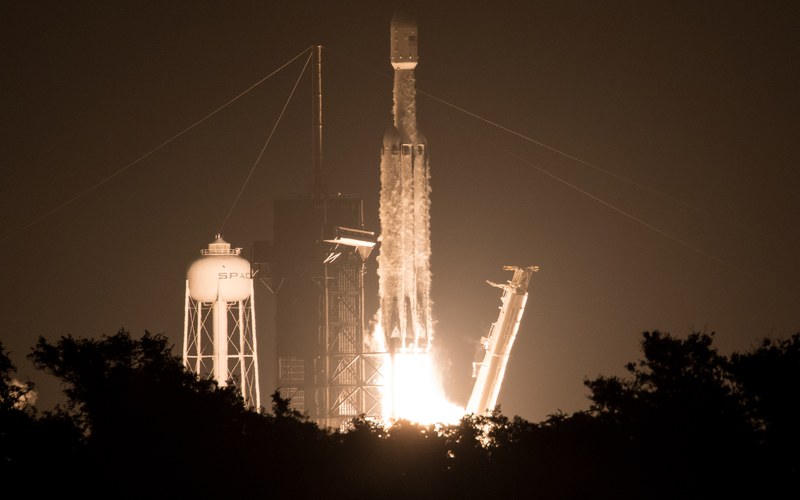
Liftoff at 11:54 p.m. ET Oct. 1 from Launch Complex 39A. First National Reconnaissance Office flight on Falcon Heavy.
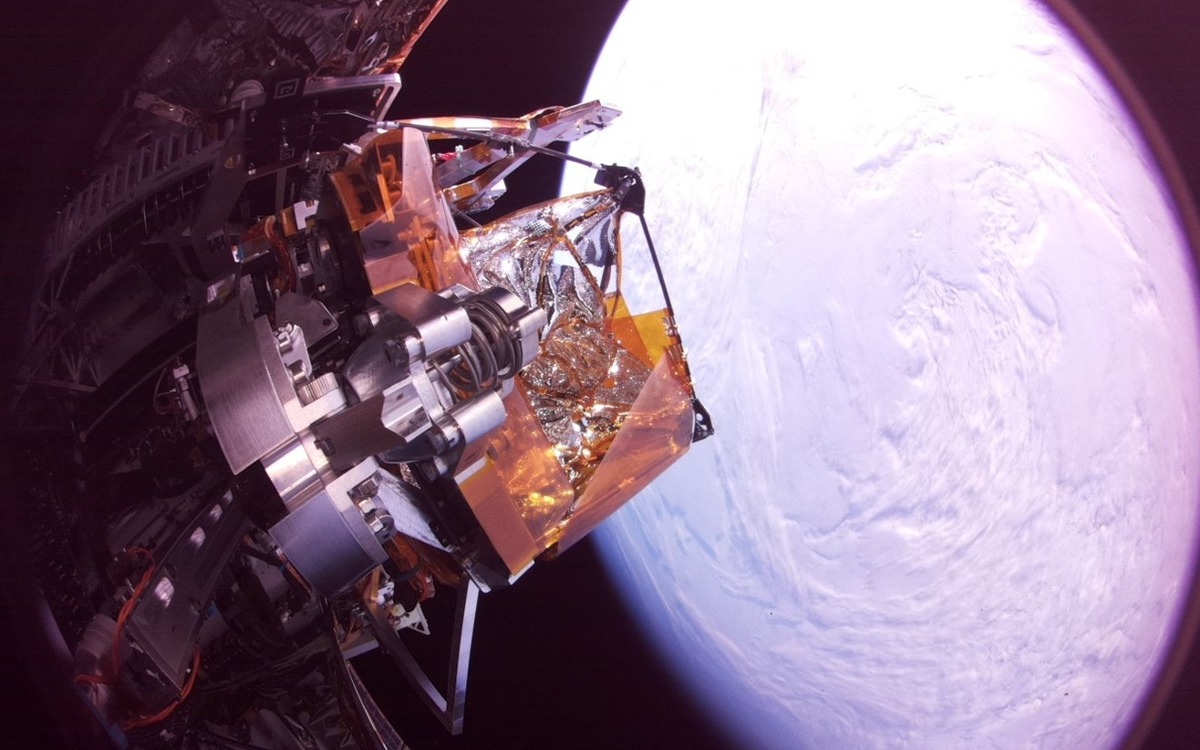
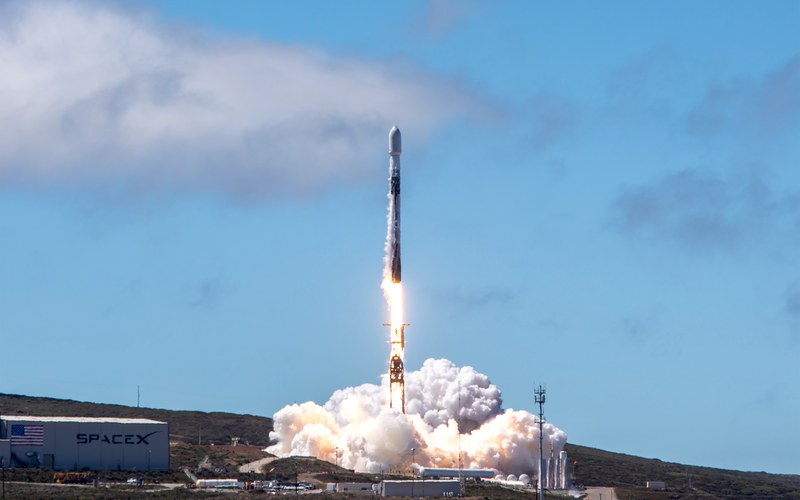
Liftoff ~11:32 a.m. PT from Vandenberg SLC-4E. Deployments wrapped ~3:41 p.m. ET; Google/Planet’s Project Suncatcher rode along.
Docked at 7:05 p.m. EDT Oct. 1 to Harmony’s forward port — 7 hours 55 minutes after liftoff. The hatch opened at 9:19 p.m. EDT.
Flight 14 left Starbase, delivered 26 Starlink satellites, then came home hard — a Pacific splashdown wrapped in fire.
Stories worth exploring from NO GROUND.
Stories worth your time, plus reels you can watch in 30 seconds. Follow NO GROUND so you never miss what's happening beyond Earth.