 No Ground
Astronomy
Stars, galaxies, and the deep-sky objects that shape our cosmic address.
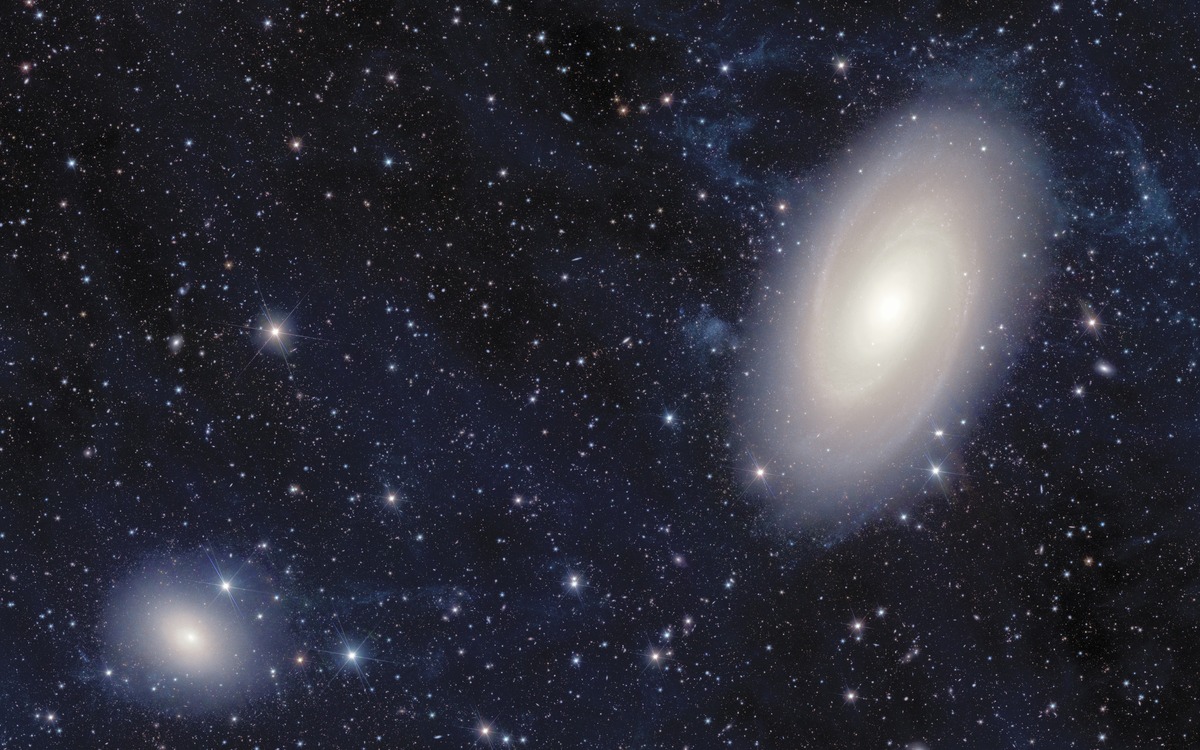
Euclid Just Mapped 900 Million Galaxies
ESA’s Euclid space telescope released its first big batch of survey data: about 1,900 square degrees of sky, more than 900 million galaxies, and 15,000 cosmic lenses. It is only 14% of the job.
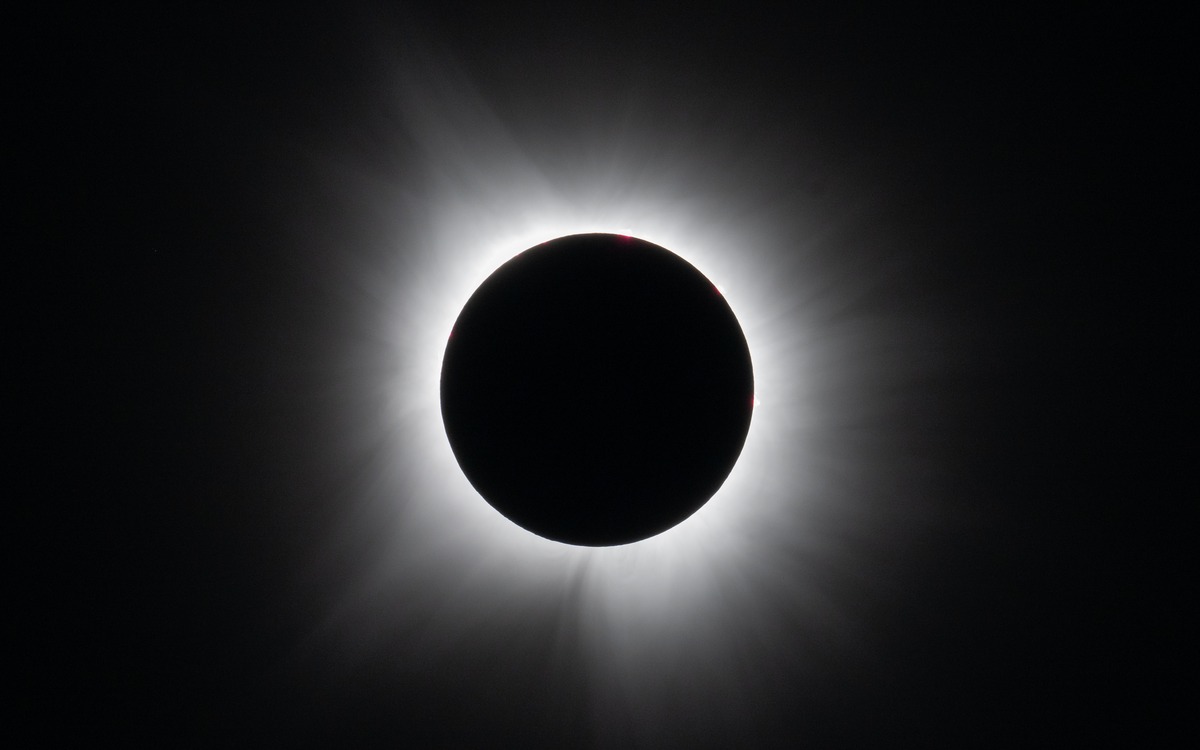
A Planet Vanished While Astronomers Were Watching
For seven years, NASA’s TESS watched a giant planet cross its star. Then the crossings stopped. A hidden neighbor is tilting its orbit, and it may not line up again for 30 to 50 years.
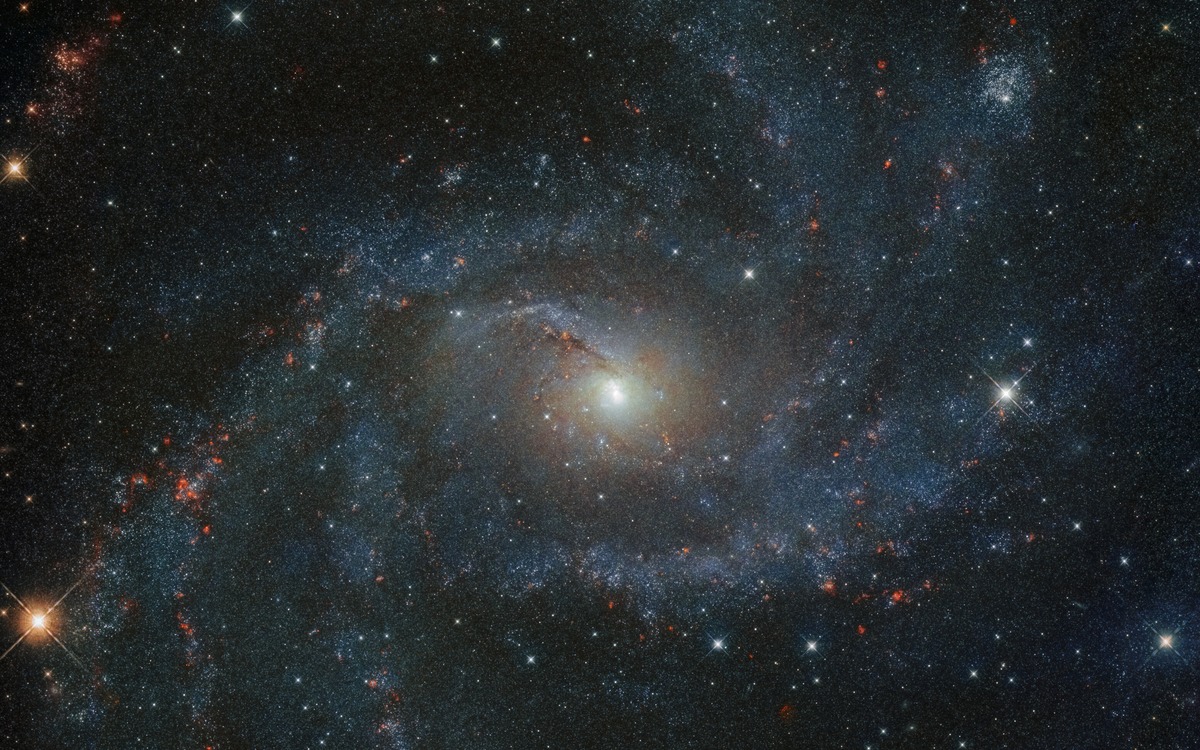
Some Stars Don’t Explode. They Just Vanish.
A new study of 257 black hole collisions suggests many giant stars may die without a supernova, collapsing quietly into black holes and leaving only a dark patch of sky.
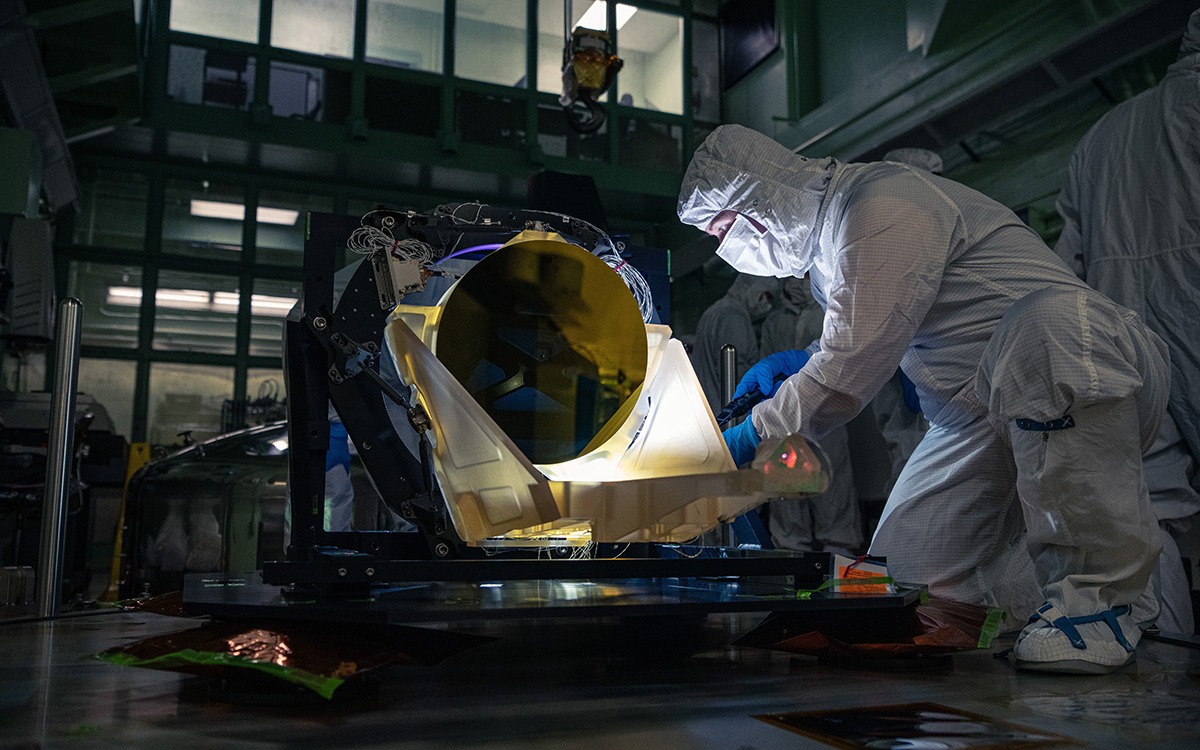
Planets Around Dead Stars Could Show Up in Ripples of Space-Time
Two NASA-led studies show how the future LISA observatory could find planets orbiting pairs of white dwarfs through gravitational waves, and how Webb could confirm some of them.
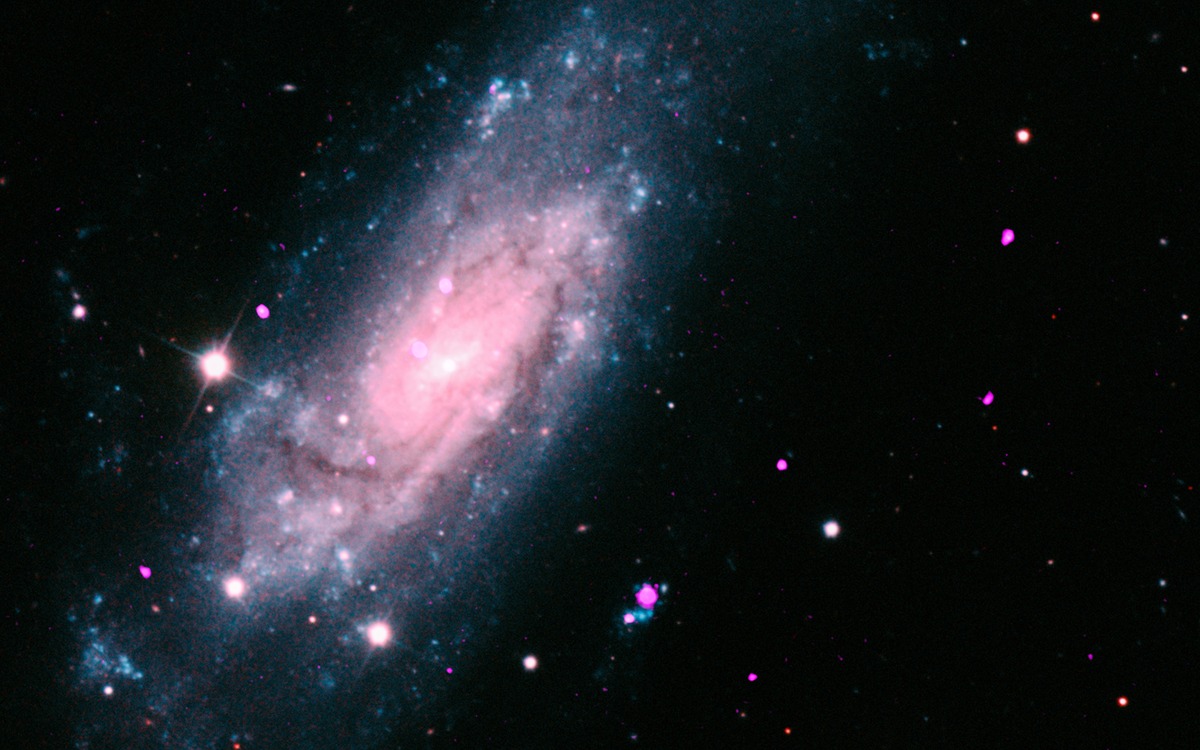
This Star Keeps Faking Its Own Death. Now We Know Why.
Every 113 days, a giant star in another galaxy flares up like a supernova and survives. NASA’s Chandra has found what sets it off: a black hole or neutron star on an oval orbit around it.
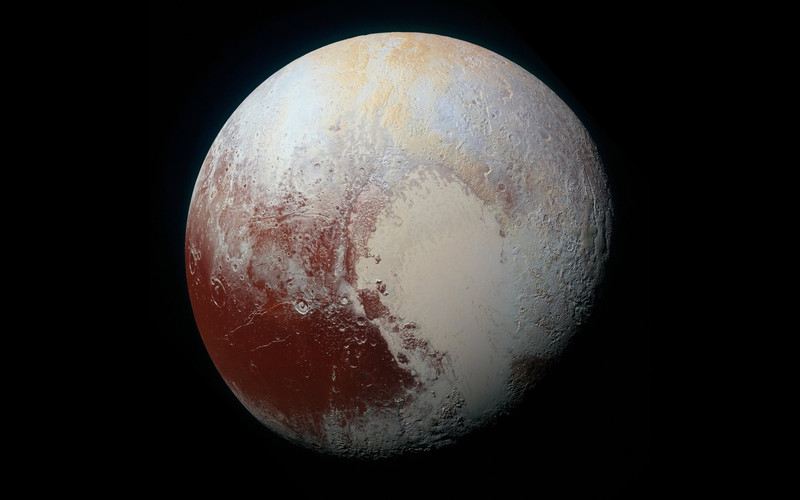
Pluto Hasn’t Completed One Orbit Since Its Discovery in 1930
A year on Pluto lasts about 248 Earth years. Its first full trip around the Sun since discovery will finish around 2178.
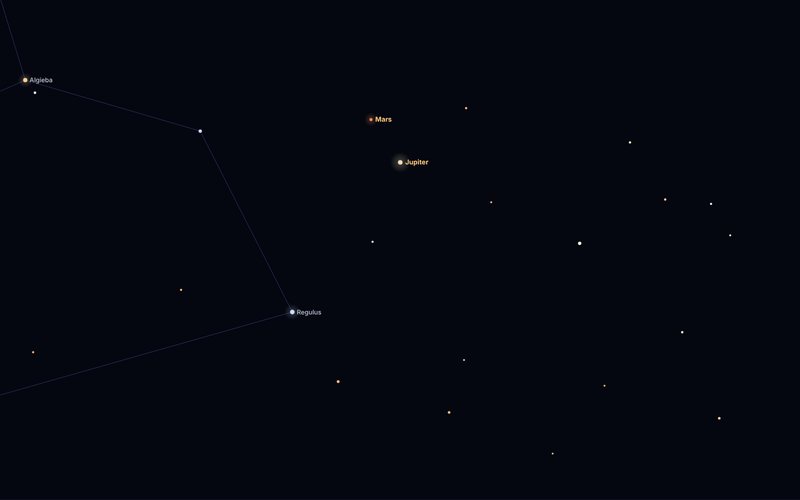
Mars Meets Jupiter, the Leonids Arrive, Then a Supermoon: Your Next Three Weeks of Sky
Northern Taurids Nov. 12, Mars and Jupiter side by side Nov. 15 and 16, the Leonids Nov. 17 and 18, and a supermoon on Nov. 24. Here is where to look.
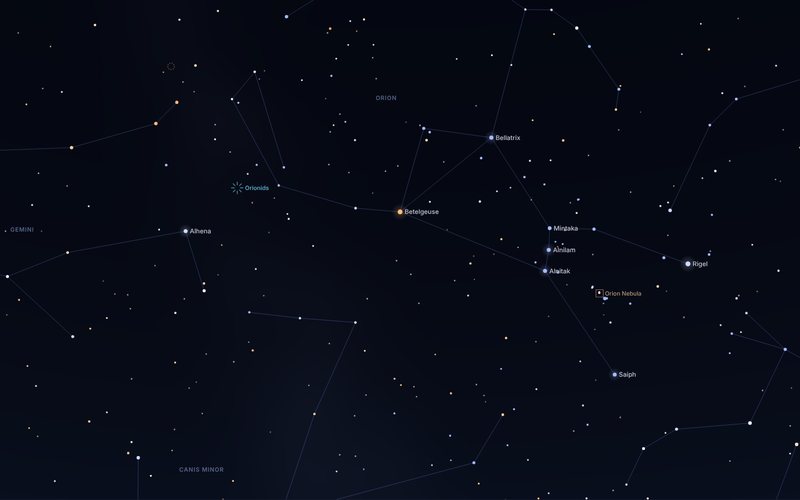
A Hidden Star May Be Plowing Through Betelgeuse’s Atmosphere
Radio telescopes found new signs that a small companion star, Siwarha, circles Betelgeuse and stirs its atmosphere. You can see Betelgeuse in the evening sky now.
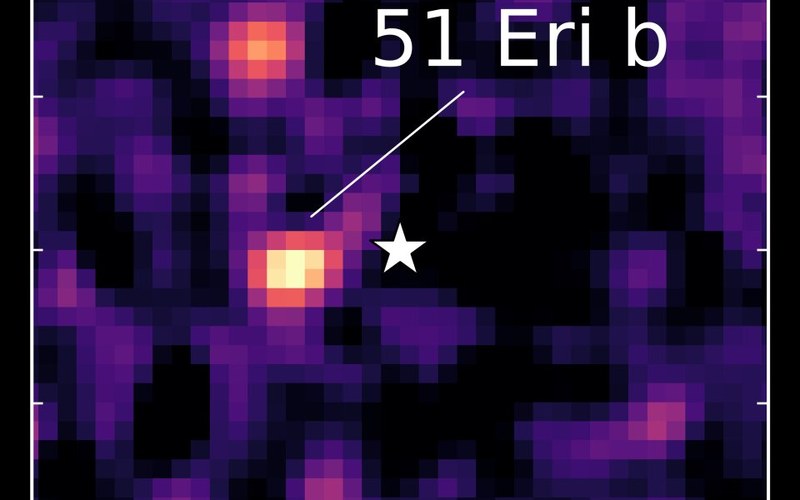
A Giant Planet Was Hiding in Old Webb Images
FLIP recovered giant exoplanet 51 Eridani b in existing JWST images at 4.3 microns — the first detection at that wavelength — and boosted sensitivity by up to 15 times.
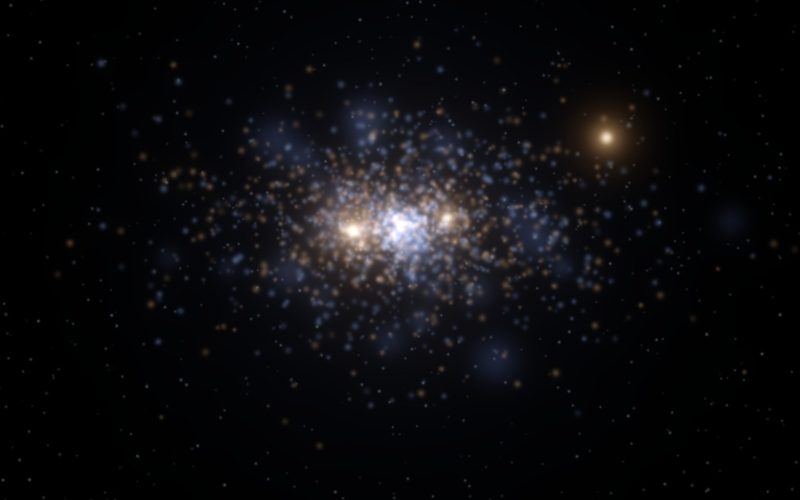
Webb Found Three Giant Black Holes Packed Into One Baby Galaxy
Webb found three actively feeding black holes in one galaxy seen 1.2 billion years after the Big Bang. Two are 620 light-years apart and may merge.
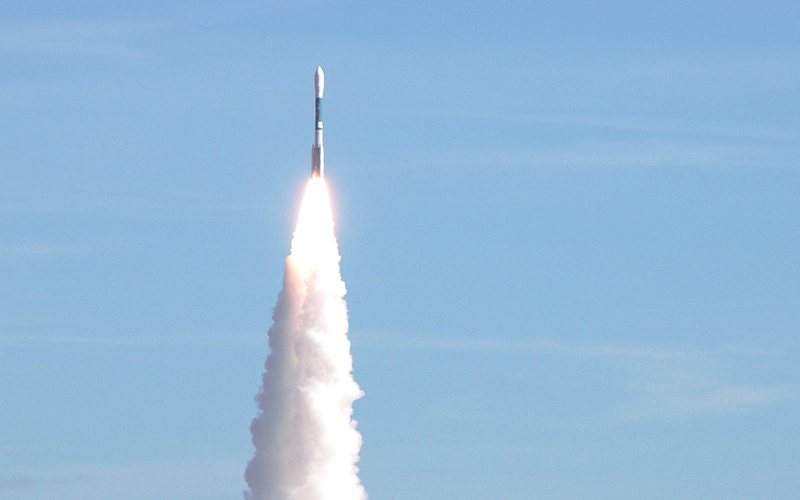
NASA’s Swift Fell Back to Earth After Nearly 22 Years
Swift spent almost 22 years catching gamma-ray bursts. Drag pulled it down, and it re-entered over Indonesia on Nov. 4.
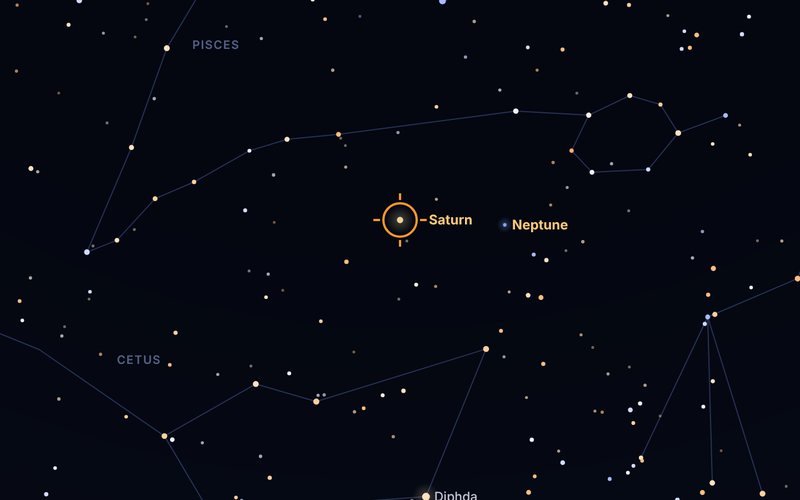
The Moon Stepped Aside in Early November. Here’s What the Dark Sky Showed.
From Monday night, Nov. 2, the Moon stayed out of the evening sky until after midnight, leaving Saturn high in the south and a few Taurid meteors.
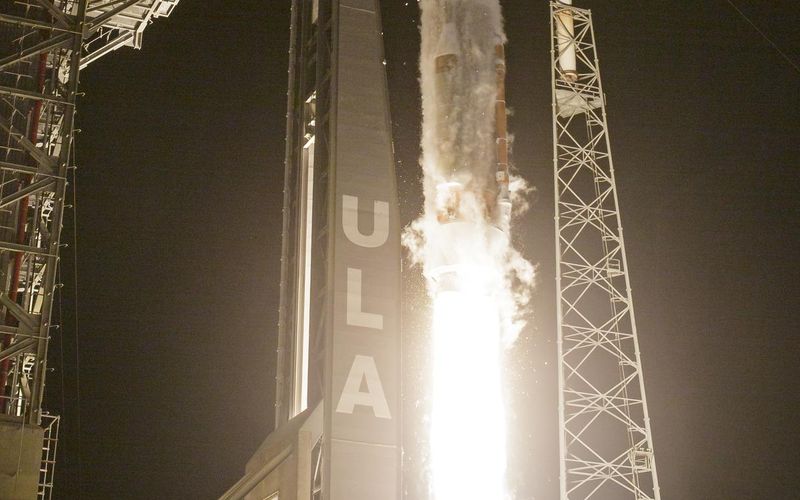
Lucy Has Reached the Jupiter Trojan Region
Five years and 2.2 billion miles after launch, Lucy is the first spacecraft to enter the Jupiter Trojan region. The first asteroid flyby is Aug. 11, 2027.
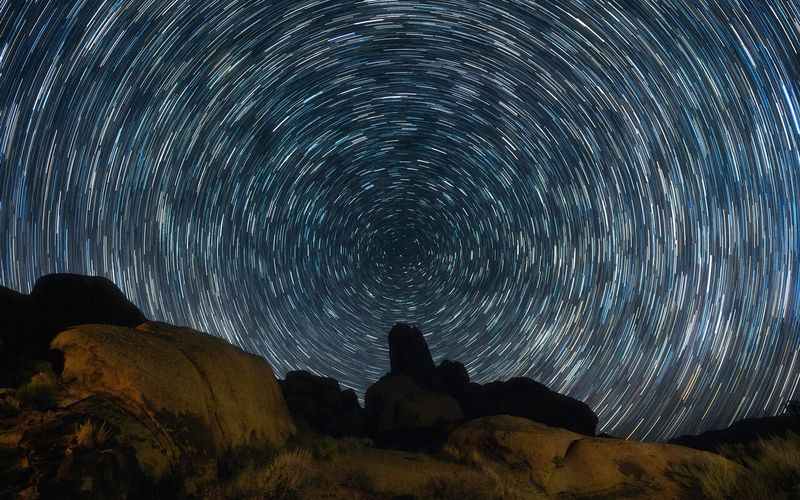
Why Doesn’t the North Star Move?
Polaris is hundreds of light-years away, and Earth’s axis points almost straight at it. It won’t be the North Star forever: our axis wobbles on a 26,000-year cycle.
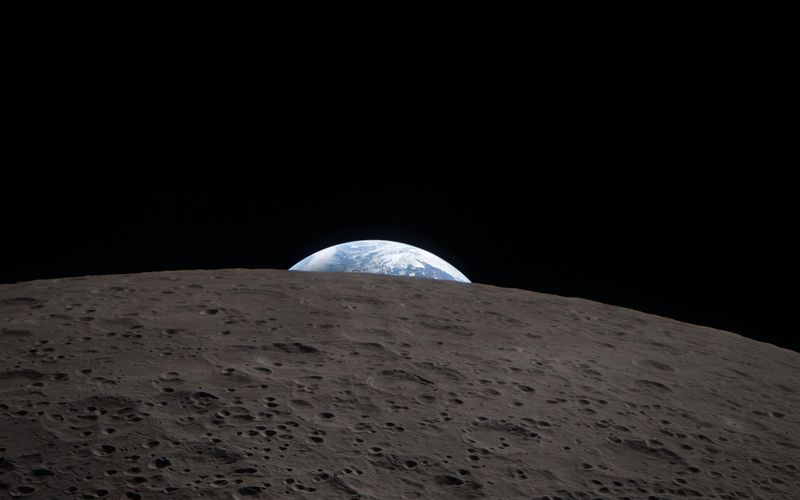
The Moon Is Slowly Leaving Us
The Moon drifts about 3.8 cm (1.5 in) farther from Earth each year, measured with lasers. NASA estimates total solar eclipses end in more than 600 million years.
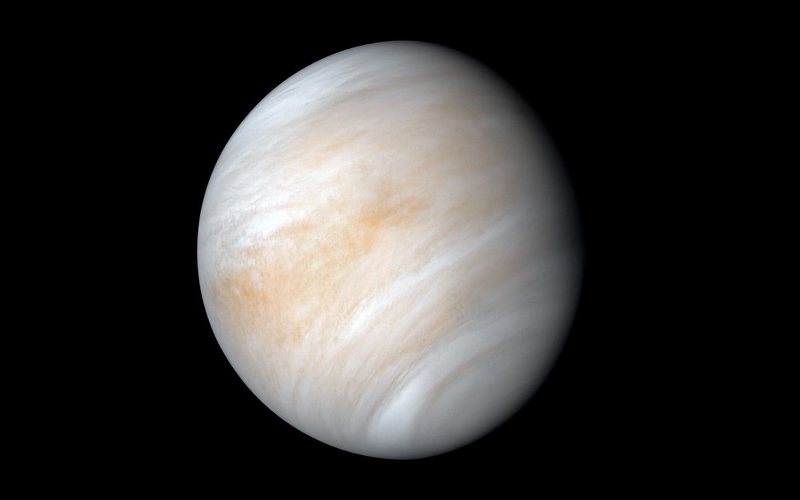
What would happen if you landed on Venus?
About 465 °C, 90+ times Earth’s air pressure, sulfuric acid clouds, and a day longer than its year. Venera 13 lasted 127 minutes.
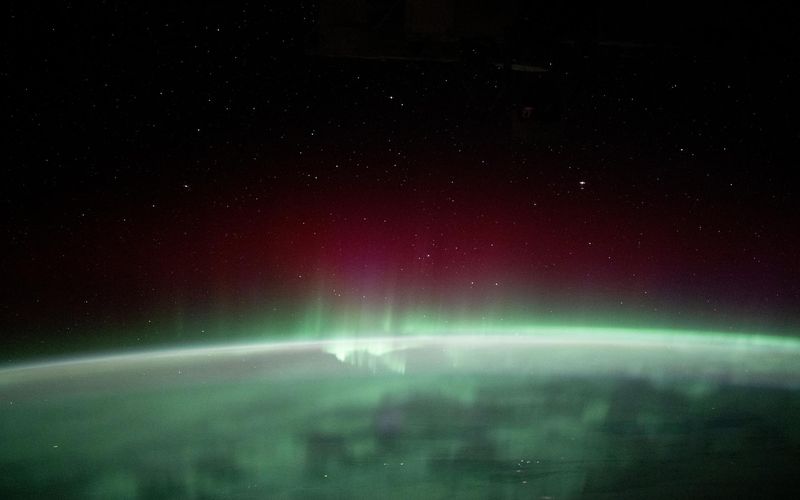
A small aurora chance on Oct. 20, then the Orionid peak
NOAA’s G1 watch for Oct. 20: Kp up to 4.67 from 5 to 8 p.m. ET, best at high latitudes. The Orionids peaked the night of Oct. 21–22.
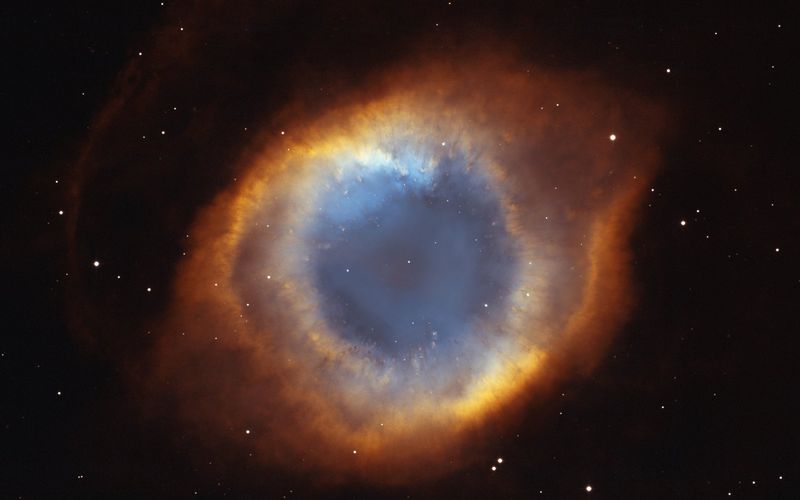
Astronomers find the first known green star
WD J1330+6435 would glow chartreuse green up close: sodium from swallowed rocky debris absorbs its orange light.
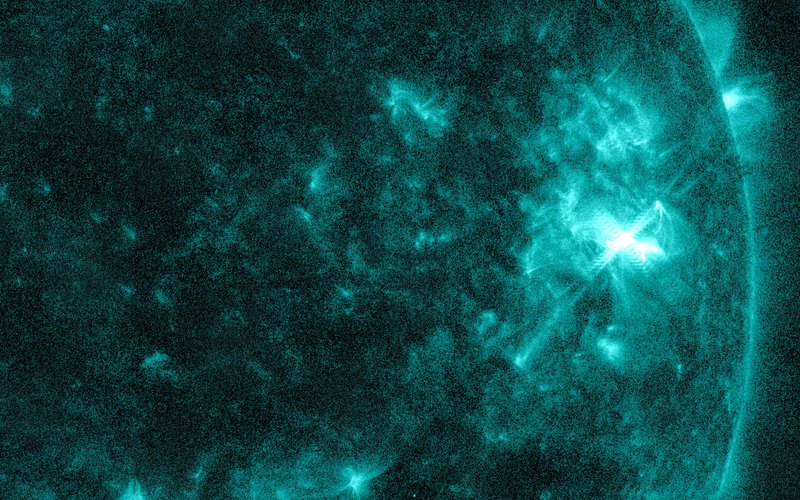
G3 solar storm hit Earth Oct. 10; G2 was possible that night
CME hit about 10:34 a.m. ET Oct. 10; Kp 7 (G3) from 1:58 p.m. NOAA forecast G2 for 8–11 p.m. ET that night. A new M6.4 flare launched a halo CME.
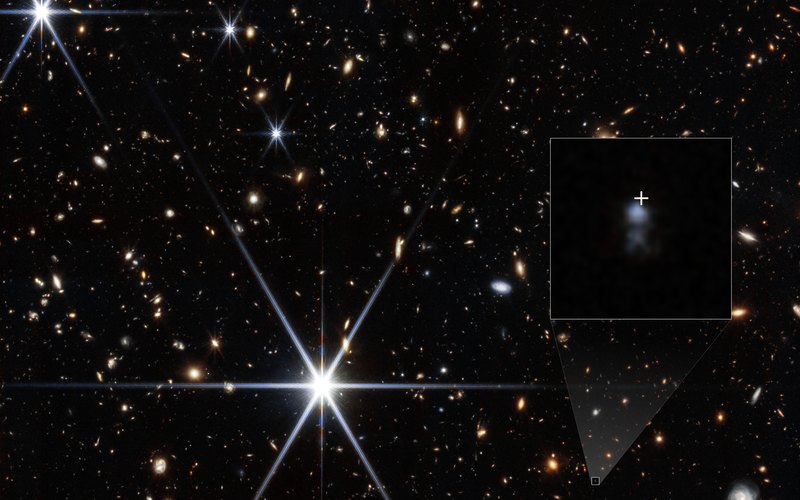
Webb finds the home of the most distant fast radio burst
A radio flash from 3 billion years after the Big Bang came from a tiny, young galaxy. The clue points to magnetars.
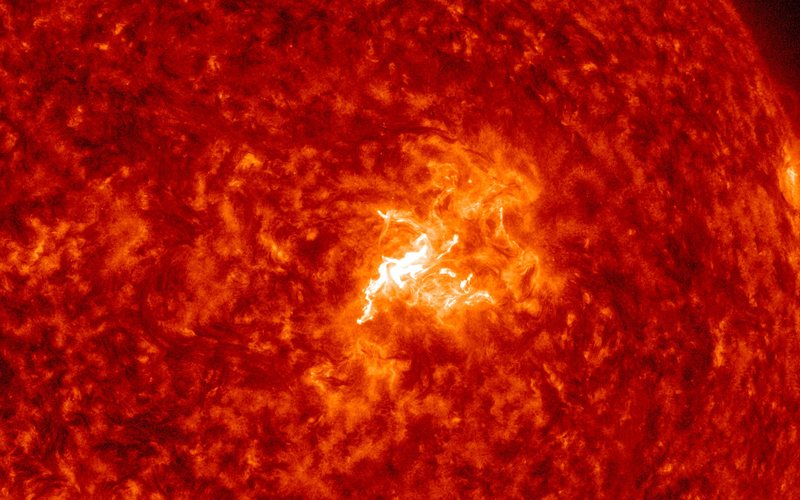
M6.7 flare on Oct. 8; the weekend storm arrived Saturday
M6.7 peaked 11:48 a.m. ET Oct. 8. A CME hit Saturday, Oct. 10, and drove a G3 storm; NOAA forecast G2 for 8–11 p.m. ET that night.
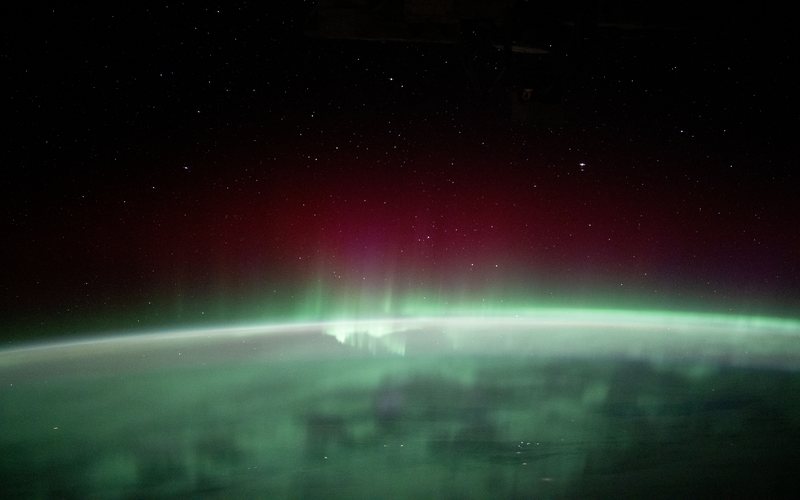
Oct. 8–9 aurora forecast fizzled; a G3 storm hit Saturday
Friday’s forecast storm fizzled (max Kp 4). A CME hit Saturday, Oct. 10, and drove a G3 storm, mostly in U.S. daylight.
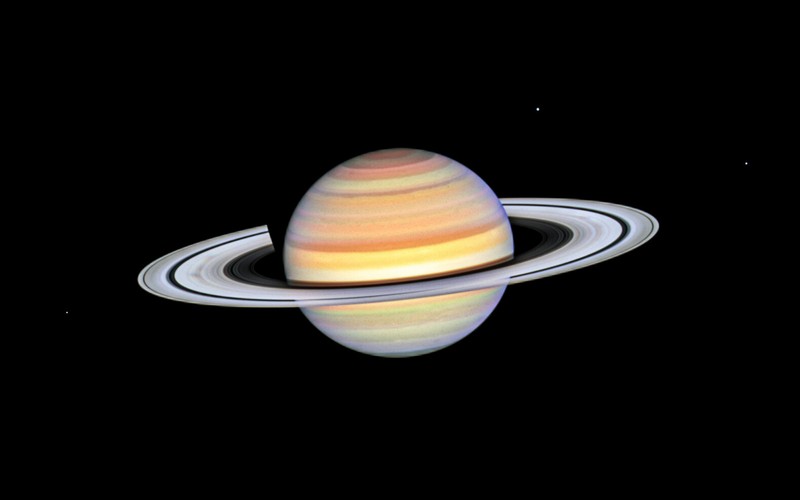
Saturn was at its best in early October
After Oct. 4 opposition: closest and brightest for 2026, up all night, rings opening again.
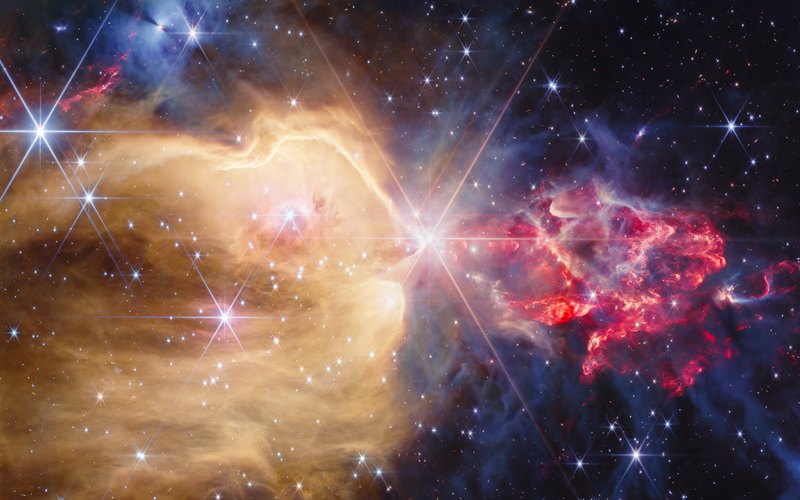
Webb peels open a stellar nursery in Cepheus
Gold hot atomic hydrogen on one side, red protostar shocks on the other — Webb’s new NIRCam portrait of NGC 7129.
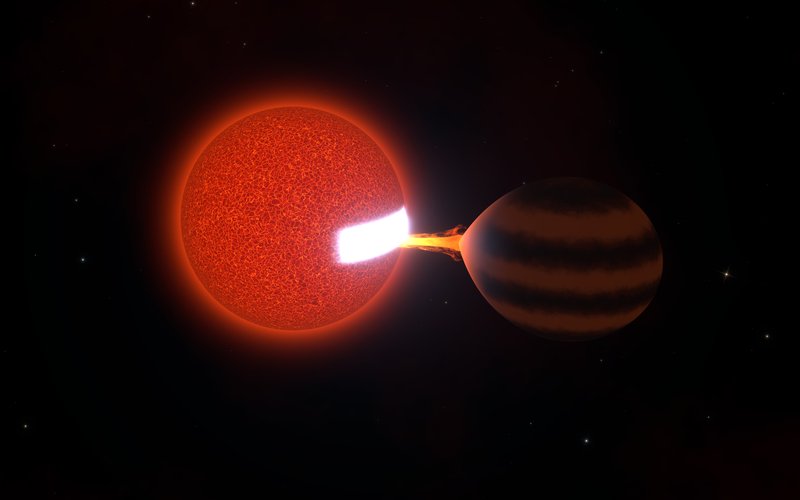
A star is slowly eating a brown dwarf
Every 87 minutes, a strange triangle of light: a red dwarf feeding on a brown dwarf in an orbit that could fit inside the Sun. A first — and it could last billions of years.
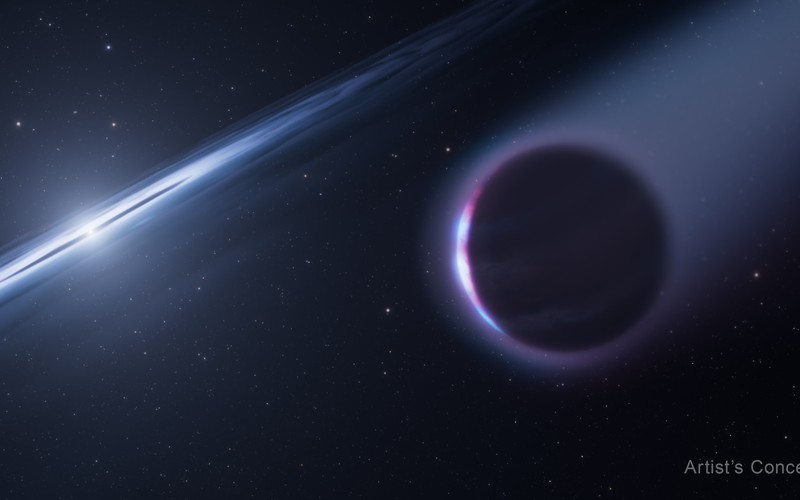
A planet candidate risen from a dead star’s ashes
Hubble’s cold case on white dwarf HS 0209+0832 points to a suspected second-generation gas giant. Strong evidence — still a candidate.
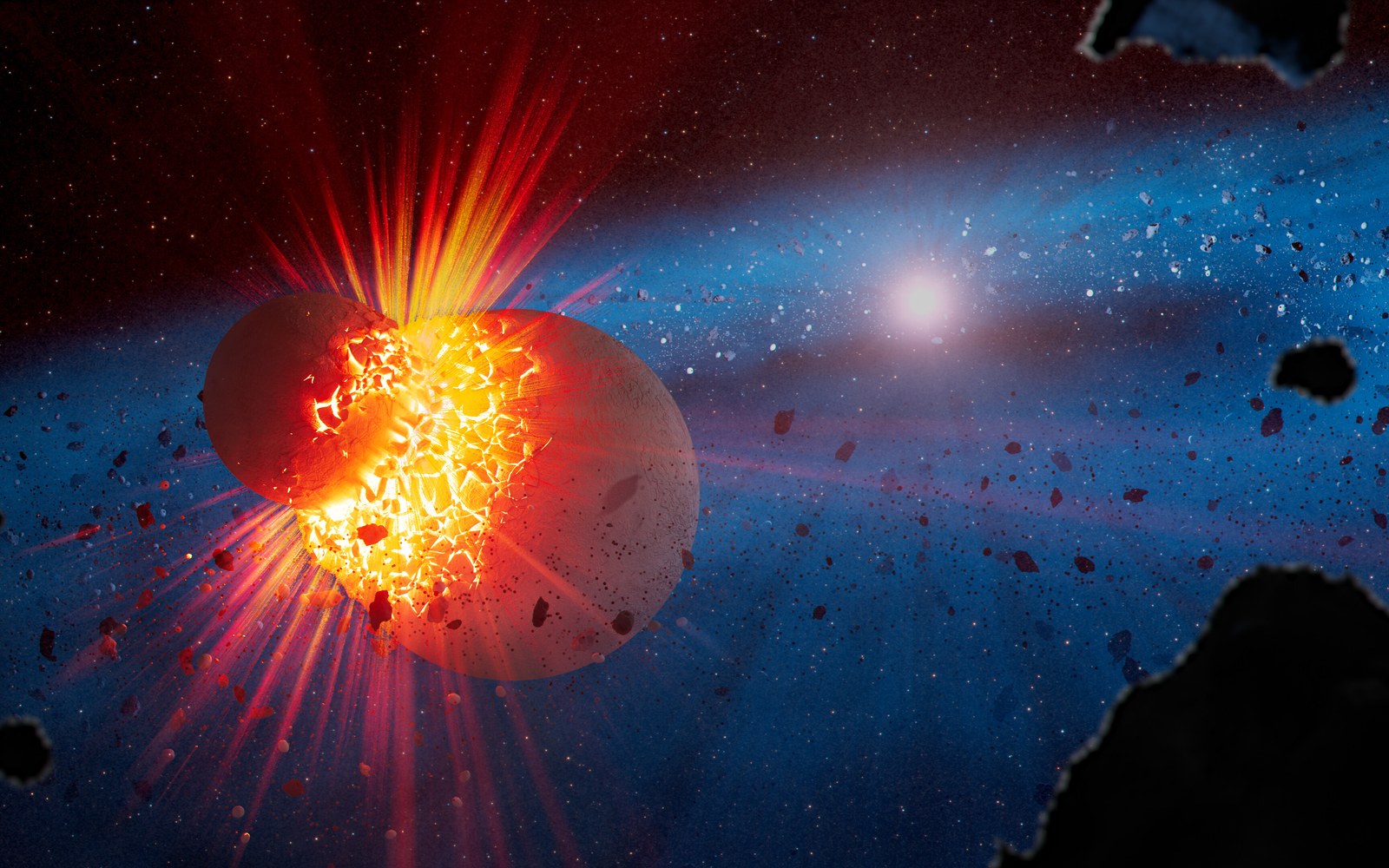
Webb finds dust from planet-shattering collisions
A rare class of warm dusty disks around young stars carries silica clues to Mars-sized smashups — the kind that may have made our Moon — and quieter Moon-sized grazes.
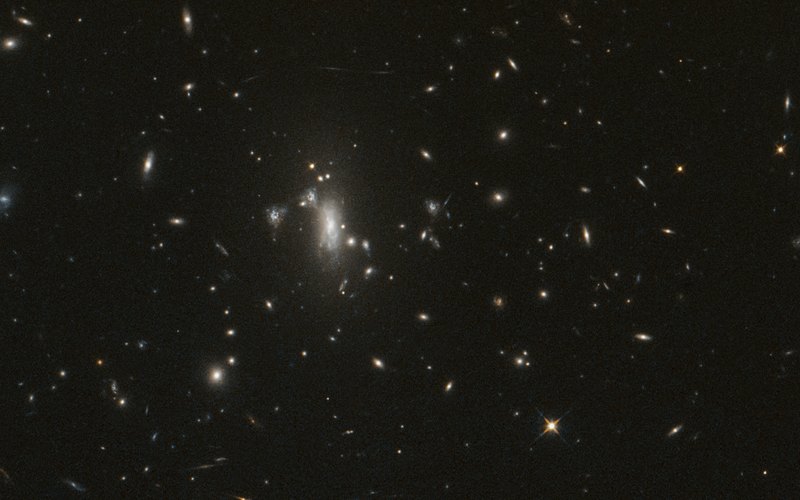
One star died. Earth will see it more than once.
On orbit 200,000, Hubble watched a galaxy cluster that can show the same star explosion more than once. Supernova Athena should reappear by early March 2027.
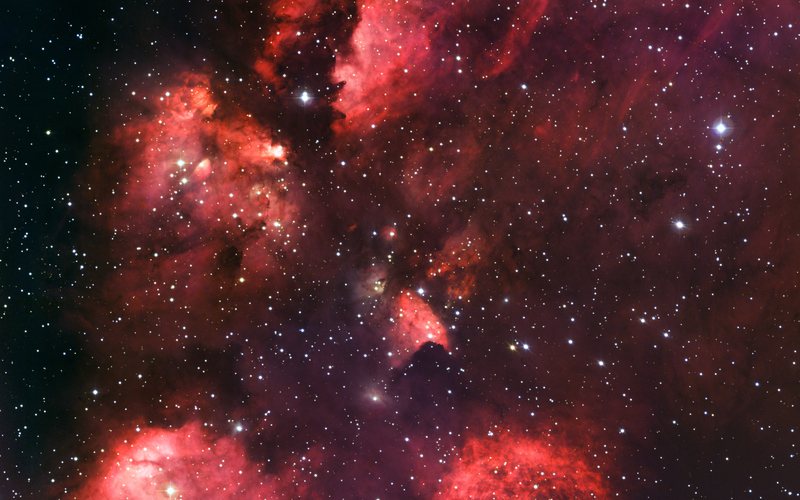
The Milky Way left a cat’s paw in the sky
NGC 6334 is a giant cloud of glowing hydrogen where massive stars are being born — and where that birth will eventually shut itself down.
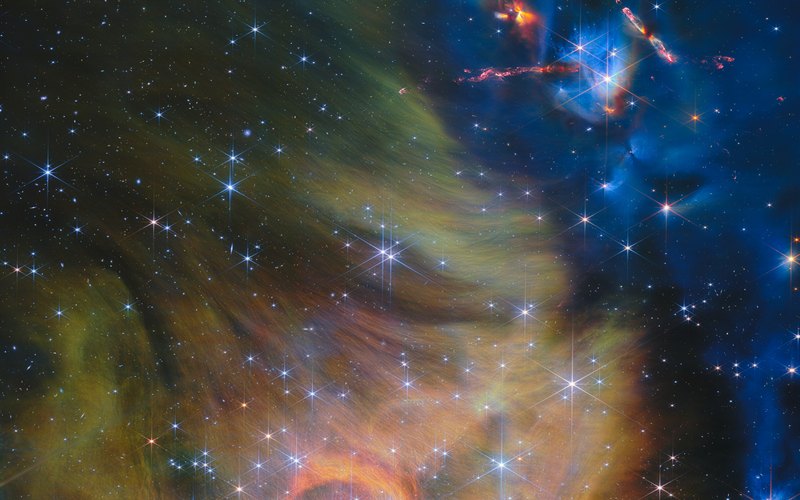
Webb finds brown dwarfs barely heavier than Jupiter
A huge NIRCam panorama of IC 348, 1,000 light-years away, frames brown dwarfs with mass estimates near two Jupiters — and jets from newborn stars.
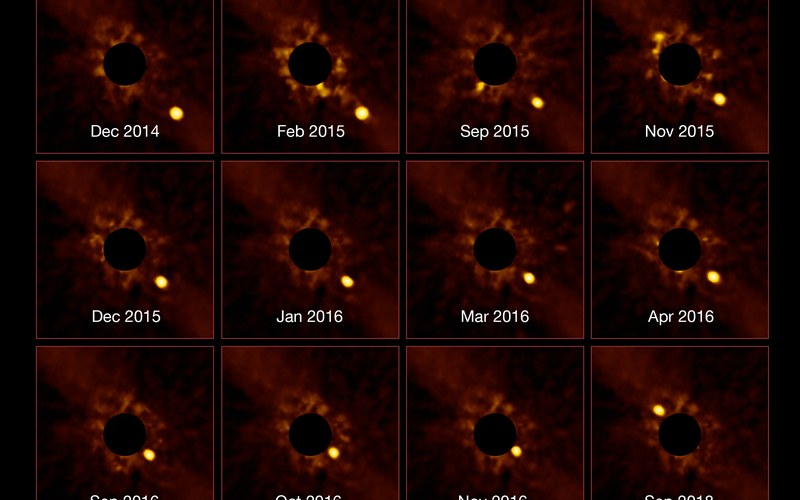
First direct radio signal from an exoplanet
MeerKAT localized auroral radio bursts to Beta Pictoris b — the first unambiguous radio detection from an exoplanet rather than its host star. Preprint awaiting peer review.
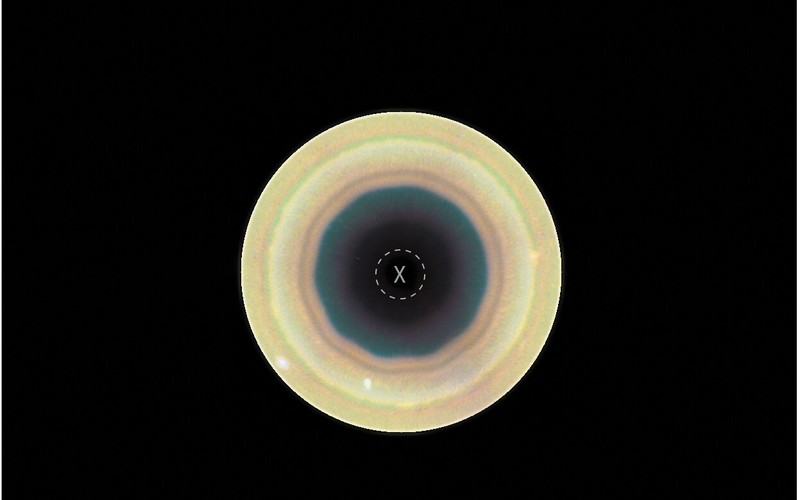
Hubble tracks a new 10-sided storm on Saturn
Hubble’s OPAL images reveal a strengthening decagon wave near Saturn’s south pole — the first large regular-sided jet pattern seen in the southern hemisphere.
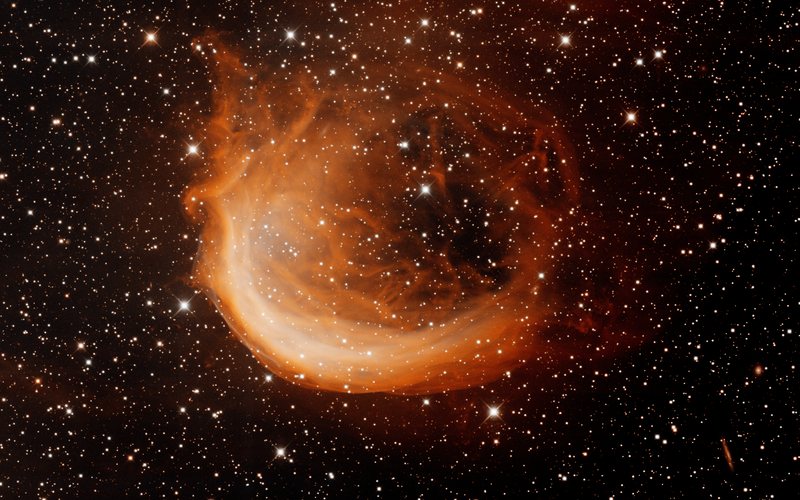
The strange star that looks like a shrimp
In Cassiopeia, a white-dwarf remnant races through gas and piles it into a glowing bow shock — the Shrimp Nebula.
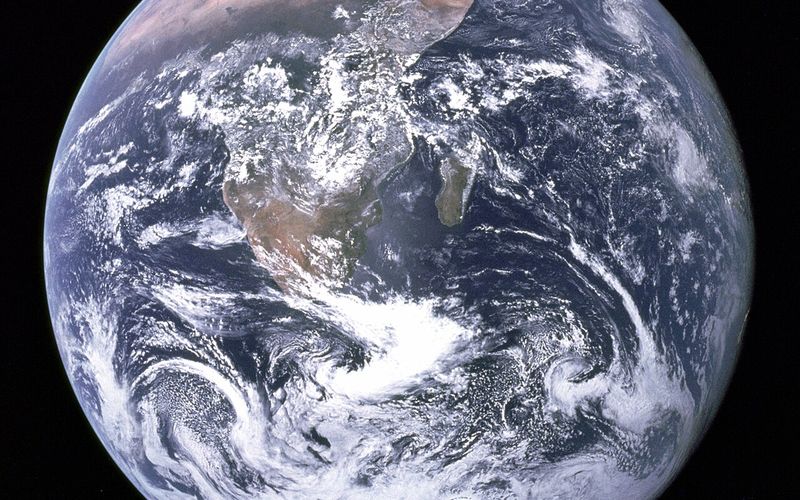
Earth from space: how small we really are
One pale sphere. No borders. A thin blue shell holding every person you have ever known.
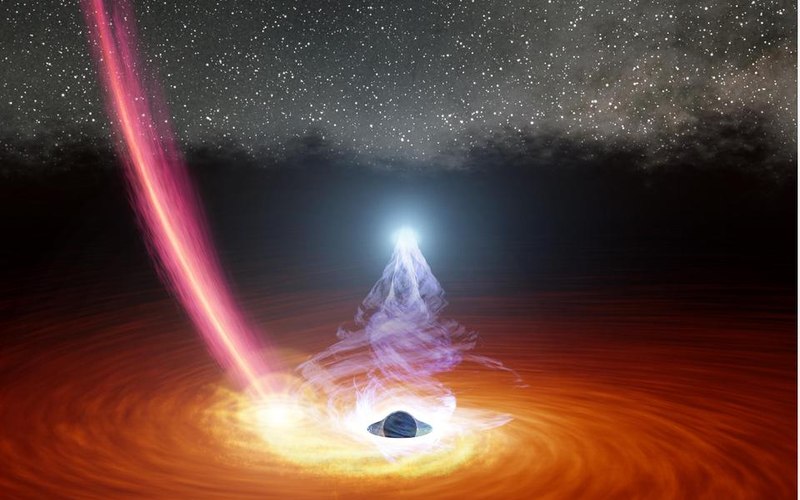
What a black hole means for everyday life
They sound like science fiction. Their gravity shaped the galaxies we call home — including ours.