 No Ground
NASA
Agency missions, partnerships, and the programs that reach beyond Earth.
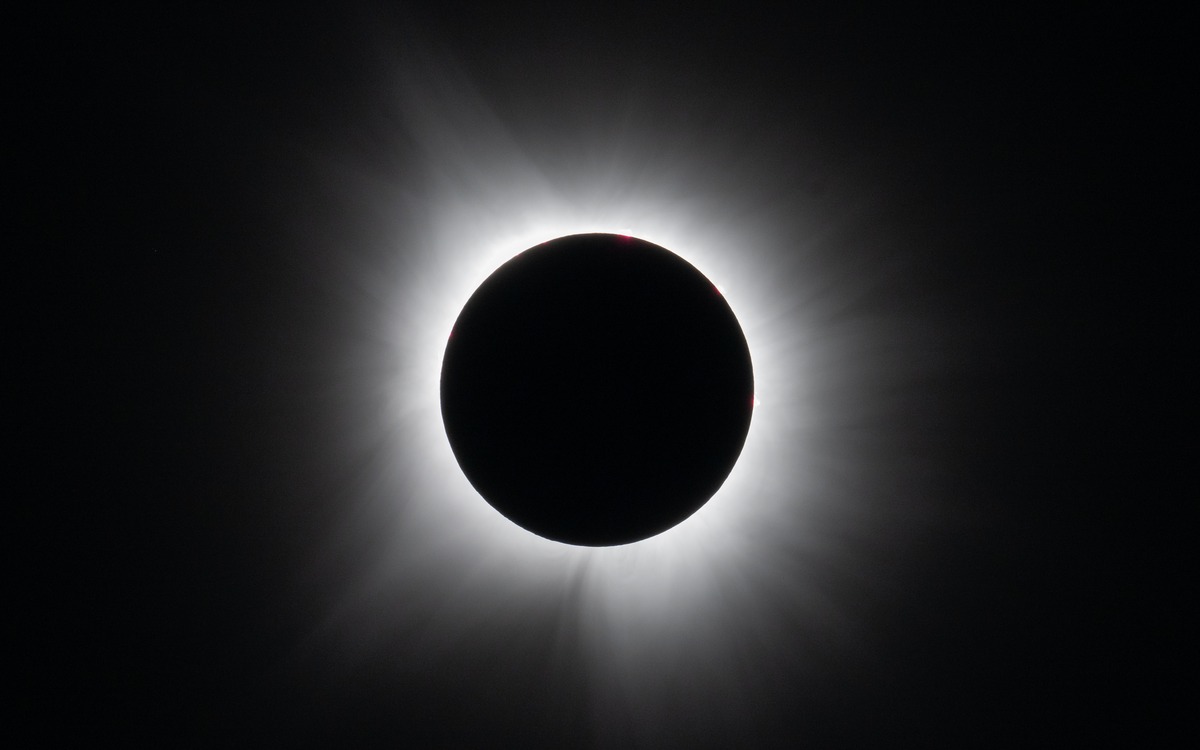
A Planet Vanished While Astronomers Were Watching
For seven years, NASA’s TESS watched a giant planet cross its star. Then the crossings stopped. A hidden neighbor is tilting its orbit, and it may not line up again for 30 to 50 years.
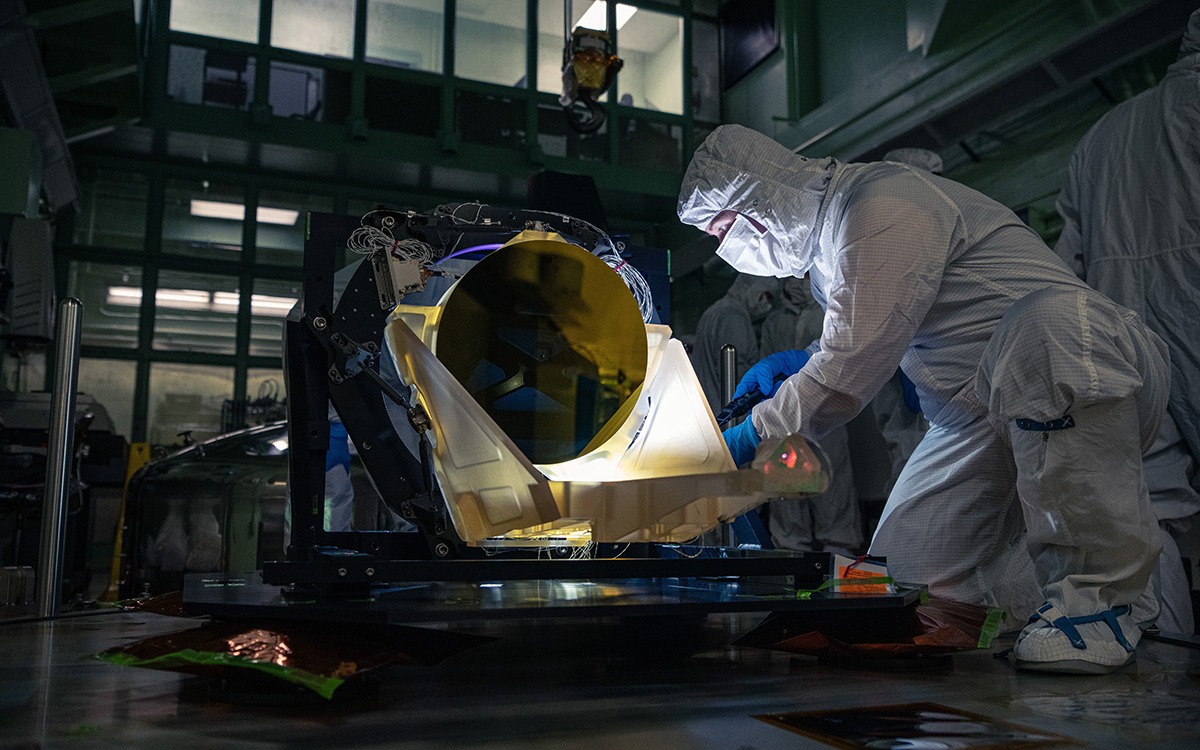
Planets Around Dead Stars Could Show Up in Ripples of Space-Time
Two NASA-led studies show how the future LISA observatory could find planets orbiting pairs of white dwarfs through gravitational waves, and how Webb could confirm some of them.
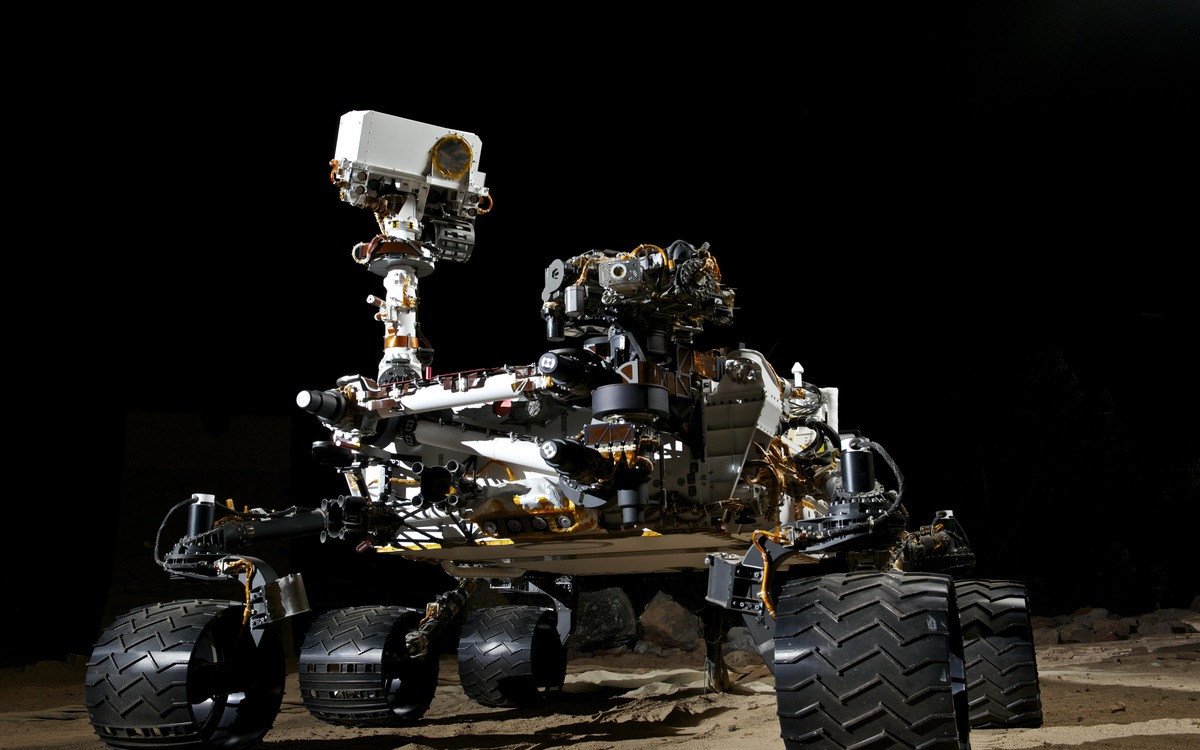
NASA Is Sending a Nuclear-Powered Rover Into the Moon’s Dark
PROMISE, built from Mars rover hardware, is designed to keep working through the lunar night and inside shadowed craters that may hold ice. NASA is targeting a late-2028 launch.
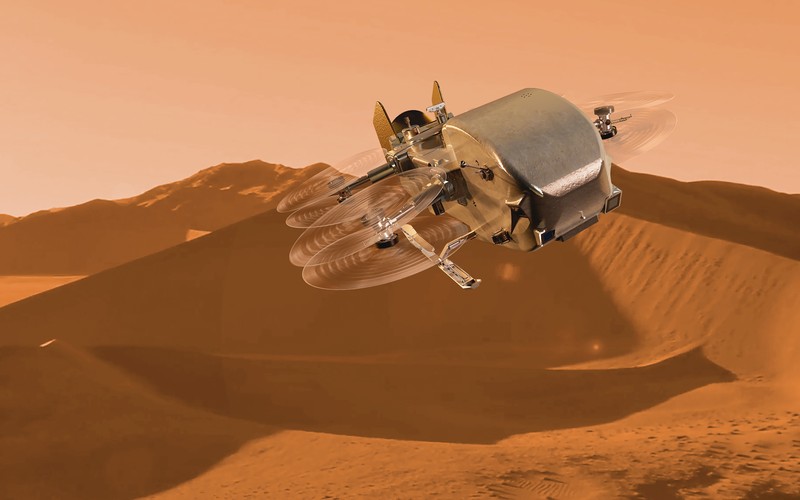
Send Your Name to Titan on NASA’s Dragonfly
NASA will fly public names on a chip aboard Dragonfly, its Titan rotorcraft. Sign up before Jan. 15, 2027.
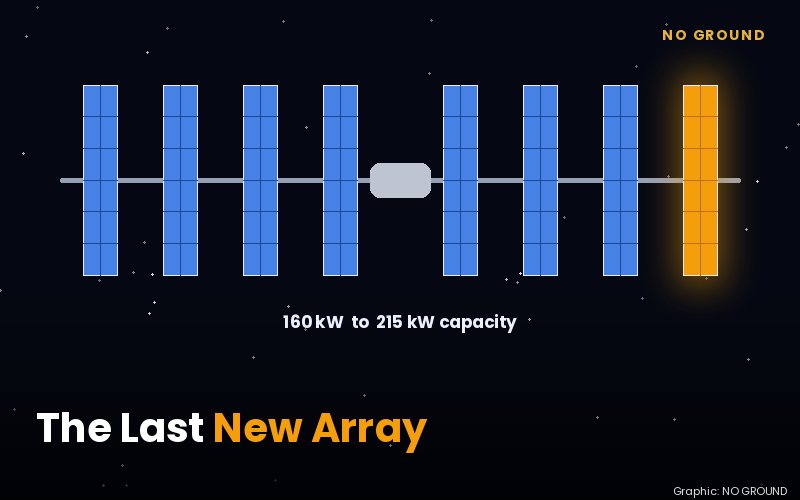
The Space Station Just Got Its Last New Solar Array
Astronauts installed the space station's eighth and final roll-out solar array, lifting its power capacity from 160 to about 215 kilowatts.
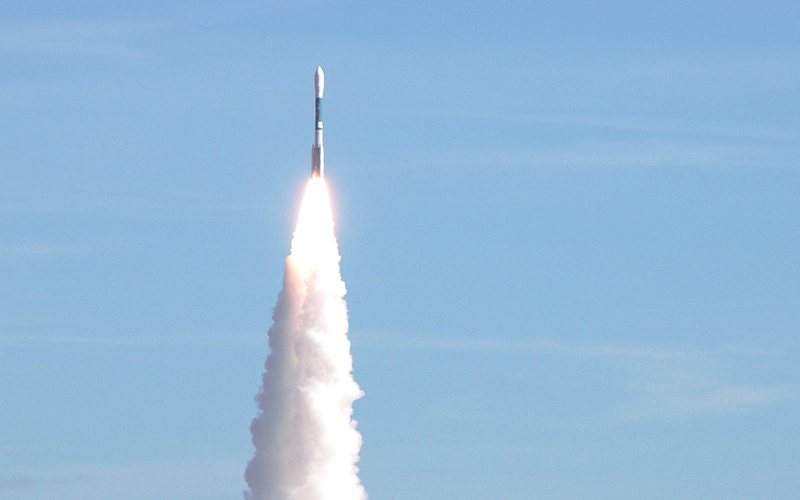
NASA’s Swift Fell Back to Earth After Nearly 22 Years
Swift spent almost 22 years catching gamma-ray bursts. Drag pulled it down, and it re-entered over Indonesia on Nov. 4.
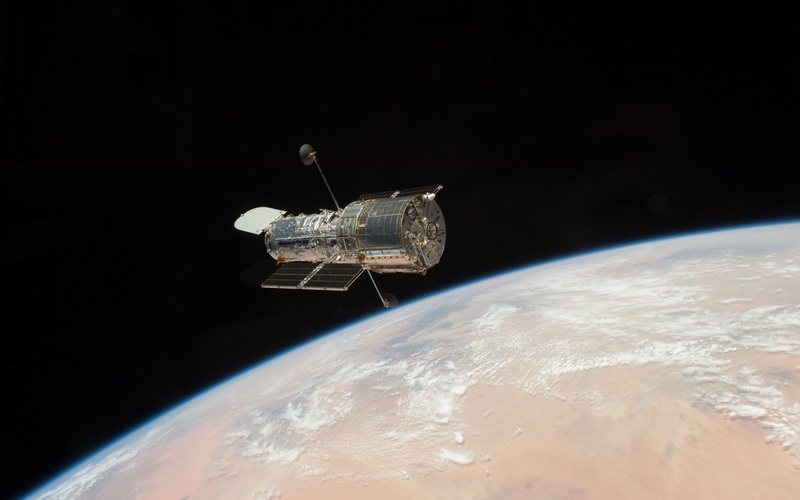
NASA Is Asking Companies How to Save Hubble Before It Falls
No engine, a slowly sinking orbit and a likely reentry in 2033 to 2034. NASA is asking companies who could reach Hubble by 2032.
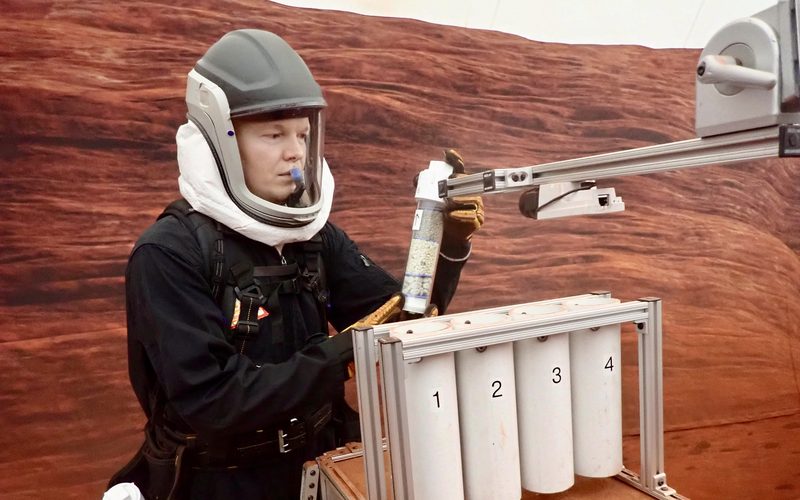
After 378 Days on a Simulated Mars, the Door Opened Saturday
Email with a delay, timed showers, Marswalks on red sand that never left the building. On Saturday, four NASA volunteers walked out after 378 days.
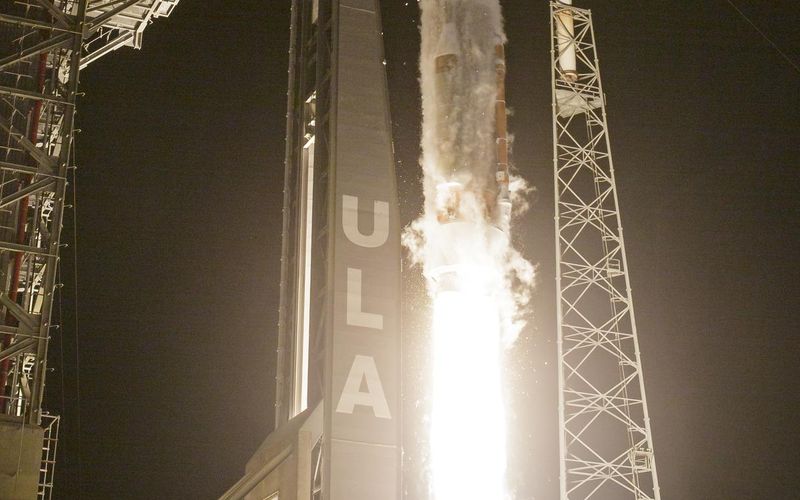
Lucy Has Reached the Jupiter Trojan Region
Five years and 2.2 billion miles after launch, Lucy is the first spacecraft to enter the Jupiter Trojan region. The first asteroid flyby is Aug. 11, 2027.
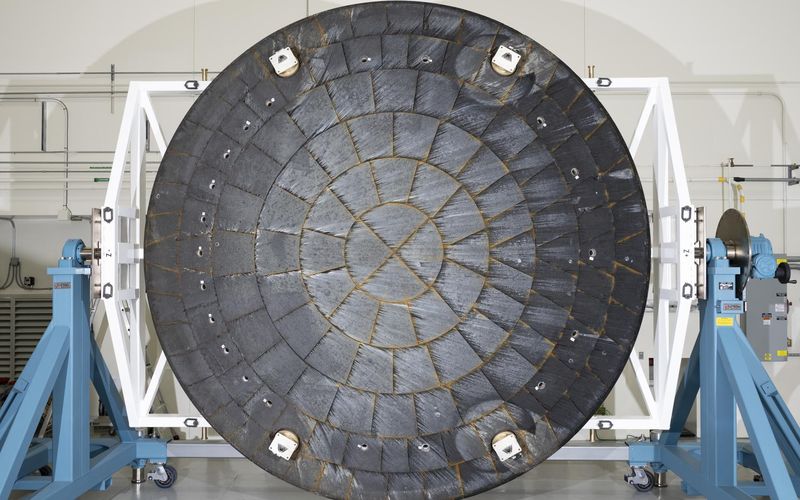
Artemis II’s heat shield passed the test
9 char-loss spots vs. 103 on Artemis I. A shorter reentry path cut damage tenfold; Mach 39 and 4,000°F+ outside, mid-70s inside.
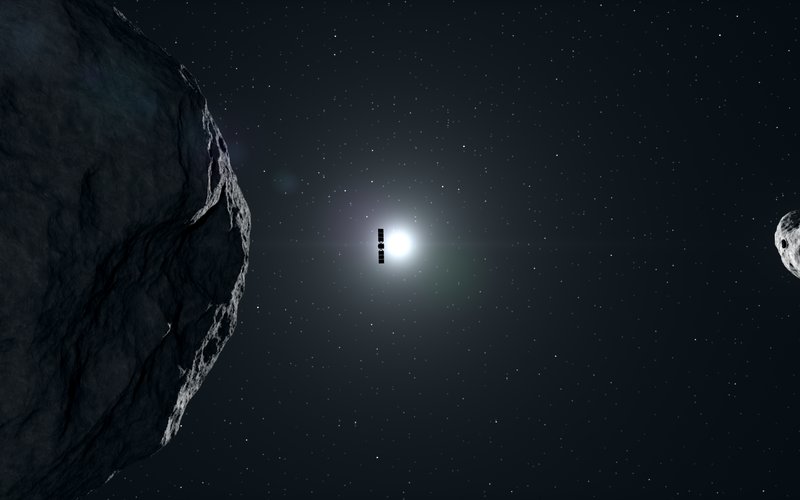
Big Thursday: Hera braked, Dragon docked, Falcon 9 flew
Hera’s 93-minute braking burn early Thursday, Oct. 15, worked as planned, ESA said. CRS-35 docked at 10:27 a.m. ET and USSF-481 launched at 8:01 p.m.
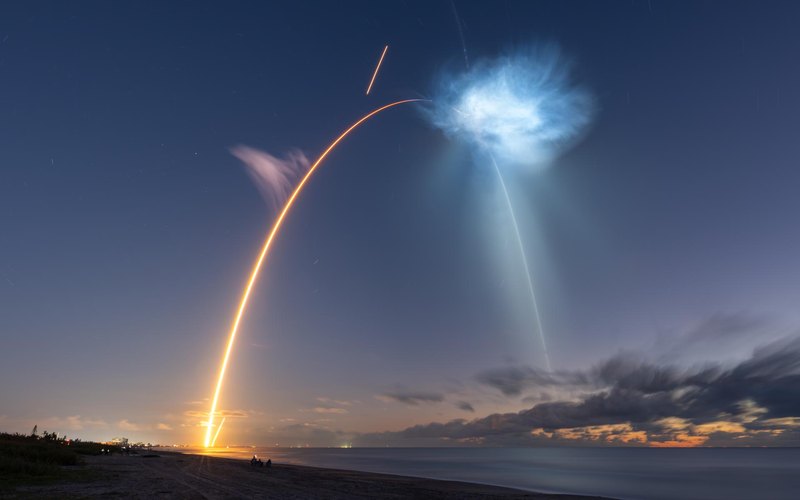
CRS-35 launched with the station’s last new solar arrays
Launched 6:33 a.m. ET Oct. 13; booster landed at LZ-40. 6,300+ lb, including the final iROSA solar arrays. Docked 10:27 a.m. ET Oct. 15.
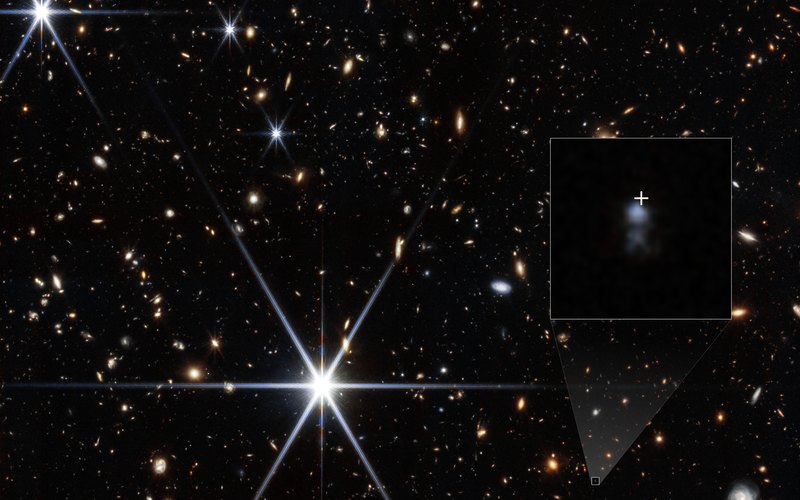
Webb finds the home of the most distant fast radio burst
A radio flash from 3 billion years after the Big Bang came from a tiny, young galaxy. The clue points to magnetars.
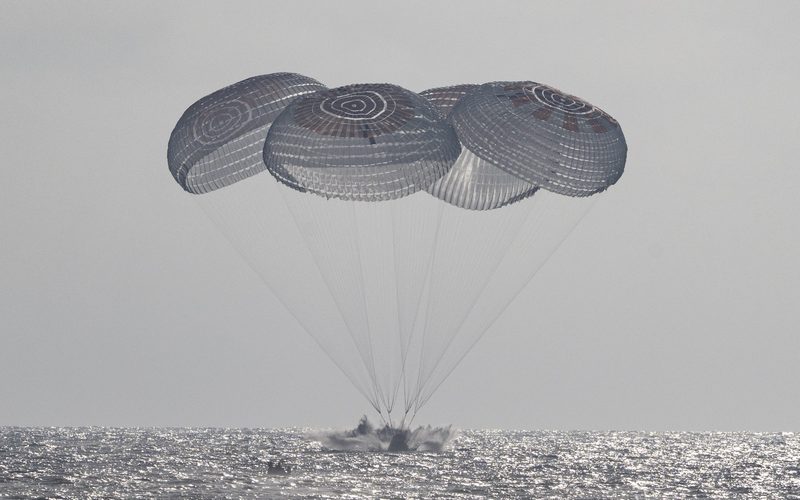
Crew-12 is home after 237 days in space
Splashed down off Los Angeles at 11:34 a.m. ET Oct. 8 in Crew Dragon Freedom after 237 days and 3,792+ orbits.
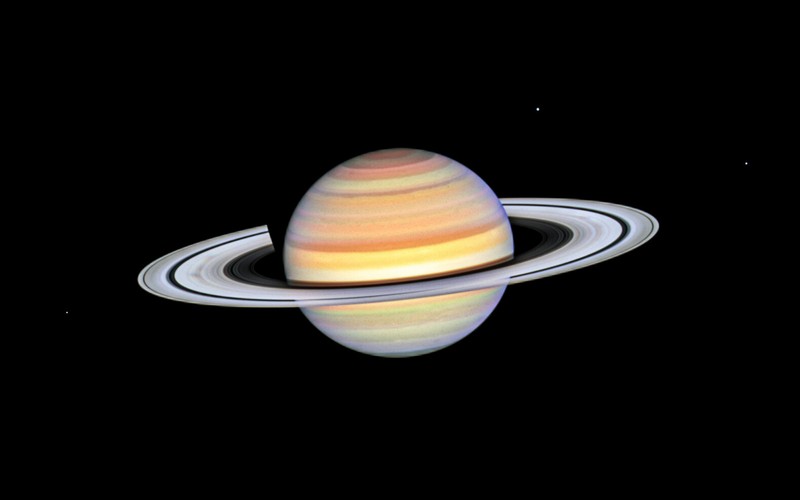
Saturn was at its best in early October
After Oct. 4 opposition: closest and brightest for 2026, up all night, rings opening again.
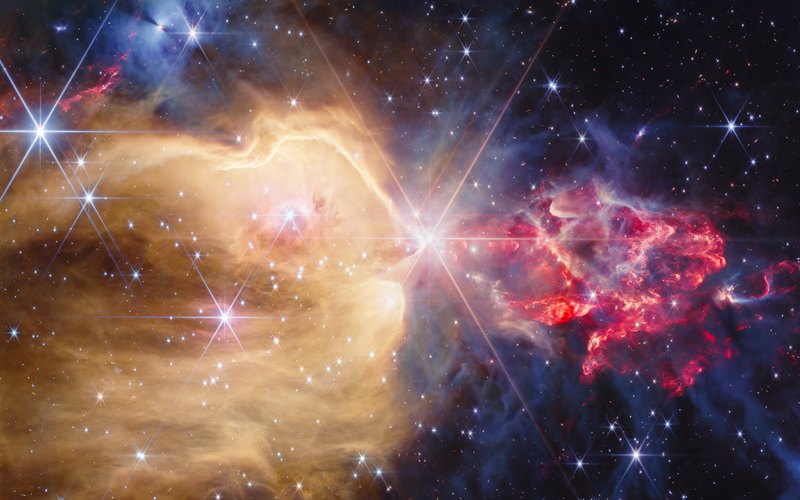
Webb peels open a stellar nursery in Cepheus
Gold hot atomic hydrogen on one side, red protostar shocks on the other — Webb’s new NIRCam portrait of NGC 7129.
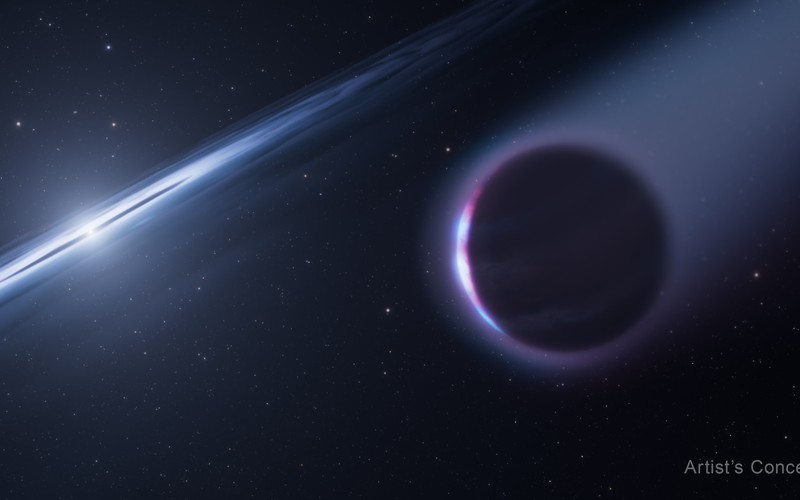
A planet candidate risen from a dead star’s ashes
Hubble’s cold case on white dwarf HS 0209+0832 points to a suspected second-generation gas giant. Strong evidence — still a candidate.
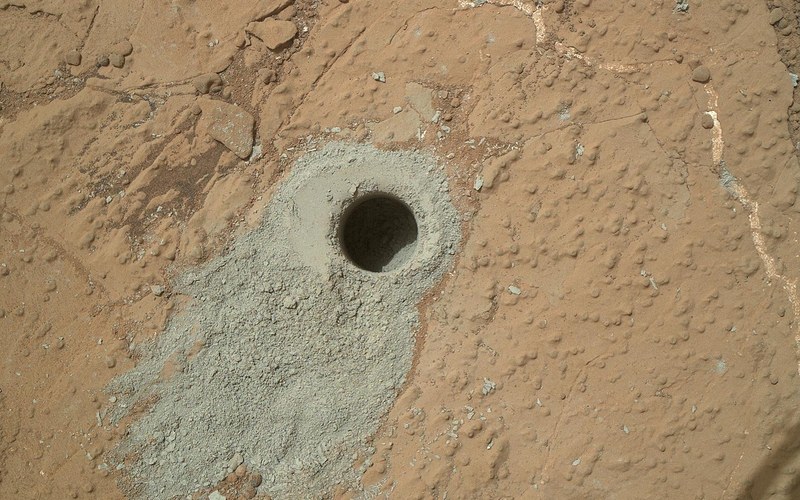
Curiosity found Mars’s longest organic molecules yet
Decane, undecane, and dodecane in Cumberland mudstone may be fatty-acid fragments. Origin still unknown — not a life detection.
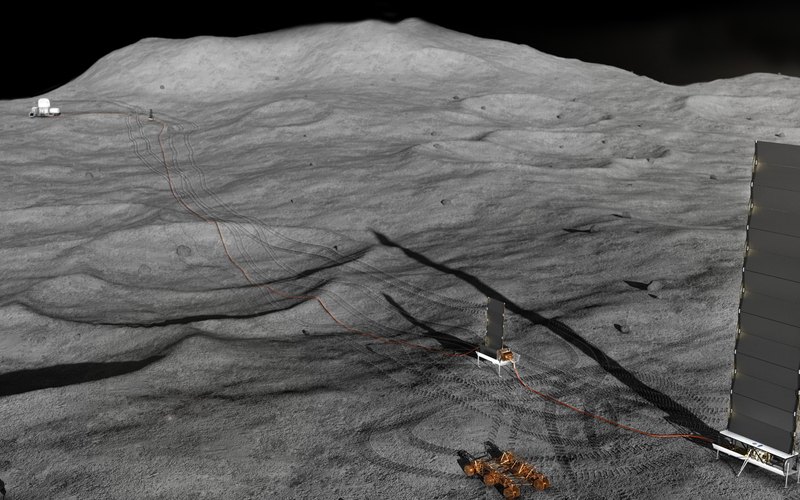
A two-week lunar night is why a reactor is on the table
NASA and DOE want fission power on the Moon by 2030. Russia and China are talking mid-2030s. Neither reactor is there yet.
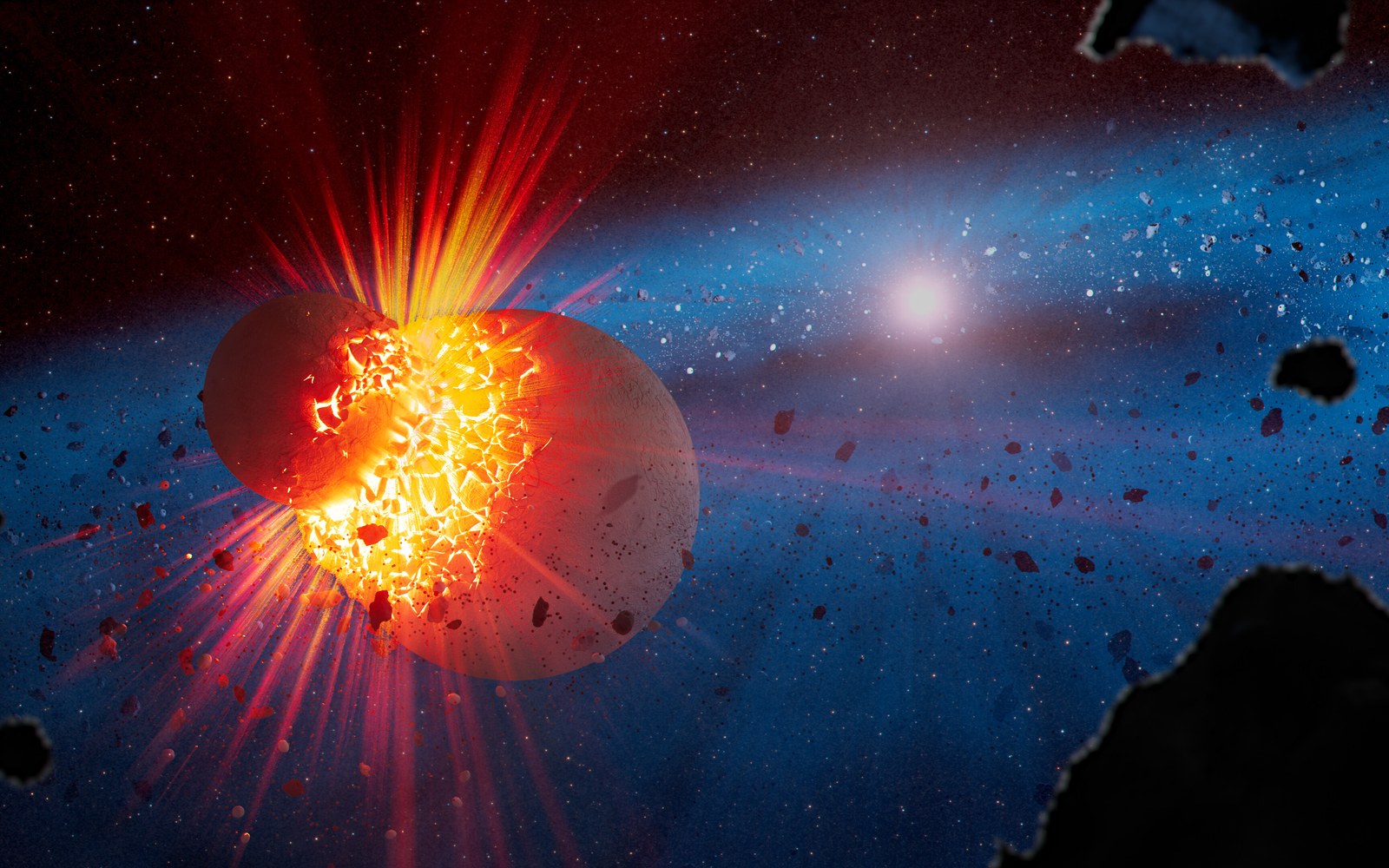
Webb finds dust from planet-shattering collisions
A rare class of warm dusty disks around young stars carries silica clues to Mars-sized smashups — the kind that may have made our Moon — and quieter Moon-sized grazes.
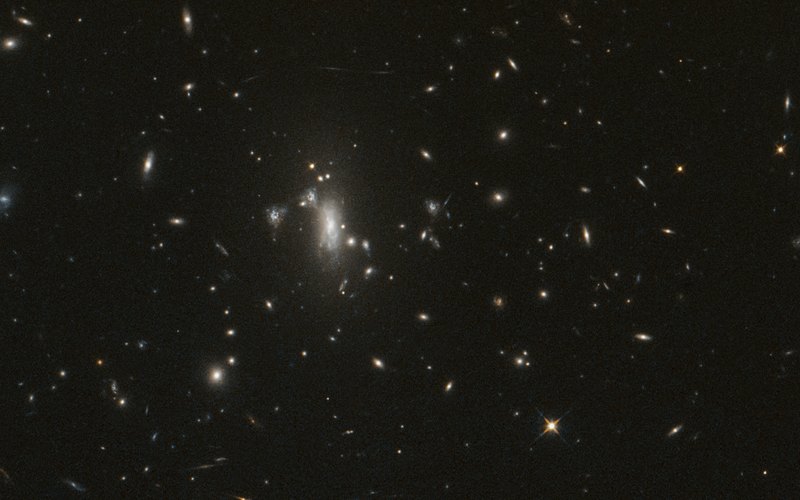
One star died. Earth will see it more than once.
On orbit 200,000, Hubble watched a galaxy cluster that can show the same star explosion more than once. Supernova Athena should reappear by early March 2027.
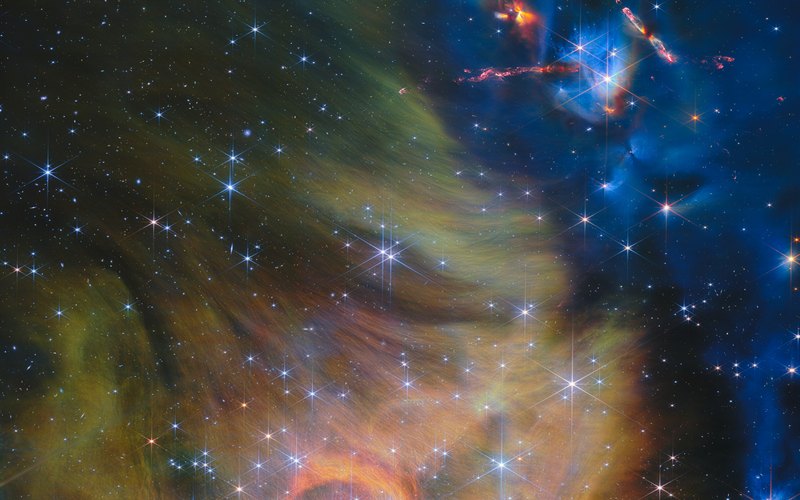
Webb finds brown dwarfs barely heavier than Jupiter
A huge NIRCam panorama of IC 348, 1,000 light-years away, frames brown dwarfs with mass estimates near two Jupiters — and jets from newborn stars.
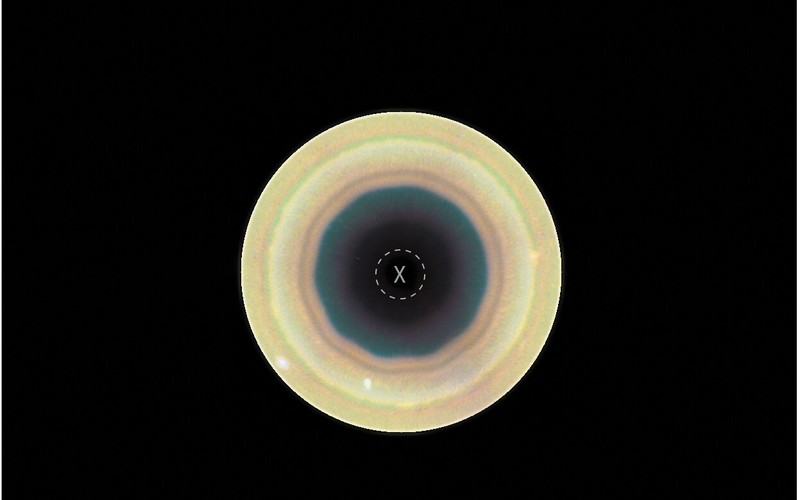
Hubble tracks a new 10-sided storm on Saturn
Hubble’s OPAL images reveal a strengthening decagon wave near Saturn’s south pole — the first large regular-sided jet pattern seen in the southern hemisphere.
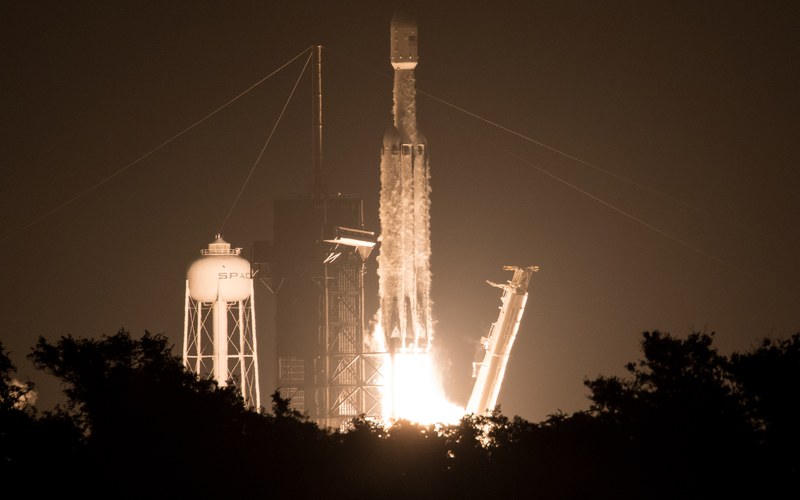
Falcon Heavy launches NROL-97 from pad 39A
Falcon Heavy lofted the classified NROL-97 mission at 11:54 p.m. ET Oct. 1 from LC-39A. Side boosters landed at LZ-1 and LZ-2; first NRO Falcon Heavy flight.
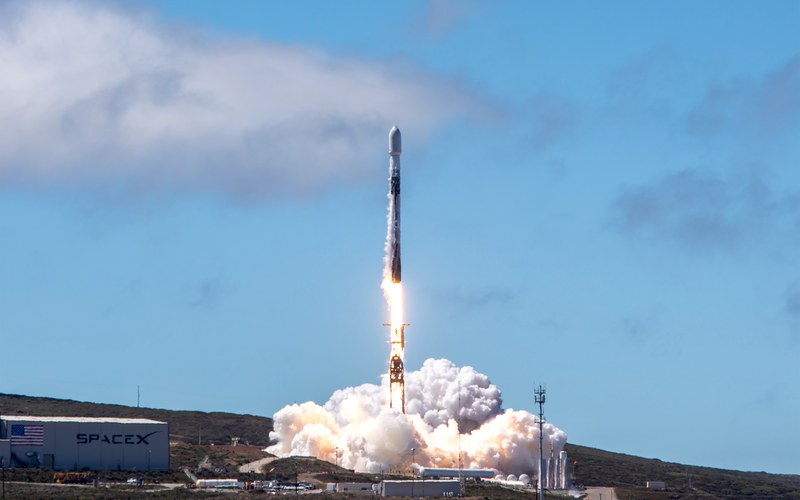
Transporter-18 succeeds — 130 payloads to SSO
SpaceX’s Transporter-18 rideshare lifted off ~11:32 a.m. PT Oct. 1 from Vandenberg SLC-4E with ~130 payloads to SSO. Deployments finished ~3:41 p.m. ET; booster landed at LZ-4.
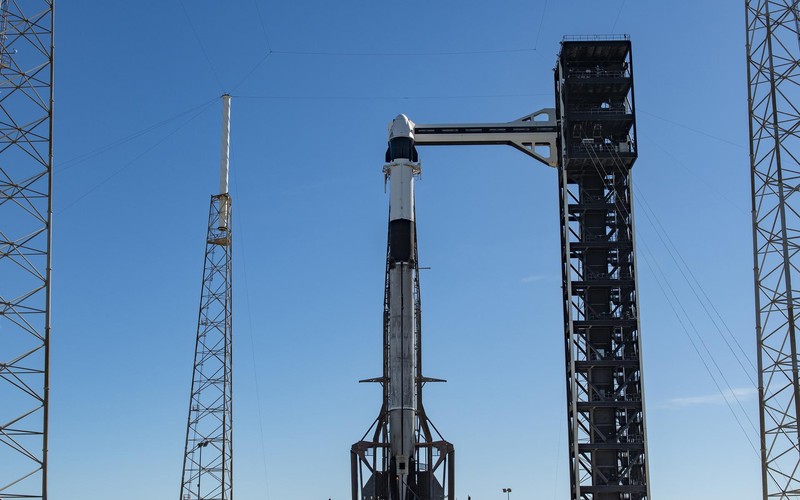
Crew-13 docks at ISS — fastest U.S. launch-to-docking
Crew-13 docked at the ISS at 7:05 p.m. EDT Oct. 1 — 7h 55m after liftoff, the fastest U.S. launch-to-docking in station history. The hatch opened at 9:19 p.m. EDT.
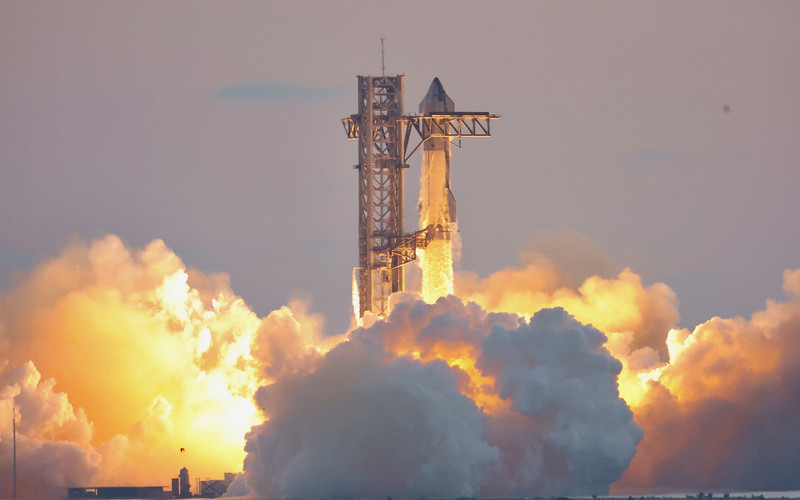
Starship reaches orbit — Flight 14 deploys 26 Starlinks
From Starbase to orbit, then a fiery Pacific return. Flight 14 closed the loop Starship had never closed before.