 No Ground
Missions
Launches, tests, and the vehicles trying to make space routine.
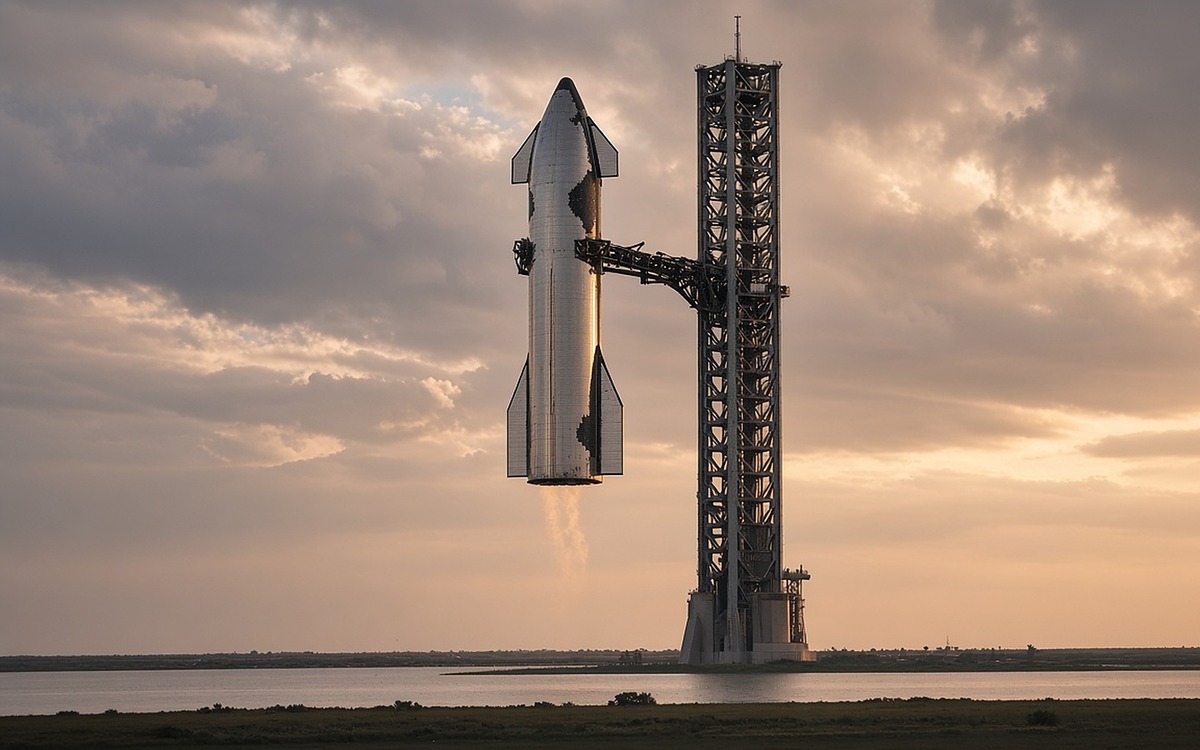
SpaceX Caught a Starship Returning From Orbit
Ship 42 flew about 14 orbits, then settled into the launch tower’s arms at Starbase. The booster on the same flight aborted its own catch and was lost in the Gulf of Mexico.
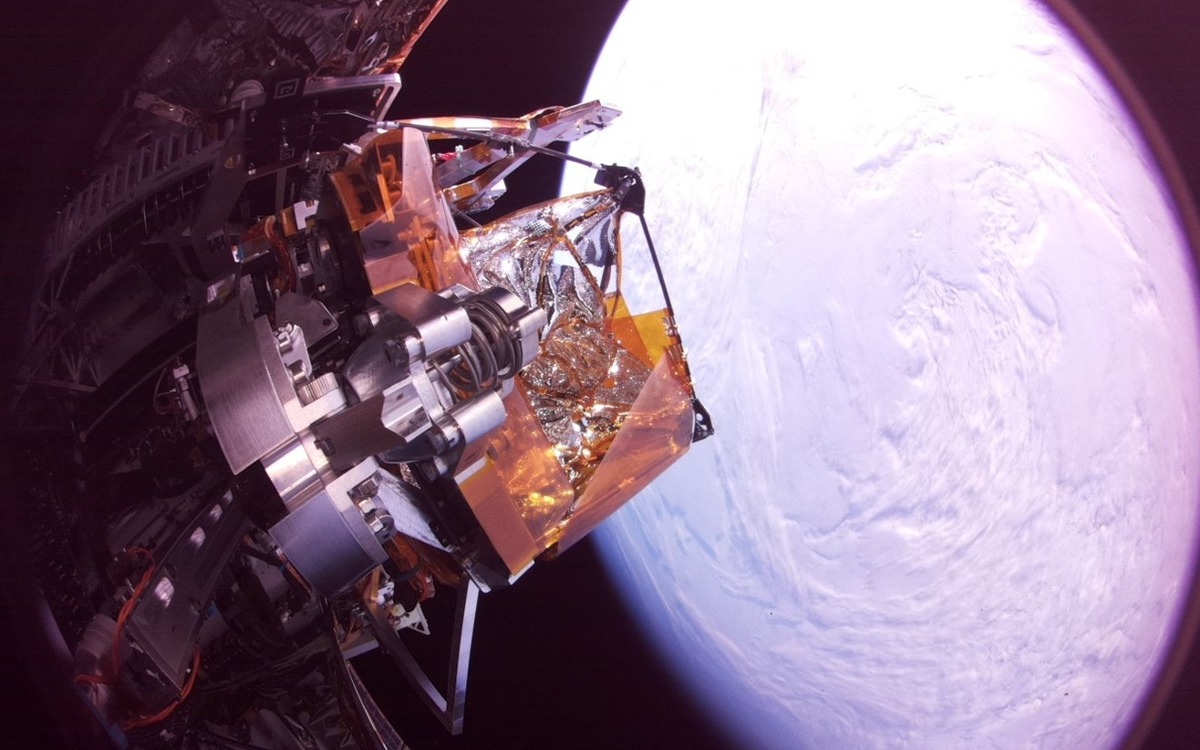
For the First Time, a Robot Built a Structure in Space Without Astronauts
A Caltech robot funded by DARPA assembled a new section of an antenna frame in orbit, from a box of struts and joints. It won’t finish the job, but it showed the idea can work.
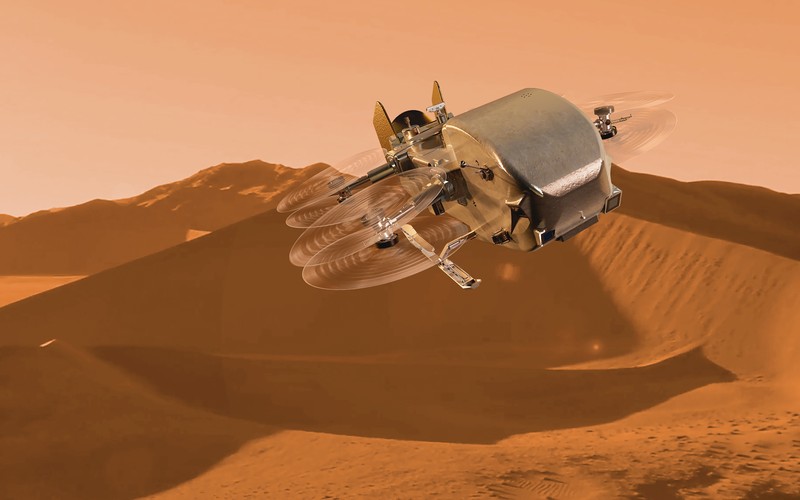
Send Your Name to Titan on NASA’s Dragonfly
NASA will fly public names on a chip aboard Dragonfly, its Titan rotorcraft. Sign up before Jan. 15, 2027.
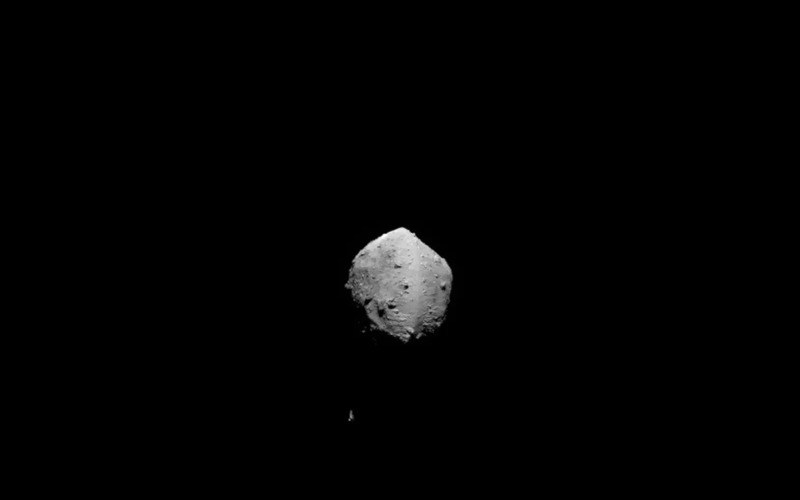
Hera’s First Close-Up of Didymos Shows the Side DART Never Saw
Hera photographed the 780-meter asteroid from about 60 km away, revealing boulders, craters and grooves on the side DART never saw.
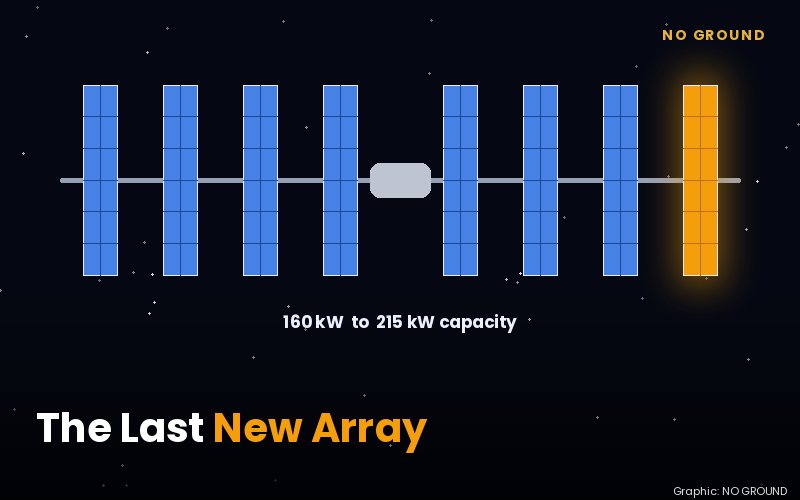
The Space Station Just Got Its Last New Solar Array
Astronauts installed the space station's eighth and final roll-out solar array, lifting its power capacity from 160 to about 215 kilowatts.
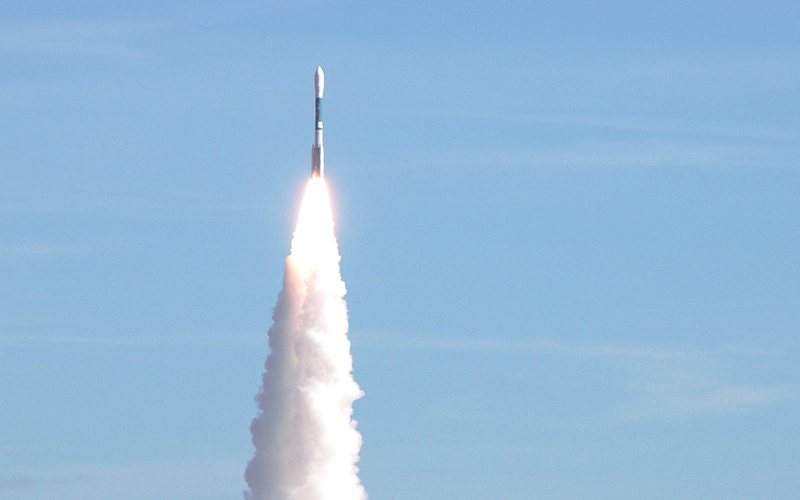
NASA’s Swift Fell Back to Earth After Nearly 22 Years
Swift spent almost 22 years catching gamma-ray bursts. Drag pulled it down, and it re-entered over Indonesia on Nov. 4.
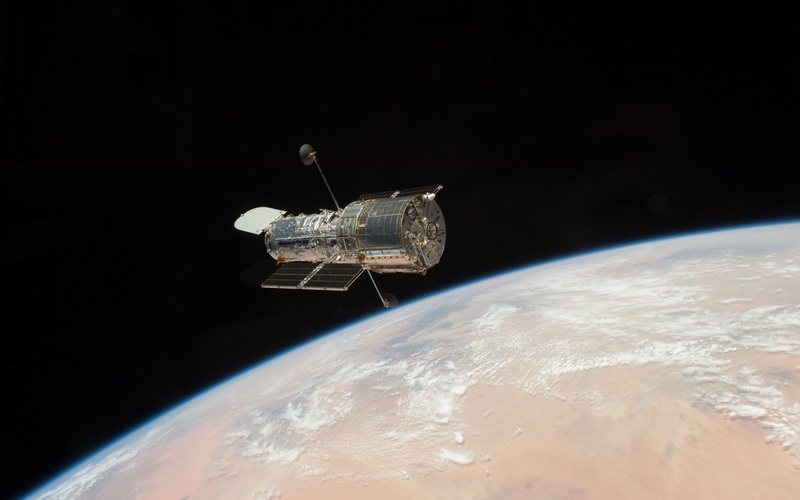
NASA Is Asking Companies How to Save Hubble Before It Falls
No engine, a slowly sinking orbit and a likely reentry in 2033 to 2034. NASA is asking companies who could reach Hubble by 2032.
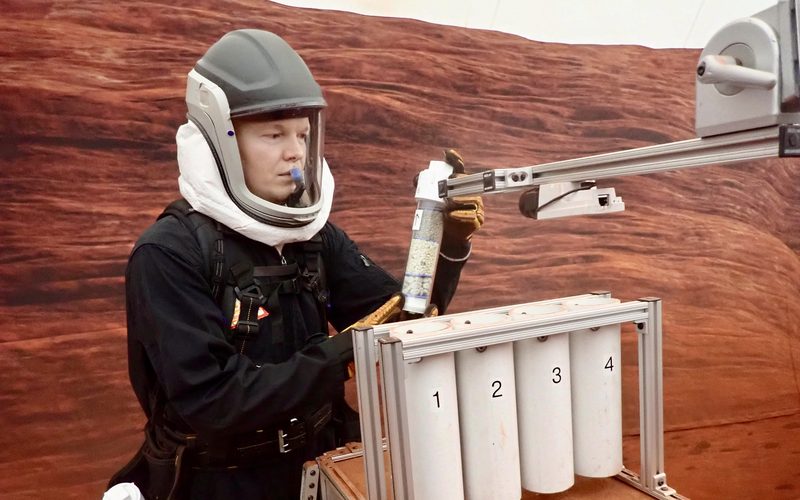
After 378 Days on a Simulated Mars, the Door Opened Saturday
Email with a delay, timed showers, Marswalks on red sand that never left the building. On Saturday, four NASA volunteers walked out after 378 days.
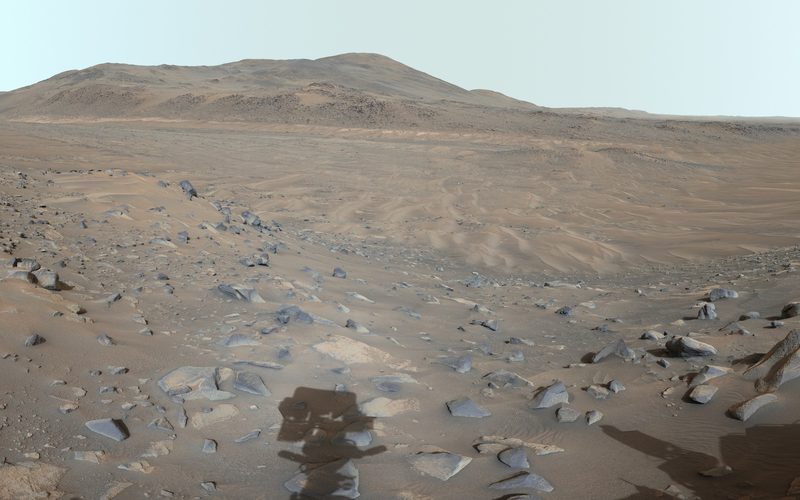
Mars Dust Is Finer Than We Knew
Perseverance has measured Martian dust grains around 100 nanometers wide stuck to spacesuit swatches. The big clumps shook off. The smallest grains stayed.
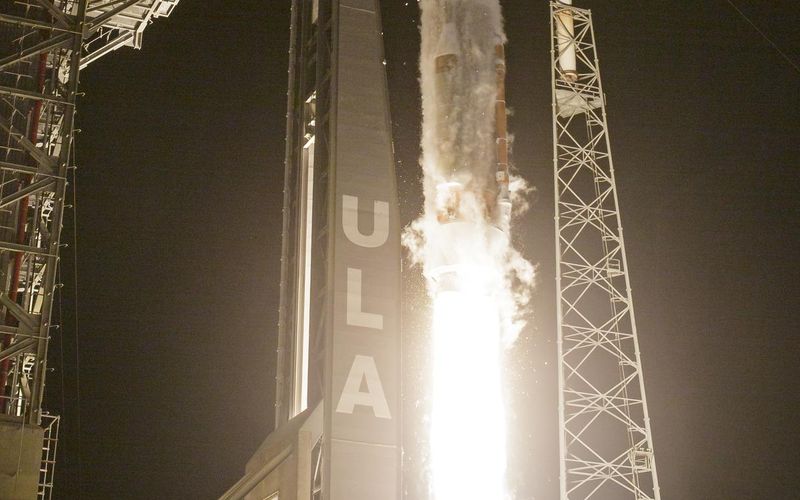
Lucy Has Reached the Jupiter Trojan Region
Five years and 2.2 billion miles after launch, Lucy is the first spacecraft to enter the Jupiter Trojan region. The first asteroid flyby is Aug. 11, 2027.
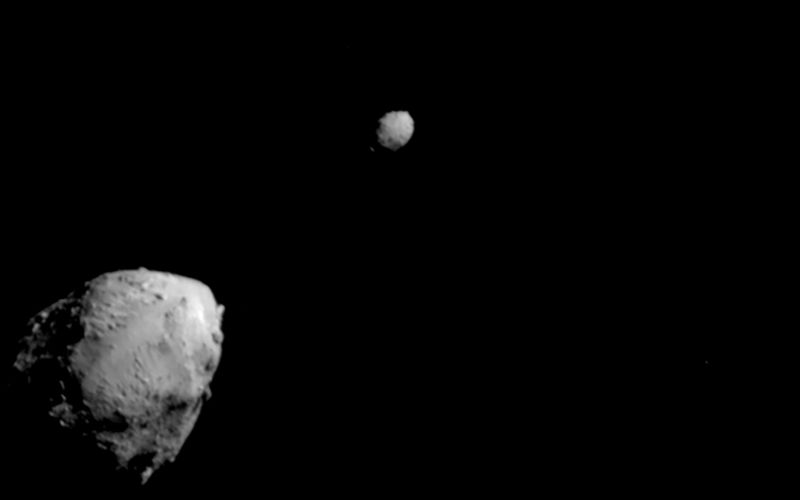
Hera Closed In on Two Asteroids. It Can’t Park.
Hera saw both asteroids as two separate bodies. But with almost no gravity to orbit, it will glide past in long arcs 20 to 30 km out, at about 12 cm per second.
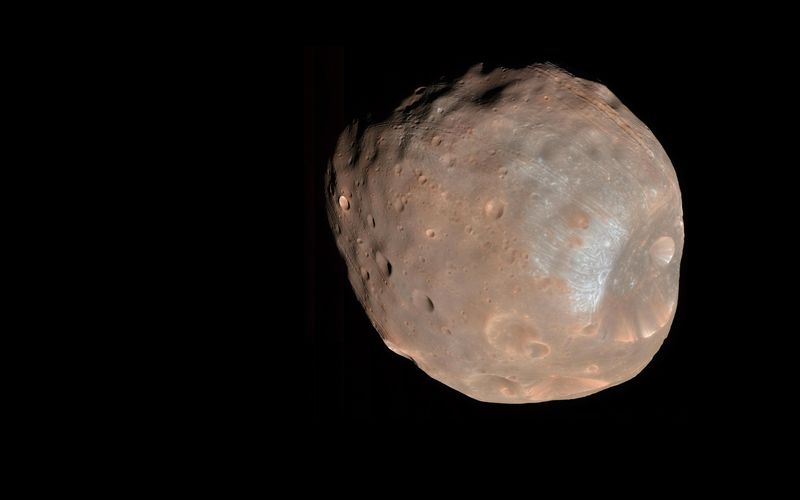
MMX is on its way to Phobos
Launched Oct. 19 at 3:41 p.m. ET and separated into its planned orbit. Next: Mars in August 2027, a Phobos sample home in 2031.
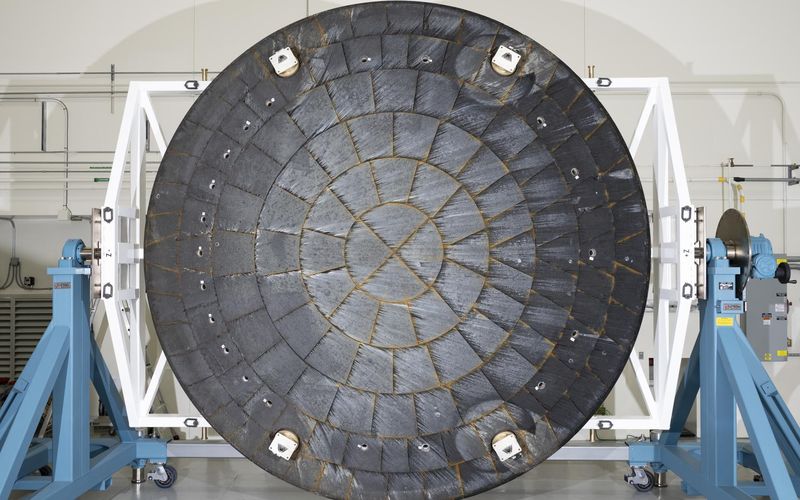
Artemis II’s heat shield passed the test
9 char-loss spots vs. 103 on Artemis I. A shorter reentry path cut damage tenfold; Mach 39 and 4,000°F+ outside, mid-70s inside.
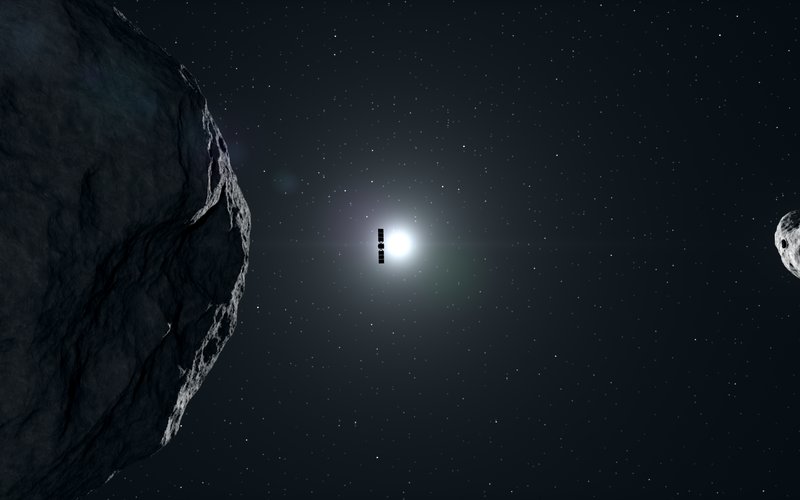
Big Thursday: Hera braked, Dragon docked, Falcon 9 flew
Hera’s 93-minute braking burn early Thursday, Oct. 15, worked as planned, ESA said. CRS-35 docked at 10:27 a.m. ET and USSF-481 launched at 8:01 p.m.
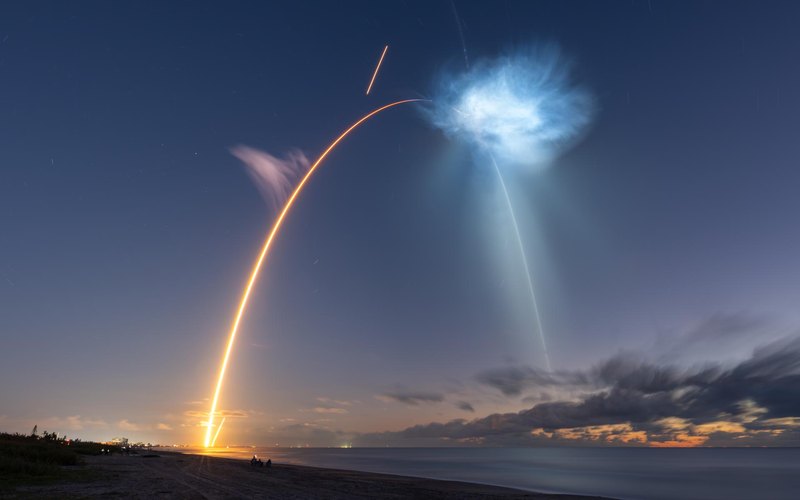
CRS-35 launched with the station’s last new solar arrays
Launched 6:33 a.m. ET Oct. 13; booster landed at LZ-40. 6,300+ lb, including the final iROSA solar arrays. Docked 10:27 a.m. ET Oct. 15.
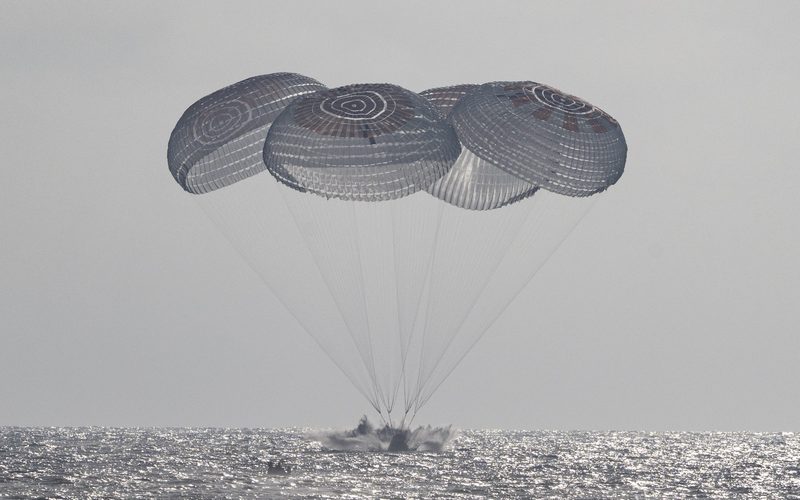
Crew-12 is home after 237 days in space
Splashed down off Los Angeles at 11:34 a.m. ET Oct. 8 in Crew Dragon Freedom after 237 days and 3,792+ orbits.
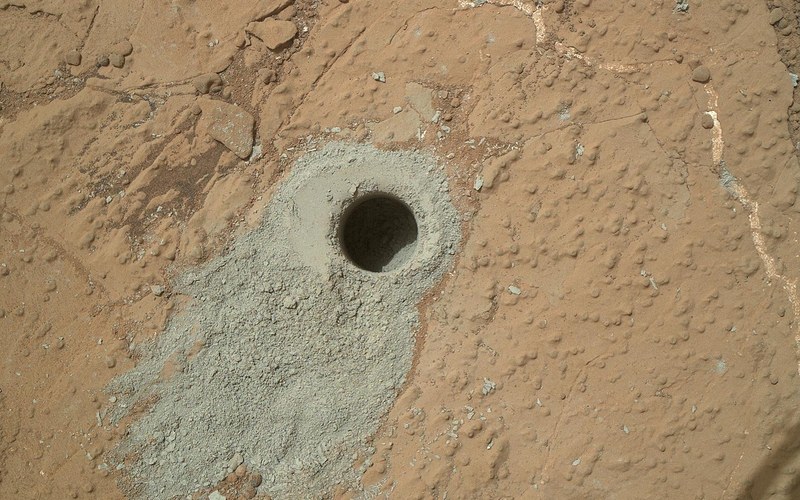
Curiosity found Mars’s longest organic molecules yet
Decane, undecane, and dodecane in Cumberland mudstone may be fatty-acid fragments. Origin still unknown — not a life detection.
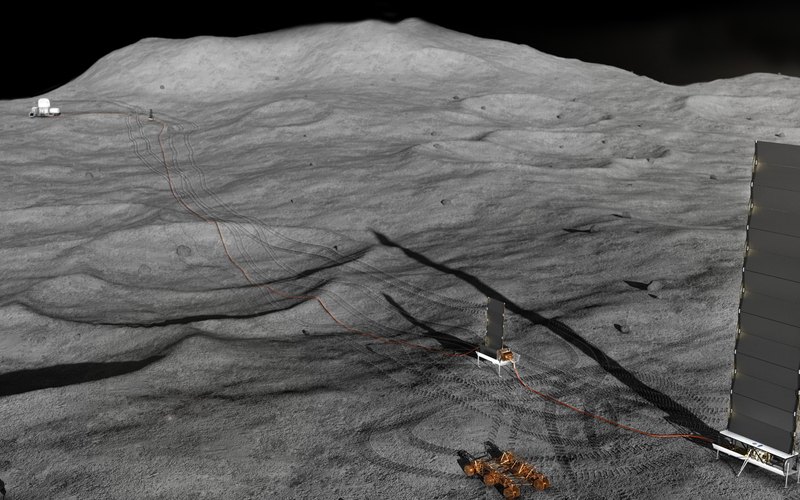
A two-week lunar night is why a reactor is on the table
NASA and DOE want fission power on the Moon by 2030. Russia and China are talking mid-2030s. Neither reactor is there yet.
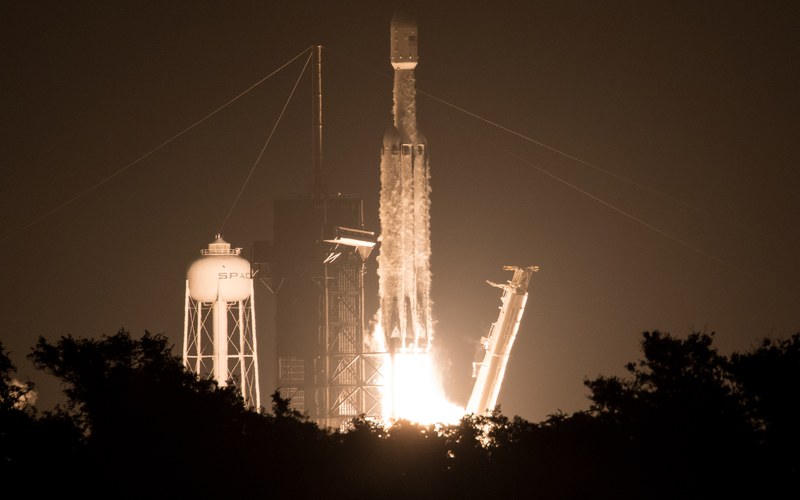
Falcon Heavy launches NROL-97 from pad 39A
Falcon Heavy lofted the classified NROL-97 mission at 11:54 p.m. ET Oct. 1 from LC-39A. Side boosters landed at LZ-1 and LZ-2; first NRO Falcon Heavy flight.
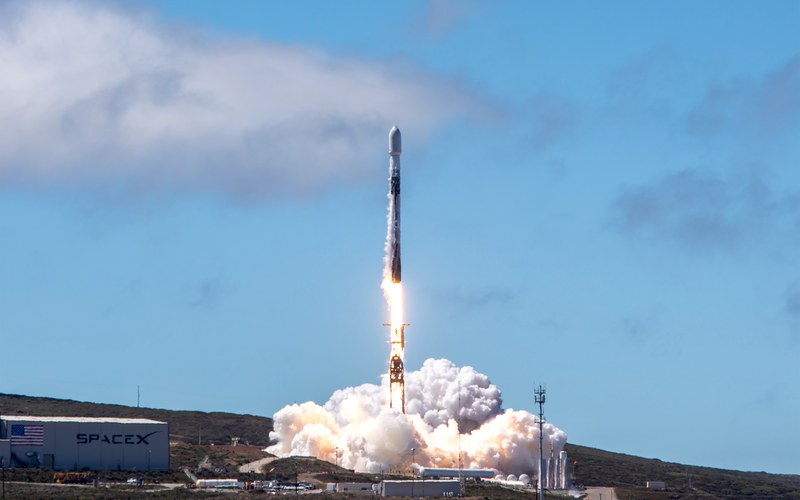
Transporter-18 succeeds — 130 payloads to SSO
SpaceX’s Transporter-18 rideshare lifted off ~11:32 a.m. PT Oct. 1 from Vandenberg SLC-4E with ~130 payloads to SSO. Deployments finished ~3:41 p.m. ET; booster landed at LZ-4.
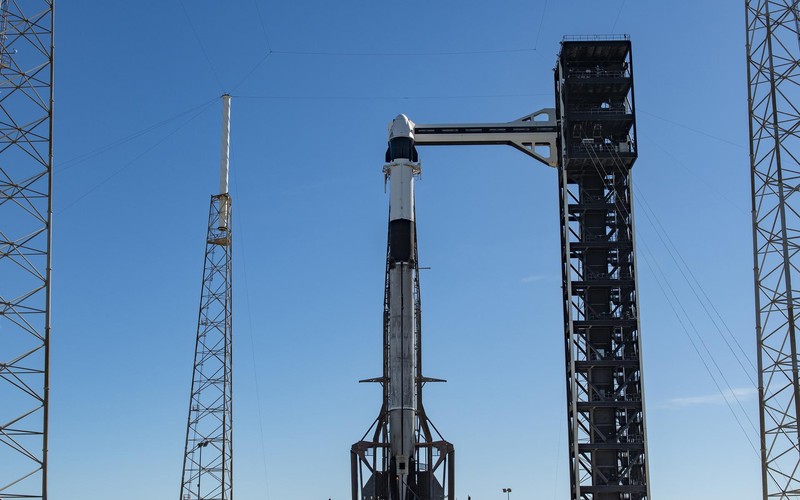
Crew-13 docks at ISS — fastest U.S. launch-to-docking
Crew-13 docked at the ISS at 7:05 p.m. EDT Oct. 1 — 7h 55m after liftoff, the fastest U.S. launch-to-docking in station history. The hatch opened at 9:19 p.m. EDT.
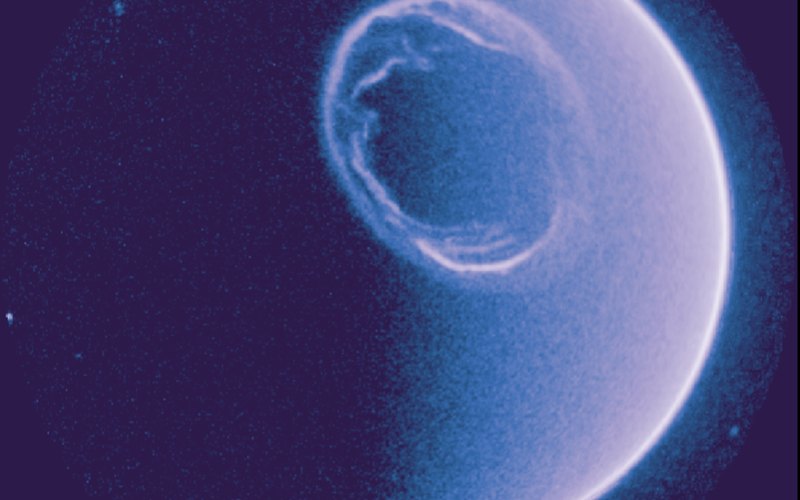
ESA’s Smile begins science operations
Smile is approved for science ops. UVI captured the full northern aurora ring in UV — the first since 2008.
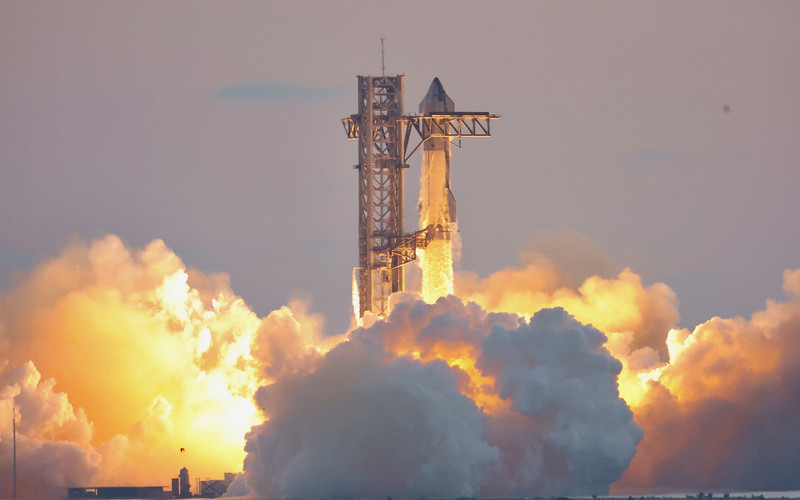
Starship reaches orbit — Flight 14 deploys 26 Starlinks
From Starbase to orbit, then a fiery Pacific return. Flight 14 closed the loop Starship had never closed before.