 No Ground
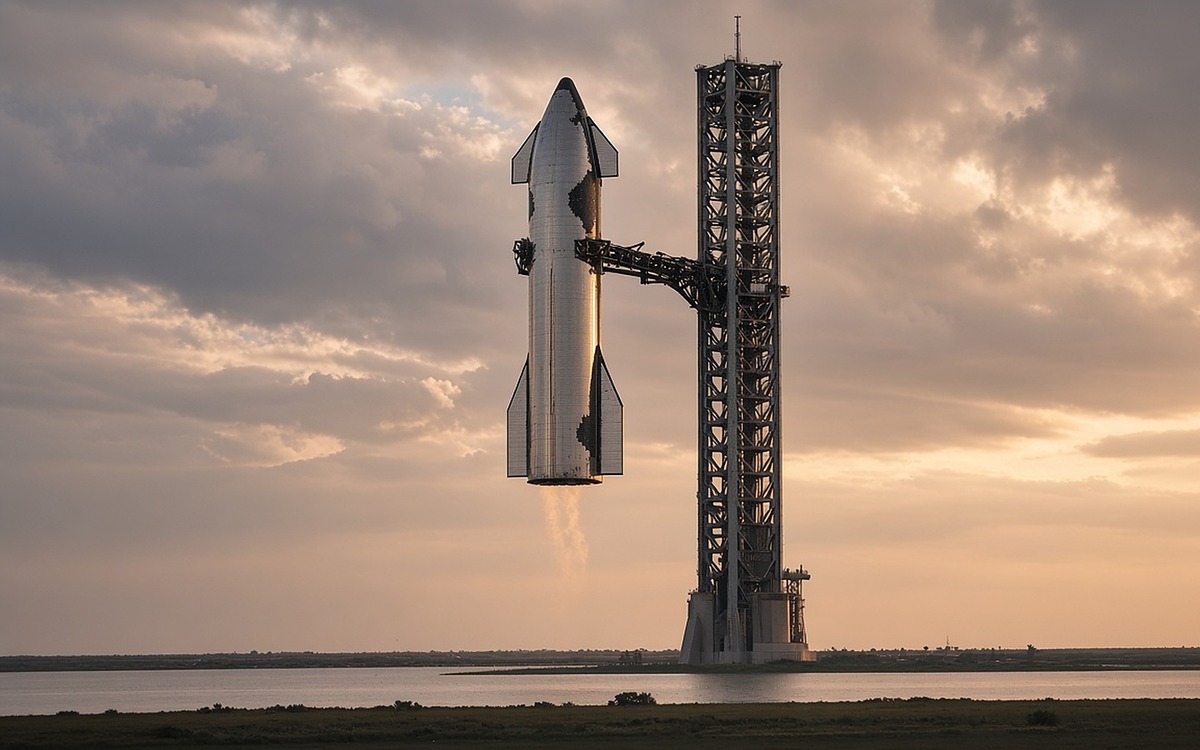
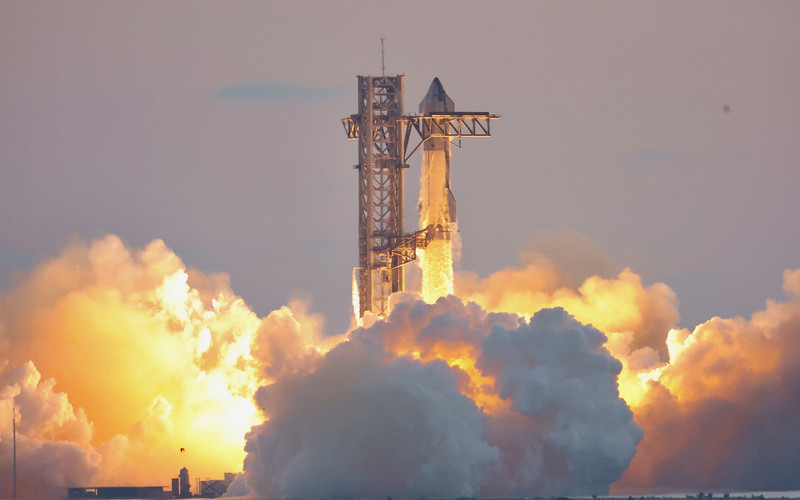
On Saturday, Nov. 14, a rocket came home. A Starship upper stage dropped out of orbit and was caught by its launch tower in Texas, a first. We covered that one here.
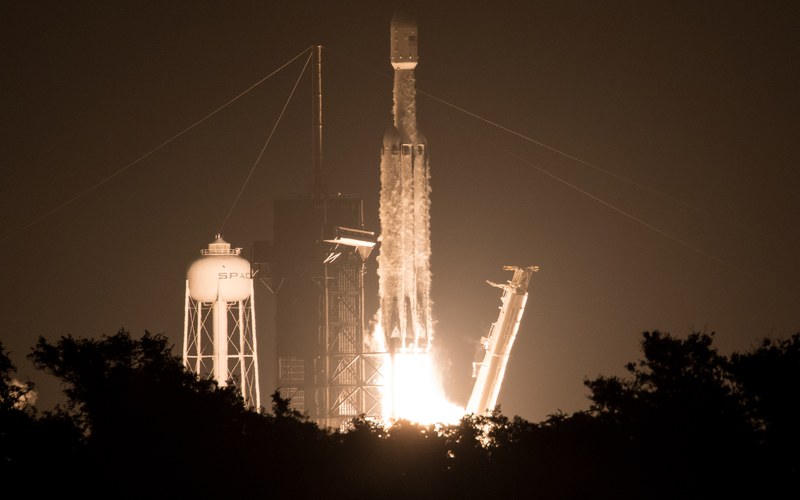
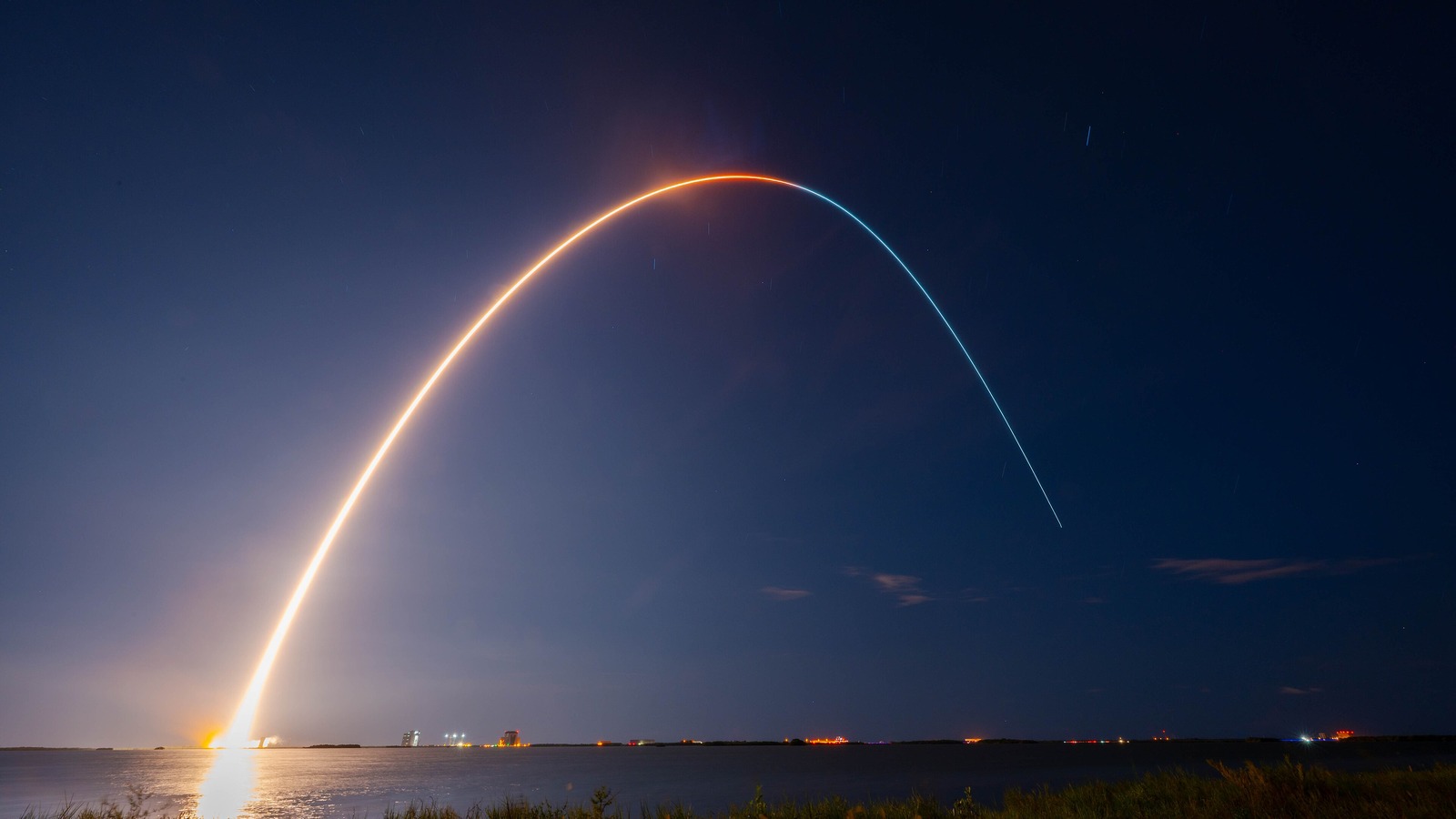
On Sunday, Nov. 15, 2026, another rocket left Florida and never finished the trip. United Launch Alliance’s Vulcan lifted off from Space Launch Complex 41 at Cape Canaveral Space Force Station at 12:40 p.m. ET, at the very end of its launch window, carrying 40 Amazon Leo internet satellites. About 50 minutes later, ULA posted the news on X.
“Based on data received by our Launch Director, we confirm that the Vulcan vehicle launched from Space Launch Complex 41 suffered an anomaly 10 minutes into the flight and failed to deliver the Amazon mission to orbit,” the company wrote.
All 40 satellites were lost.
What we know, and what we don’t
ULA calls the mission Vulcan Leo 1. Amazon calls it LV-01. In its launch-day posts, ULA confirmed that the six solid rocket boosters burned out and were jettisoned in the first two minutes. Then, about 10 minutes into the flight, something went wrong.
On launch day, nobody had said what went wrong. “Since the anomaly just occurred, we don’t have any specific data yet to understand what occurred today,” ULA said. The company said it would work with Amazon “and other appropriate organizations to find the cause, determine the appropriate corrective action, and return to flight as quickly as possible.” As of Monday, Nov. 16, ULA had not named a cause. On Wednesday, Nov. 18, after an initial review of the flight data, ULA shared the preliminary findings in the update at the top of this story.
There is one early report, about the boosters. Northrop Grumman, which builds them, said in a statement reported by Via Satellite: “The preliminary data shows the GEM 63XL boosters performed as expected and successfully separated from the Vulcan launch vehicle before today’s anomaly.” That is the company’s first look at its own data, not a finding from the investigation.
On Monday, the Federal Aviation Administration said it is requiring ULA to conduct a mishap investigation. The FAA will oversee the ULA-led investigation and must approve its final report, including any fixes. During the flight, the FAA said, it activated two Debris Response Areas, briefly slowing aircraft outside the zone where debris was falling or holding planes at their departure airports.
The first in about 20 years
ULA was formed in 2006 by Boeing and Lockheed Martin. Spaceflight Now calls Sunday’s loss the company’s first outright failure since then, and Reuters calls it ULA’s first mission failure in its 20-year history.
“ULA exists to provide assured access to space for our nation and for the customers who depend on us,” the company said. “Today, we did not meet that standard.”
Explore your sky tonightLive sky map for where you are: planets, the ISS and bright stars above your horizon.
Nine months on the ground
This was only Vulcan’s fifth flight, and its first in nine months. On two earlier flights, in October 2024 and February 2026, a nozzle on one of the solid boosters came off about 30 seconds after launch, Space.com reported. Both times Vulcan still delivered its payloads to the right orbits. But the U.S. Space Force paused national security launches on Vulcan while ULA and Northrop Grumman worked on the problem.
In a Nov. 10 update, ULA said the team had found three credible causes of that nozzle problem and changed the nozzle’s design and how it is built. Reuters reported that the Pentagon was waiting on Sunday’s flight before approving Vulcan to carry national security payloads again.
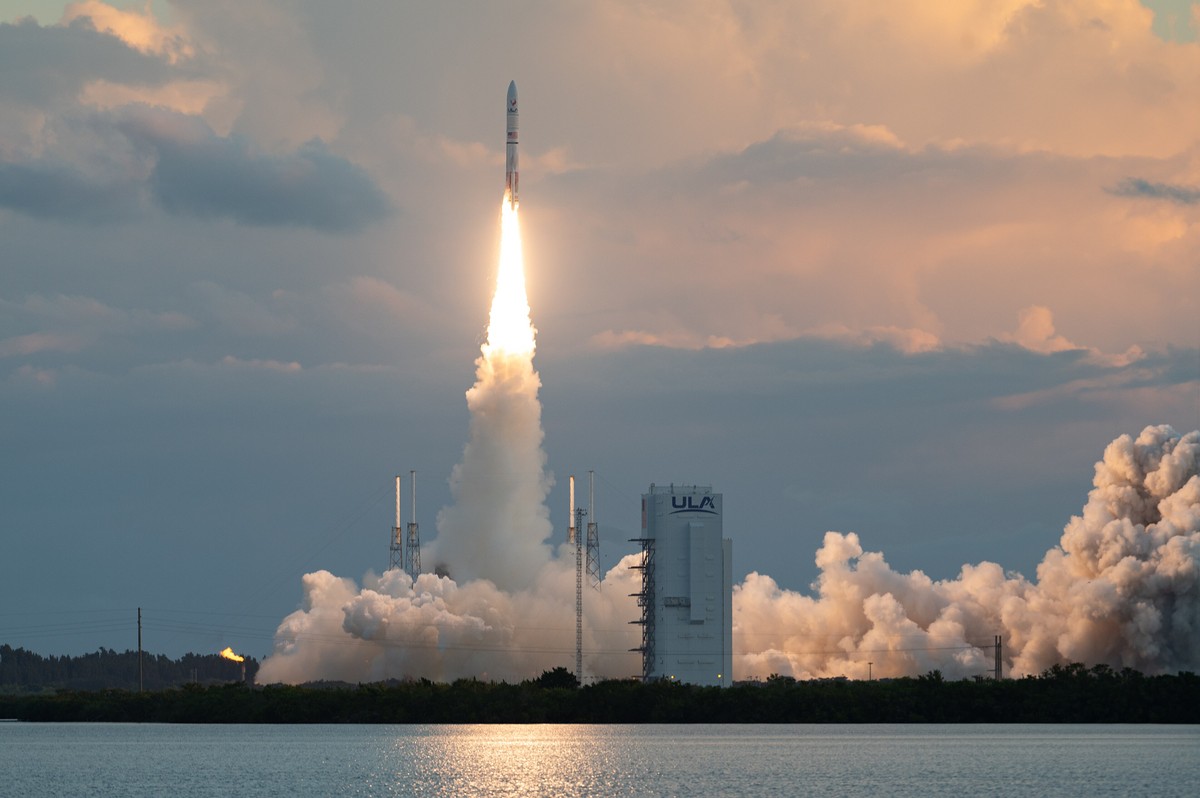
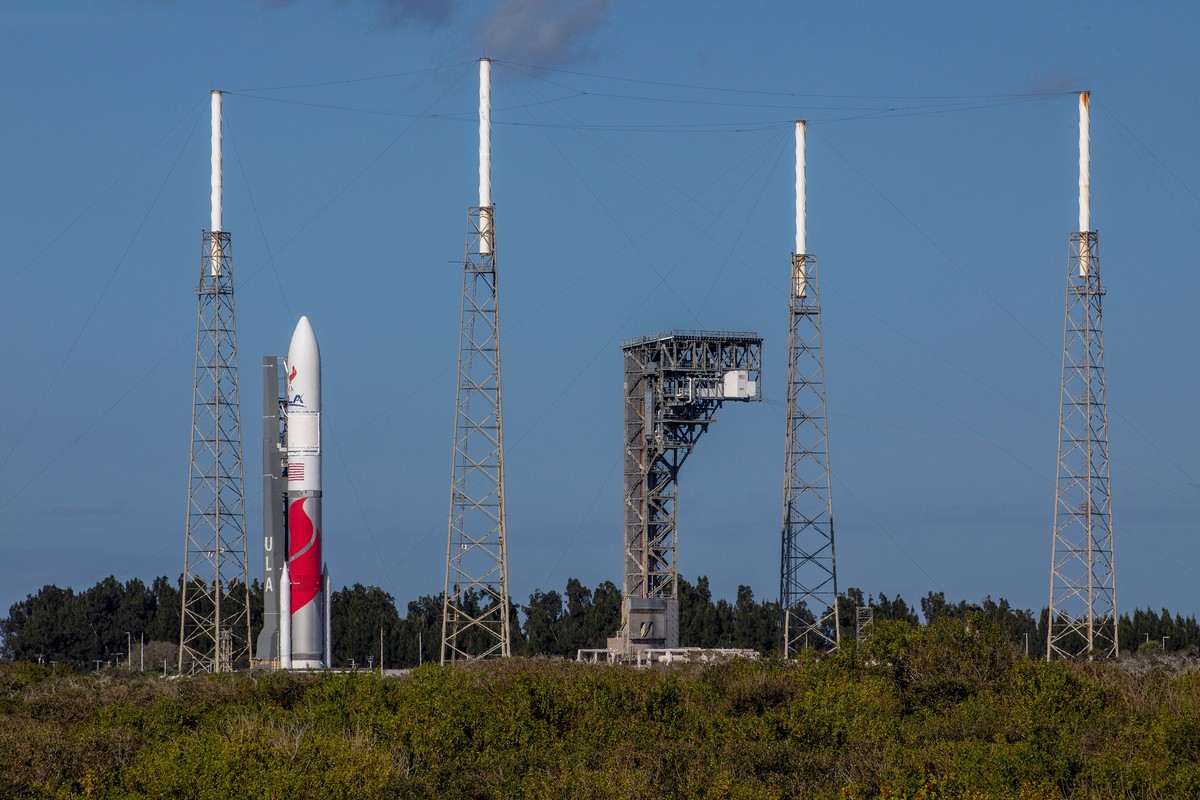
Sunday’s rocket was also the first Vulcan to fly with six solid boosters, the most it can carry, according to Amazon and ULA. It stood 215 feet tall and left the pad on 3.9 million pounds of thrust, ULA said.
Forty satellites that never arrived
The plan, laid out by ULA before launch, was to reach an orbit about 285 miles (460 km) up and start releasing the satellites about 70 minutes after liftoff, over the Pacific Ocean. It would have been the most satellites Amazon has ever launched at once, and it was the first of 38 Vulcan launches Amazon bought for its Leo network.
Amazon Leo is building a constellation of more than 3,000 satellites to bring internet to places that lack it, a rival to SpaceX’s Starlink. About 400 were already in space before Sunday, Space.com reported. Amazon also has launches booked with Arianespace, Blue Origin and SpaceX.
Amazon stood by its launch partner. “There is risk with any launch, and that’s especially true for inaugural missions like LV-01,” Amazon Leo posted on X. “ULA has been a trusted partner for Amazon, and we believe they’ll learn from this mission and deliver on their long-term plans for Vulcan.”
One came home, one fell silent
Two days, two rockets. One fell out of orbit and was caught in steel arms. The other climbed for about 10 minutes and then was gone. ULA now says preliminary data points to too little fuel reaching the BE-4 engines, not a problem with the engines themselves. The investigation is still underway under FAA oversight.
Bottom line: ULA’s Vulcan failed about 10 minutes after liftoff on Nov. 15, 2026, and all 40 Amazon Leo satellites were lost. It is ULA’s first mission failure in about 20 years. ULA says preliminary data points to too little fuel reaching the BE-4 engines, not a problem with the engines themselves. The investigation continues under FAA oversight.
No Ground. Stay curious.