 No Ground
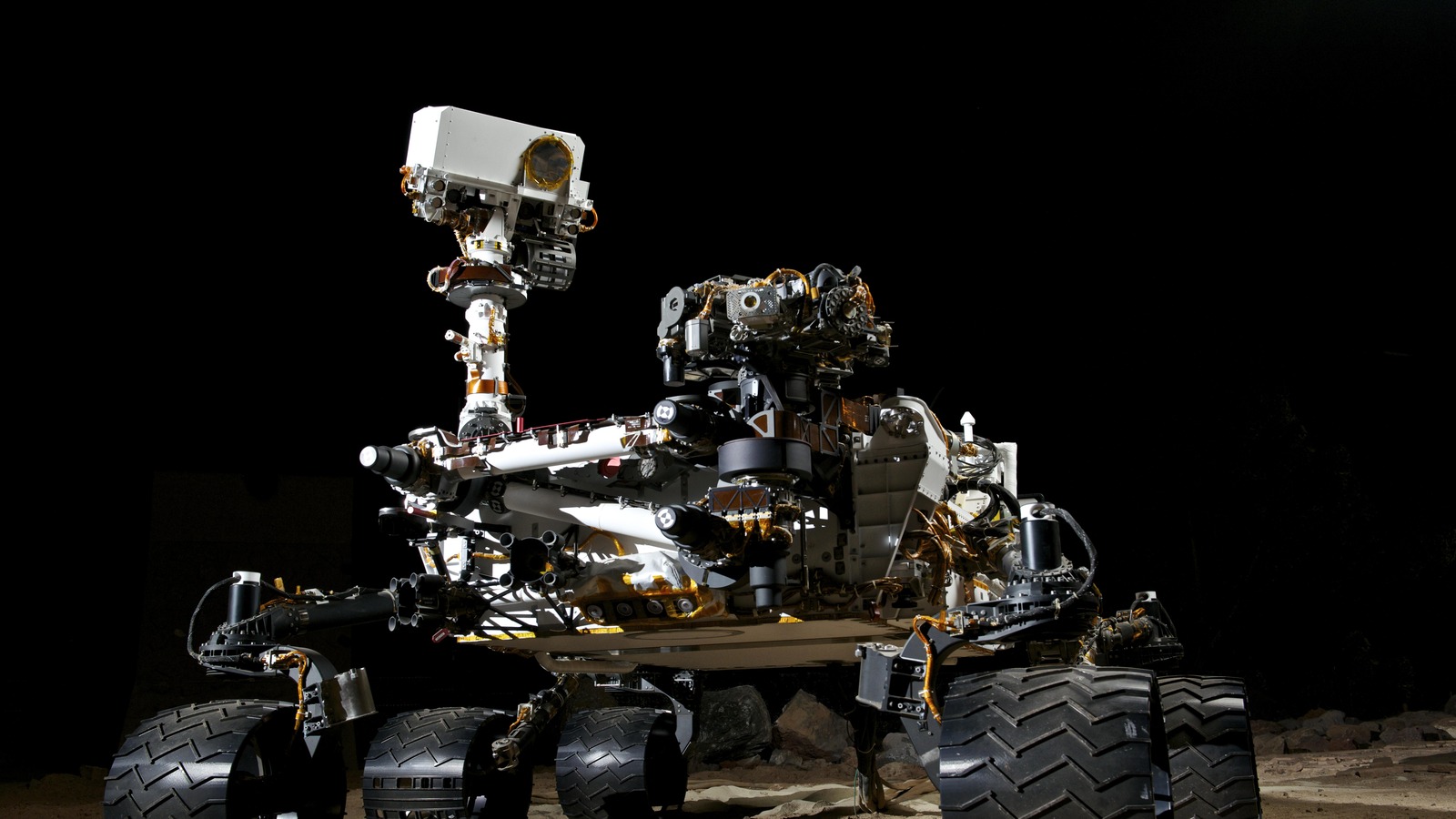
NASA is moving ahead with a nuclear-powered rover for the Moon’s South Pole. It is called PROMISE, short for Polar Rover for Observation, Mapping, and In-Situ Exploration, and NASA announced the decision on Saturday, Nov. 7, at the MAX POWER aerospace expo and air show at Kennedy Space Center in Florida.
What makes PROMISE different is where it can go, and when. NASA says the six-wheeled rover can keep operating through the long lunar night and inside permanently shadowed regions, the cold dark places near the pole that are thought to hold ice.
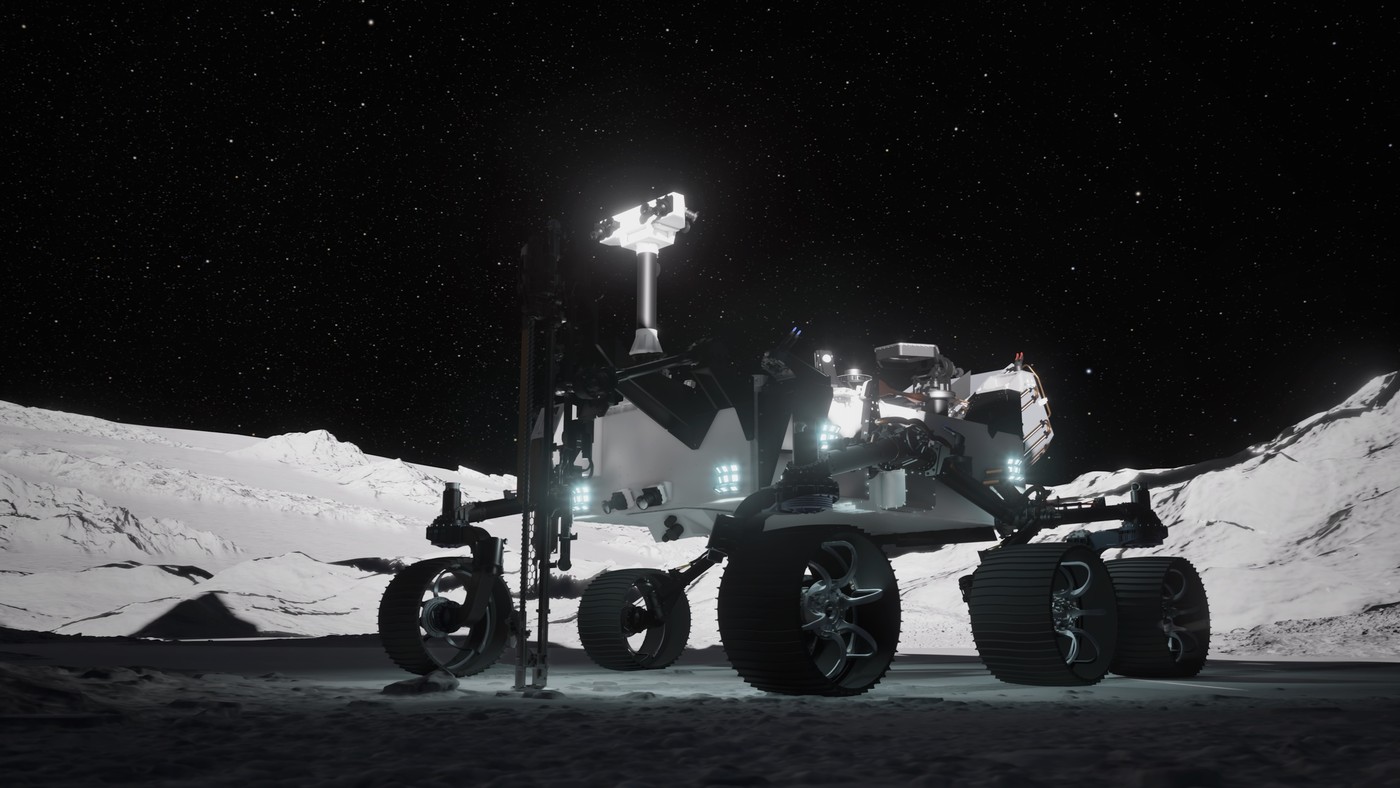
A rover that doesn’t wait for the Sun
A solar-powered machine has to sit out the dark. PROMISE won’t. NASA says it will carry a flight-spare multi-mission radioisotope thermoelectric generator, or MMRTG, which the agency describes as “essentially a nuclear generator.” It is the same type of power source that runs Curiosity and Perseverance on Mars.
That matters because of what may be hiding in the shadows. NASA calls the ice thought to sit in permanently shadowed regions “crucial for a sustained human presence on the Moon.” PROMISE is meant to scout it: to study the surface and what lies beneath, judge how much of a resource is really there, and help NASA pick landing sites and places to build.
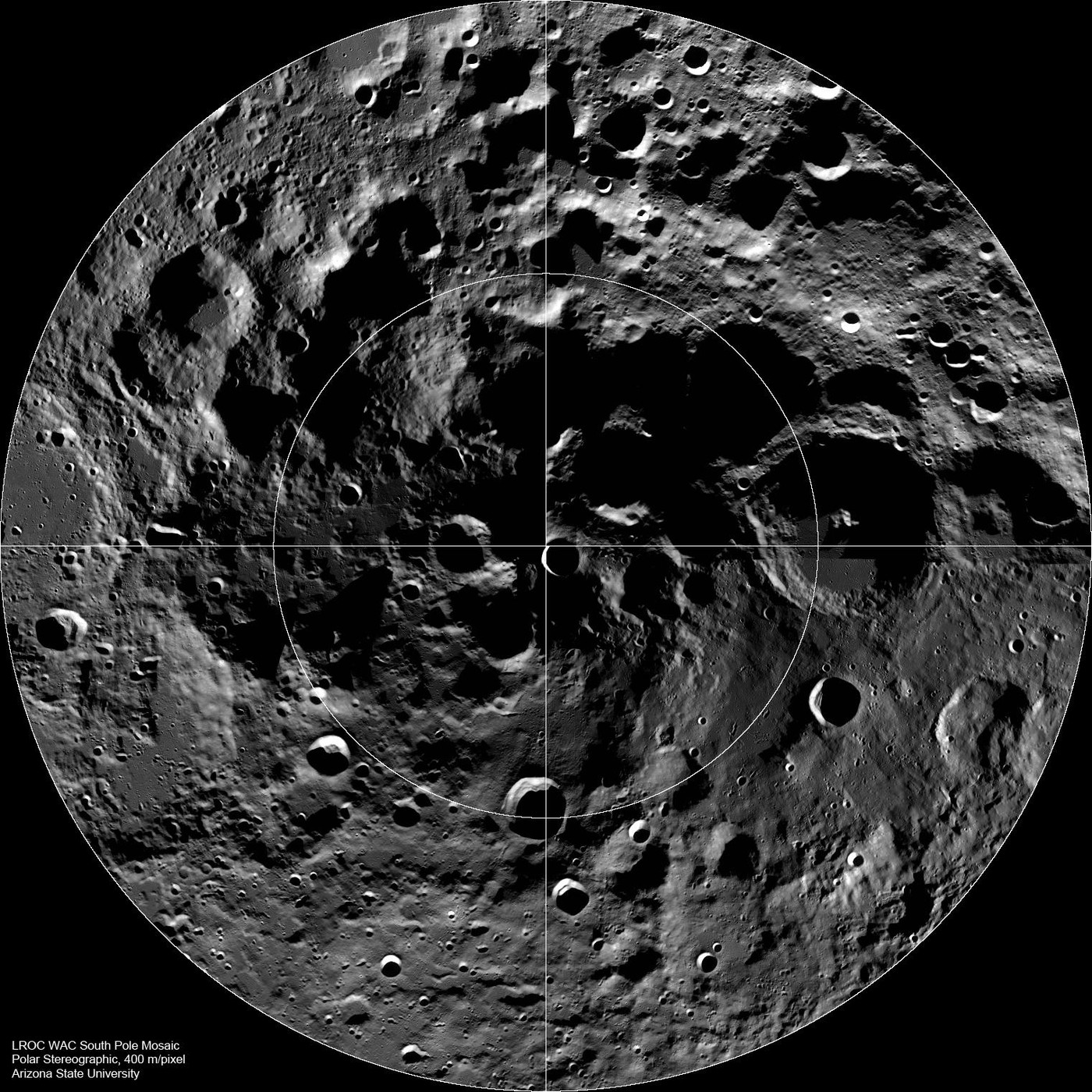
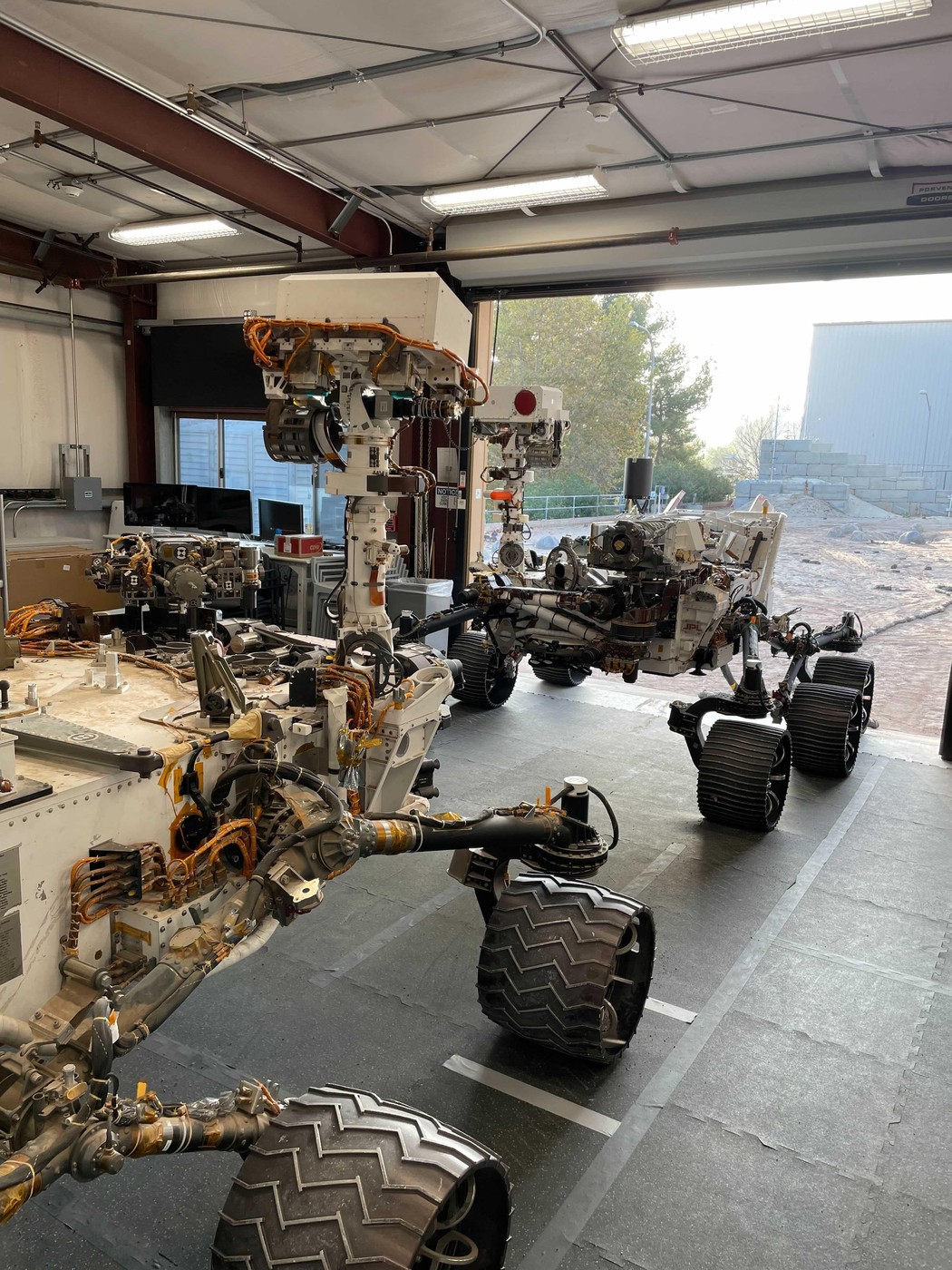
Built from Mars rover parts
NASA’s Jet Propulsion Laboratory in Southern California will manage the mission and build the rover from spare flight components and engineering test models made for Curiosity and Perseverance. On its mission page, NASA says JPL engineers are transforming the electronics, body structure and mobility system of the duplicate Curiosity that has served as the mission’s vehicle system test bed on Earth.
NASA says reusing proven hardware, software and Mars rover operating methods cuts cost and shortens the schedule, and that it has checked the hardware can tolerate the harsh conditions near the lunar South Pole.
The nuclear generator will sit where it does on Perseverance. NASA says the MMRTG will be inserted between the heat exchangers at the rear of the rover, and installed in a specialized facility after PROMISE arrives at the launch site.
Explore your sky tonightLive sky map for where you are: planets, the ISS and bright stars above your horizon.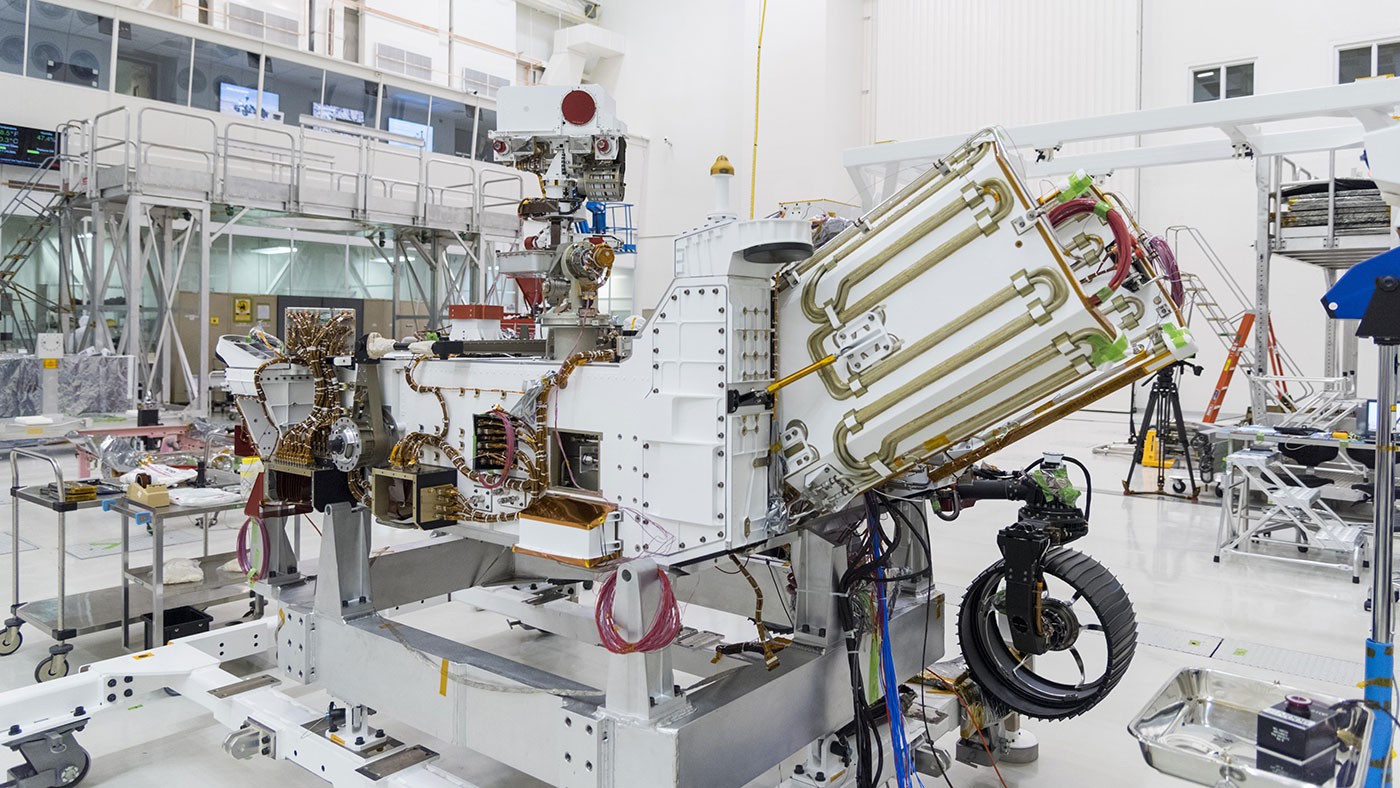
A one-meter drill
According to NASA, PROMISE will carry a drill to pull up regolith from about 3 feet (1 meter) below the surface to characterize ice and other resources. It will also carry spectrometers to analyze the chemistry of surface material, temperature and radiation sensors, and visible-light cameras. It will test a new radiation-tolerant computer, NASA’s High Performance Spaceflight Computing, along with advanced autonomy sensors and software.
NASA is targeting late 2028 for launch and planning an 18-month mission. Blue Origin won a $94 million base contract, with an option worth an additional $140 million based on performance, to deliver the rover to the South Pole on its Mark 1 lander. Scientific American reports that JPL planetary scientist James Keane will be the mission’s project scientist.
The rest of the Moon Base package
PROMISE was one piece of a bigger announcement. NASA picked eight companies for CLPS 2, the next phase of its Commercial Lunar Payload Services program: Blue Origin, Firefly Aerospace, Intuitive Machines, ispace-U.S., Lockheed Martin Space, Northrop Grumman Space Systems, SpaceX and Voyager Technologies. They can now compete to fly NASA science, technology and infrastructure to the Moon’s surface. CLPS 2 is a 10-year contract with a combined maximum value of $10 billion.
NASA also raised the value of the original CLPS contract from $2.6 billion to $4.2 billion, and awarded six launch and transport task orders worth about $1.3 billion combined to Arrow Science and Technology, Blue Origin and Impulse Space. Those flights include the CAPSTONE 02 spacecraft and NASA’s MoonFall drones, which are meant to scout the South Pole before astronauts arrive. Separately, SpaceX will launch communications satellites on a Starship to cislunar space in 2028.
Bottom line: NASA wants a permanent base near the Moon’s South Pole, and the first thing it needs to know is what is actually in the dark. PROMISE, a Mars rover twin with its own nuclear power, is the machine it is sending to find out.
No Ground. Stay curious.