 No Ground
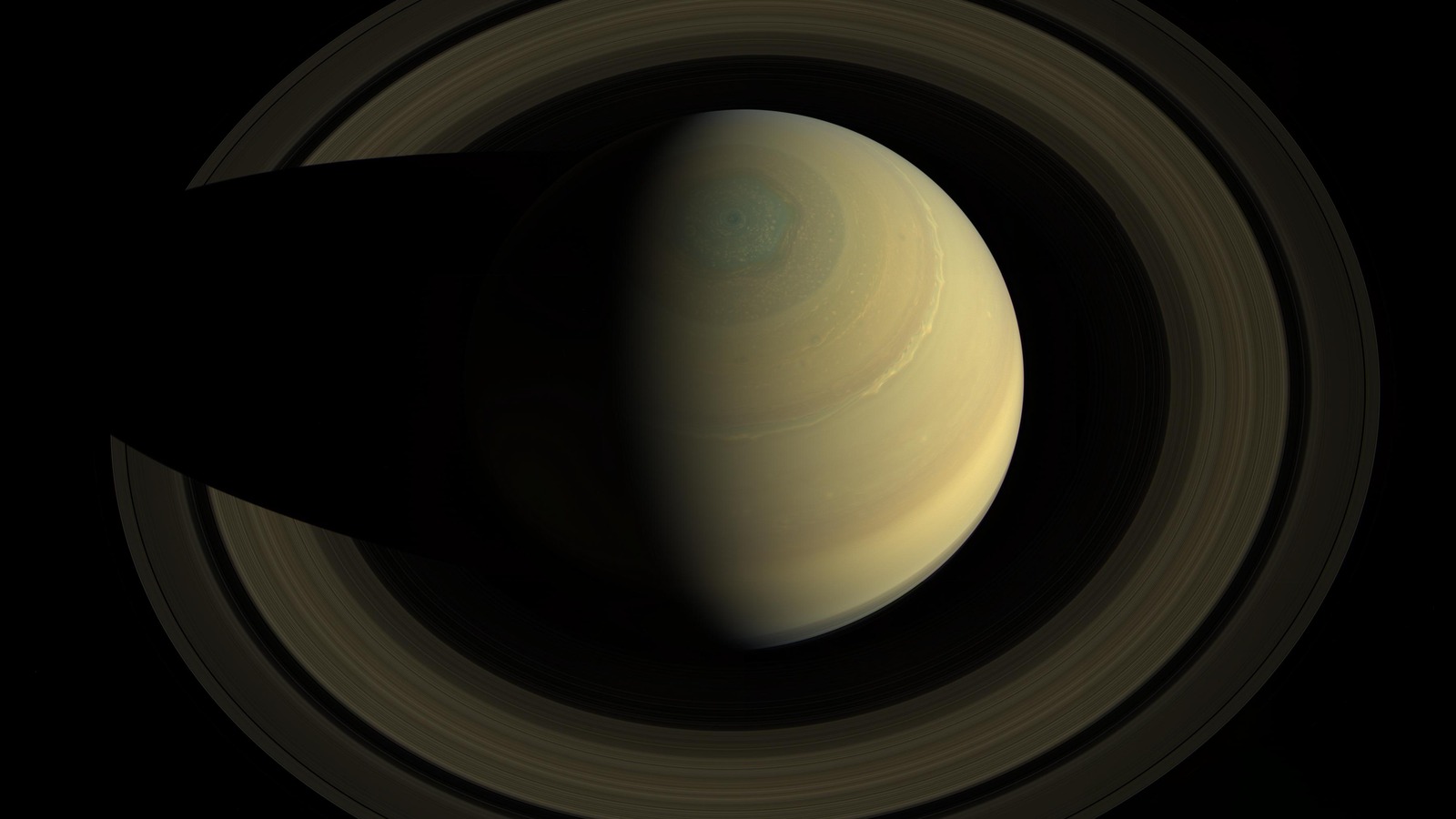
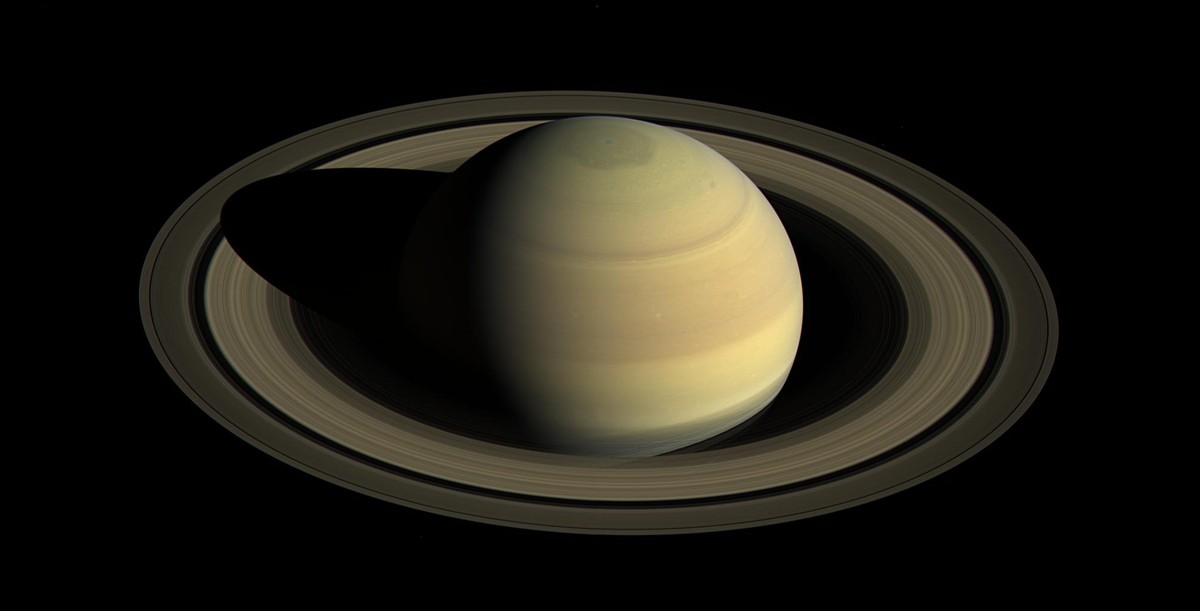
Saturn’s rings look like they have always been there and always will be. They are the most famous feature in the solar system, so wide that they stretch up to 175,000 miles from the planet. But they are not permanent. Right now, ice from the rings is falling into Saturn, and NASA research says it is happening at the fastest rate scientists had estimated.
So, is Saturn losing its rings? Yes, slowly by human standards but quickly by cosmic ones. Here is how “ring rain” works, how much time the rings may have left, and why scientists still argue about how old they are.
What Saturn’s rings are made of
Saturn’s rings are not solid. NASA describes them as billions of small chunks of ice and rock coated with dust. Most pieces range from tiny icy grains to chunks as big as a house, and a few are as large as mountains. Every piece is in its own orbit around the planet, like a swarm of tiny moons.
They are also astonishingly thin. The ring system is hundreds of thousands of miles across, yet the main rings are typically only about 30 feet thick. That is roughly the height of a three-story building, for something hundreds of thousands of miles wide.
Each ring particle is caught in a balancing act. Saturn’s gravity pulls it inward, while its orbital speed tries to fling it outward. As long as those two stay in balance, the particle keeps circling. Ring rain starts when something tips that balance.
How “ring rain” works
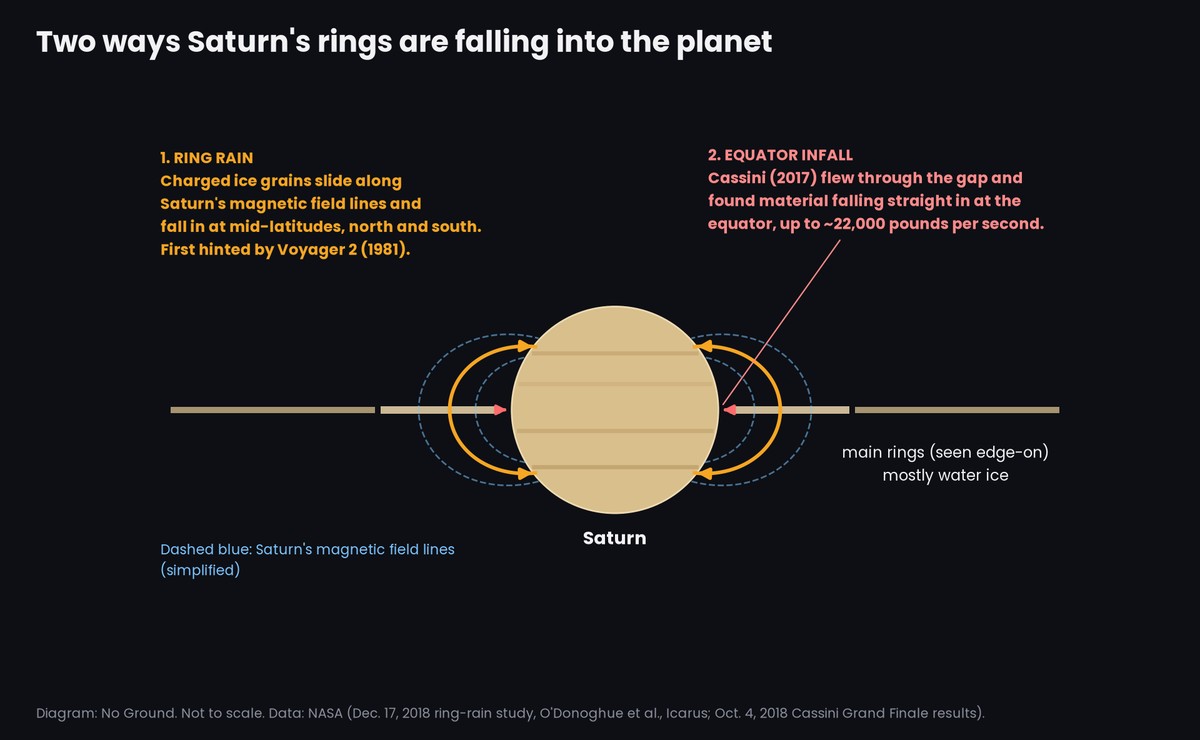
The smallest ice grains can pick up an electric charge, either from ultraviolet sunlight or from clouds of plasma created when tiny meteoroids smash into the rings. Once a grain is charged, it starts to feel Saturn’s magnetic field, not just its gravity.
Saturn’s magnetic field lines curve in toward the planet at the rings. In some parts of the rings, the charged grains get pulled along those invisible lines, down into Saturn’s upper atmosphere. There the ice vaporizes, and the water reacts with the charged upper layer of the atmosphere.
The first hints came from NASA’s Voyager 2. In 1981 it photographed three narrow dark bands circling Saturn at northern mid-latitudes. In 1986, NASA scientist Jack Connerney proposed that water raining in from the rings was washing away haze high in the atmosphere, which made those bands look dark. Decades later, a team led by James O’Donoghue of NASA’s Goddard Space Flight Center used the Keck telescope in Hawaii to see glowing bands of charged hydrogen exactly where the magnetic field lines from the rings meet the planet.
Their measurement was dramatic. “We estimate that this ‘ring rain’ drains an amount of water products that could fill an Olympic-sized swimming pool from Saturn’s rings in half an hour,” O’Donoghue said. The team even found a separate glowing band where the magnetic field connects to the orbit of Enceladus, the small moon whose geysers shoot water ice into space and are thought to come from a hidden ocean, suggesting some of that ice rains onto Saturn too.
Find Saturn in your sky tonightLive sky map for where you are: when it rises and where to look.A second, faster drain at the equator
Ring rain is only part of the story. In 2017, at the end of its mission, NASA’s Cassini spacecraft made 22 daring orbits through the roughly 1,200-mile gap between Saturn’s cloud tops and its innermost ring. Nothing had ever flown there before.
Cassini found ring material falling straight into Saturn at the equator, much faster than expected: as much as 22,000 pounds of material per second, according to NASA. The infall was not just water. It included methane, ammonia, carbon monoxide and other compounds, plus organic material, and the particles in the gap were mostly tiny, smoke-like grains.
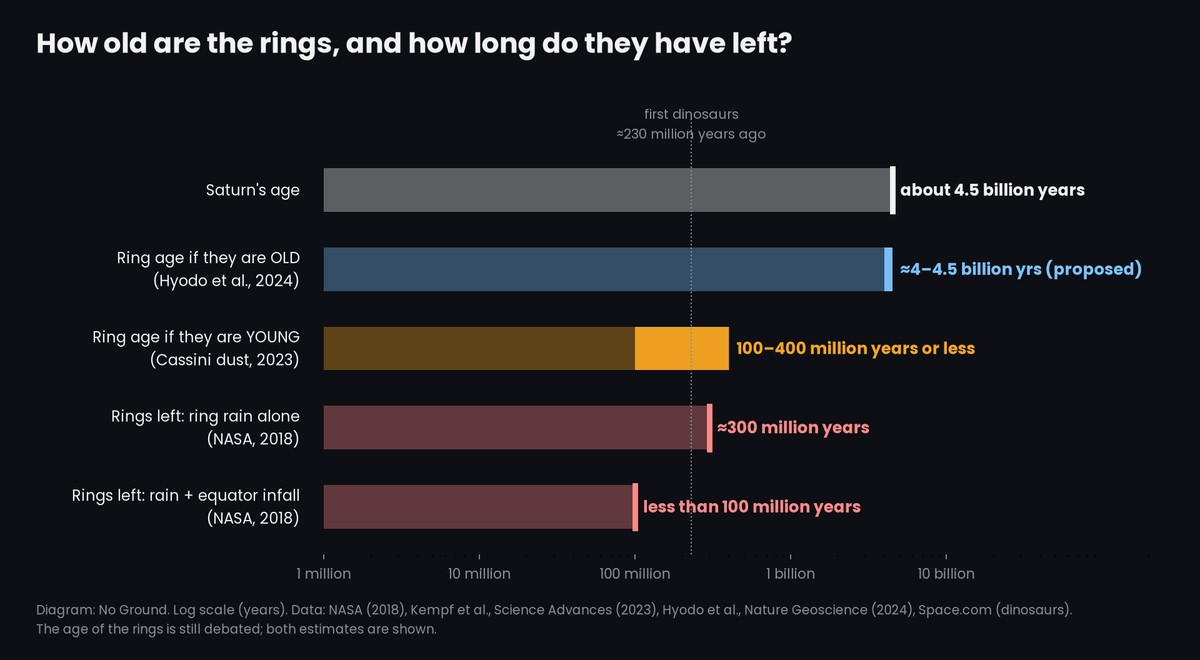
Put the two drains together and the clock starts ticking. “From this alone, the entire ring system will be gone in 300 million years,” O’Donoghue said of ring rain, “but add to this the Cassini-spacecraft measured ring-material detected falling into Saturn’s equator, and the rings have less than 100 million years to live. This is relatively short, compared to Saturn’s age of over 4 billion years.”
So how old are the rings? Scientists still disagree
If the rings are draining that quickly, a natural question follows: were they always there? This is where the science gets genuinely unsettled.
For most of the 20th century, scientists assumed the rings formed with Saturn about 4.5 billion years ago. Cassini challenged that. It found the rings remarkably bright and clean. Dust from space should slowly darken ice over time, so clean rings looked like young rings. A 2023 study in Science Advances, led by Sascha Kempf and based on Cassini’s dust measurements, put their exposure age at no more than about 100 to 400 million years. The 2018 NASA ring-rain work also favored young rings, possibly formed when small icy moons collided.
That would make the rings younger than the first dinosaurs, which appeared about 230 million years ago.
But in December 2024, a team led by Ryuki Hyodo published a study in Nature Geoscience that pushed back. Their simulations suggest that when tiny meteoroids hit the rings at about 67,100 mph, they vaporize, and most of that material gets swept away by Saturn’s magnetic field, falls into the planet or escapes, instead of sticking to the ice. If that is right, the rings could stay clean for billions of years. Hyodo told Space.com he thinks the rings are likely about 4 to 4.5 billion years old.
Kempf, for his part, told New Scientist the new work should not change his team’s conclusion: “We are pretty certain that this is not really telling us that we have to go back to the drawing board.” Both sides agree more data is needed, and the honest answer today is that the rings’ age is still an open question.
What is not in question is that the rings are losing material now. Whether they are young or ancient, they will not look like this forever.
Will the rings really disappear?
NASA’s best estimates say the rings could be largely gone in less than 100 million years. That is far beyond any human lifetime, so nobody alive will notice a change. On the scale of a planet more than 4 billion years old, though, it is a short window.
“We are lucky to be around to see Saturn’s ring system, which appears to be in the middle of its lifetime,” O’Donoghue said. He added a thought that is hard to shake: if rings come and go, perhaps we just missed out on giant ring systems around Jupiter, Uranus and Neptune, which have only thin ringlets today.
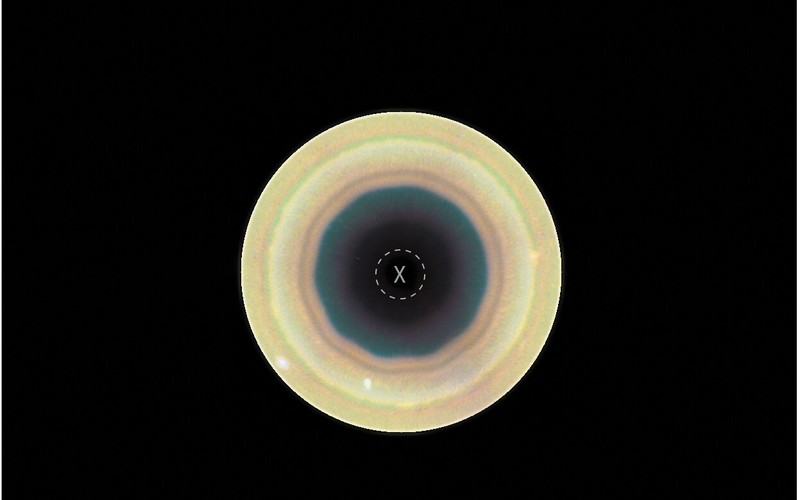
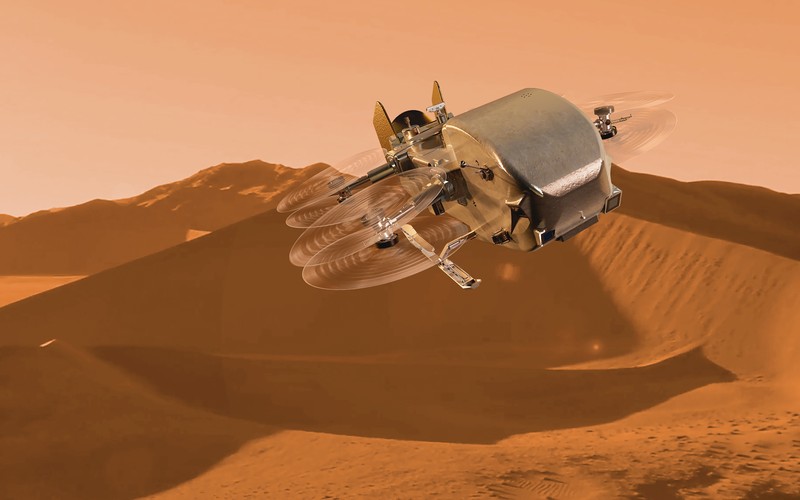
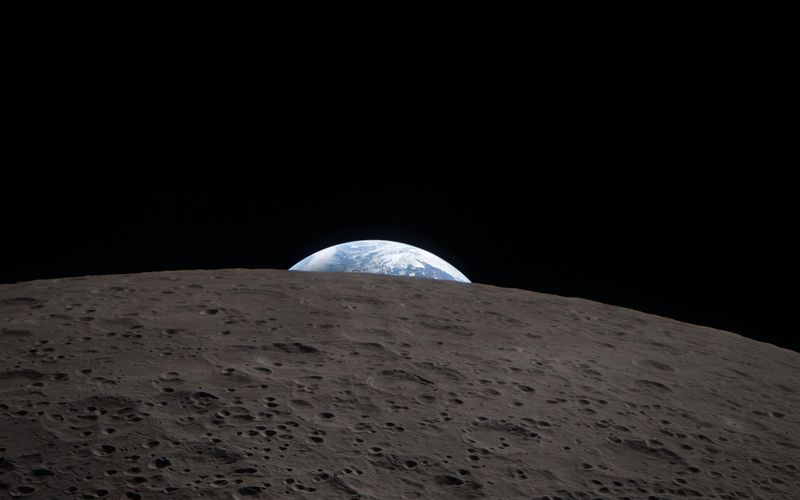
Saturn keeps surprising scientists in other ways too. Hubble recently spotted a 10-sided storm pattern forming around Saturn’s south pole, and NASA’s Dragonfly mission is headed to Saturn’s moon Titan. And Saturn’s rings are not the only thing in the sky that only looks permanent: our own Moon is slowly drifting away from Earth.
Bottom line: Yes, Saturn is losing its rings. Charged ice grains rain down along its magnetic field, and Cassini saw even more material falling in at the equator. NASA estimates the rings may have less than 100 million years left. How old they are is still debated, from a few hundred million years to nearly as old as Saturn itself.