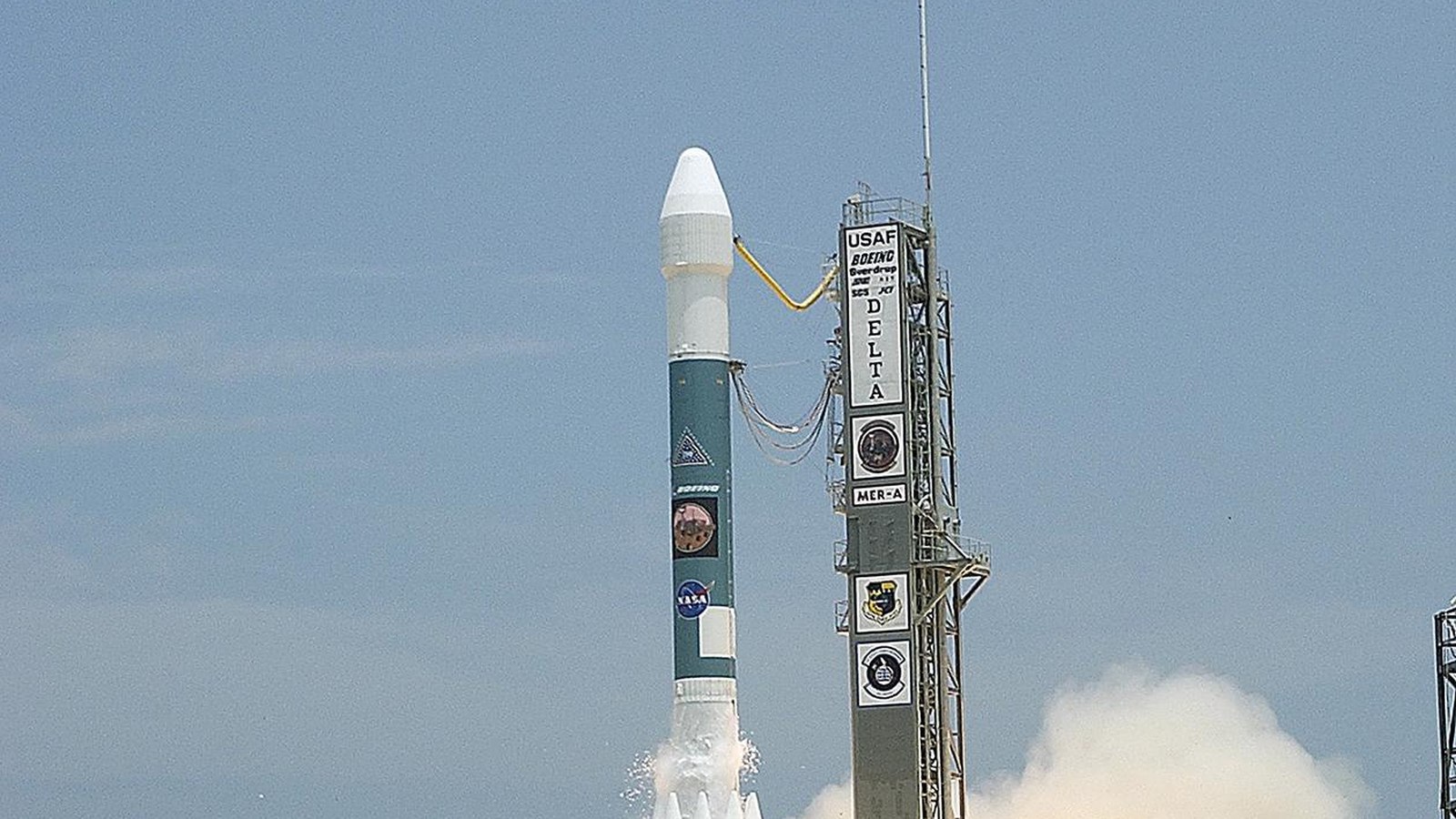
On a Gulf Coast pad, a stainless cylinder taller than most office towers waits for a weather window. Starship Flight 14 is framed as more than another test: it is the first attempt in this campaign aimed squarely at a closed loop — leave Earth, circle it, and come back with a heat shield that still means something.
Earlier flights taught brutal lessons. Engines failed. Tiles vanished. Vehicles that looked graceful on ascent sometimes ended as bright debris over the ocean. That is how high-energy engineering usually works. Progress is measured not by perfect launches, but by failures that get smaller and more specific.
Orbit is not the finish line
Reaching orbital velocity — roughly 7.8 kilometers per second — is only the first half of the problem. The harder half is surviving the return. Air that feels soft at walking speed becomes a furnace when you plow into it at orbital speed. The underside of Starship is a mosaic of ceramic tiles meant to shed that heat. Lose too many, and the steel beneath remembers what melting means.
Reusability is not a slogan. It is a heat-shield problem wearing a rocket costume.
Flight 14’s published goals, as described in public briefings and familiar test objectives, center on a near-orbital or orbital trajectory, controlled coast, and a reentry profile that stresses those tiles under real conditions — not a gentle simulation in a vacuum chamber.
Public timelines for stacked flight tests shift with weather, range safety, and hardware turnaround. What does not shift is the underlying bet: that a fully reusable two-stage system can absorb the cost of failure until success becomes routine. Flight 14 sits in that sequence — one more data-rich attempt to close the loop between pad, vacuum, and splashdown or catch.
For readers following from a phone feed, the practical takeaway is simpler. Watch whether the upper stage reaches the intended energy. Watch whether telemetry survives the blackout of reentry plasma. And watch whether the heat shield returns looking like a machine that can fly again — not a sculpture that survived once.
Why outsiders should care
Heavy lift sounds industrial until you remember what mass enables: larger telescopes, denser habitats, fuel depots, the dull logistics that turn “maybe someday” into “scheduled.” If a vehicle can loft a hundred-plus tons and fly again, the economics of space stop resembling rare expeditions and start resembling freight.
That future is not guaranteed by one flight. A single successful orbital recovery would still leave years of certification, abort modes, and quiet reliability work. But the direction of travel is clear. The pad lights stay on. The next stack is already being built.
Watch the plume. Watch the coast phase. Then watch the plasma sheath on the way home — the brief, bright interval when engineering either holds, or teaches another expensive lesson.
No Ground. Stay curious.