 No Ground
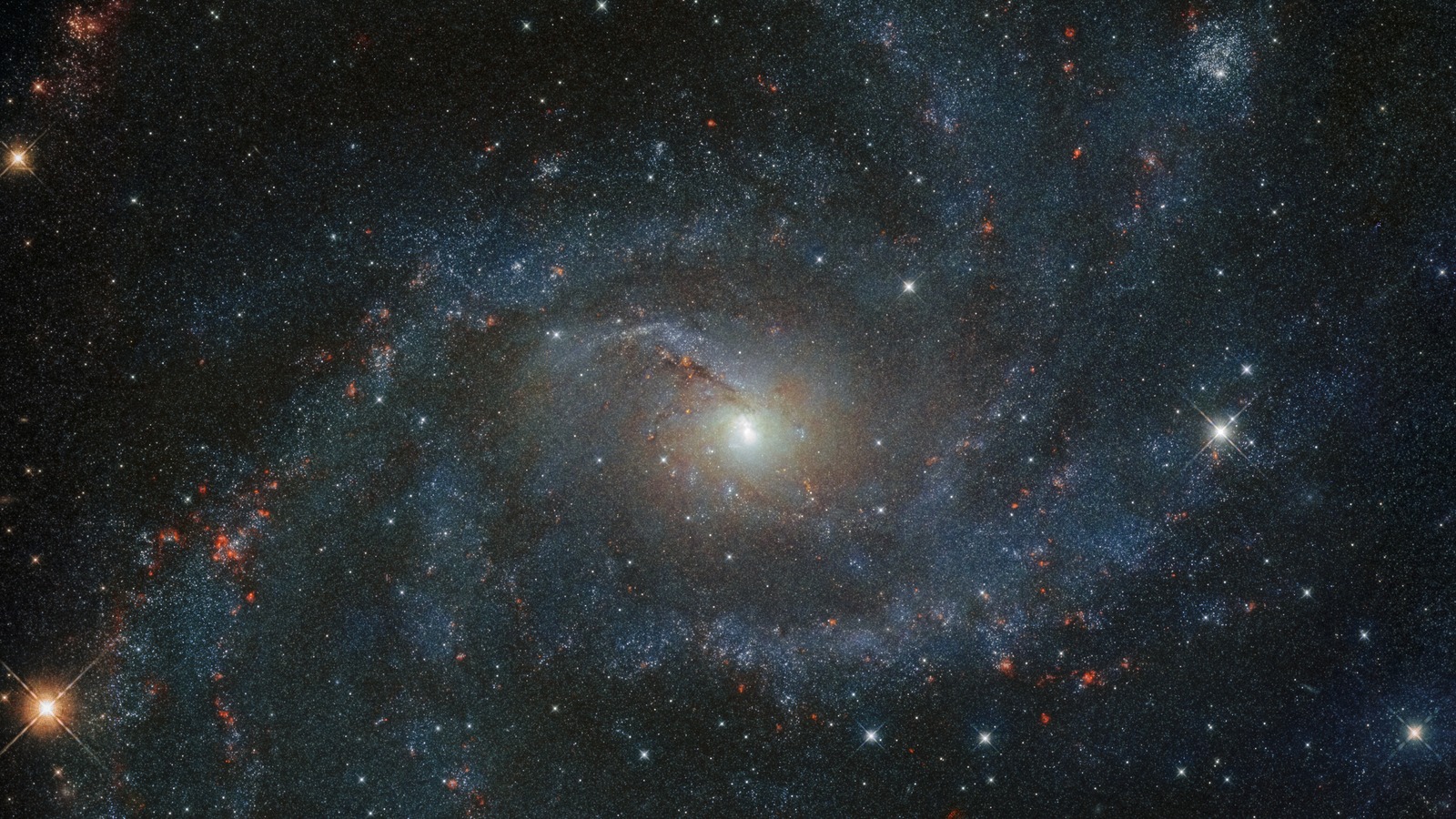
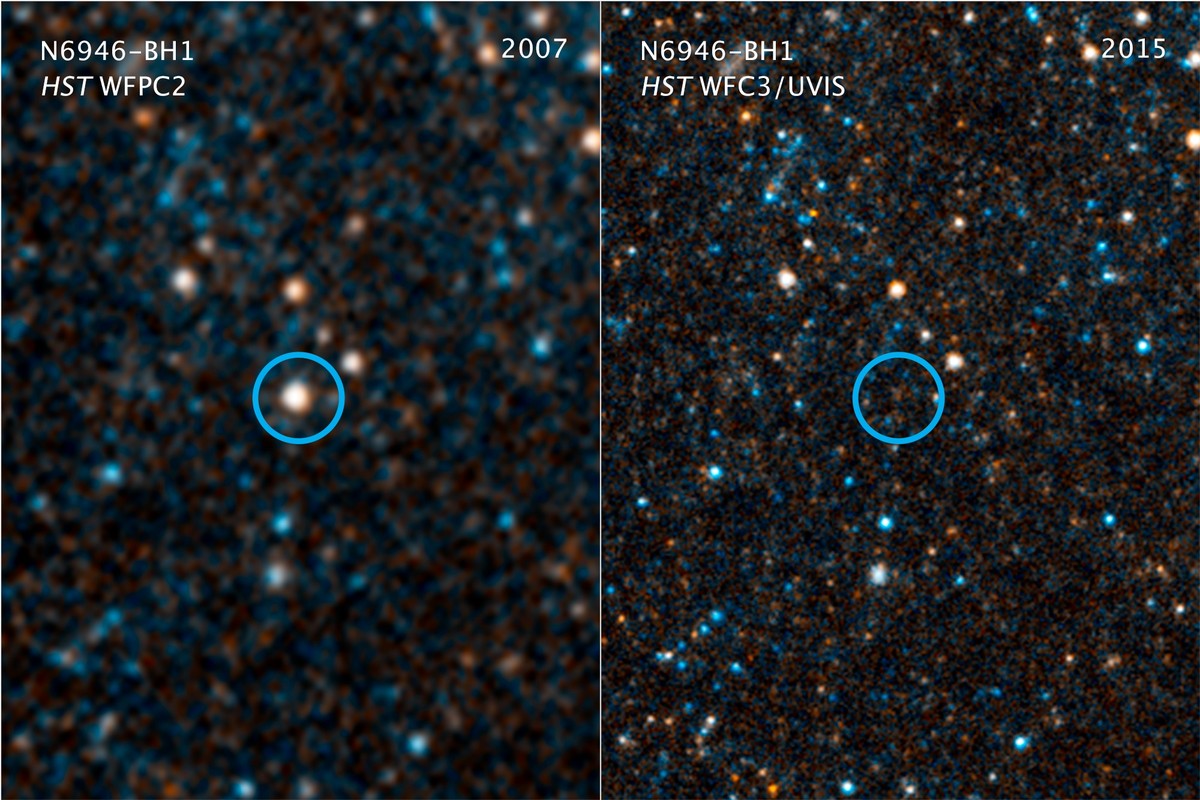
For several months in 2009, a giant star in a galaxy more than 20 million light-years away blazed at over a million times the brightness of our Sun. Then it faded. When the Hubble Space Telescope looked again in 2015, the star was gone.
There was no supernova, the brilliant explosion that is supposed to mark the death of a star that big. Astronomers call an ending like that a failed supernova. Now a Caltech-led study suggests these quiet deaths may be common, and that the clues were hiding in ripples of space-time.
Going out without a bang
The most massive stars often die in a supernova, blasting most of their matter into space. The collapsed core becomes a neutron star or, sometimes, a black hole.
Theory has long allowed another way out: some massive stars might never explode and instead collapse straight inward. The star doesn’t blow up. It just disappears.
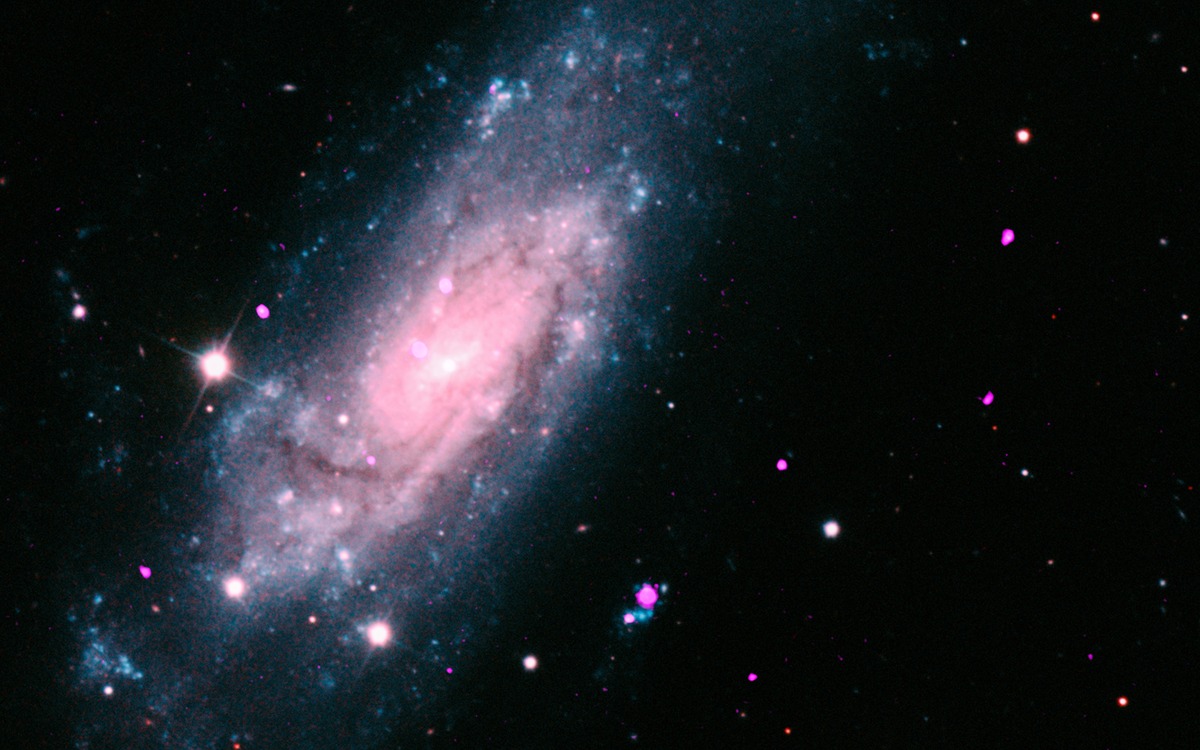
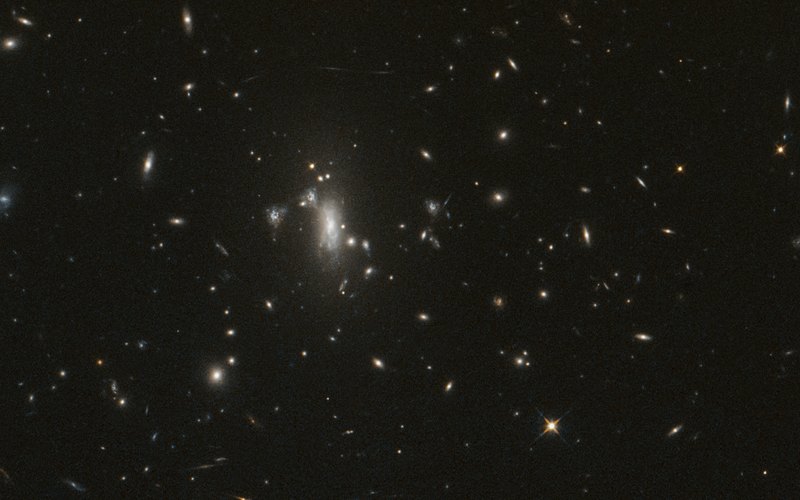
That seems to be what happened to N6946-BH1, the star in the Hubble images above. It sat in the spiral galaxy NGC 6946 and weighed about 25 times as much as the Sun. Ohio State University astronomers caught it vanishing with the Large Binocular Telescope, then searched for it with Hubble and NASA’s Spitzer Space Telescope. It was gone.
“The typical view is that a star can form a black hole only after it goes supernova,” said Christopher Kochanek, an astronomer at Ohio State. “If a star can fall short of a supernova and still make a black hole, that would help to explain why we don’t see supernovae from the most massive stars.”
It was the only likely failed supernova in the first seven years of their survey, while six normal supernovae went off in the galaxies they were watching. From that, the team estimated that 10 to 30 percent of massive stars might die this way.
The case is still argued over. When NASA’s James Webb Space Telescope looked in 2023, it found that earlier images had blended at least three sources together, and that infrared light was still coming from the spot. The authors wrote that the data match a merger of two stars, but that a failed supernova is hard to dismiss.
A second suspect turned up in February 2026. Archival NEOWISE data showed a star in the Andromeda galaxy, M31-2014-DS1, brighten in infrared light in 2014. By 2023 it had dimmed in visible light by more than a factor of 10,000. The researchers, writing in the journal Science, concluded that most of the star collapsed into a black hole.
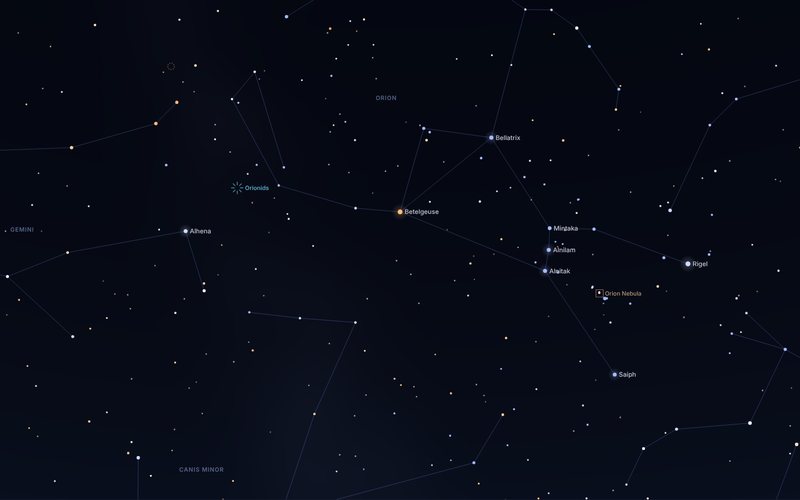
Explore your sky tonightLive sky map for where you are: planets, the ISS and bright stars above your horizon.Clues in the ripples
“We can look up at the sky and try to study historical records of massive stars that failed to explode, but it’s challenging because they just vanish without exploding, leaving a dark patch of sky,” said Isaac Legred, the study’s lead author, who did the work at Caltech and is now a postdoc at the University of Illinois Urbana-Champaign.
So the team looked at black holes that crash into each other. The LIGO detectors in Louisiana and Washington, working with Virgo in Italy and KAGRA in Japan, have spotted more than 300 black hole collisions since LIGO’s first detection in 2015. Each collision sends out gravitational waves, and the signal reveals how heavy the black holes were.
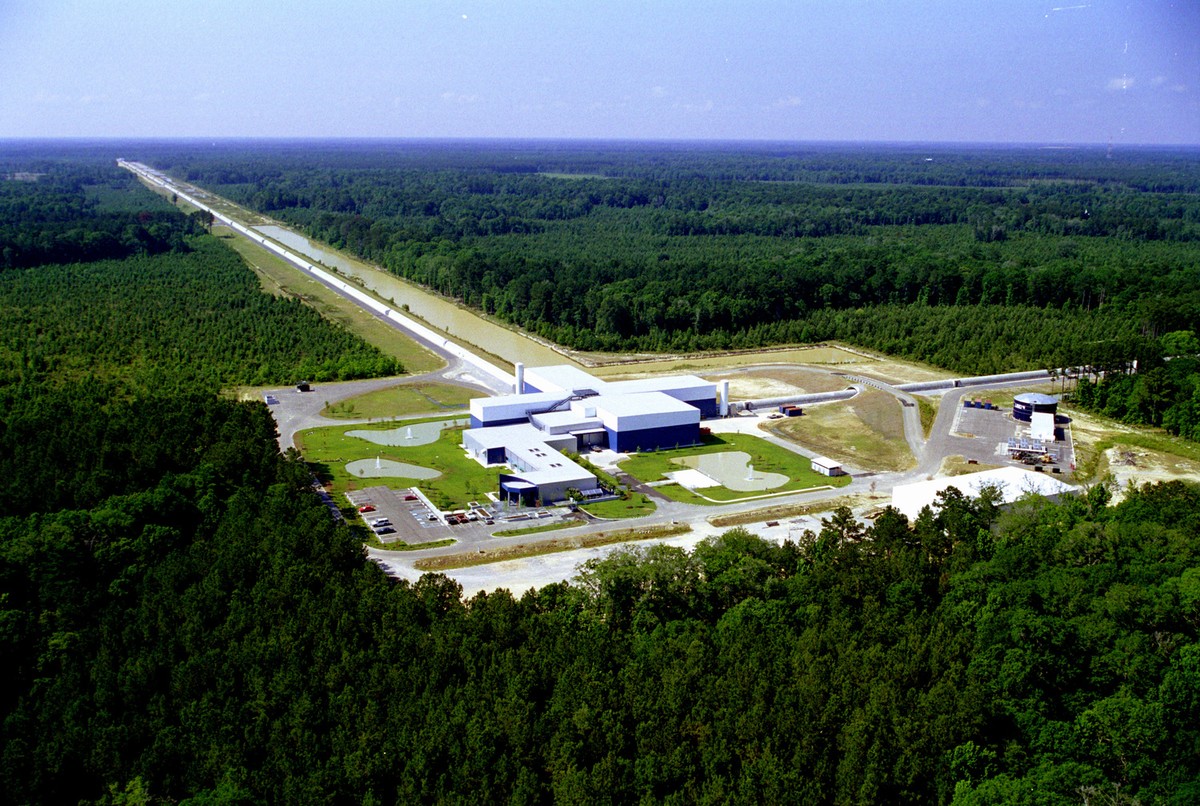
The researchers studied the masses of 257 black hole mergers detected over the past 10 years. They found a dramatic peak at 10 times the mass of the Sun, three-quarters of the entire sample. And for the first time, they found a distinct lack of black holes between 12 and 16 solar masses.
“We see 10 solar-mass black holes merging all the time,” Legred said. “But why are, say, 14 solar-mass black holes so rare?”
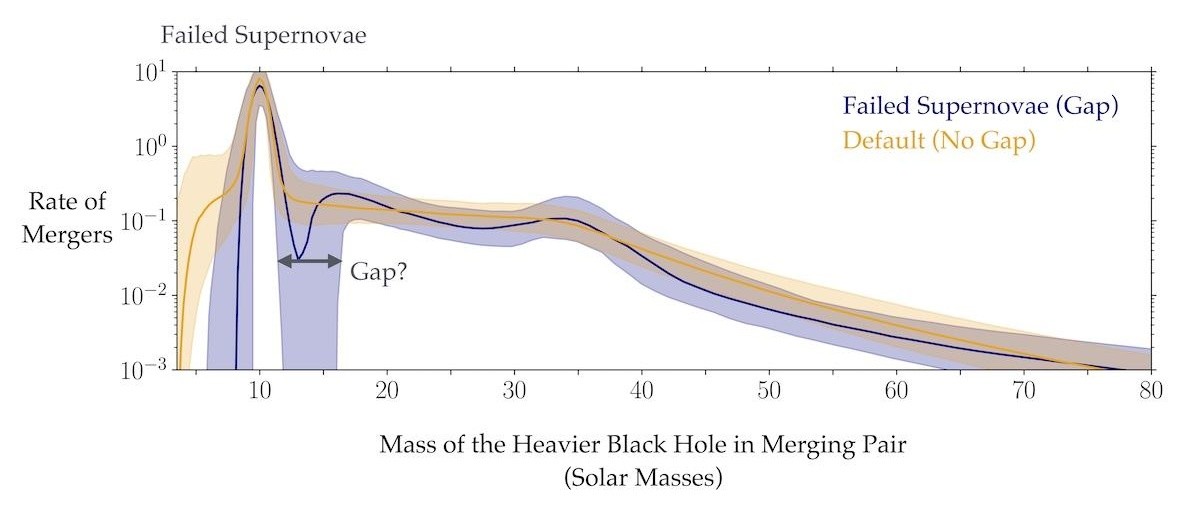
A crowd at 10, then a gap, is what theorists predicted for black holes born from failed supernovae. The 10-solar-mass black holes also spin within a narrower range than the rest, another hint of a common origin.
“Our data are showing that this group of black holes may have a common origin—they may be a distinct subpopulation that failed to go supernova,” said Katerina Chatziioannou, the Caltech physics professor who led the research, published in Physical Review D.
What it does and doesn’t prove
The study is not direct proof, and Caltech says so: no failed supernova has been confirmed with certainty. The team showed that the gravitational-wave data are consistent with most merging black hole pairs forming from a very special kind of failed supernova. More research is needed.
Bottom line: Some giant stars may not die in a blaze at all. They may simply switch off and leave a black hole behind, and the black holes LIGO hears colliding may be where most of them ended up.
No Ground. Stay curious.