 No Ground
The United States has given SpaceX permission to put up to 1 million satellites into orbit around Earth. They would not beam internet to phones or dishes. They would be data centres: computers powered by sunlight, crunching data for artificial intelligence and sending the results back down to Earth.
The Federal Communications Commission (FCC) announced the decision on Wednesday, Nov. 25, 2026, calling it “the first authorization in U.S. history for a constellation of data centers in space.” SpaceX calls the system Starmind. If it is ever fully built, Ars Technica notes, it would increase the number of satellites in orbit by roughly 50 times.
Here is what was actually approved, what the deadlines are, and why astronomers and some of SpaceX’s rivals are unhappy about it.
What did the FCC approve?
The licence was signed by the head of the FCC’s Space Bureau and covers “a constellation of 1,000,000 NGSO satellites to operate as data centers in space.” NGSO means non-geostationary: satellites that circle the Earth rather than hovering over one spot. The licence runs for 15 years.
The FCC regulates radio, so the part it formally granted is the satellites’ radio links. Starmind satellites are meant to talk to each other and to the ground mainly with lasers. The FCC allowed radio links in two Ka-band slices, 18.8–19.3 GHz down to Earth and 28.6–29.1 GHz up, only as a backup for steering and checking on the satellites if the laser links fail. Those radio links must not interfere with anyone else, and SpaceX cannot claim protection from interference.
FCC Chairman Brendan Carr said the decision “opens a bold new frontier for the computing infrastructure needed to power America’s leadership and growth.” Elon Musk replied on X: “Much appreciated. This will be a great asset to America and the world.”
Where would a million satellites fly?
All of them would sit in low Earth orbit. According to the FCC order, the satellites would be spread across orbital shells, each about 50 km thick, between 500 and 1,002 km above the ground. The six main bands run from about 550 km up to just over 1,000 km. Half of them are tilted about 30 degrees to the equator. The other half are in sun-synchronous orbits, which pass over the poles and keep the same angle to the Sun all year — useful for a machine that runs on solar power.
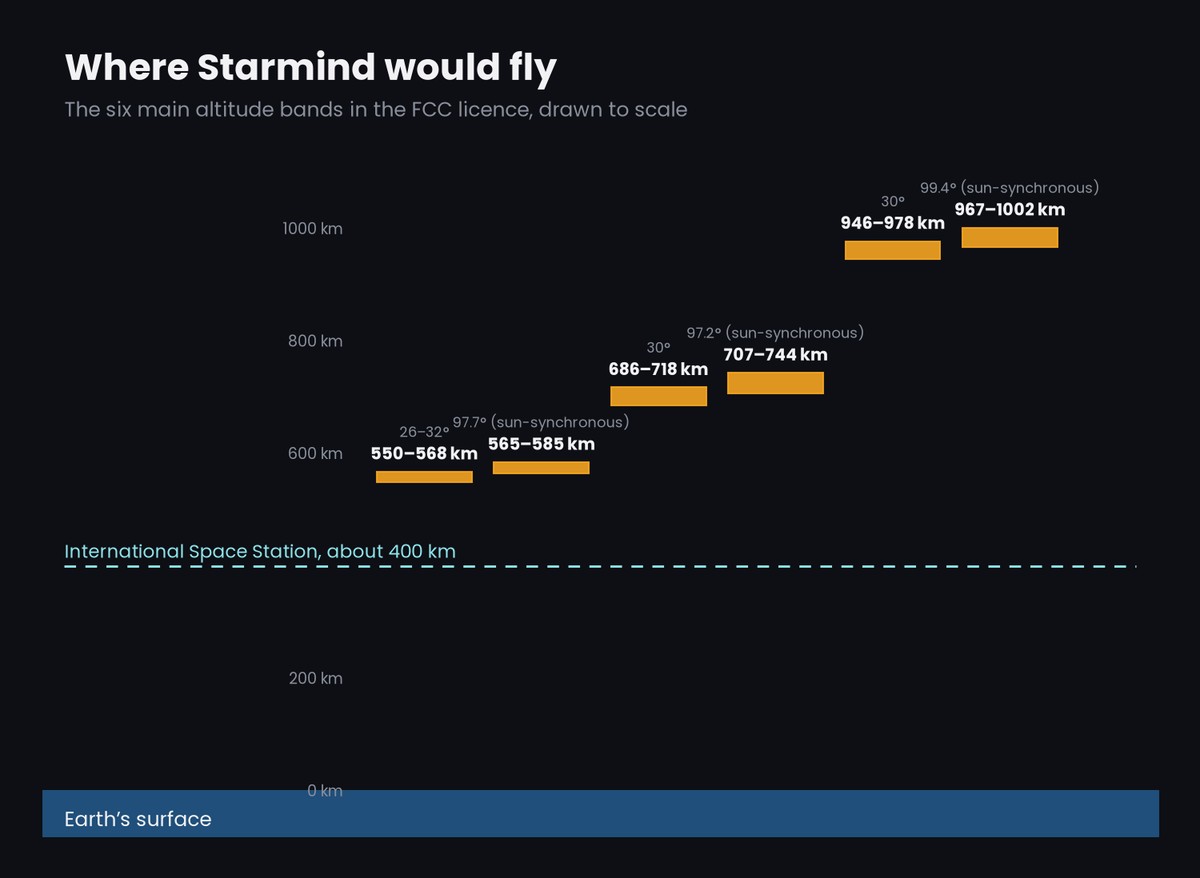
For comparison, the International Space Station flies at about 400 km. SpaceX’s existing Starlink internet network, which the BBC says has more than 10,000 satellites, also works in low Earth orbit. The BBC reports that Starmind satellites would pass their data to Starlink satellites, which would relay it to Earth.
What is a data centre in space, anyway?
A data centre is a building full of computer servers. The huge ones being built for AI use enormous amounts of electricity, and often a lot of water for cooling. The BBC notes that local opposition to new data centres is growing, and it is getting harder to find places to build them.
The pitch for putting them in orbit is simple: in space, the Sun shines almost all the time, so solar panels can produce power without fuel or a power plant. SpaceX argues that orbital data centres are the most cost- and energy-efficient way to meet demand for AI computing that goes beyond “terrestrial capabilities,” the BBC reports. The FCC’s own announcement went further, saying the project “promises to bring the human race closer to a Kardashev II civilization,” a term astronomers use for a civilisation that can use the full power of its star.
Explore your sky tonightLive sky map for where you are: planets, the ISS and bright stars above your horizon.SpaceX is not alone. CNBC reports that Google launched its first chips for Project Suncatcher, its “moonshot to put AI in space,” in October, and that Jeff Bezos’ Blue Origin asked the FCC in March to approve up to 51,600 satellites for a constellation called Project Sunrise. The FCC says it is reviewing other orbital data centre proposals too.
Whether it works is still an open question. Ars Technica points out that the licence “does not establish that orbital data centers are technically or economically viable.” Speaking to BBC Radio 4, Prof Sir Martin Sweeting, founder of Surrey Satellite Technology, said the idea seemed “technically feasible,” but that whether it “makes sense at scale yet” still had to be analysed. Moving huge amounts of data between the ground and orbit by laser, he said, “has not yet been perfected” to that level. Rockets are also still expensive, and hardware in orbit has to be protected, powered and cooled.
The deadlines: 2033 to 2040
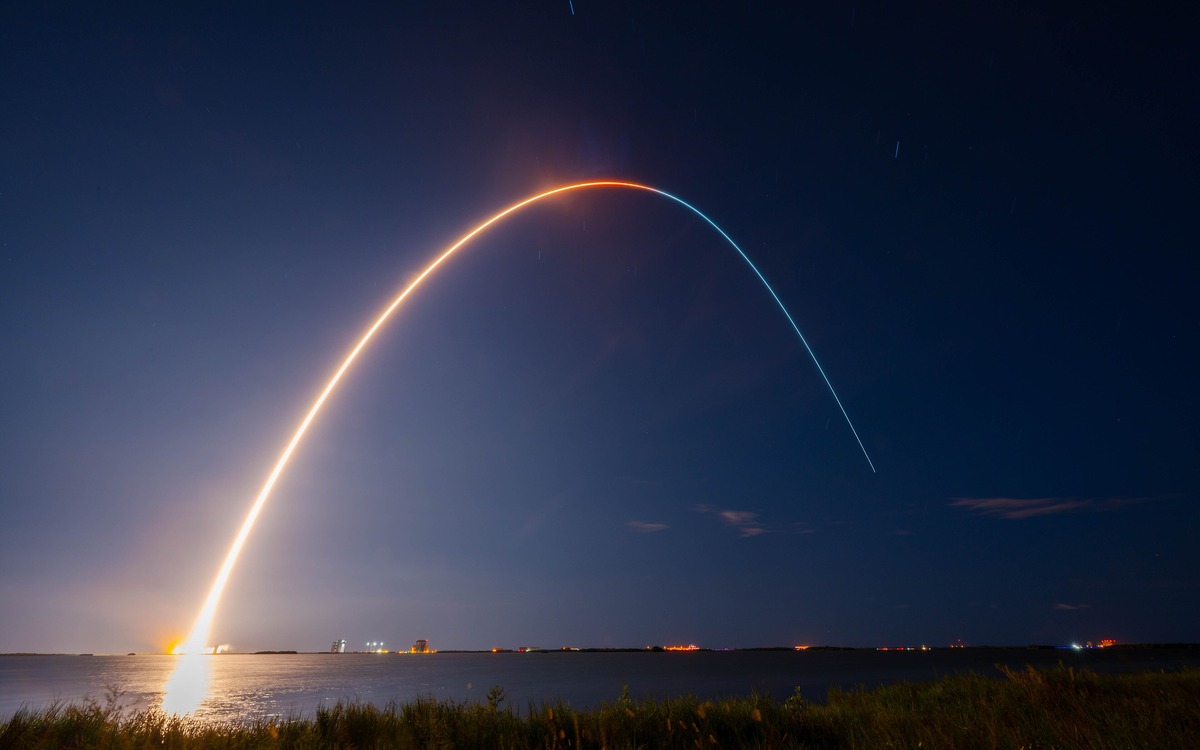
A million satellites will not appear overnight. Under the licence, SpaceX must start deploying by November 2033. It must have 10% of the system — 100,000 satellites — up by November 2035, half by November 2038, and the full constellation by November 2040, according to the FCC order as reported by the BBC and Ars Technica. The BBC says SpaceX wants to launch its first Starmind satellite next year.
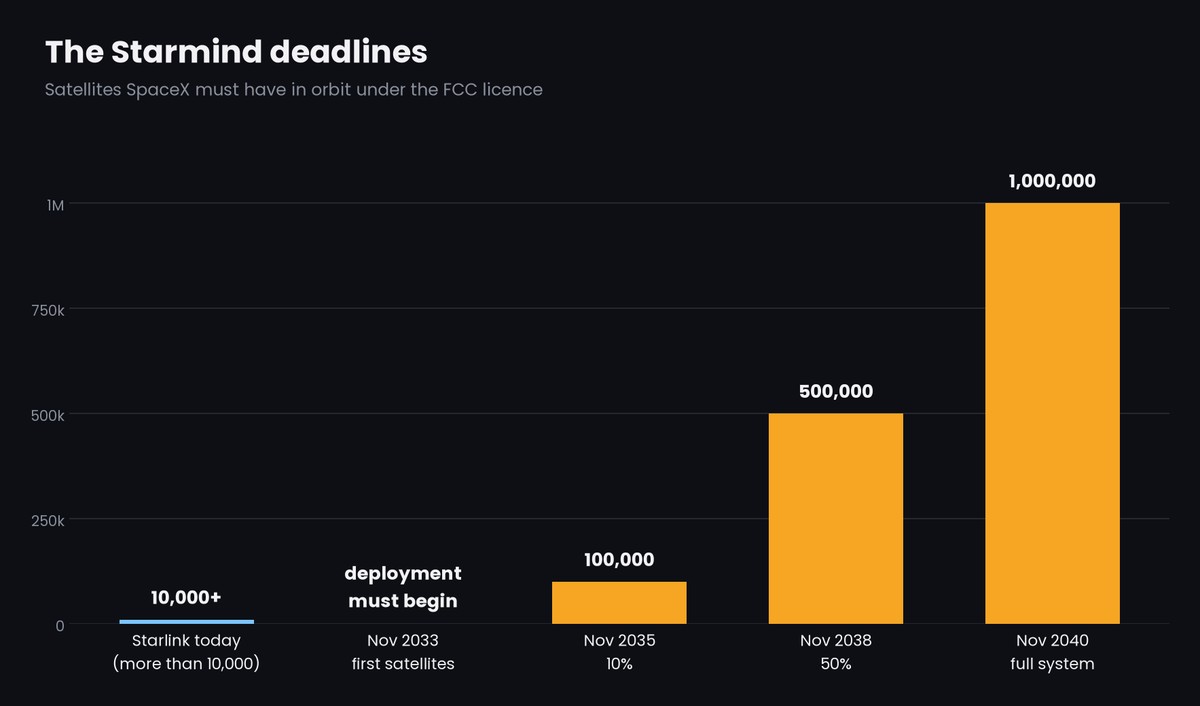
It is not clear that SpaceX will ever launch all 1 million. The BBC notes that companies sometimes ask for approval for more satellites than they end up using. Amazon, which is building its own satellite network, told the FCC in March that Starmind was a “lofty ambition rather than a real plan” and that it would take SpaceX “centuries” to build, CNBC reports. Launch failures show how hard even smaller networks can be: last week we covered how a Vulcan failure cost Amazon 40 satellites.
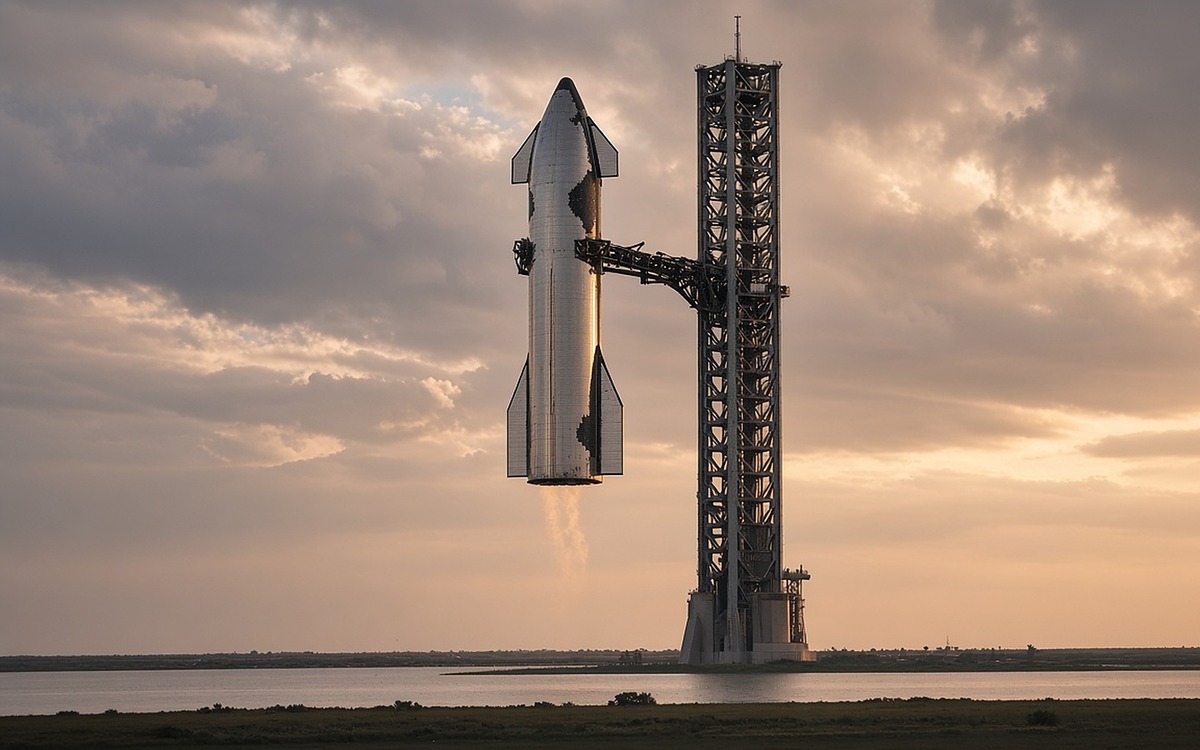
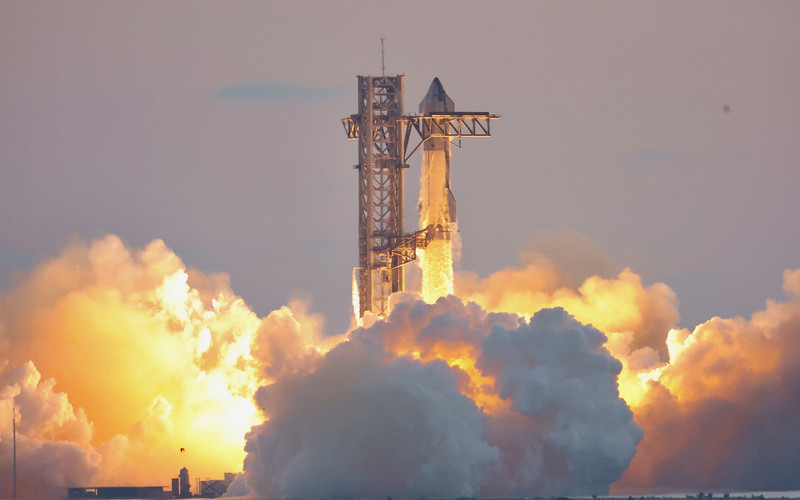
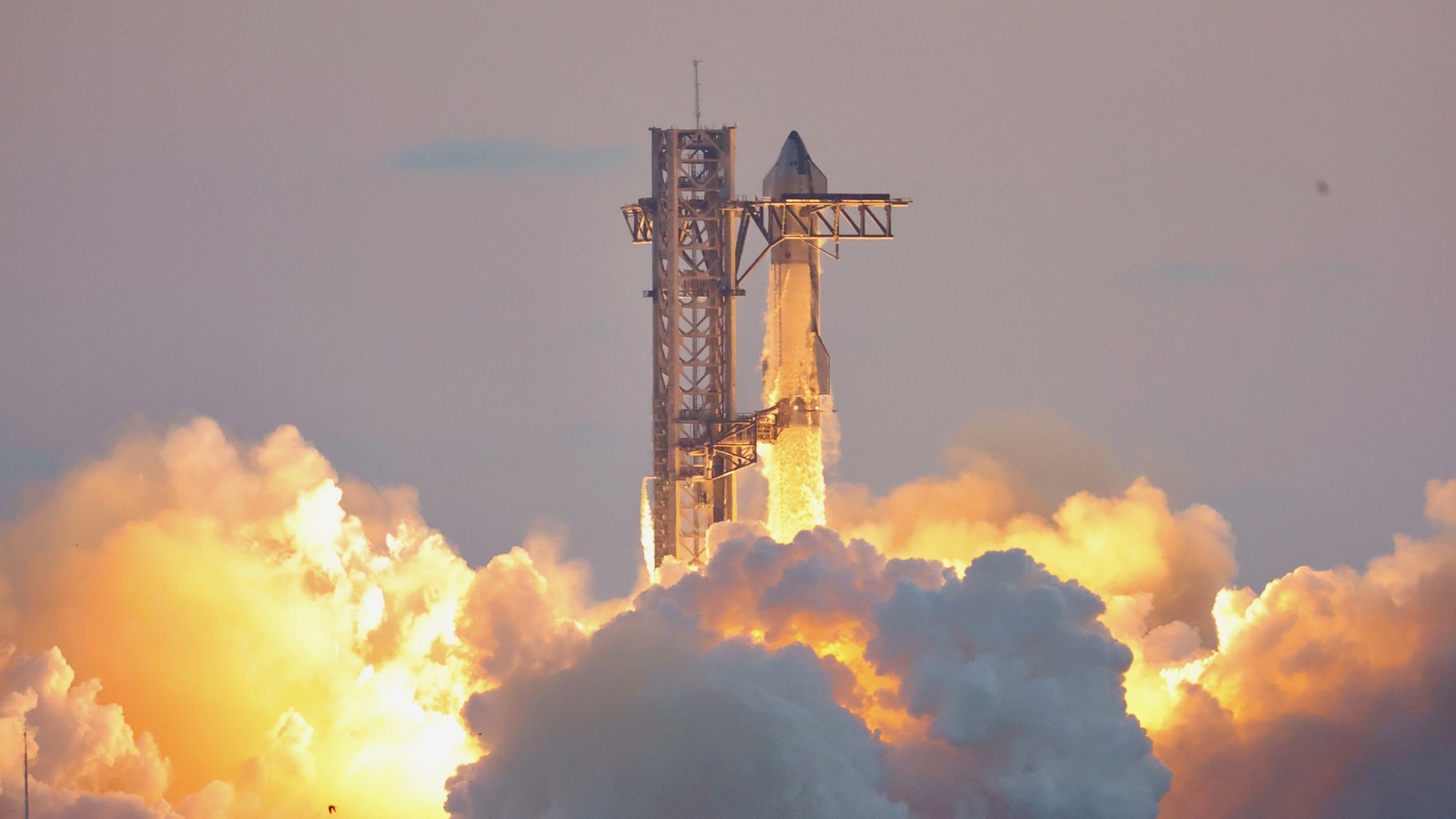
The rocket SpaceX is counting on for its biggest satellites is Starship, which is still in testing. Its recent flights include Flight 14’s first trip to orbit and the first time SpaceX caught a Starship coming back from orbit.
Why astronomers are worried
The American Astronomical Society (AAS), which formally asked the FCC to deny the application, said it was “disheartened and dismayed.” According to the BBC, the AAS said the constellation would “significantly undermine decades of federal investment in astronomical facilities” and the ability of the public to enjoy and study the night sky. Because Starmind satellites are larger, and therefore brighter, than typical internet satellites, the AAS warned they would be visible as “extremely bright objects for longer periods in the night sky.”
Others raised collisions and space debris. Ars Technica reports that groups including the Secure World Foundation raised collision risks, orbital debris, pollution from satellites burning up on re-entry, and effects on astronomy, and that the FCC received about 1,500 public comments. Astrophysicist Adam Becker told CNBC that any serious attempt “runs a serious risk of a cascading chain reaction of space junk collisions.” The FCC, for its part, says the system “operates consistent with the FCC’s orbital debris rules.”
What the FCC did not approve
The licence was “granted in part, deferred in part.” SpaceX asked to dispose of retired satellites above 600 km by moving them into “Earth disposal orbits or heliocentric orbits” — parking them in other orbits or sending them around the Sun — instead of letting them burn up in the atmosphere. Ars Technica reports the FCC did not grant that request, saying SpaceX had not provided enough information. SpaceX will need a separate waiver before launching any Starmind satellite that is not meant to re-enter the atmosphere.
On environmental questions, the FCC said several concerns were outside its authority. It called concerns about the atmosphere from satellites burning up on re-entry “speculative and not supported in the record,” and said rocket-launch emissions were “outside of the Commission’s purview,” Ars Technica reports. Citing a policy change it adopted in October, the FCC did not carry out a full environmental review. Jan Hasselman, a senior attorney at the non-profit Earthjustice, criticised that decision and the timing, the day before Thanksgiving.
For now, Starmind is a licence, not a constellation. The first real test will come when SpaceX launches its first data centre satellite. Until then, the night sky looks the same as it did yesterday.