 No Ground
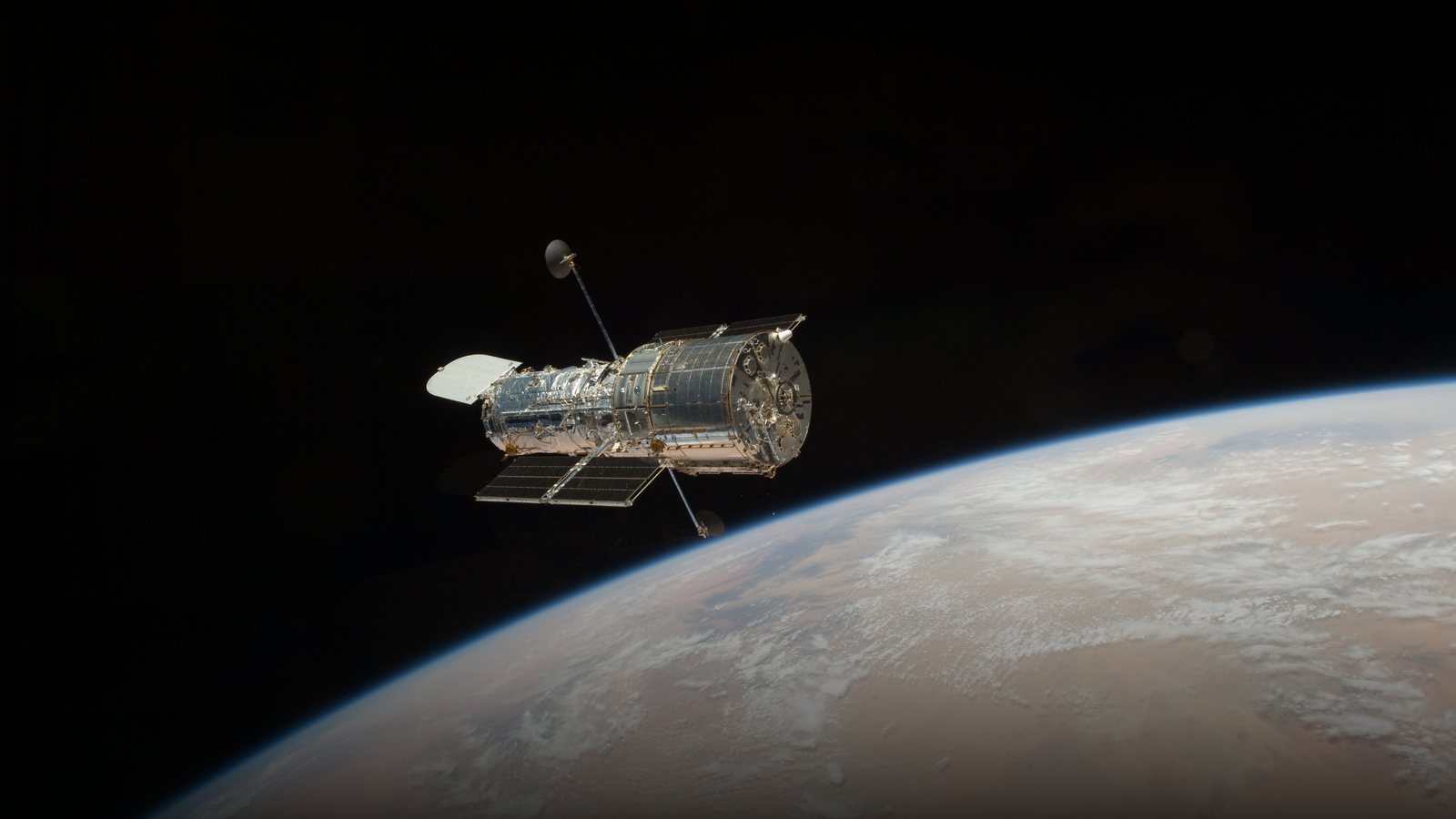
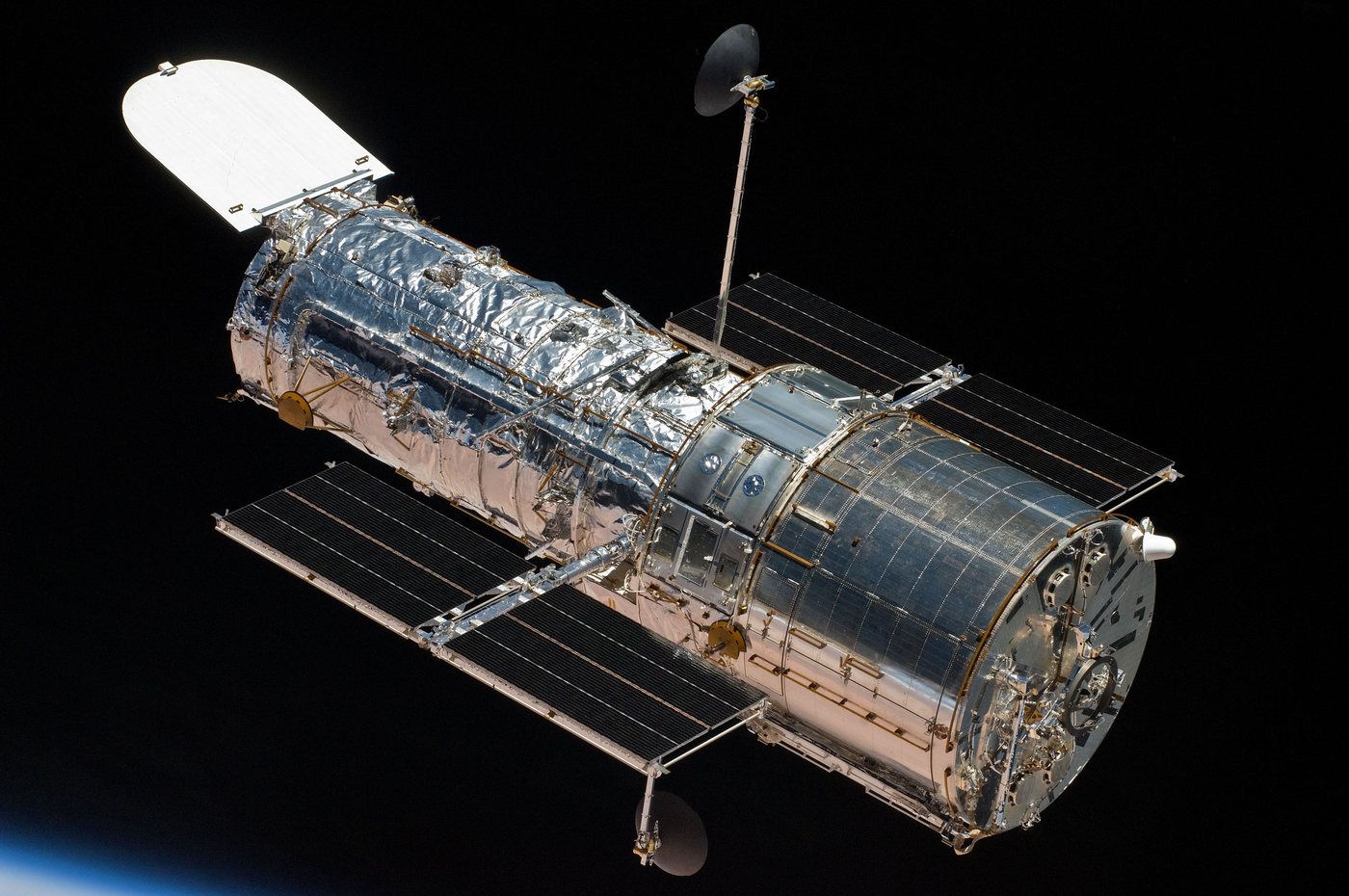
The Hubble Space Telescope has been circling Earth since 1990. It has no engine. And very slowly, it is coming down.
On Oct. 29, NASA asked private companies a question: could any of them reach Hubble and push it higher, upgrade it, or, at the very end, guide it safely out of the sky? NASA announced the request on Oct. 30.
This is a request for information. It is not a contract, no company has been picked and no mission is scheduled. The notice itself opens in capital letters: “THIS IS NOT A REQUEST FOR PROPOSAL.”
Why Hubble is sinking
Like every spacecraft in low Earth orbit, Hubble is slowly losing altitude because of atmospheric drag, NASA says. The air at that height is unimaginably thin, but it is not nothing. Orbit after orbit, it drags on the telescope, and over years the losses add up.
Many satellites push back with thrusters. Hubble can’t. It does not have a propulsion system to hold its own orbit.
NASA’s analysis predicts Hubble is likely to re-enter the atmosphere in the 2033 to 2034 timeframe. The request puts odds on it: a lifetime analysis in July 2026 found a 10% chance of reentry by September 2032 and a 50% chance by December 2033. Without a visit, the notice says, Hubble “will ultimately experience an uncontrolled reentry.” So NASA says any mission would need to happen by 2032.
What NASA is asking for
The request, posted by NASA’s Goddard Space Flight Center, describes three possible missions. A spacecraft could capture Hubble and boost it to at least 600 kilometers, about 373 miles. A servicing mission could improve its performance and help it last longer. Or a mission could steer it into a controlled reentry.
Whatever a company proposes must not harm Hubble. NASA would share technical information and its Hubble experts. The company would supply everything else, “including the launch vehicle, spacecraft, crew if applicable.”
“If there are innovative and cost-effective ways to extend the life of an asset already on orbit, we owe it to the American taxpayer and the scientific community to explore them,” said NASA Administrator Jared Isaacman in NASA’s announcement.
Responses are due by 3 p.m. EST on Monday, Nov. 30. The notice says it is not a commitment by the government.
Explore your sky tonightLive sky map for where you are: planets, the ISS and bright stars above your horizon.A telescope built to be visited
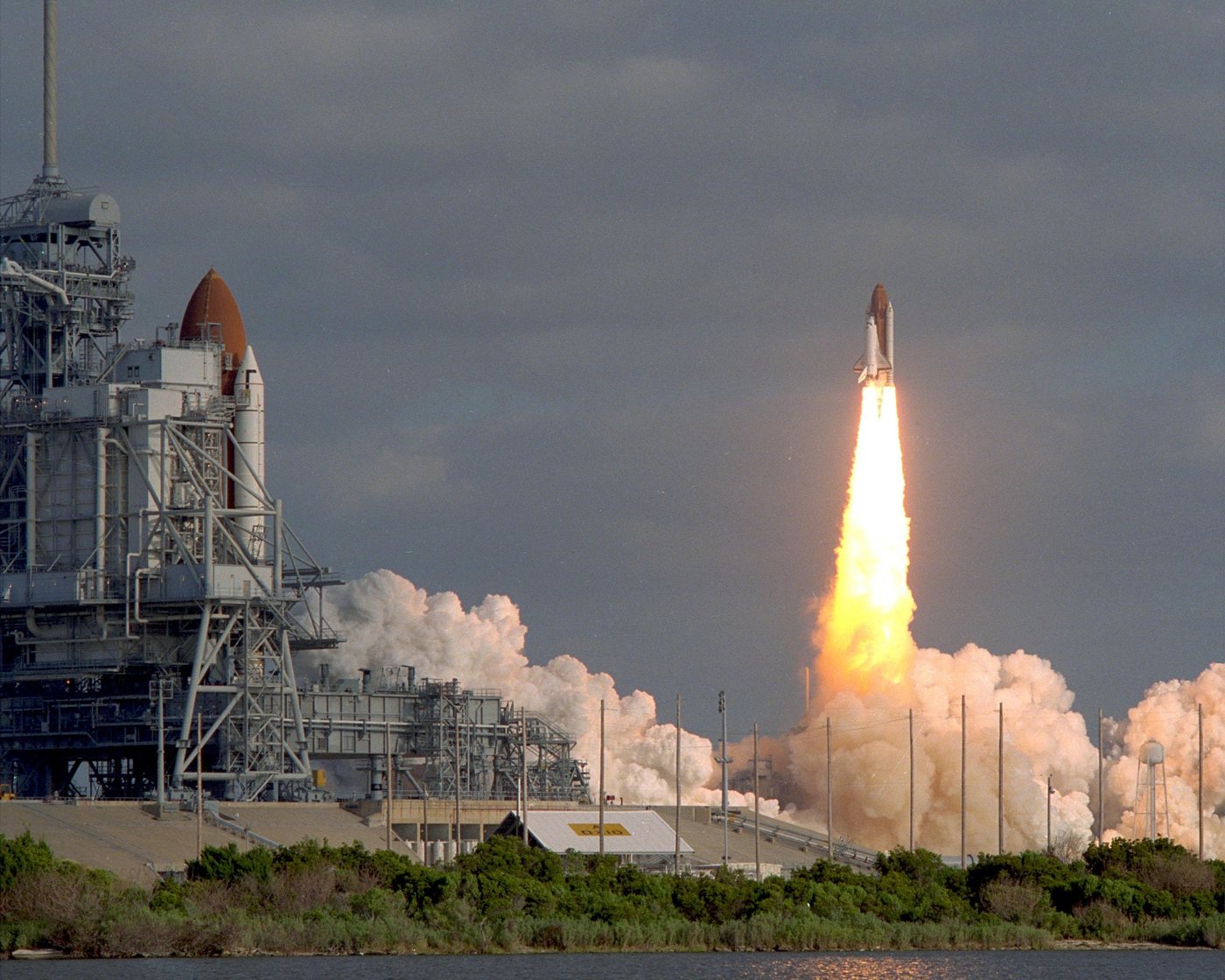
Hubble was designed for this. It was the first space observatory built to be serviced by astronauts in orbit, NASA says. Space shuttle Discovery lifted off with it on April 24, 1990, and the shuttle’s robotic arm released it the next day.
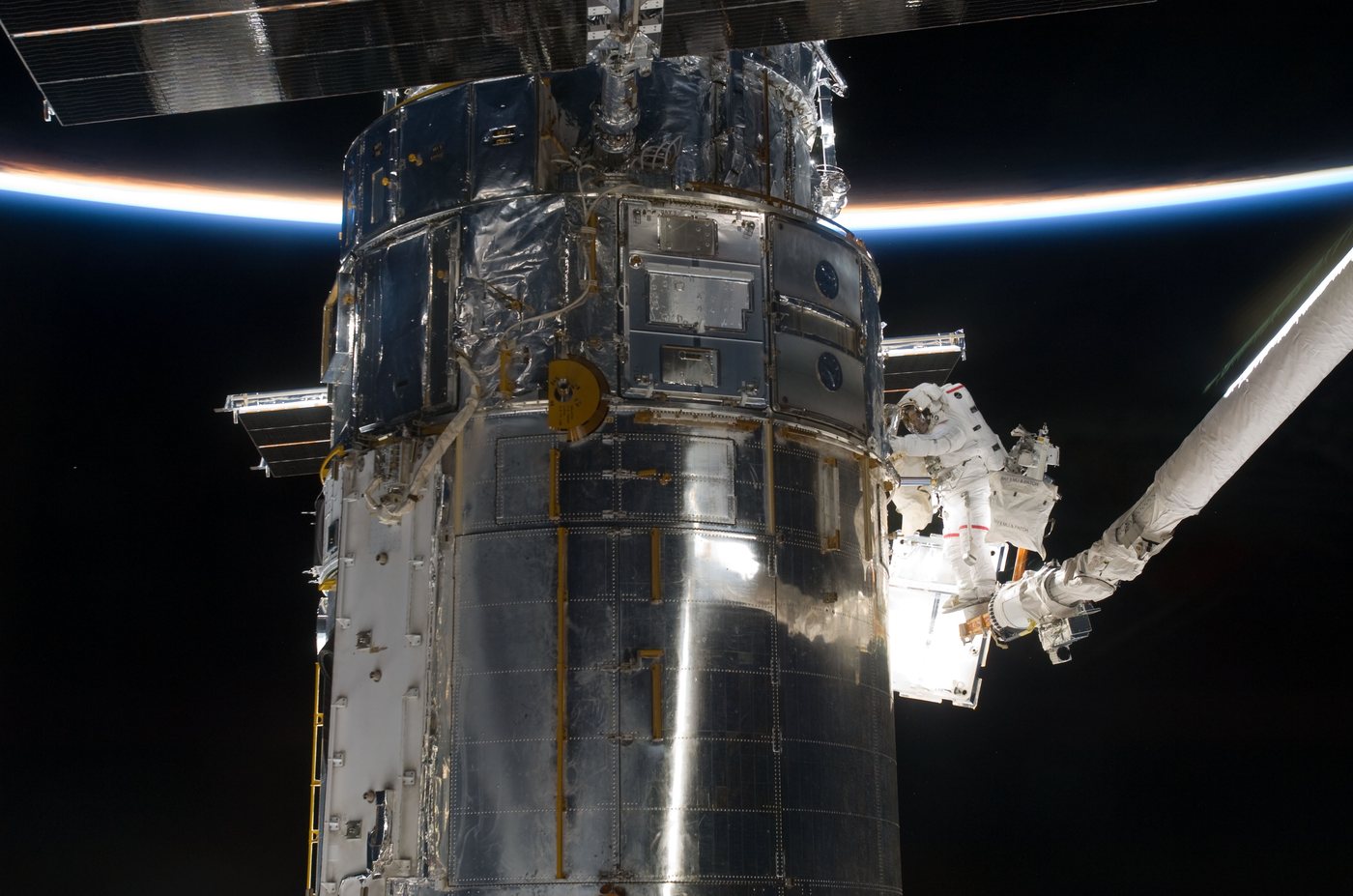
Soon after, NASA found a flaw in Hubble’s main mirror that blurred its early images. Astronauts corrected it on the first servicing mission in December 1993. In all, five shuttle servicing missions repaired and upgraded the telescope. The last was in May 2009.
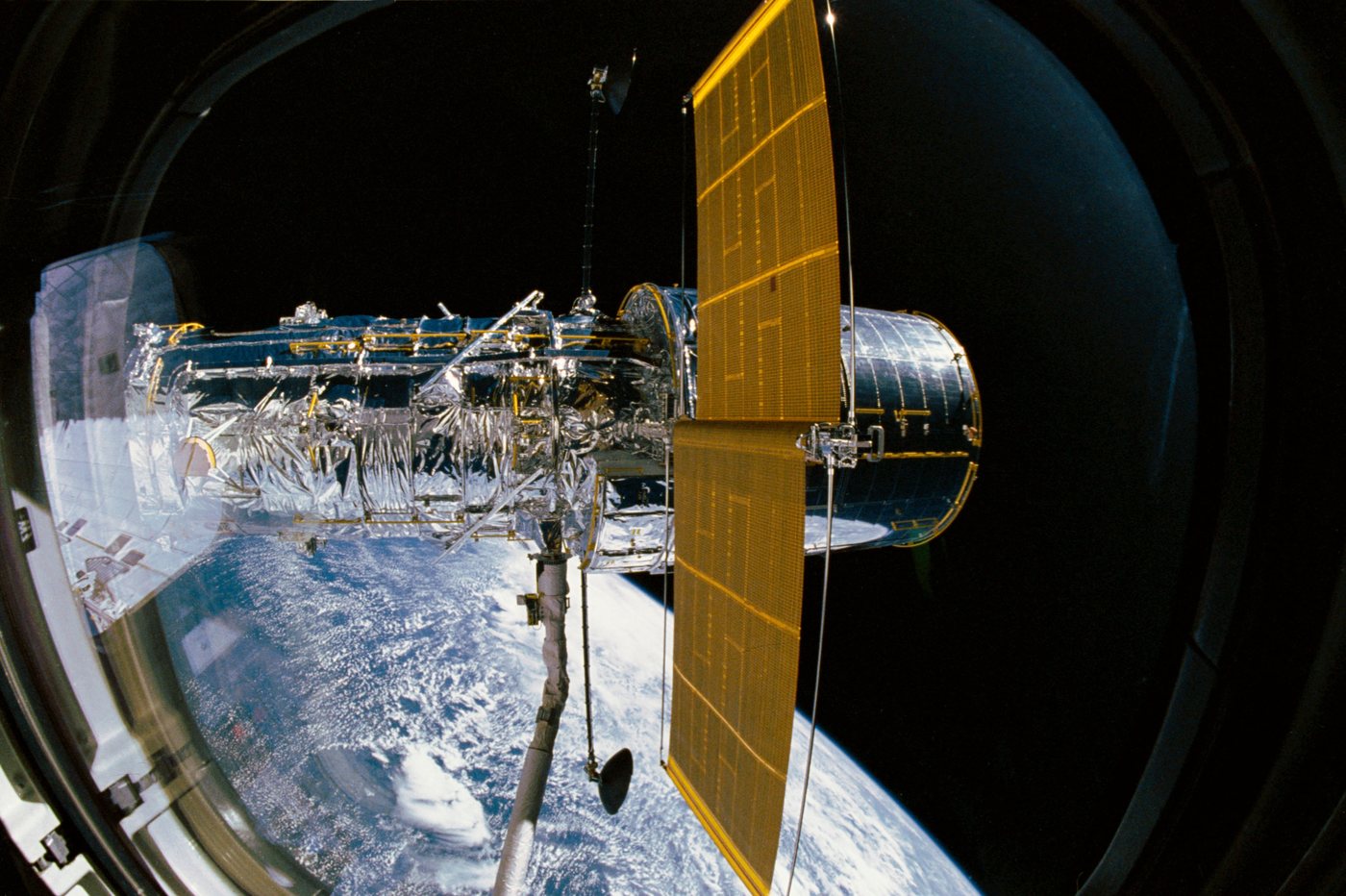
Often, before letting Hubble go, the crew used the shuttle’s thrusters to lift it into a slightly higher orbit, NASA says. That kept drag from pulling it down too soon. But the shuttles stopped coming after 2009.
Why bother
Hubble is still in heavy demand. Astronomers ask for more than seven times the observing time it has, and its data feed more than 1,000 science papers a year, the request says. It sees in ultraviolet and visible light, and NASA does not expect a replacement for those abilities before about 2040.
“Given the time we have until Hubble’s anticipated re-entry, we are eager to explore the breadth of possibilities to boost Hubble to a higher orbit while we develop the flagship mission to follow,” said Nicky Fox, who leads NASA’s Science Mission Directorate, in the announcement.
Not the first time
NASA has looked at this before. In 2022, it signed an unfunded agreement with SpaceX to study whether a Dragon spacecraft could boost Hubble, an idea from SpaceX and the Polaris Program, and it put out an earlier request for information. In June 2024, NASA’s astrophysics director said the agency would not pursue a reboost “right now,” citing risks such as premature loss of science, NPR reported.
The private astronaut behind that 2022 Polaris idea, Jared Isaacman, now runs NASA.
Bottom line: Hubble has been looking out at the universe for more than 35 years, and it cannot climb on its own. NASA is now asking who could reach it by 2032. Asking is the first step, not a promise.
Follow NO GROUND on Facebook.
No Ground. Stay curious.