Pre-launch story, Oct. 12, 2026, 2:26 p.m. ET. This is a preview written before liftoff. We’ll update it at this same link after launch.
The last of the space station’s new solar arrays leaves Florida on Tuesday morning.
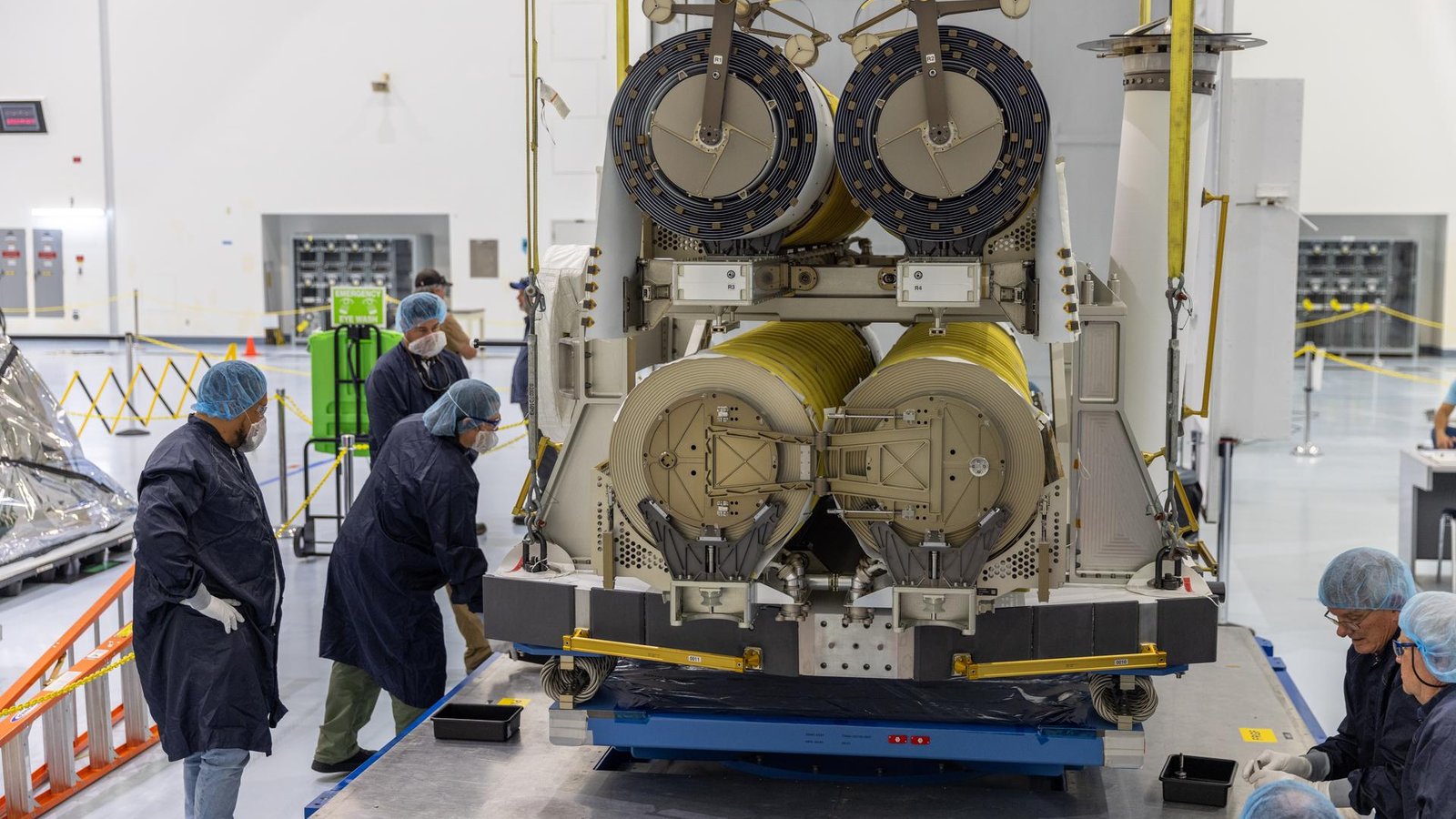
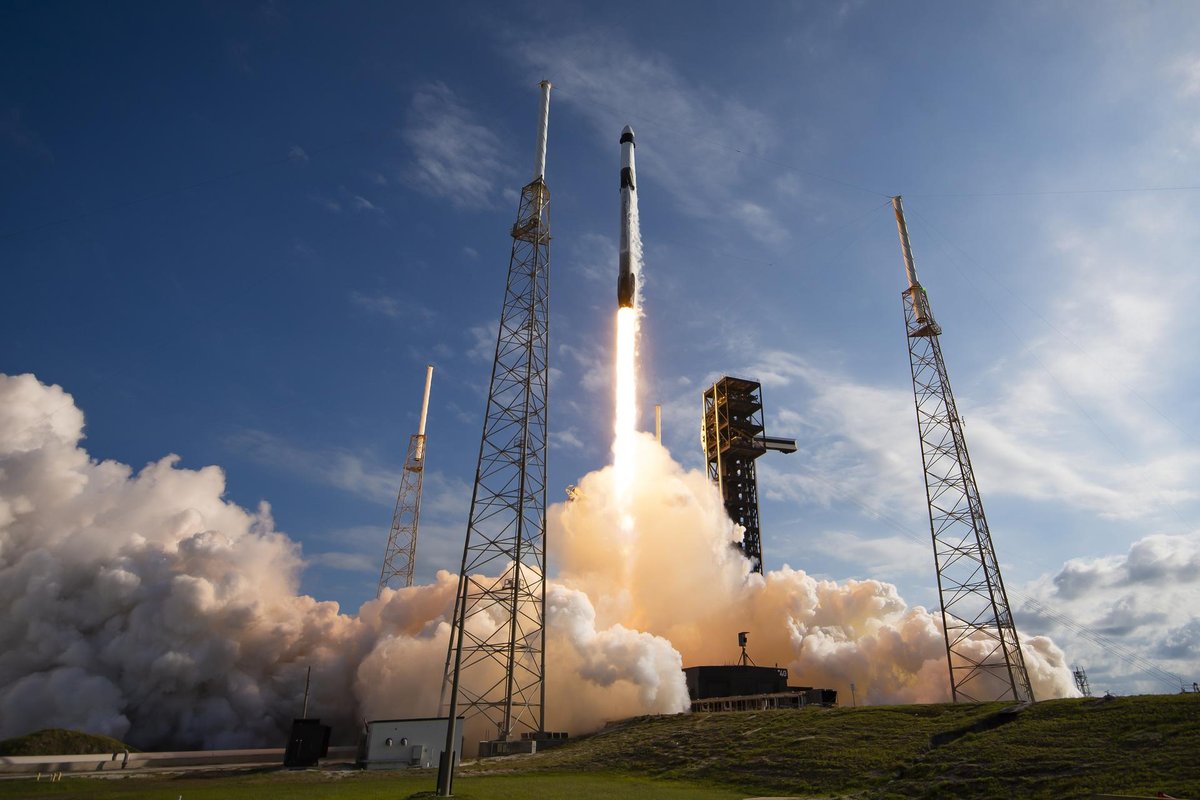
NASA and SpaceX are targeting 6:33 a.m. ET on Tuesday, Oct. 13, to launch a cargo Dragon on a Falcon 9 rocket from Space Launch Complex 40 at Cape Canaveral Space Force Station. It’s SpaceX’s 35th commercial resupply mission for NASA, called CRS-35. Dragon is loaded with more than 6,300 pounds of science, supplies and hardware. That includes the final pair of the station’s roll-out solar arrays, which completes the station’s power upgrade.
If weather or anything else gets in the way, SpaceX has a backup opportunity on Wednesday, Oct. 14, at 6:08 a.m. ET.
The solar arrays
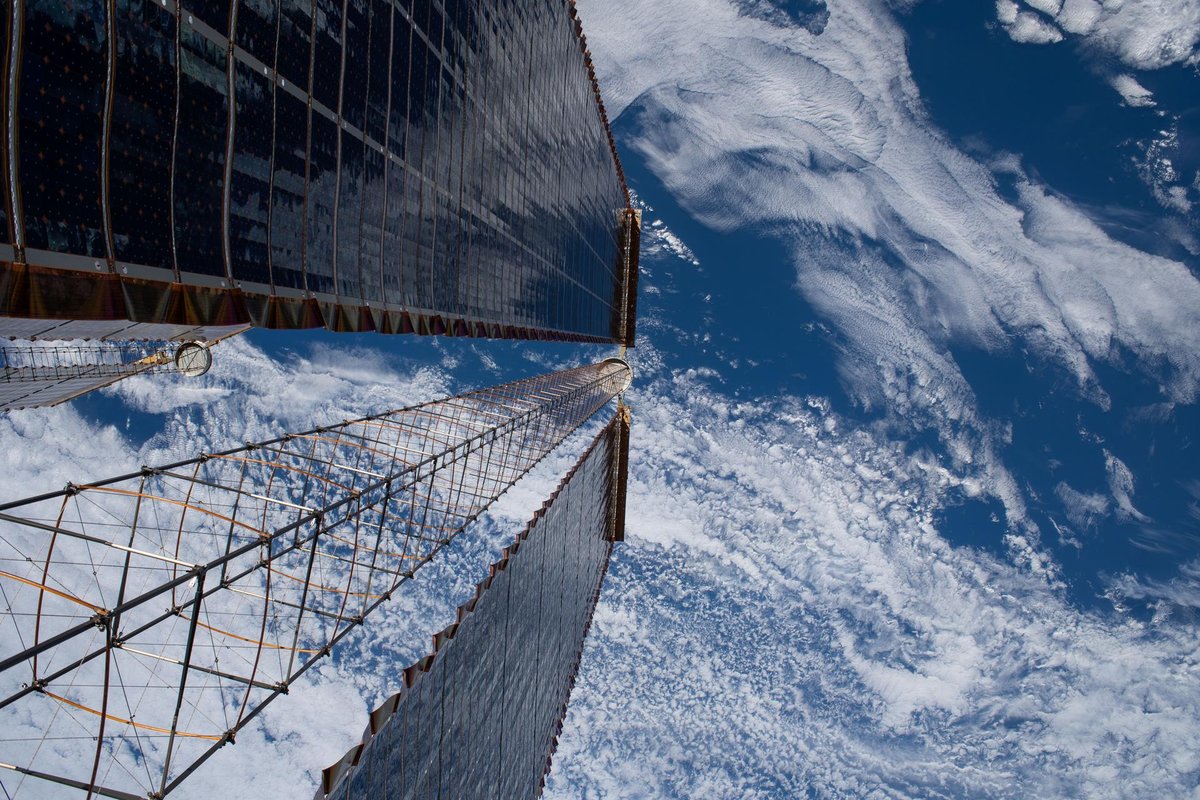
NASA calls them iROSAs, short for International Space Station Roll-Out Solar Arrays. They launch rolled up and roll open in space. NASA says they’re more compact than the earlier arrays while providing the same amount of power.
Six are already working on the station. NASA says the two flying on CRS-35 are “the final pair of IROSAs that will be installed on the space station, completing the augmentation of its power system to support critical operations, including its safe and controlled deorbit.” In other words, this hardware is meant to power the station through the end of its life, including the carefully steered descent planned for the end of its mission.
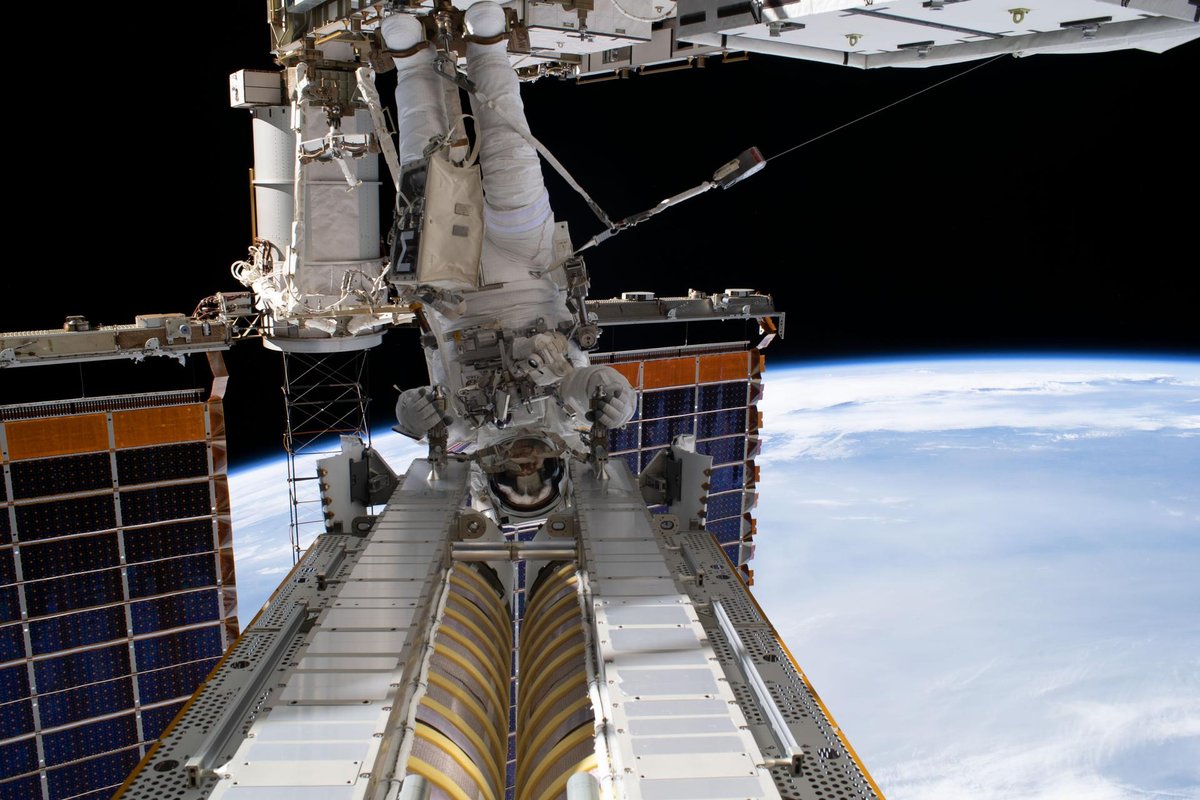
Getting the arrays there is only step one. Previous iROSAs were installed by astronauts on spacewalks. NASA did prep work for this pair, too: during a March 18, 2026, spacewalk, astronauts built and installed a modification kit “ahead of future solar array installation on the 2A power channel,” according to NASA’s photo caption from that day. In the NASA material we checked, the agency hasn’t announced dates for the spacewalks to install these last two.
What else is on board
NASA lists several new experiments:
- LambdaVision-1 builds artificial retinas one thin layer at a time. In microgravity, less settling could make the layers more uniform. The goal is implants that could help restore sight in people with currently incurable retinal diseases.
- Stellar Spheroids grows 3D human heart tissue models to see whether microgravity helps them form better networks of blood vessels. That could lead to more realistic models for disease research and drug testing.
- ELF-Unconventional Glass 2 studies how glass made from non-traditional elements forms in microgravity. Samples come back to Earth for analysis.
- MINDS uses brain organoids, including “organoid villages” made from several people’s cells, to study inflammation linked to Alzheimer’s, Parkinson’s and multiple sclerosis.
NASA’s science division adds a few more. Small lab-grown brain models will spend five weeks in orbit and be compared with identical ones kept on Earth. A crop study will test whether a fungal plant disease develops faster in microgravity. A compact plate reader will get its first test at measuring biomarkers on the station. And a study tracking antibiotic-resistant bacteria flies for its fourth and final planned stay.
There’s practical hardware as well: a collapsible contingency urinal being tested for NASA’s Artemis III mission, toilet and maintenance parts, and an empty foam case. That case will bring home a failed joint from the Canadarm2 robotic arm, replaced during a June 30 spacewalk.
The rocket and the capsule
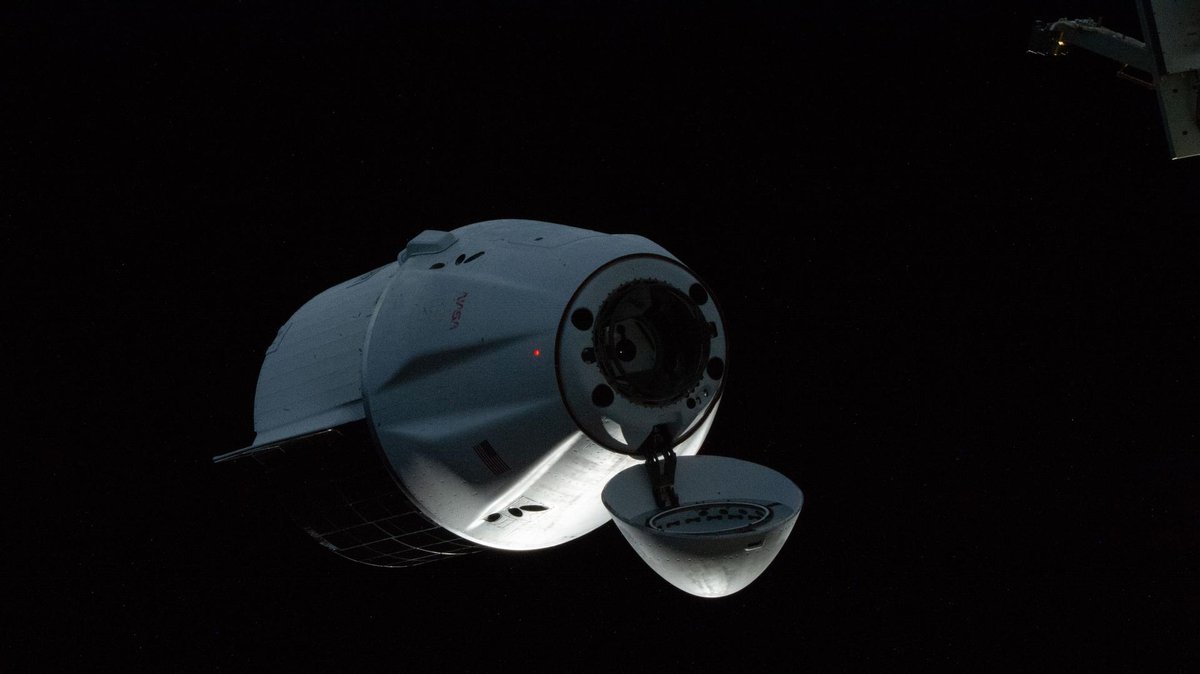
SpaceX says this Dragon is making its fourth flight. It previously flew the CRS-26, CRS-29 and CRS-33 missions to the station and back.
The Falcon 9 first stage is on its eighth flight. Its earlier missions include KF-01, IMAP, NROL-77, GPS III-9, CRS-34, NROL-95 and one Starlink flight. After stage separation, SpaceX plans to land it at Landing Zone 40 at Cape Canaveral.
Weather looks good. The 45th Weather Squadron’s forecast issued Sunday puts the odds of favorable launch weather at 99%. Its main concern is the cumulus cloud rule.
How to watch, and when it docks
- Launch coverage: NASA’s live coverage starts at 6:15 a.m. ET Tuesday. NASA lists where to stream it at nasa.gov/live. Its space station blog will post countdown updates from 6 a.m.
- The trip: about 52 hours, according to SpaceX.
- Docking: Dragon will dock on its own around 11 a.m. ET Thursday, Oct. 15, at the space-facing port of the station’s Harmony module. NASA’s arrival coverage begins at 9:15 a.m. NASA astronaut Anil Menon and Canadian Space Agency astronaut Joshua Kutryk will monitor the arrival from inside.
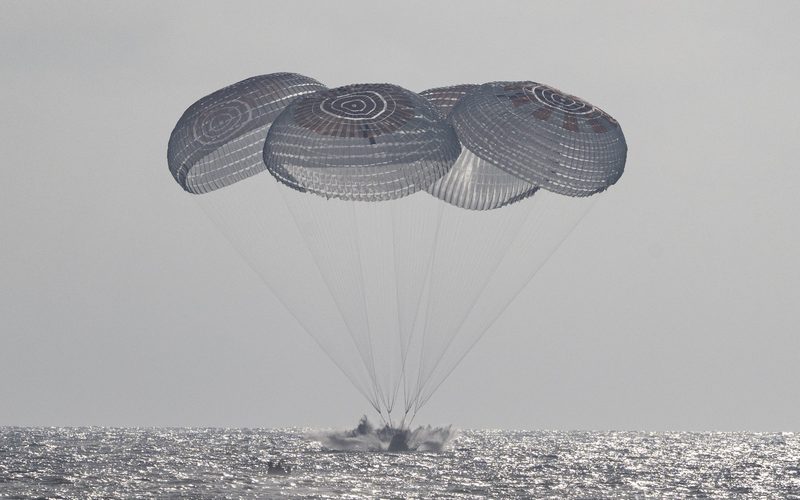
Dragon is scheduled to stay about a month. It will leave in mid-November with research and hardware, including that robotic-arm joint and a spacesuit due for refurbishment, and splash down off California.
The station won’t fly forever. Tuesday’s launch carries the hardware NASA says will keep it powered all the way to its controlled deorbit.
No Ground. Stay curious.