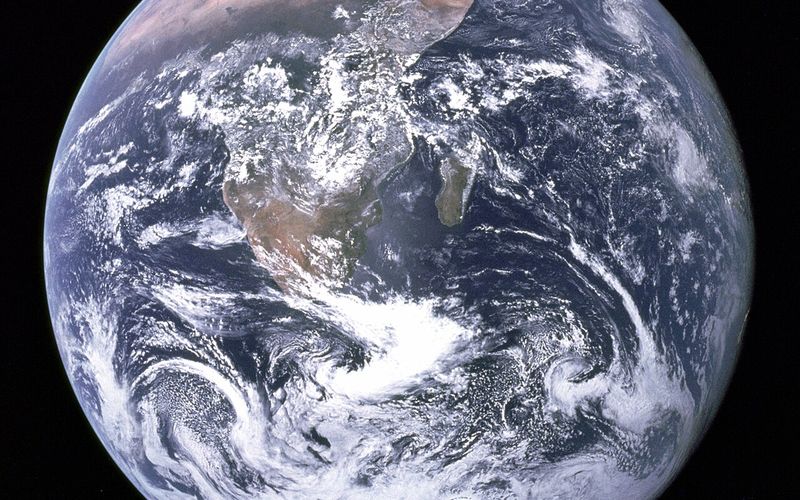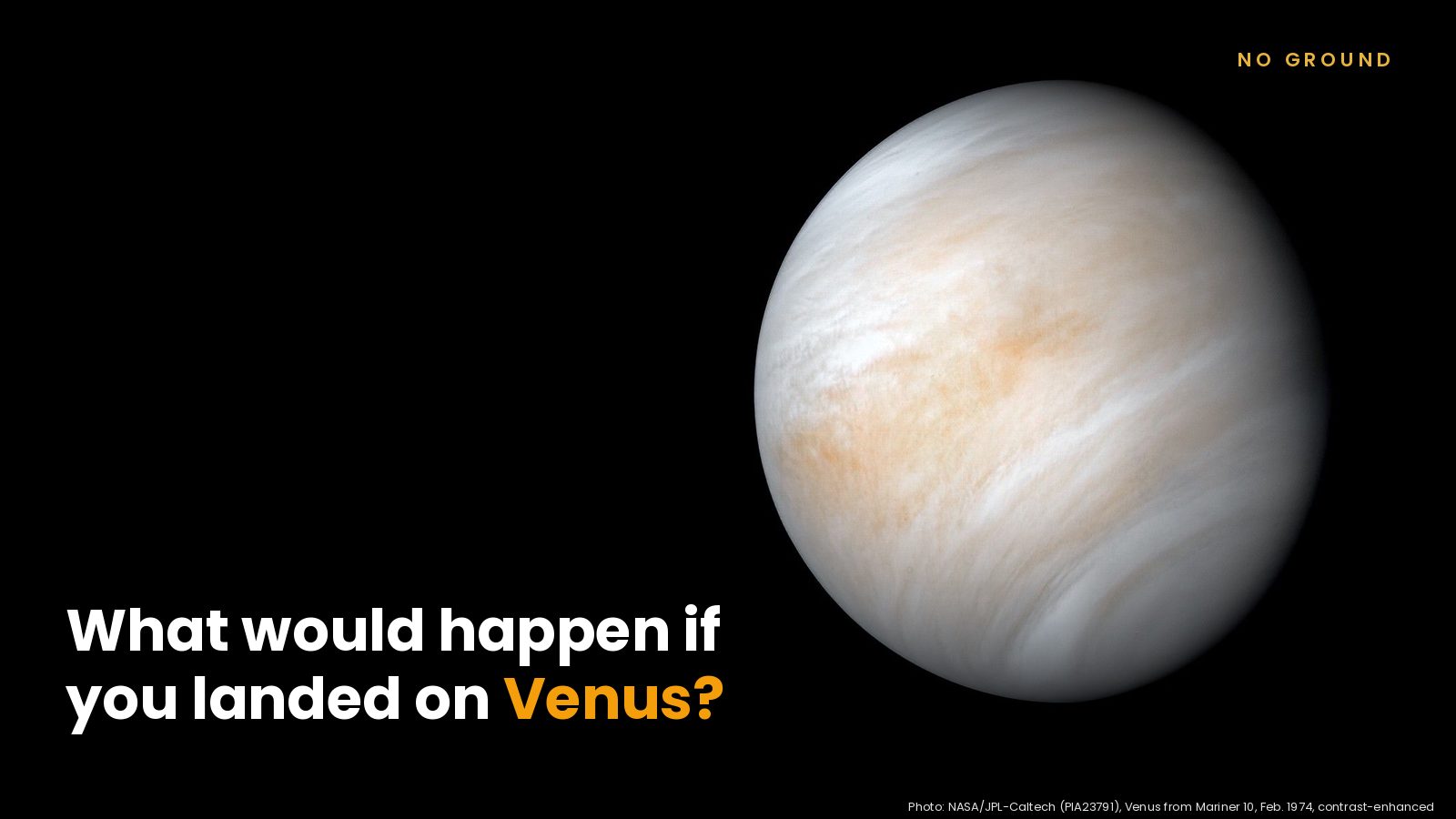
If Earth has a twin, it is Venus. It is about the same size and sits right next door. But step onto its surface and you would not last long.
The heat
The surface of Venus is about 465 °C (around 870 °F). That is hot enough to melt lead, and hotter than Mercury, even though Mercury is closer to the Sun. The reason is Venus’s thick carbon dioxide atmosphere, which traps heat in a runaway greenhouse effect.
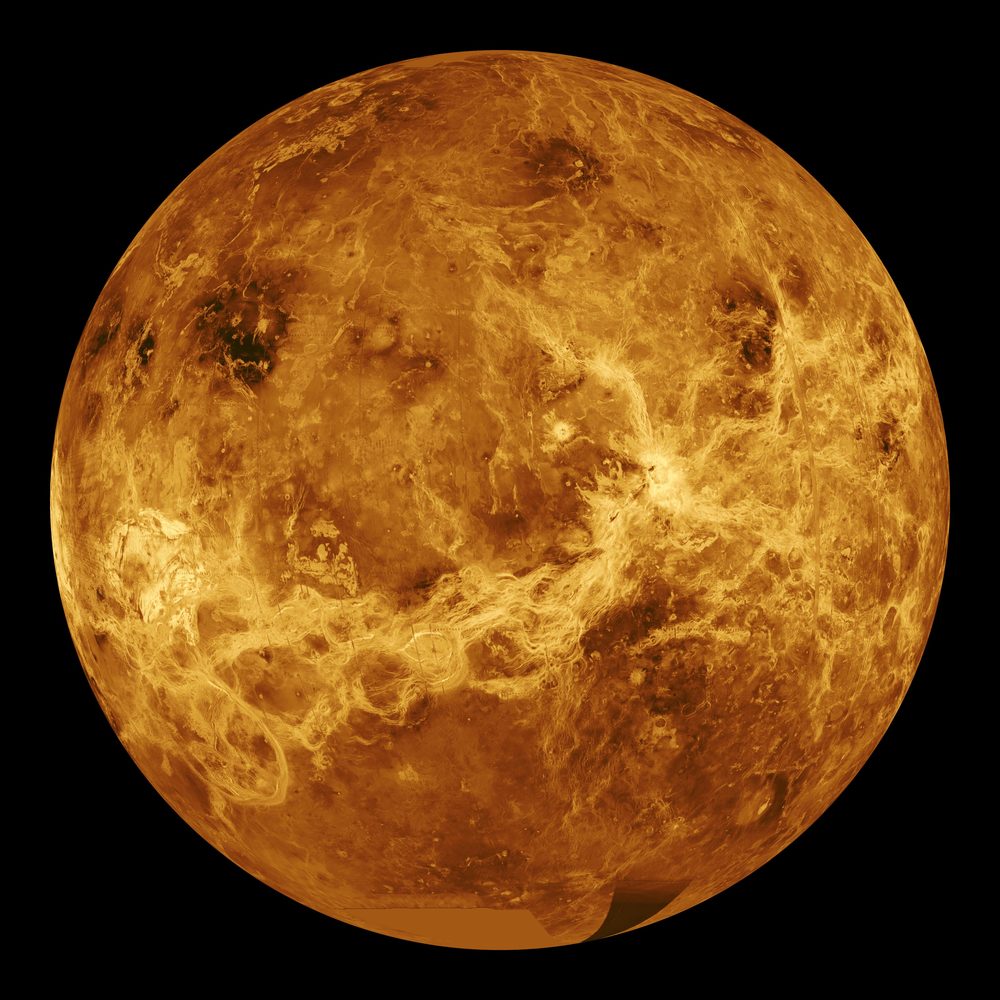
The pressure
The air at the surface presses down more than 90 times harder than on Earth. That is like being nearly a kilometre (about 900 metres, or 3,000 feet) under the ocean, except the “water” is a hot gas.
The sky
High above, the clouds are made largely of sulfuric acid. Very little sunlight reaches the ground, so the surface is dim, and the light that gets through gives it an orange tint.
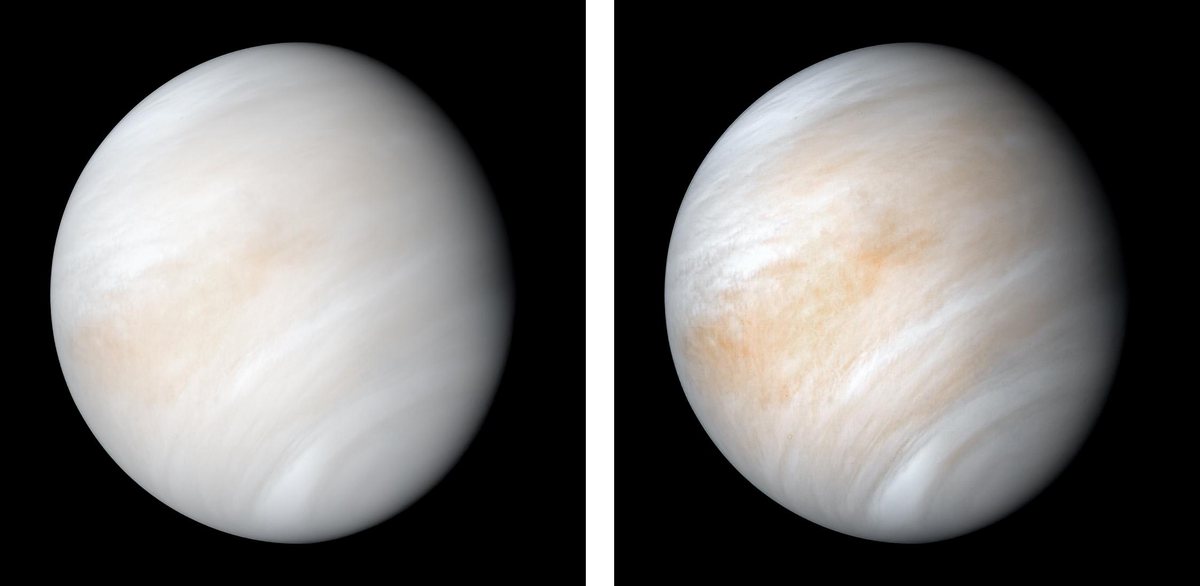
A strange day
Venus spins backwards compared with most planets, and very slowly. One spin takes about 243 Earth days, which is longer than its 225-day year.
Has anything survived?
Only briefly. Soviet Venera probes landed in the 1970s and 80s. The best of them, Venera 13, touched down on 1 March 1982 and transmitted for about two hours (127 minutes, against a planned 32) before the heat and pressure ended it.
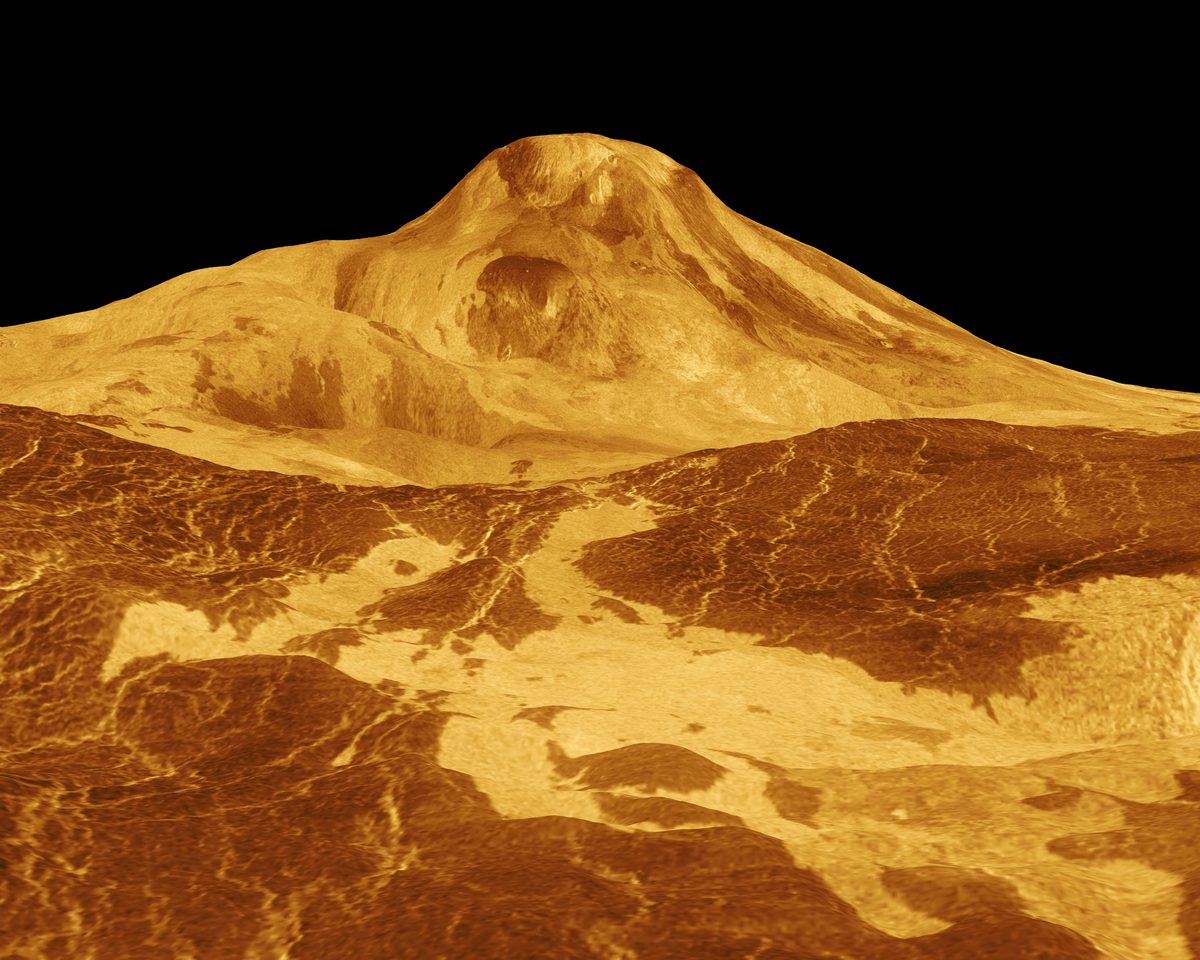
Bottom line: Venus is the closest thing we have to a warning about what a planet can become.