Preview, Oct. 17, 2026. The launch time below is JAXA’s target, and it can change. JAXA has reserved backup dates from Oct. 21 to Nov. 7 (JST). We’ll update this story after launch.
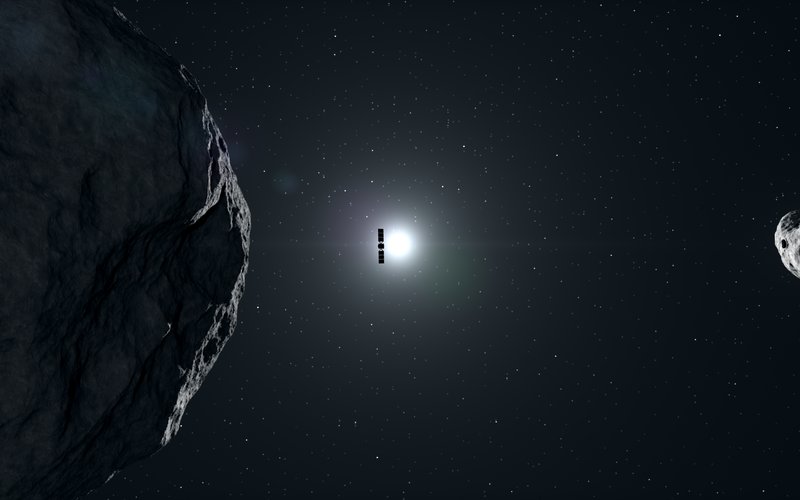
Mars has two small, lumpy moons, and nobody knows for sure where they came from. On Monday, Japan plans to launch a spacecraft to find out. It’s meant to bring a piece of the bigger moon, Phobos, back to Earth.
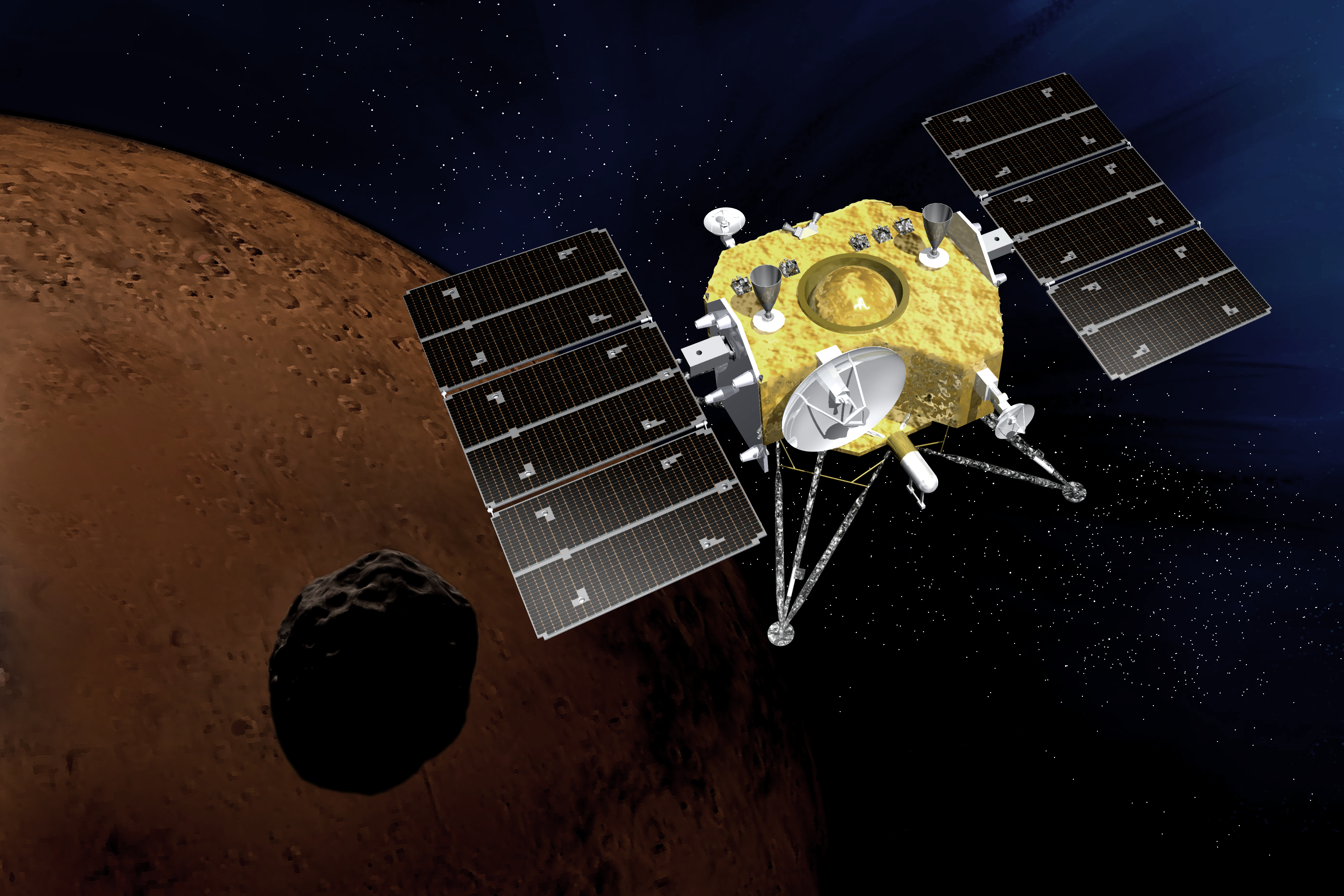
The Japan Aerospace Exploration Agency’s Martian Moons eXploration (MMX) spacecraft is scheduled to lift off on an H3 rocket (flight No. 10) from the Yoshinobu Launch Complex at JAXA’s Tanegashima Space Center at 3:41 p.m. ET on Monday, Oct. 19. In Japan that’s 4:41:03 a.m. on Tuesday, Oct. 20.
When does MMX launch, and can the time change?
Yes, it can change. JAXA’s official schedule lists the launch for Oct. 20 at 4:41:03 a.m. JST and notes that “the launch time may vary” during the reserved period, Oct. 21 to Nov. 7. Weather or technical checks could push it to another day.
- Target: Monday, Oct. 19, 3:41 p.m. ET (12:41 p.m. PT; 8:41 p.m. BST; 9:41 p.m. in France and Germany).
- Rocket: JAXA’s H3, flight No. 10.
- Where to watch: ESA says JAXA will stream the launch live in Japanese and English on its YouTube channel, with updates from @JAXA_en.
What will MMX do at Phobos?
According to ESA, MMX will be the first mission to collect a sample from Phobos and bring it to Earth. It will also be the first mission to visit the Mars system and come back. Here’s ESA’s plan:
- The main spacecraft studies Phobos from a distance.
- It drops a small rover called Idefix onto the surface.
- Then it lands on Phobos itself to grab a sample.
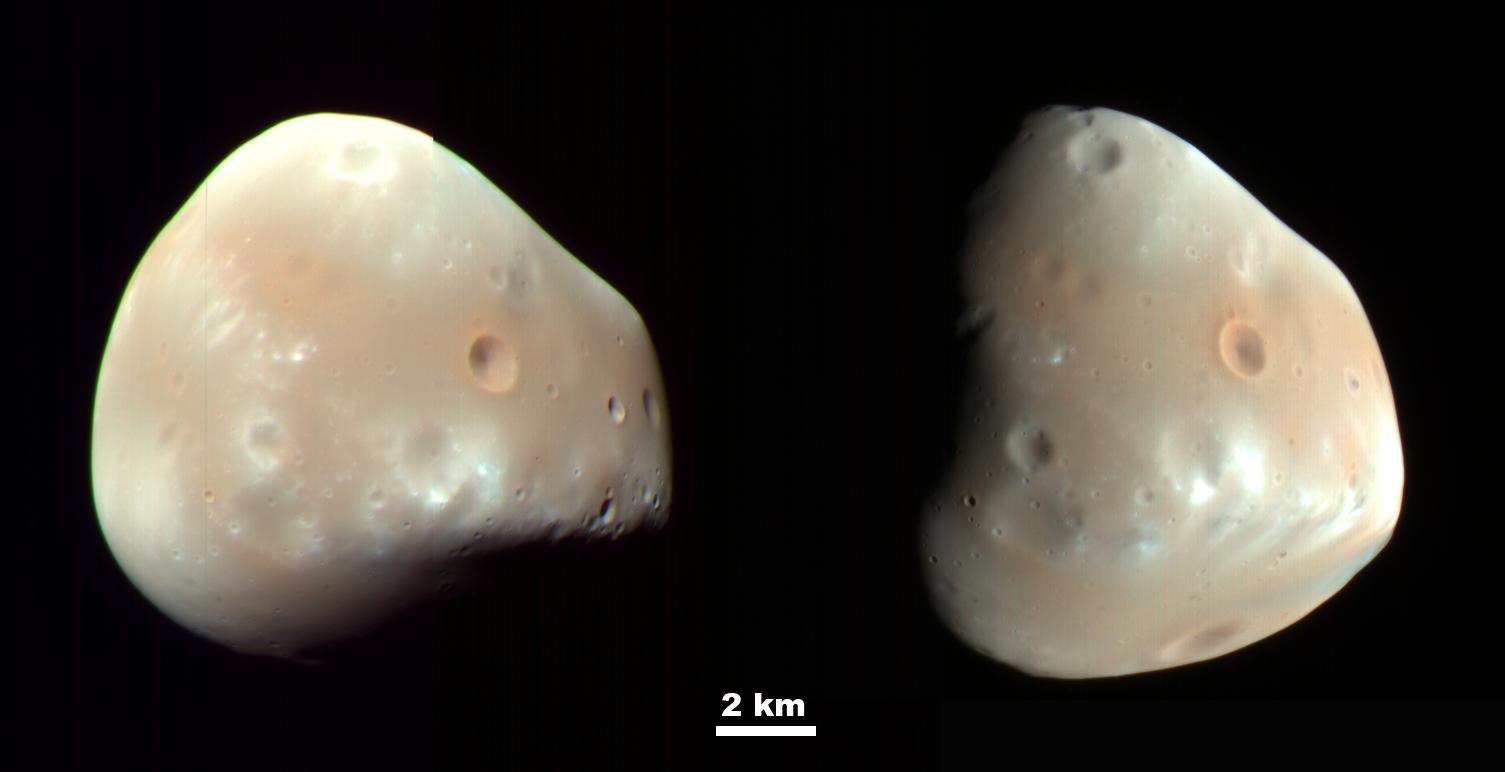
- On the way home, it flies past Deimos and studies Mars too.

The mission carries 11 science instruments, seven on the main spacecraft and four on the rover. The 25-kg Idefix rover will scout the ground ahead of the main landing and study what Phobos’s surface is made of and how it feels. Phobos’s gravity is so weak that Idefix will weigh the equivalent of only 15 grams there, ESA says.
Who’s involved?
JAXA leads MMX, working with NASA, the French space agency CNES, the German Aerospace Center DLR, and ESA. NASA is supplying an instrument called MEGANE (pronounced meh-GAH-nay, Japanese for “eyeglasses”). It measures gamma rays and neutrons coming off Phobos to work out what elements the moon is made of. NASA is also contributing a sampler test called P-Sampler, and support from its Deep Space Network.
“The data and samples returned by MMX are a window to study the evolution of Mars and the Solar System.” — Elliot Sefton-Nash, ESA MMX Project Scientist
Why do Mars’s moons matter?
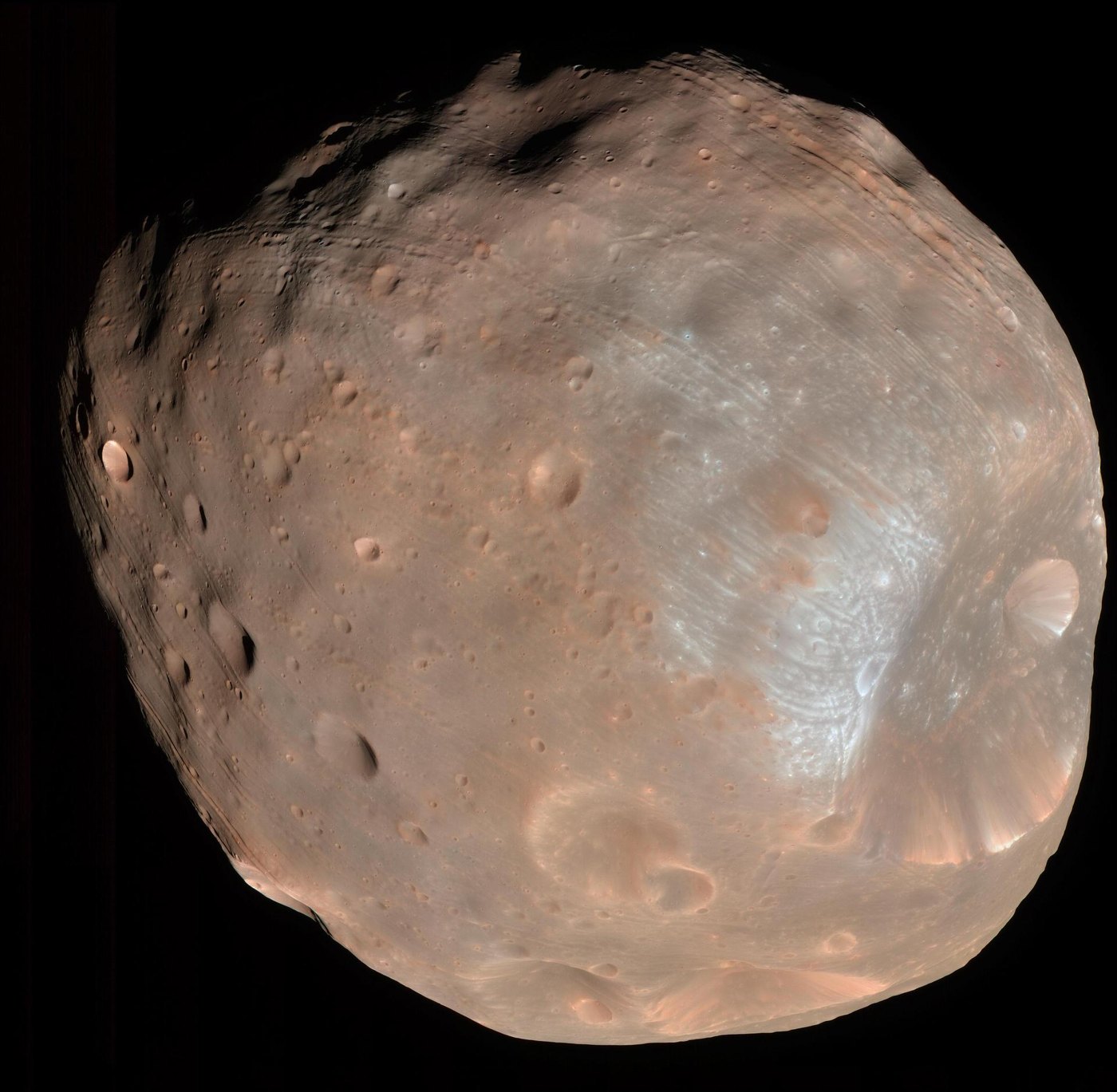
Scientists have long debated how Phobos and Deimos formed. They might be asteroids that Mars’s gravity captured. Or they could be debris thrown into orbit when something huge slammed into Mars. NASA says MEGANE’s measurements of what Phobos is made of will give important clues. Bringing back a real sample could finally answer the question.
MMX timeline: Mars in 2027, sample home in 2031
- Oct. 19, 2026 (ET): target launch.
- August 2027: arrival at Mars (NASA, ESA), then orbiting Phobos from September 2027 (ESA).
- No earlier than December 2028: sample collection from Phobos (NASA).
- Early 2029: Idefix rover released (ESA).
- 2031: sample delivered to Earth (NASA).

We’ll update this page after MMX launches. No Ground. Stay curious.