 No Ground
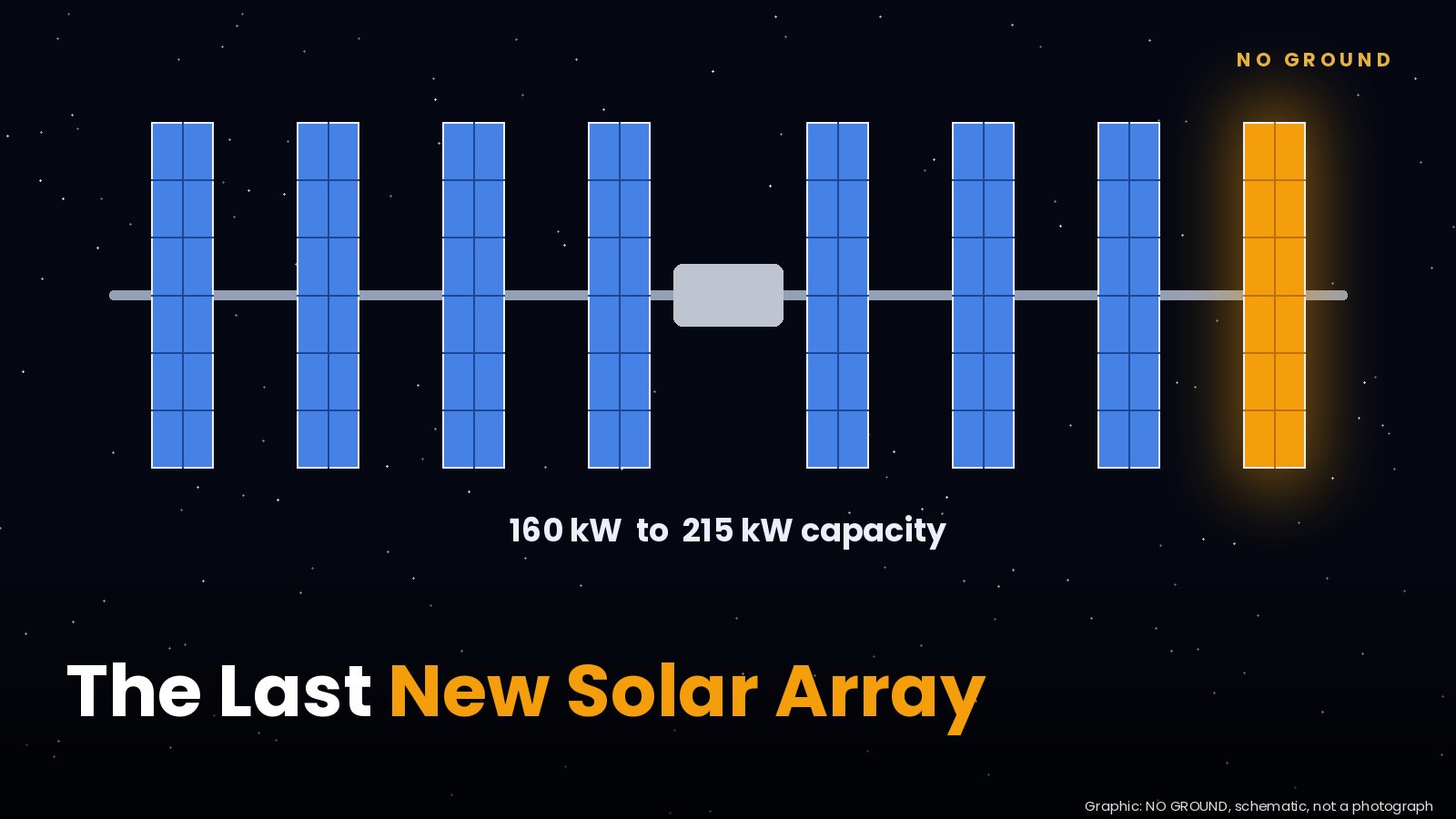
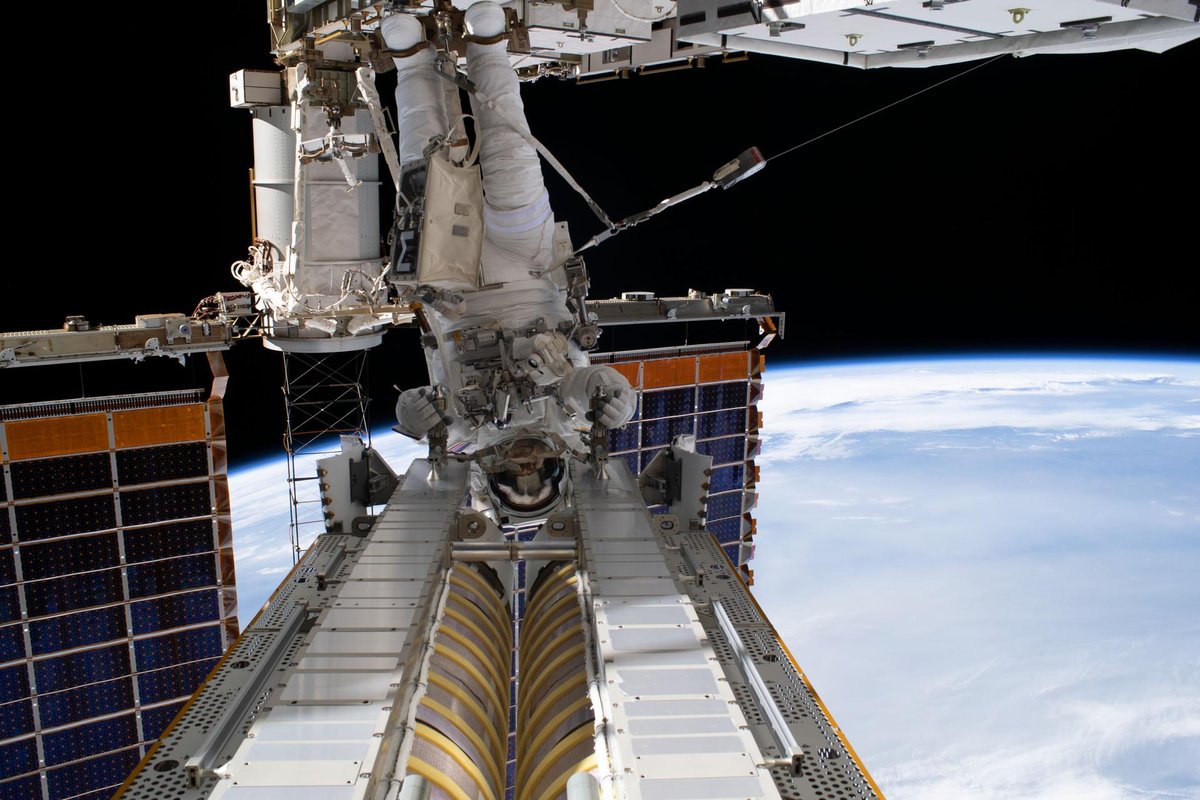
On Thursday, Nov. 5, two astronauts floated out of the International Space Station and finished a job that has taken more than five years: they installed the eighth and final roll-out solar array.
NASA astronaut Anil Menon and Canadian Space Agency astronaut Joshua Kutryk went outside at 8:36 a.m. EST. They finished at 3:35 p.m. EST, a spacewalk of 6 hours and 59 minutes. The new array was installed on power channel 3B, on the station’s starboard truss, and then unfurled.
What the upgrade adds
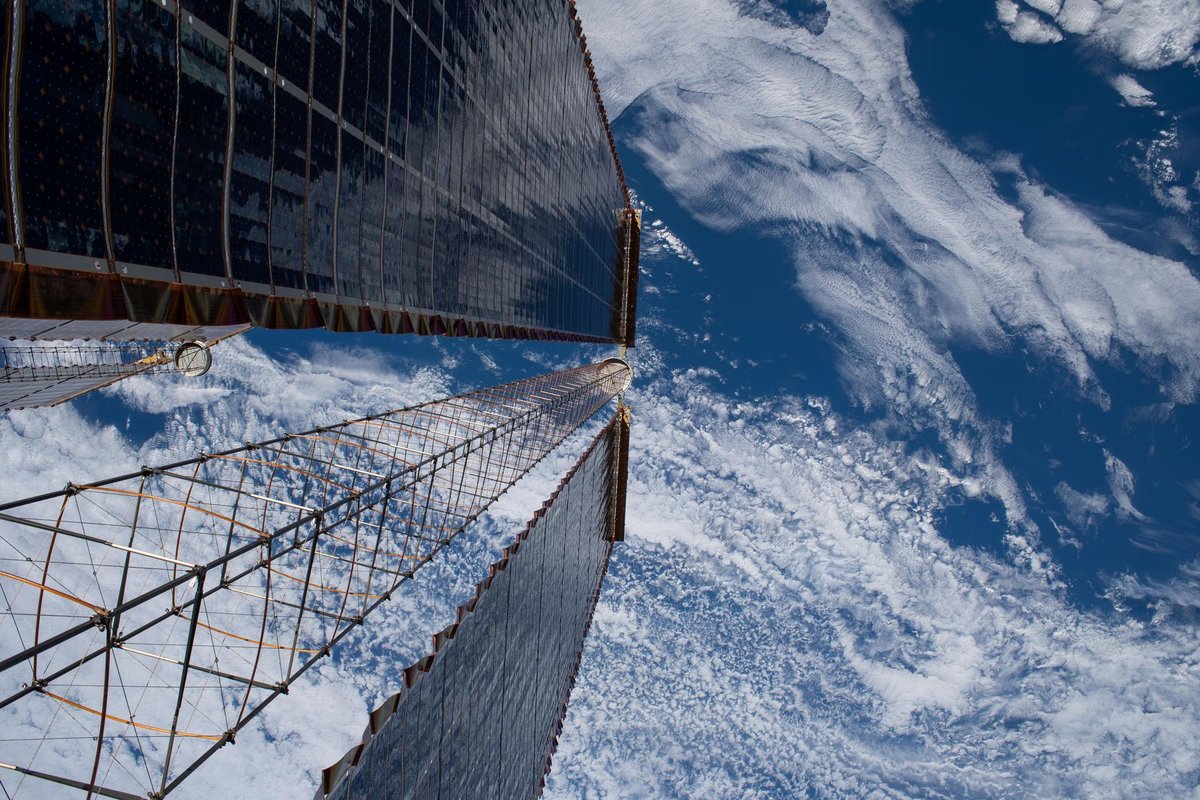
With all eight arrays in place, the station’s power generation capacity rises from 160 kilowatts to about 215 kilowatts, according to NASA. NASA says this completes the station’s power augmentation upgrades.
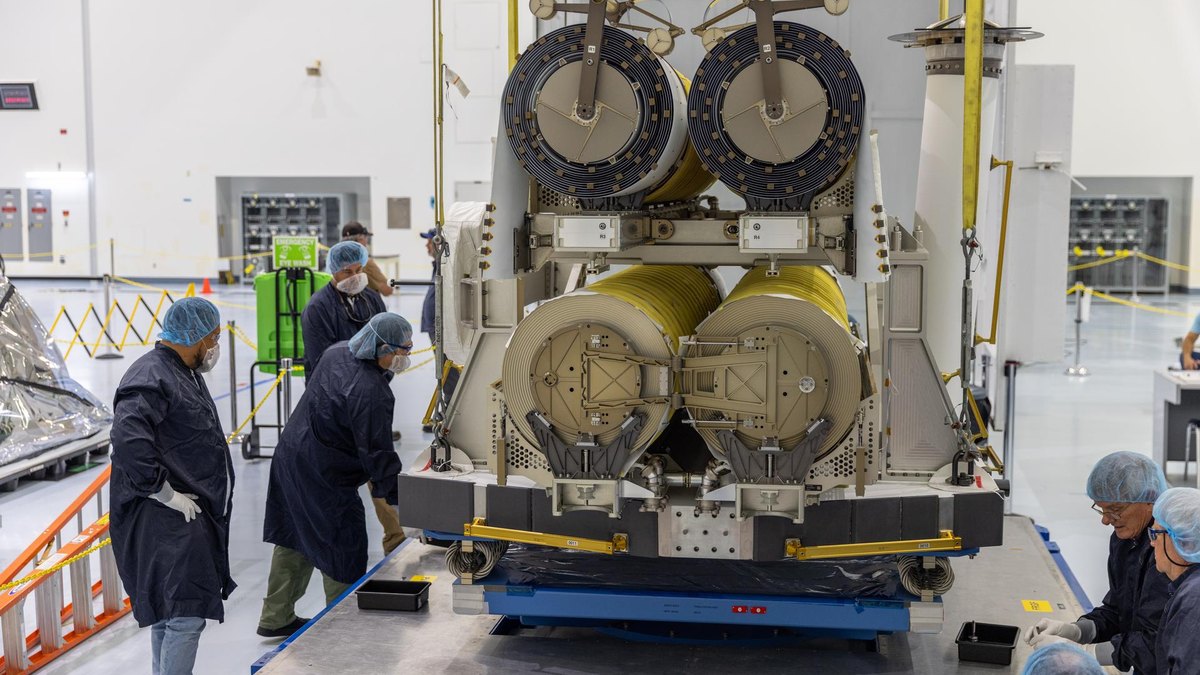
Each array is called an ISS Roll-Out Solar Array, or IROSA. It arrives rolled up, then unrolls in orbit using energy stored in its own carbon-fiber booms. Each one makes roughly 8 kilowatts. They are mounted in front of the station’s original solar wings, so the unshaded parts of the old panels keep producing power too.
Why it was needed
The station’s original solar wings were delivered by space shuttles between 2000 and 2009 and were designed to last about 15 years. They have been working far longer, and their output has slowly declined with age.
The new arrays give the station more power for its remaining years. NASA plans to retire the station and bring it down in 2030.
The two spacewalks
This was the second and final spacewalk in a pair. On Oct. 29, Menon and Kutryk installed the seventh array on power channel 2A, on the port-side truss. That walk began at 7:57 a.m. EDT and ended at 3:08 p.m. EDT, about 7 hours and 11 minutes.
See when the Space Station passes over youThe ISS is bright enough to spot with your eyes. The live map shows where it is right now and where to look.The final array went on the far end of the truss, beyond the reach of the station’s robotic arm, so the astronauts had to move it along the truss themselves. NASA had planned a technique nicknamed the “leapfrog,” in which the array is passed between foot restraints along the truss.
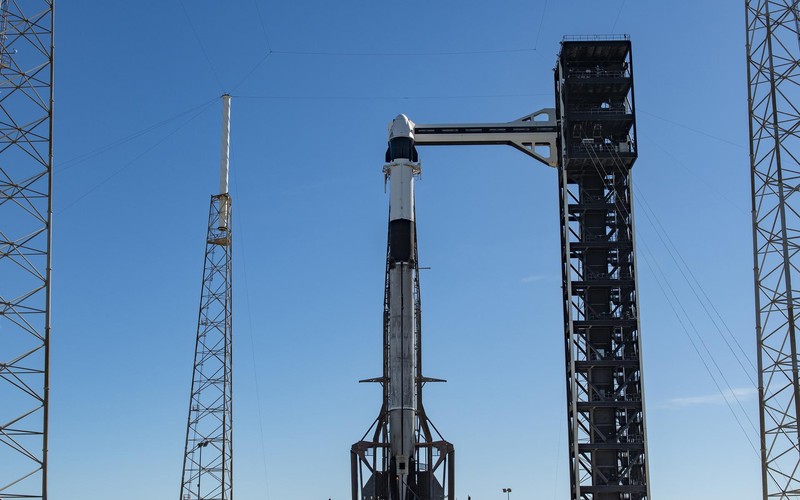
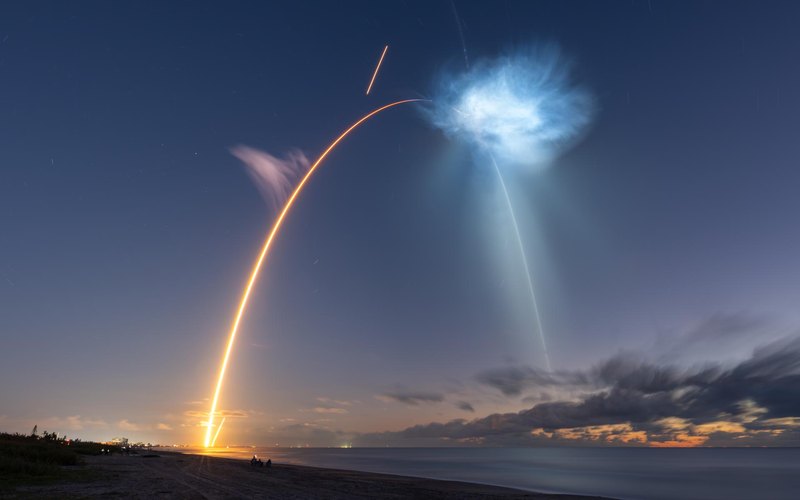
The last two arrays arrived on a SpaceX cargo Dragon that launched on Oct. 13. Each assembly weighs about 750 pounds (340 kilograms).
By the numbers
Menon, a U.S. Air Force lieutenant colonel and emergency physician, made his fifth spacewalk. Kutryk, a Royal Canadian Air Force colonel and test pilot, made his second. Kutryk’s first spacewalk, on Oct. 29, made him the fifth Canadian to walk in space and the first since 2019.
NASA counts this as U.S. spacewalk 101 and the 286th spacewalk in support of station assembly, maintenance and upgrades. Altogether, astronauts have made 18 spacewalks since February 2021 to prepare power channels and install the eight arrays.
Bottom line: The space station now has all eight new roll-out solar arrays, raising its power capacity from 160 to about 215 kilowatts for its final years.
No Ground. Stay curious.