 No Ground
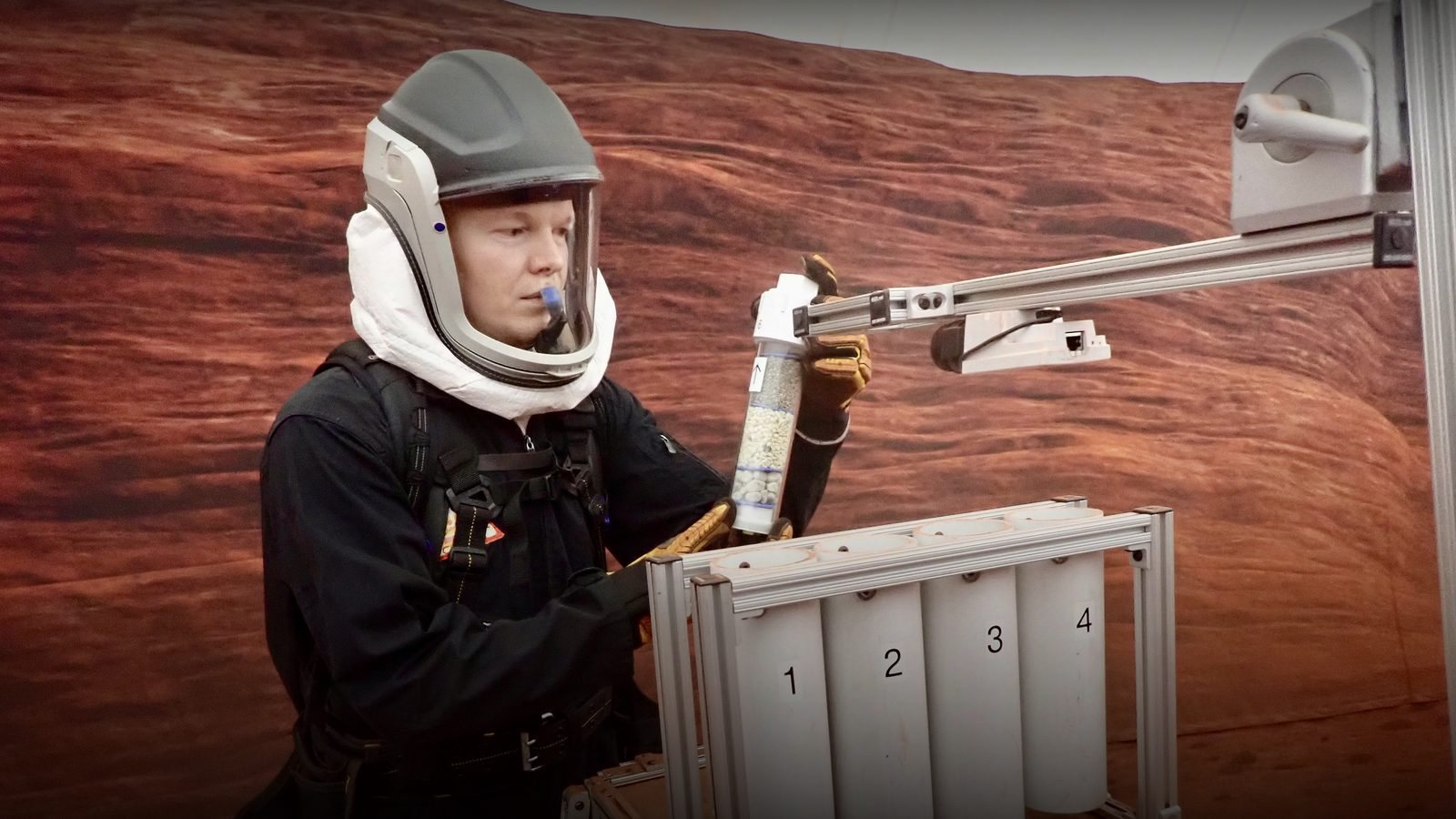
Somewhere inside a hangar in Houston, four people have spent more than a year behind one door, living as if they were on Mars.
They have not felt weather. Their families have heard from them only by email, with a Mars-like delay. When they went out for a walk, they suited up and crossed red sand that never left the building.
On Saturday, Oct. 31, that door opened. NASA said the four volunteers of its CHAPEA Mission 2 would exit their habitat at Johnson Space Center after 378 days of isolation, stepping outside for the first time in more than a year.
A Mars you can drive to
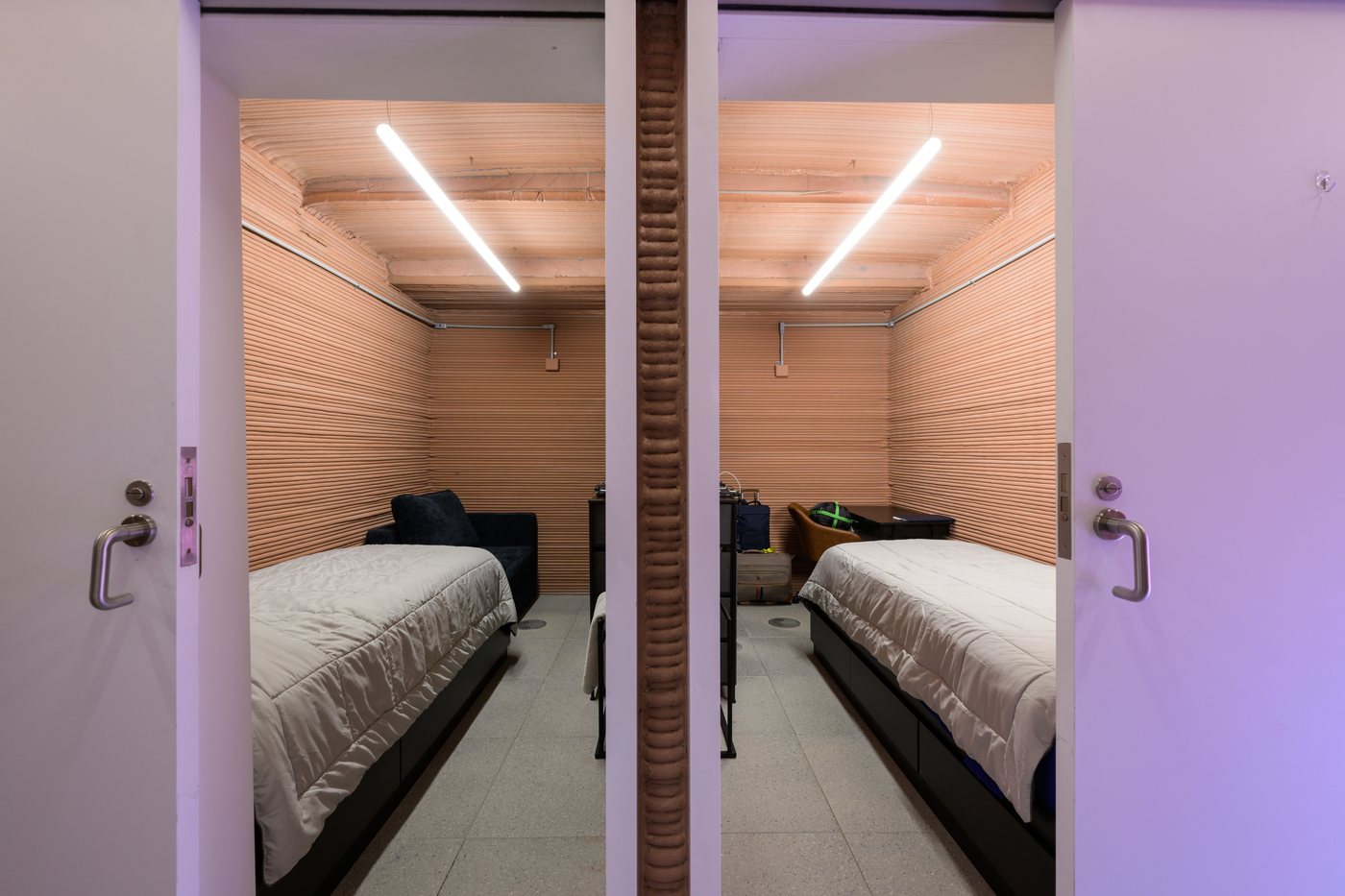
CHAPEA stands for Crew Health and Performance Exploration Analog. It is a series of NASA missions that simulate year-long stays on the surface of Mars. The habitat is a 1,700-square-foot structure 3D-printed by ICON’s Vulcan construction system from a material called lavacrete.
Inside are four private crew quarters, dedicated workstations, a medical station, common lounge areas, a galley and stations for growing food, NASA says. The only “outside” is a simulated Martian surface of red sand. It is inside the same building, so even on their Marswalks the crew stayed isolated.
The crew is Ross Elder, mission commander; Ellen Ellis, medical officer; Matthew Montgomery, science officer; and James Spicer, flight engineer. They walked in on Oct. 19, 2025.
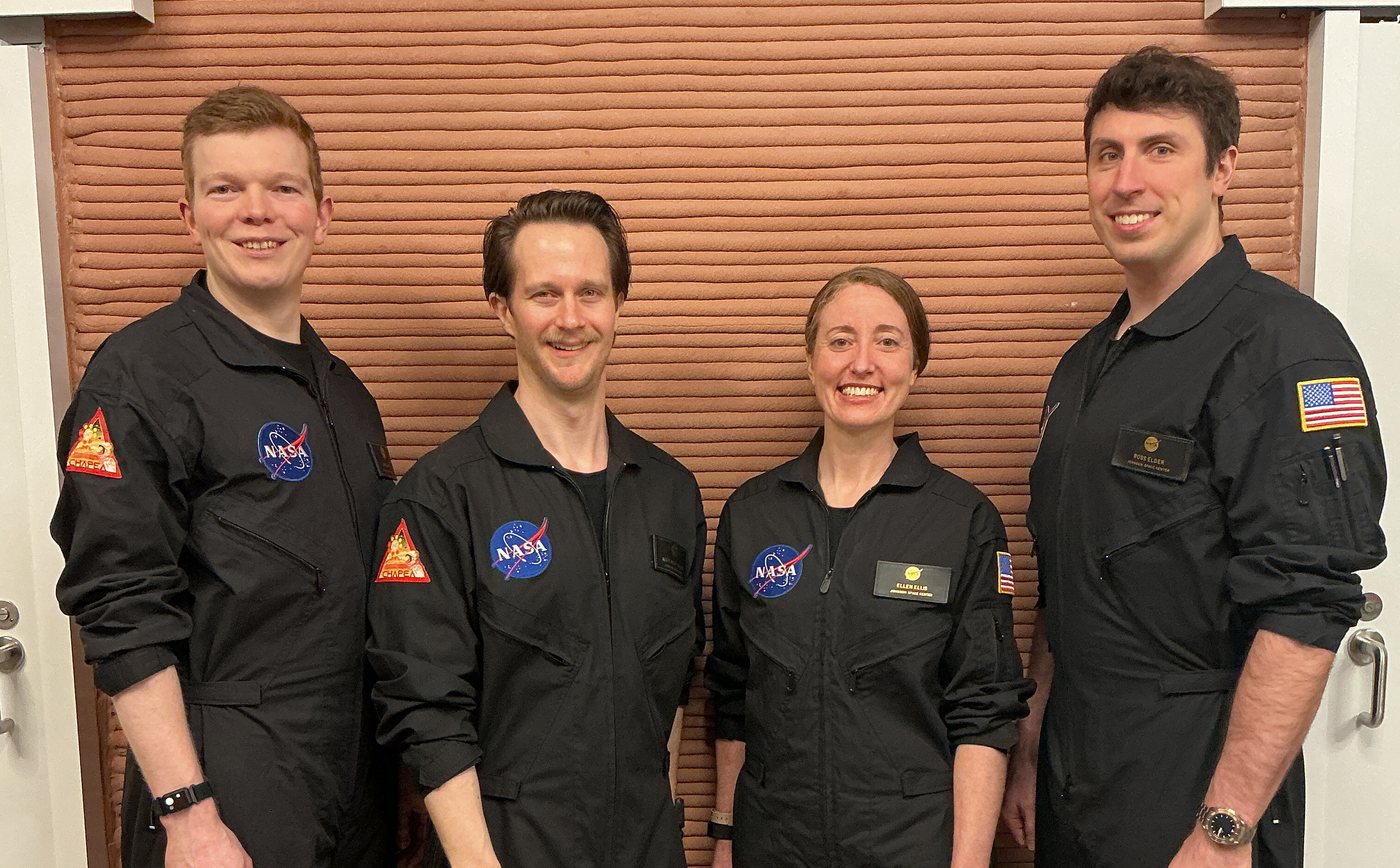
What a year on “Mars” looks like
For a year, NASA says, the crew has operated as though they were on the Red Planet: growing crops, managing limited resources, working around communication delays and going out on suited Marswalks. When the mission started, NASA listed the stressors it planned to test, including limited resources, prolonged isolation, 22-minute communication delays and equipment failures.
The delay is the part that changes everything. A signal between Earth and Mars takes somewhere between about 3 and 23 minutes one way, depending on where the two planets are in their orbits, NASA’s podcast notes. A normal back-and-forth conversation is nearly impossible.
Around day 200, in May, it got quieter still. The crew entered a simulated two-week loss of signal, mimicking the blackout that happens when Mars moves behind the Sun. No contact with mission control. Only preplanned procedures and whatever they had on hand.
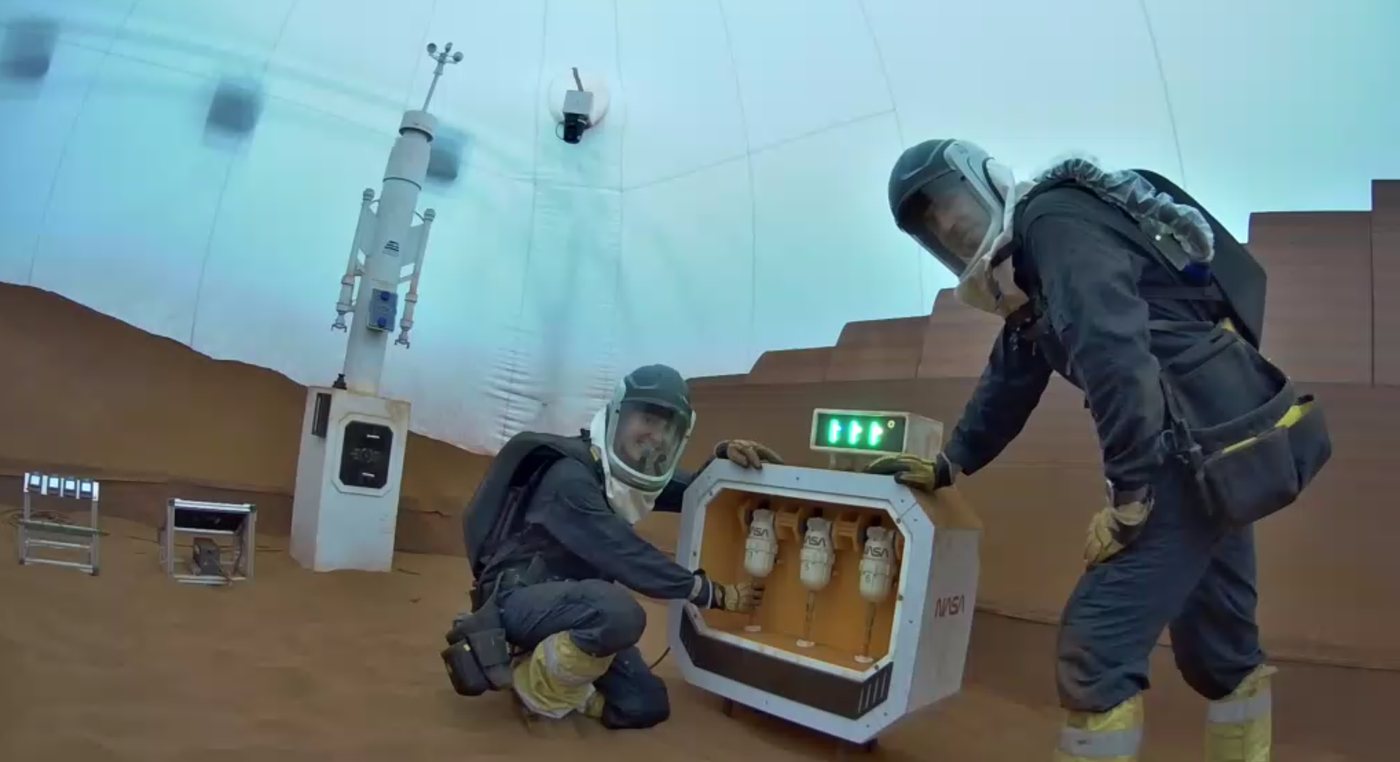
Every sip of water
In an audio log for NASA’s Houston We Have a Podcast, recorded on day 321 of the mission, the crew described what life inside is really like. Their calorie goals are high because the work is so physical. And almost nothing goes unmeasured.
“Every sip of water, every shake of the salt shaker goes to NASA, so they can see how what goes in affects our performance,” Spicer said.
Explore your sky tonightLive sky map for where you are: planets, the ISS and bright stars above your horizon.Ellis described routine self blood draws, which the crew learned in a short phlebotomy course before they went in. Showers are timed. And the habitat is strangely still. “It’s eerily quiet here in the habitat,” Elder said. Apart from the hum of fans and equipment, he said, there is not much background noise, and he misses “the sound of weather, busy streets.”
Asked what they were looking forward to, Ellis named her husband’s smile when the door opens and hugs for her parents. Spicer, who loves swimming and the ocean, said he was excited for a long hot shower.
Why pretend
CHAPEA is not a dress rehearsal for a specific Mars mission. Its main purpose is human research: what a year of isolation, confinement and tight resources does to a crew’s health and performance.
NASA says the data can help it design food systems, use crew time efficiently, manage bandwidth on its Deep Space Network, and give flight doctors and psychologists better ways to support crews, starting with future Artemis and Moon Base missions and, later, Mars.
“When combining this Mars-realistic mission analog with a suite of physiological, psychological, and performance measures in a rigorously controlled environment, we’ll be able to translate the knowledge from these experiences to Moon Base and beyond,” said Michael Stenger, chief scientist for NASA’s Human Research Program, in NASA’s one-year update.
This is the second time NASA has done this. The first CHAPEA crew lived in the same habitat from June 25, 2023, to July 6, 2024.
Saturday
NASA planned to stream the exit ceremony live starting at 3 p.m. EDT on Saturday, Oct. 31, on NASA Johnson’s YouTube and social accounts. Johnson Center Director Vanessa Wyche and NASA astronaut Jack Hathaway were scheduled to speak, along with the four crew members. After that, the crew begins two weeks of post-mission evaluations and debriefs with NASA scientists.
That is NASA’s plan as of Oct. 28, 2026. Plans can change.
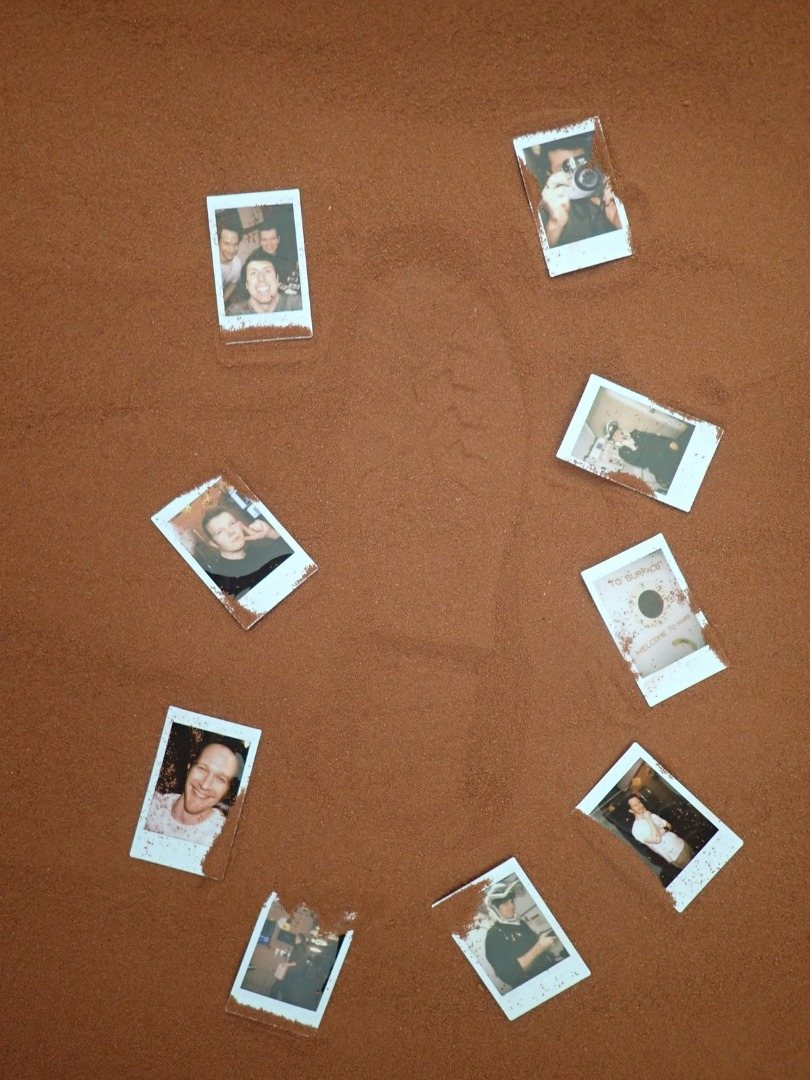
Bottom line: For 378 days, four people lived a Mars mission without ever leaving Houston. On Saturday they got back the sound of weather. What NASA learns from their year could shape how the first real crews live far from home.
Watch the reel on the NO GROUND Facebook page.
No Ground. Stay curious.