Preview, Oct. 14, 2026, 10:12 a.m. ET. This story looks ahead to Thursday, Oct. 15. We’ll update it at this same link as the day’s events happen.
Thursday is shaping up as one of the busiest days in space this fall. A European spacecraft starts slowing down for its asteroid rendezvous, a cargo ship reaches the space station, the Crew-12 astronauts talk about their mission, and a Falcon 9 lights up the California evening. All times below are Eastern.
Early Thursday: Hera hits the brakes
The big one is far from Earth. ESA’s Hera spacecraft, launched Oct. 7, 2024, is on its way to the Didymos asteroid system, the place NASA’s DART spacecraft deliberately crashed into in 2022.
ESA says that “early next Thursday 15 October Hera will rotate around so that its ring of Orbit Control Thrusters face towards the Didymos system. Three of these hydrazine-based thrusters will be ignited at once, burning continuously for a total of 93 minutes, to reduce Hera’s velocity relative to the asteroids by a few hundred metres per second.”
ESA calls it the mission’s “single most challenging activity since lift-off.” The agency hasn’t published an exact start time, only “early Thursday,” so we can’t give one either.
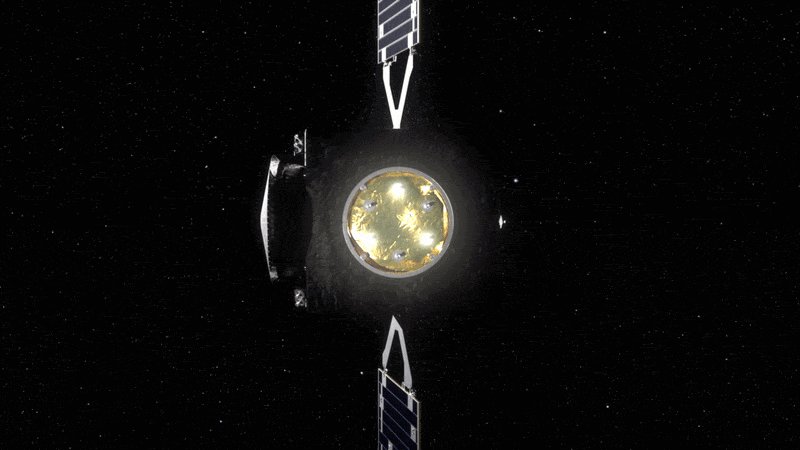
It’s tricky flying. Smaller Reaction Control Thrusters on the corners of Hera’s cube-shaped body have to help keep it pointed in the right direction during the burn. ESA ran a brief test burn on Oct. 2.
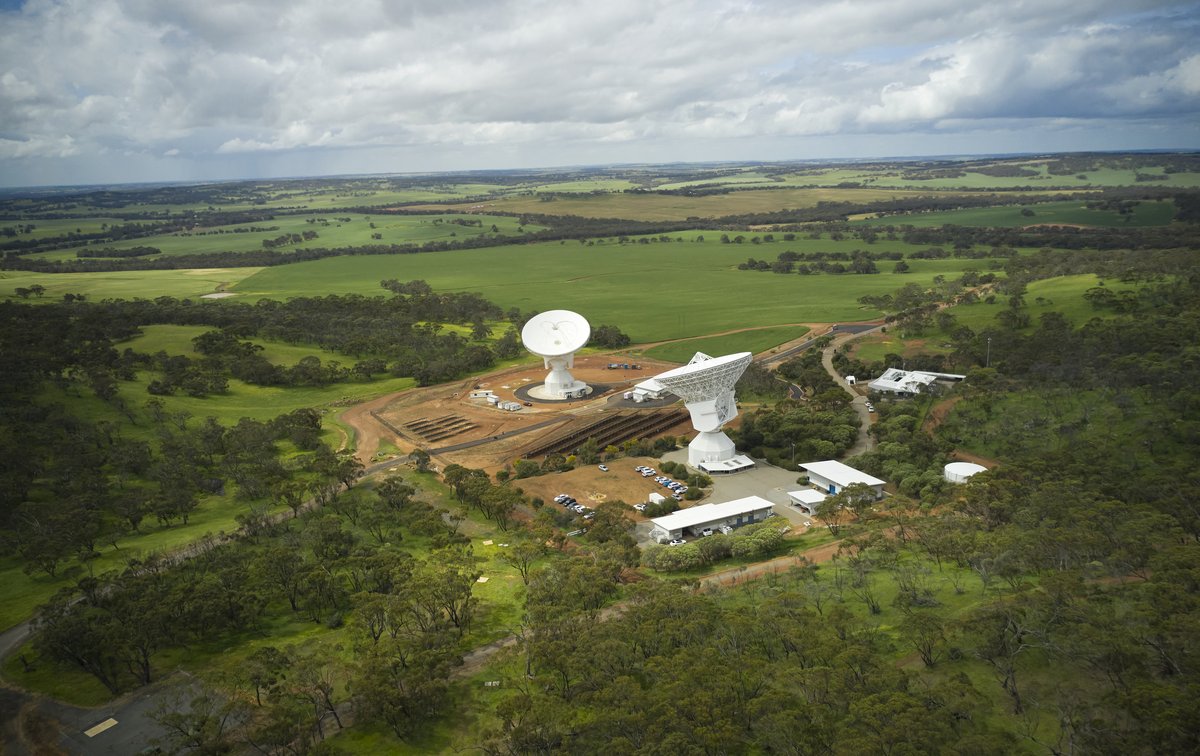
When the burn ends, ESA plans to pick up Hera’s signal with one of its 35-meter deep space antennas at New Norcia, Australia. Then the flight dynamics team checks whether the braking matched the plan.
What comes next: a second, shorter burn of about 31 minutes is planned for early Thursday, Oct. 22. ESA says it “should complete most of the Delta-V required to match the velocity of the Didymos system.” Three smaller burns late in the month should bring Hera’s speed relative to the asteroids down to near zero. ESA says Hera is on track to arrive in November 2026, a month earlier than originally planned.
Why it matters: the DART follow-up
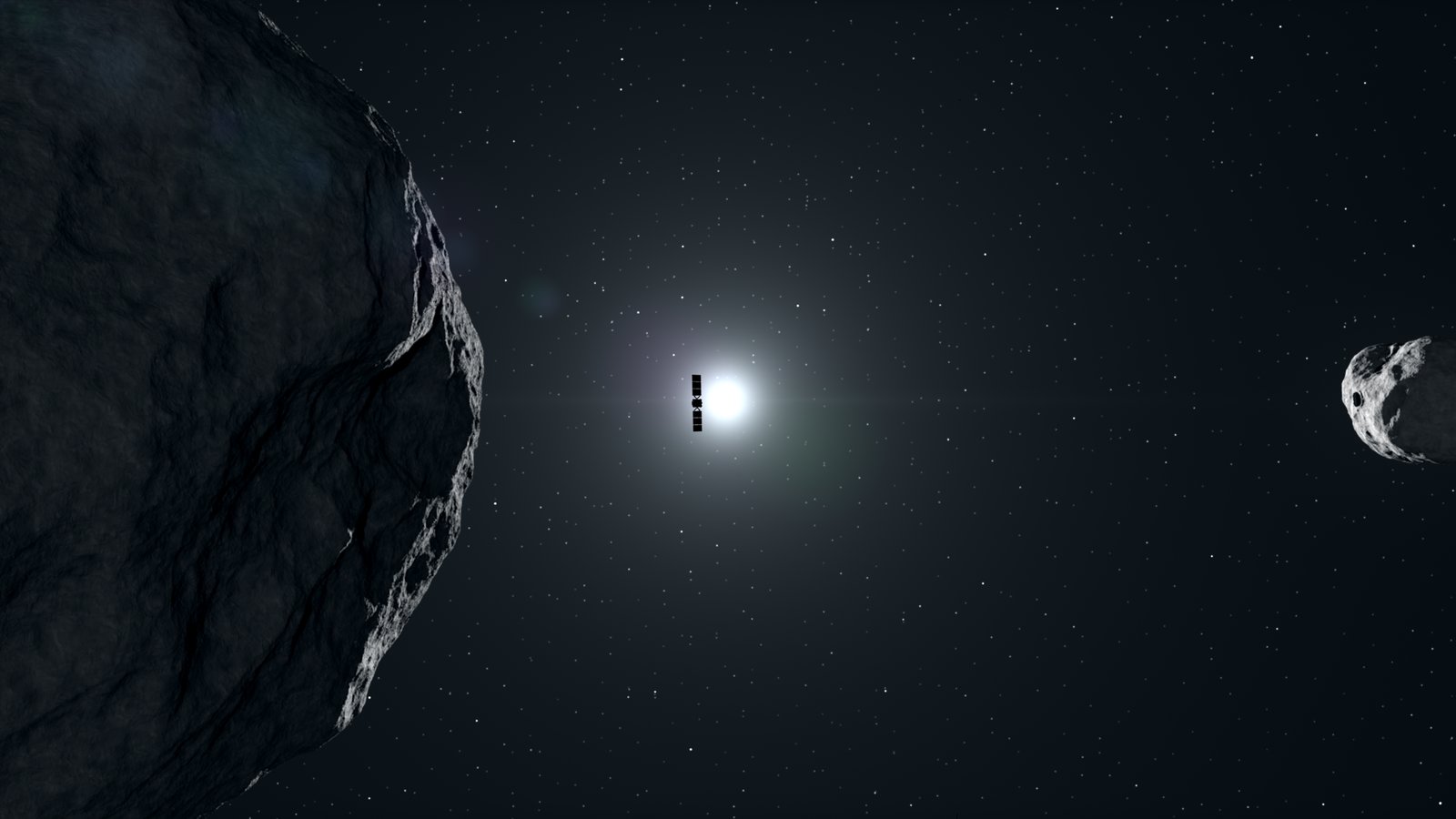
Didymos is a binary system. ESA says the 780-meter Didymos is orbited by the 150-meter Dimorphos. In September 2022, NASA’s DART spacecraft hit Dimorphos on purpose, changing its orbit and showing for the first time that an asteroid can be deflected.
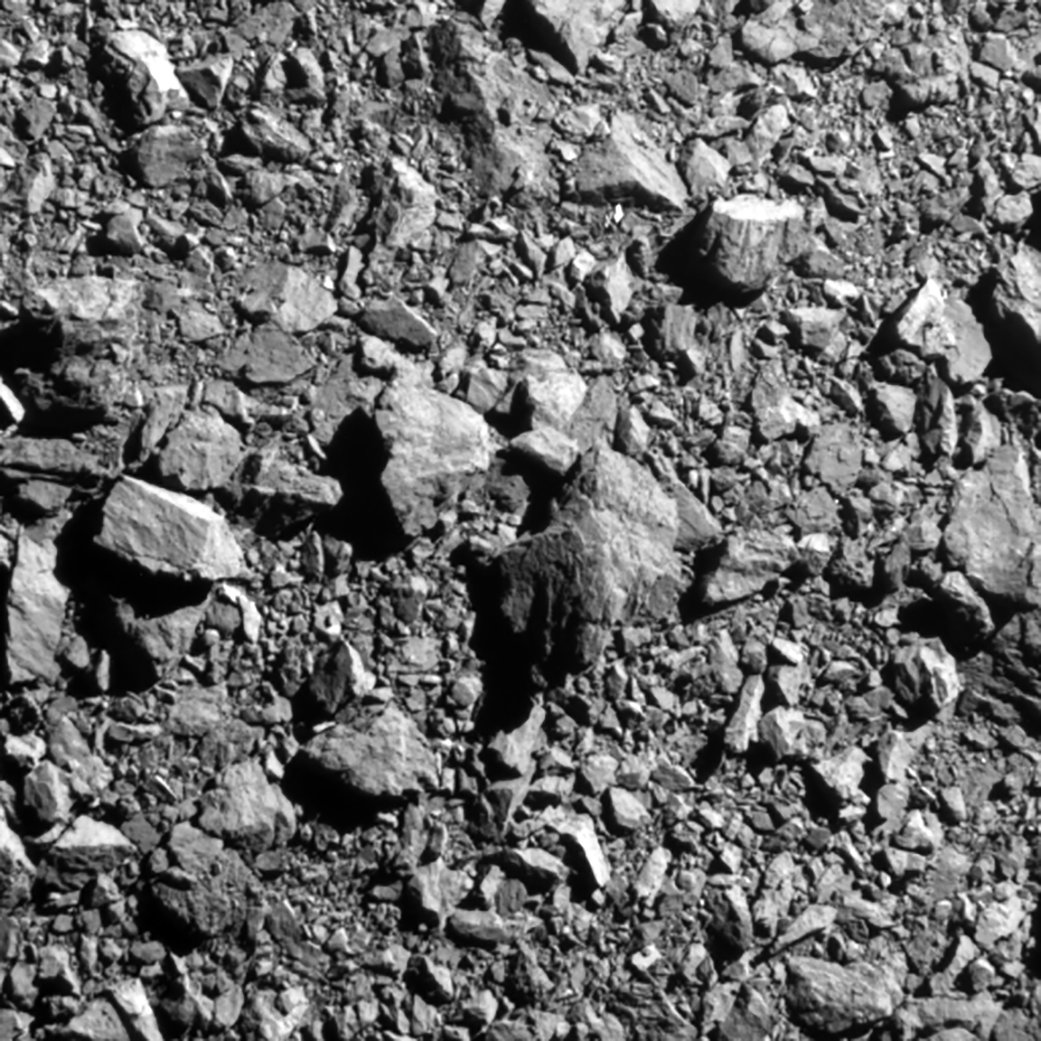
Hera is there to do what ESA calls a “close-up crash scene investigation” and measure how Dimorphos responded. ESA says those measurements will help turn DART’s impact “into a well-understood and potentially repeatable planetary defence technique.”
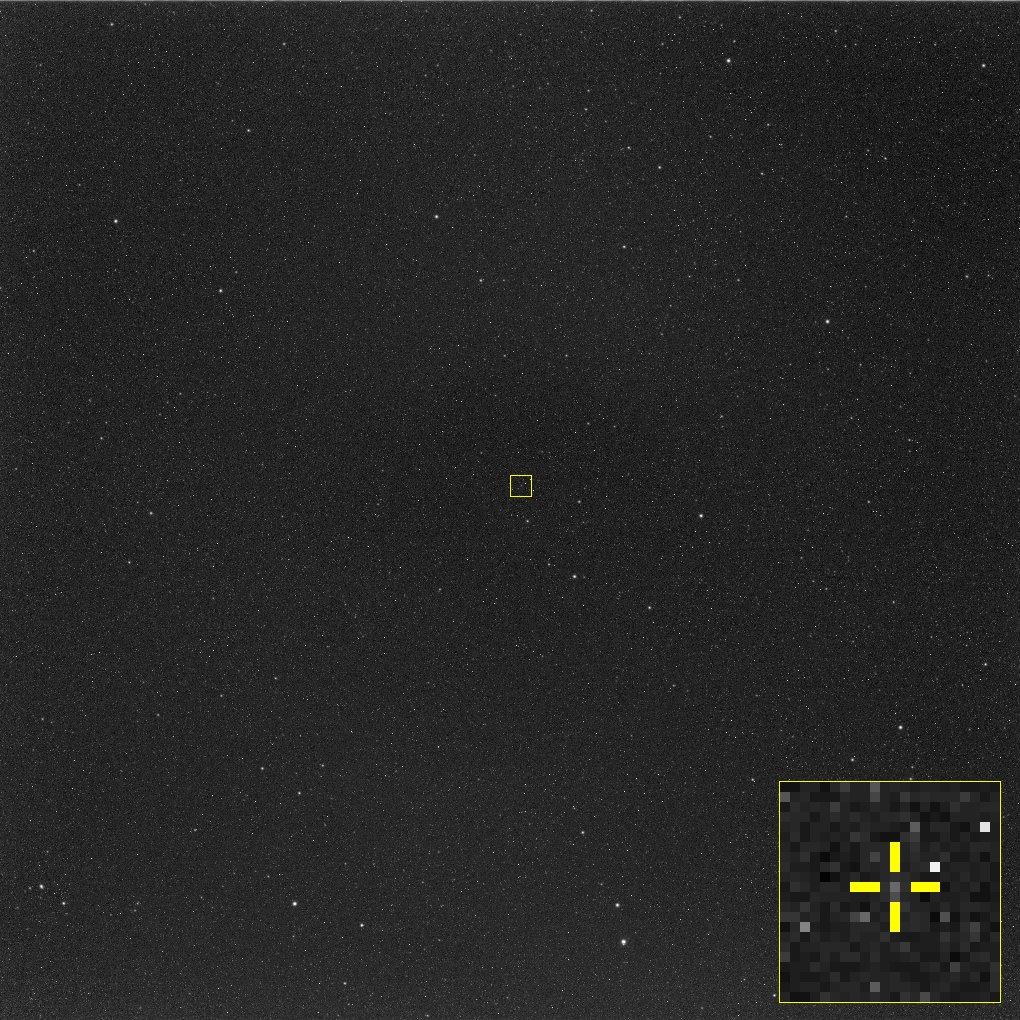
Hera can already see its target. Exactly two years after launch, ESA released Hera’s first glimpse of Didymos, taken from about 236,500 km away. For now it’s, in ESA’s words, “little more than a single bright point.”
About 11 a.m.: CRS-35 docks at the station
NASA’s SpaceX CRS-35 cargo Dragon, which launched Tuesday morning with the station’s final pair of roll-out solar arrays, is scheduled to dock on its own at 11 a.m. at the space-facing port of the Harmony module. NASA’s rendezvous and docking coverage starts at 9:15 a.m.; NASA lists where to watch at nasa.gov/live. NASA hasn’t announced any change to that plan.
3:30 p.m.: Crew-12 talks about its mission
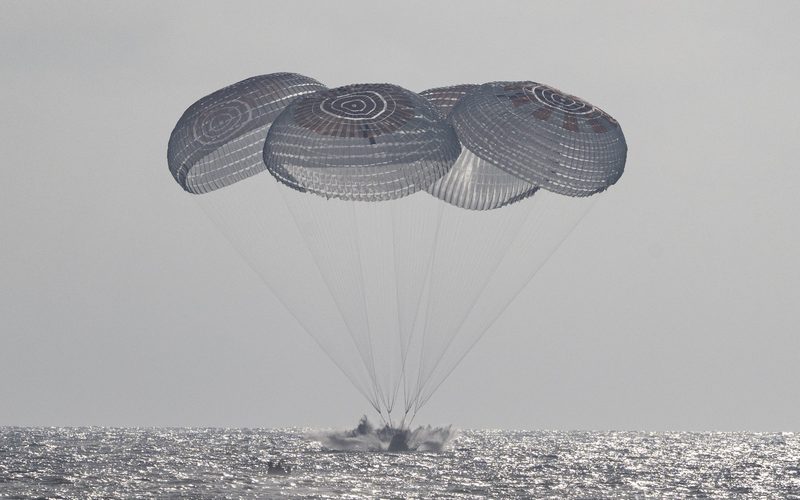
The Crew-12 astronauts, who splashed down Oct. 8 off Los Angeles, will discuss their mission at a news conference at 3:30 p.m. at NASA’s Johnson Space Center in Houston. NASA says NASA astronauts Jessica Meir and Jack Hathaway and Roscosmos cosmonaut Andrey Fedyaev will take part. ESA astronaut Sophie Adenot has returned to Europe and won’t be there.
Evening: Falcon 9 launches USSF-481 from California
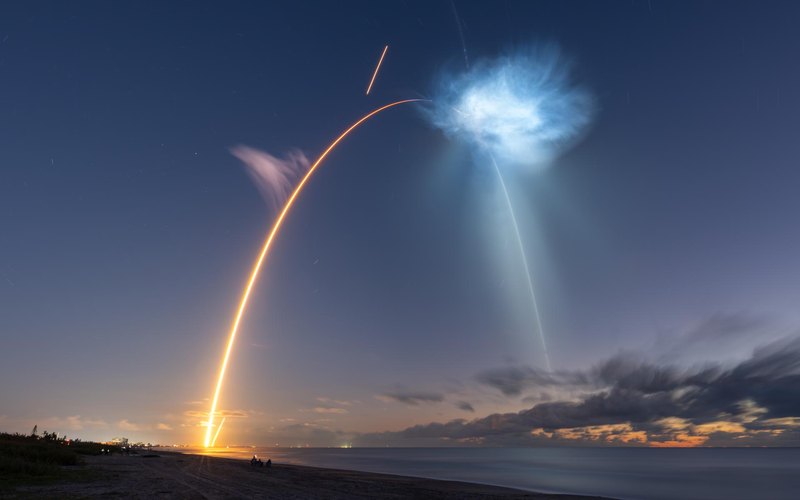
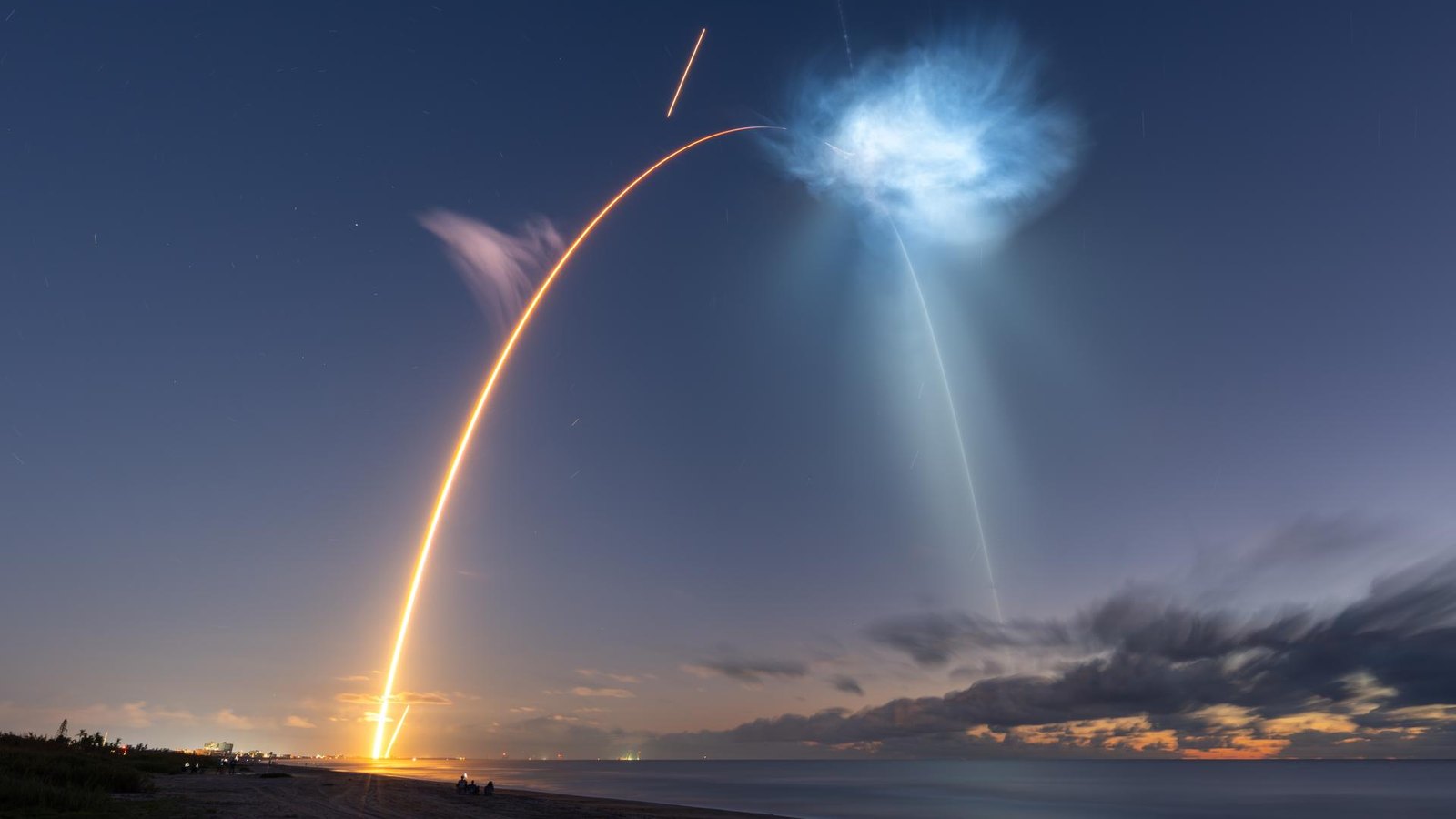
SpaceX is targeting Thursday for a Falcon 9 launch of the USSF-481 mission from Space Launch Complex 4E at Vandenberg Space Force Base in California. The four-hour window opens at 4:44 p.m. PT (7:44 p.m. ET) and runs to 11:44 p.m. ET. SpaceX lists a backup opportunity on Friday, Oct. 16, at 4:35 p.m. PT (7:35 p.m. ET).
It’s a U.S. Space Force mission, and SpaceX hasn’t described the payload on its mission page. SpaceX says it’s the booster’s 28th flight, with a landing planned on the droneship Of Course I Still Love You in the Pacific. SpaceX’s webcast starts about 10 minutes before liftoff.
Thursday at a glance (ET)
- Early morning: Hera’s 93-minute braking burn (ESA hasn’t given an exact time).
- 9:15 a.m.: NASA coverage of the CRS-35 rendezvous begins.
- 11 a.m.: CRS-35 Dragon docks to Harmony.
- 3:30 p.m.: Crew-12 news conference.
- 7:44–11:44 p.m.: USSF-481 launch window from Vandenberg.
Launch and docking times can change. We’ll update this story as Thursday happens.
No Ground. Stay curious.