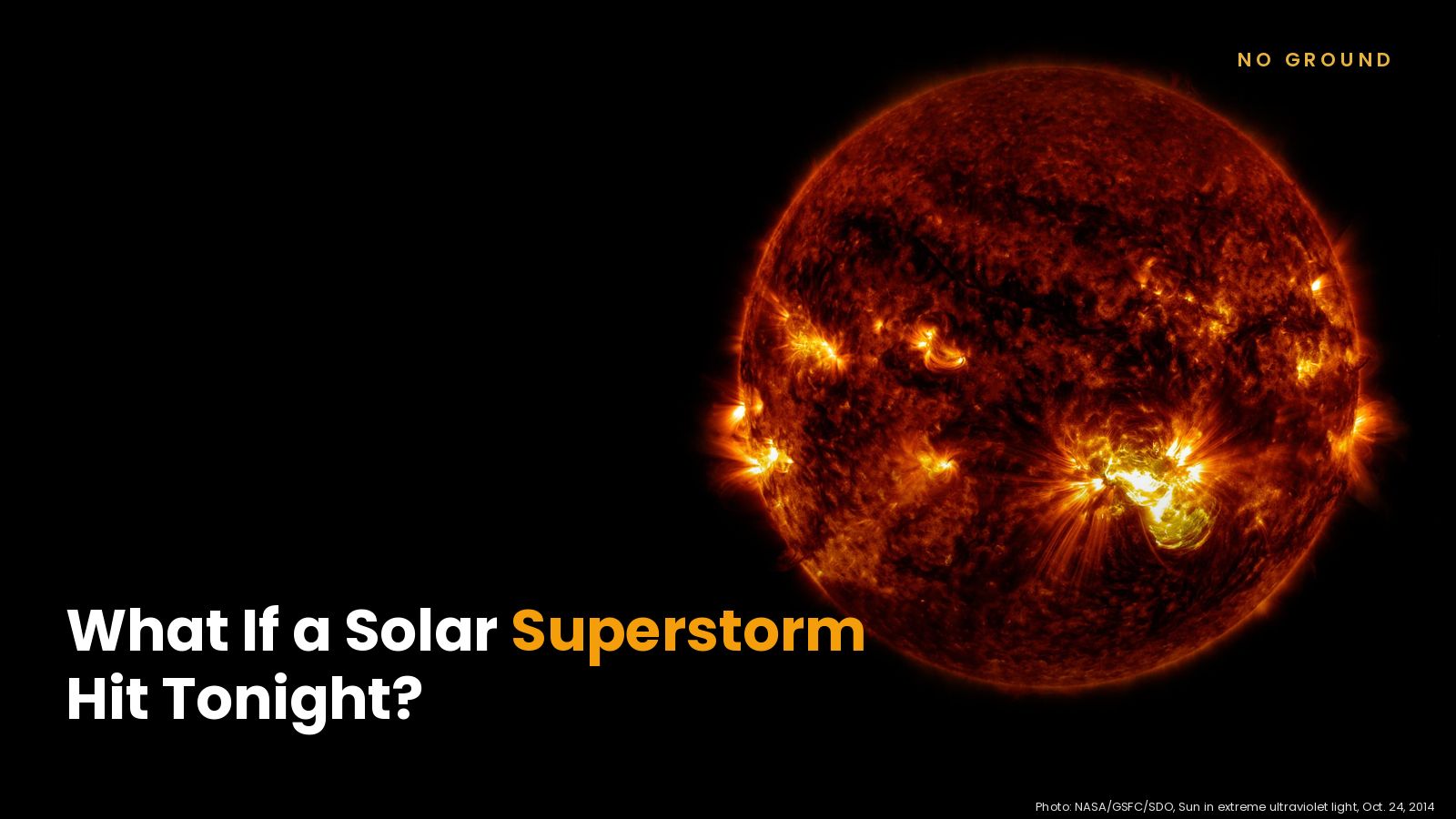
In 1859, the Sun threw a storm at Earth that shocked telegraph operators and set fire to some telegraph offices. If the same storm hit tonight, the telegraphs would not be the problem. The power grid would be.
What happened in 1859
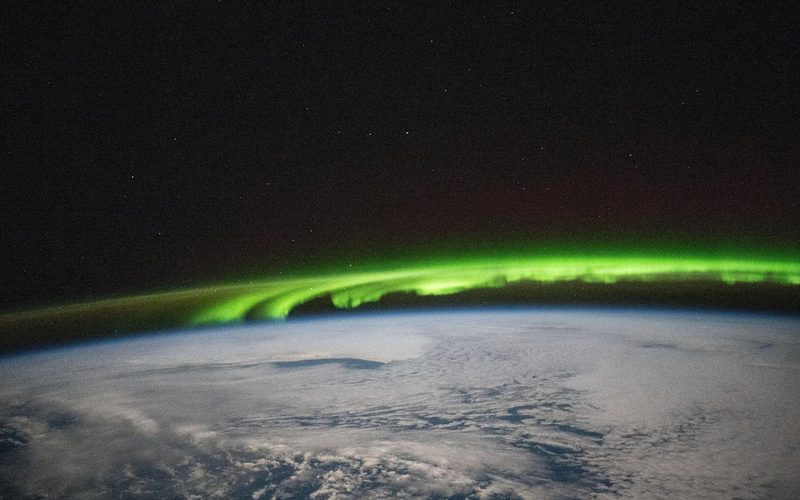
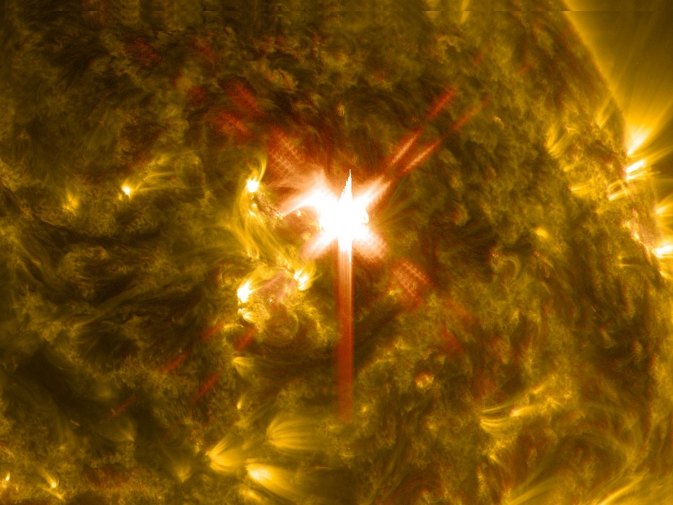
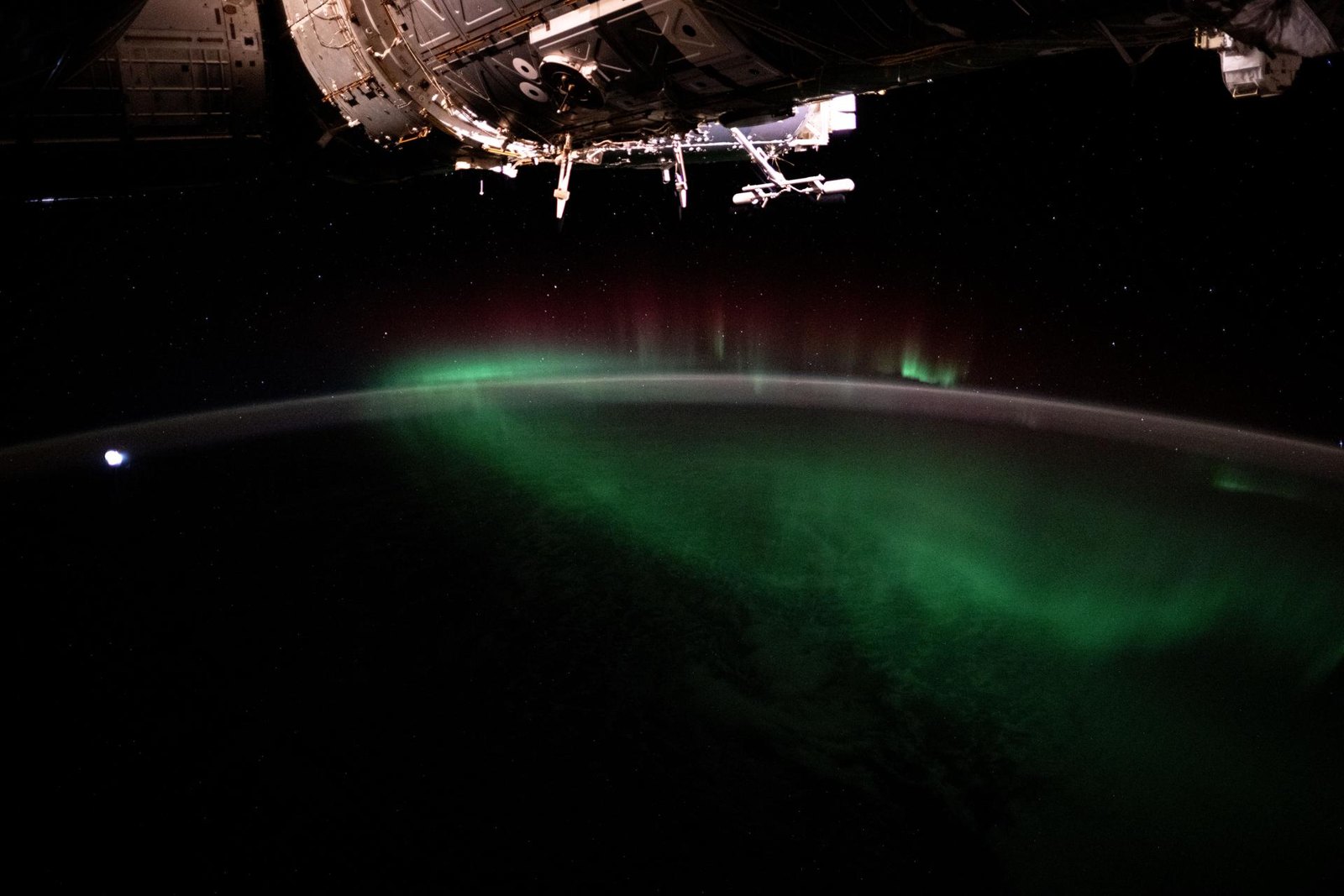
On September 1, 1859, two British astronomers, Richard Carrington and Richard Hodgson, independently saw a huge flare on the Sun. About 17 and a half hours later, the shock from a cloud of magnetized gas thrown out in the same eruption reached Earth, among the fastest trips on record. Telegraph operators reported sparks leaping from their equipment, and in several places they kept sending messages with their batteries disconnected, using only the current the storm induced in the wires. Auroras were seen as far south as Cuba and Hawaii. It is known as the Carrington Event.
What it would do today
A storm that size would induce strong currents in long power lines. Large transformers can overheat and burn out, and they are slow to replace. Large power transformers are custom-built, and the U.S. Department of Energy says lead times of 36 months are commonly quoted today, with some reaching 60. NASA has said multi-ton transformers damaged by such a storm “might take years to repair.”
The lights going out is only the start. A National Academies workshop report says a long outage would break down water distribution because pumps fail, spoil food and medicine without refrigeration, and disrupt transportation, communication, banking and government services.
On cost, that same report cites an estimate of $1 trillion to $2 trillion in the first year for a severe geomagnetic storm scenario, with recovery taking 4 to 10 years. NASA, citing a National Academy of Sciences study, has said the total could exceed $2 trillion. Treat these as scenario estimates, not forecasts. The report itself calls such figures “at best only a starting point.”
It has already happened on a smaller scale
In March 1989, a storm weaker than the 1859 one collapsed the Hydro-Québec power grid in about 90 seconds. Around six million people lost power, and the blackout lasted roughly nine hours. The same storm also failed a large transformer at a nuclear power plant in New Jersey, according to the National Academies report.
We nearly saw a big one
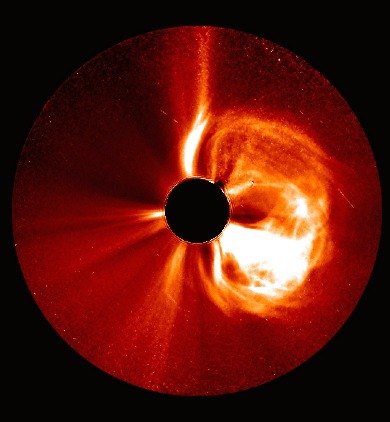
In July 2012, a storm that researchers estimate was comparable to the 1859 event tore through Earth’s orbit. Earth was not there. NASA’s science news said that if the eruption had come only a week earlier, Earth would have been in the line of fire. UC Berkeley researchers who studied it with the STEREO spacecraft put the gap at nine days. The cloud hit NASA’s STEREO-A spacecraft instead.
“If it had hit, we would still be picking up the pieces,” said Daniel Baker, a University of Colorado physicist who studied the event with NASA colleagues. Baker’s team estimated that a direct hit would have produced a geomagnetic storm comparable to the Carrington Event and twice as bad as the 1989 Quebec storm.
What is being done
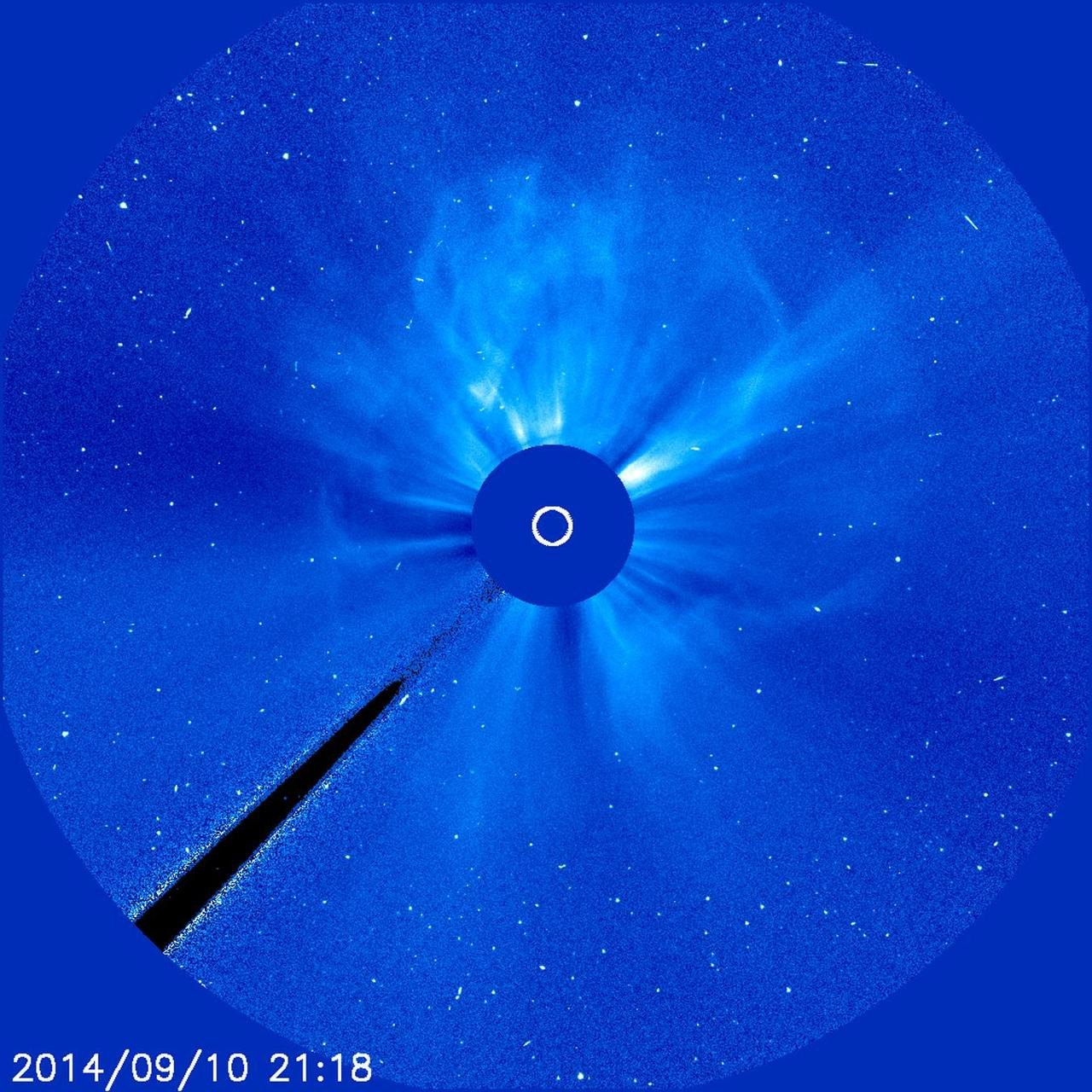
The warning comes in stages. Spacecraft such as SOHO and STEREO-A watch the Sun, and forecasters use their coronagraph images to see when a coronal mass ejection (CME) leaves and whether it is headed our way. NOAA says the fastest Earth-directed CMEs can reach us in as little as 15 to 18 hours, and slower ones take several days. That is time to prepare, but not much for the fastest storms.
Closer in, NOAA’s DSCOVR satellite sits about a million miles sunward of Earth. When a storm’s shock passes it, forecasters can often get 15 to 60 minutes of warning before the shock reaches Earth, NOAA says. Grid operators use warnings like that to take defensive steps. In the National Academies report, a representative of the grid operator PJM described cutting back long-distance power flows to keep the grid stable if a storm worsens.
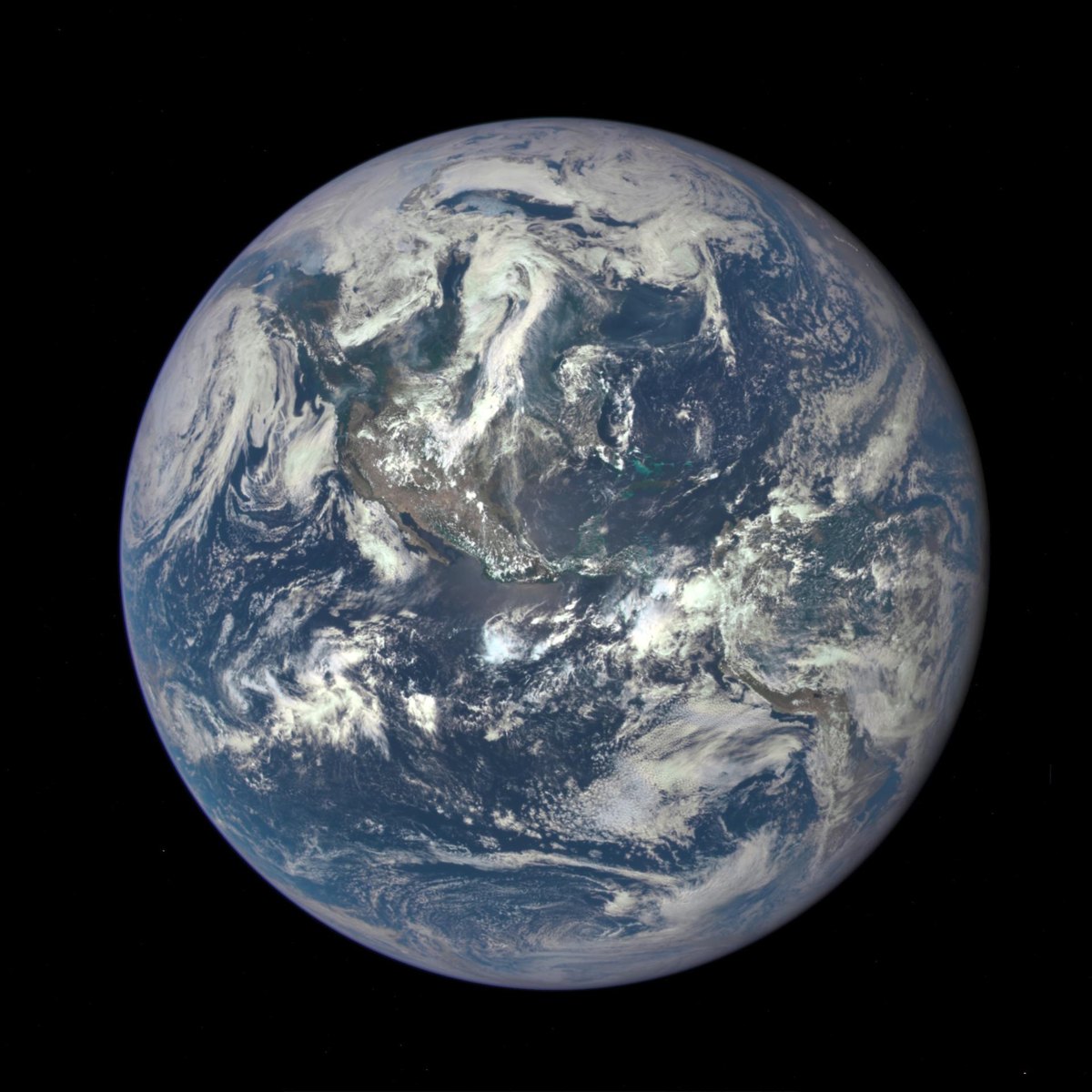
The bigger risk is a rare event we have never tested the grid against. NASA’s 2008 report said the record suggests Carrington-class flares are about once-in-500-years events, but that the statistics are far from solid. The National Academies report summarized one expert’s view that grid operating procedures are “based largely on limited experience” and “unlikely to be adequate for historically large disturbance events.”
Bottom line: The Sun has not changed since 1859. We have, and now we rely on electricity for almost everything.
Watch the reel on the NO GROUND Facebook page.
No Ground. Stay curious.